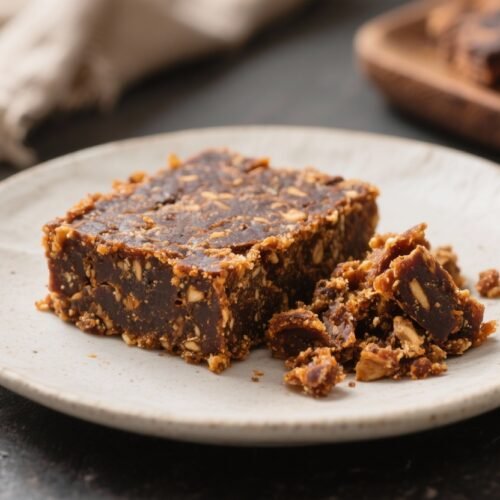
Traditional Pemmican Recipe - A Time-Tested Energy Food
Pemmican is one of those foods with a story. It’s simple, sturdy, and designed to last—born out of necessity and perfected by Indigenous peoples of North America long before refrigeration. If you’ve ever wanted a compact, high-energy food for long trips or emergency preparedness, this is the real deal.
Ingredients
- Lean red meat (traditionally bison, but beef or venison works), about 2–3 pounds
- Beef tallow or suet (to render into fat), about 1–1.5 pounds
- Dried berries (optional, traditional choices include chokecherries or cranberries), 1–2 cups
- Salt (optional, for seasoning and light preservation)
- Black pepper (optional)
- Equipment: sharp knife, baking sheets or dehydrator, grinder or food processor, saucepan for rendering fat, mixing bowl, parchment paper, storage containers
Instructions
- Choose and trim the meat. Pick very lean meat—fat in the meat can cause spoilage later. Trim off all visible fat and sinew. Slice into thin strips, about 1/8–1/4 inch thick, which helps it dry evenly.
- Dry the meat slowly. Use a dehydrator at 145–160°F (63–71°C) or an oven at its lowest setting with the door slightly cracked. Dry until the meat is hard, crisp, and snaps when bent. This can take 6–12 hours depending on thickness and method.
- Cool and grind the dried meat. Let the dried strips cool fully. Then grind them to a coarse powder using a food processor, grinder, or mortar and pestle. Aim for a gravelly, fibrous texture rather than a fine dust.
- Render the fat. Chop suet or fat into small pieces. Warm it gently in a saucepan over low heat until the clear liquid fat separates from the solids. Strain through a fine mesh to remove cracklings. You’ll use the clear rendered fat (tallow).
- Dry the berries (if using). If you’re using fresh berries, dry them completely first. If using store-bought dried berries, make sure they’re fully dehydrated with no moisture. Chop larger berries into small pieces.
- Measure your ratio. A classic starting ratio is about 1:1 by weight of ground dried meat to rendered fat. If adding berries, use about 10–20% of the meat weight. Adjust fat for desired firmness—more fat makes it richer and softer; less fat makes it leaner and firmer.
- Combine while warm. In a bowl, mix the ground meat and berries. Pour in warm (not smoking hot) tallow. Stir thoroughly so every bit is coated. The mixture should be cohesive, not greasy pools and not crumbly.
- Season lightly (optional). A pinch of salt and a little black pepper are optional. Traditional pemmican didn’t rely on heavy seasoning, but a tiny bit can enhance flavor.
- Shape for storage. Press the mixture into a parchment-lined pan to about 1/2–3/4 inch thick, or form compact bars or balls by hand. Press firmly to remove air pockets.
- Set and cool. Let the pemmican set at room temperature until firm. The fat will solidify and bind the mixture. Once firm, cut into bars or squares.
- Package properly. Wrap tightly in parchment or wax paper, then place in an airtight container or vacuum-seal if available. Label with date and ingredients.