Bring everything to room temp: Butter should indent easily; eggs and buttermilk should not feel cold.
Preheat oven to 325°F (165°C): Lower heat encourages even baking.
Grease and line: Butter a 9-inch round cake pan (at least 2 inches deep), line the bottom with parchment, and lightly flour the sides.
Beat butter on medium speed for 1 minute until smooth.
Add sugar and beat 3–4 minutes, scraping bowl, until pale and fluffy. Look for lighter color and increased volume.
Beat in vanilla.
Add eggs one at a time, mixing 20–30 seconds between additions until fully incorporated. The mixture should look creamy, not curdled.
Whisk together cake flour, baking powder, and salt.
Stir buttermilk to loosen.
With mixer on low, add half the dry ingredients.
Add all the buttermilk.
Add the remaining dry ingredients and mix just until no flour streaks remain. Stop as soon as it’s combined.
Spread batter into the pan and smooth the top. Tap the pan gently on the counter to release big air bubbles.
Bake 40–50 minutes, rotating once. The cake is done when a toothpick comes out with a few moist crumbs and the top springs back.
Cool in the pan for 10 minutes.
Turn out onto a rack, peel off parchment, and cool completely.
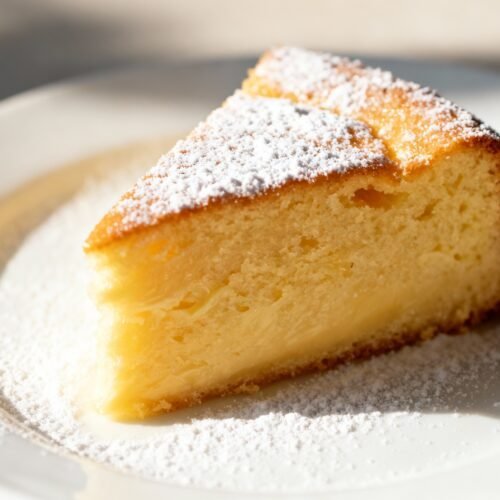
Dust with powdered sugar or brush with warm simple syrup for extra moisture.
Weigh your flour: Too much flour dries the cake. If using cups, spoon and level gently.
Don’t rush the creaming step: Proper aeration sets the texture up for success.
Stop mixing after flour disappears: Overmixing tightens the crumb.
Use light-colored metal pans: Dark pans brown the edges faster.
Check early: Ovens vary; start checking at 38 minutes.