Old Fashioned Buttermilk Donut Recipe | Classic Bakery Style Treat
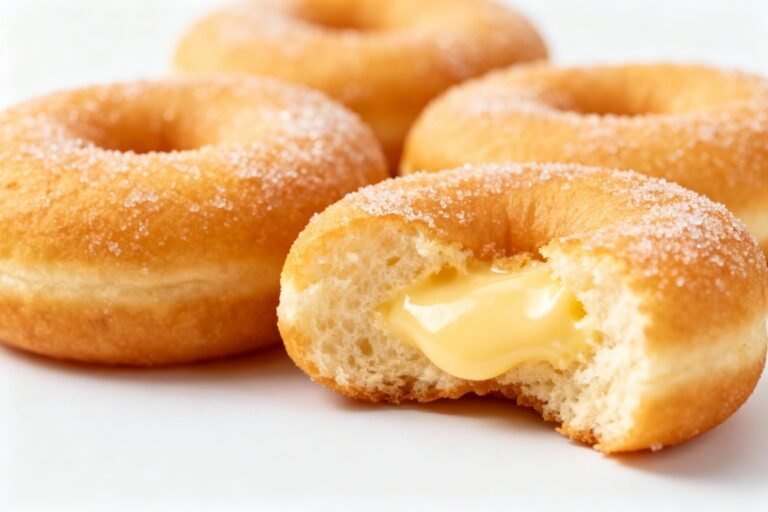
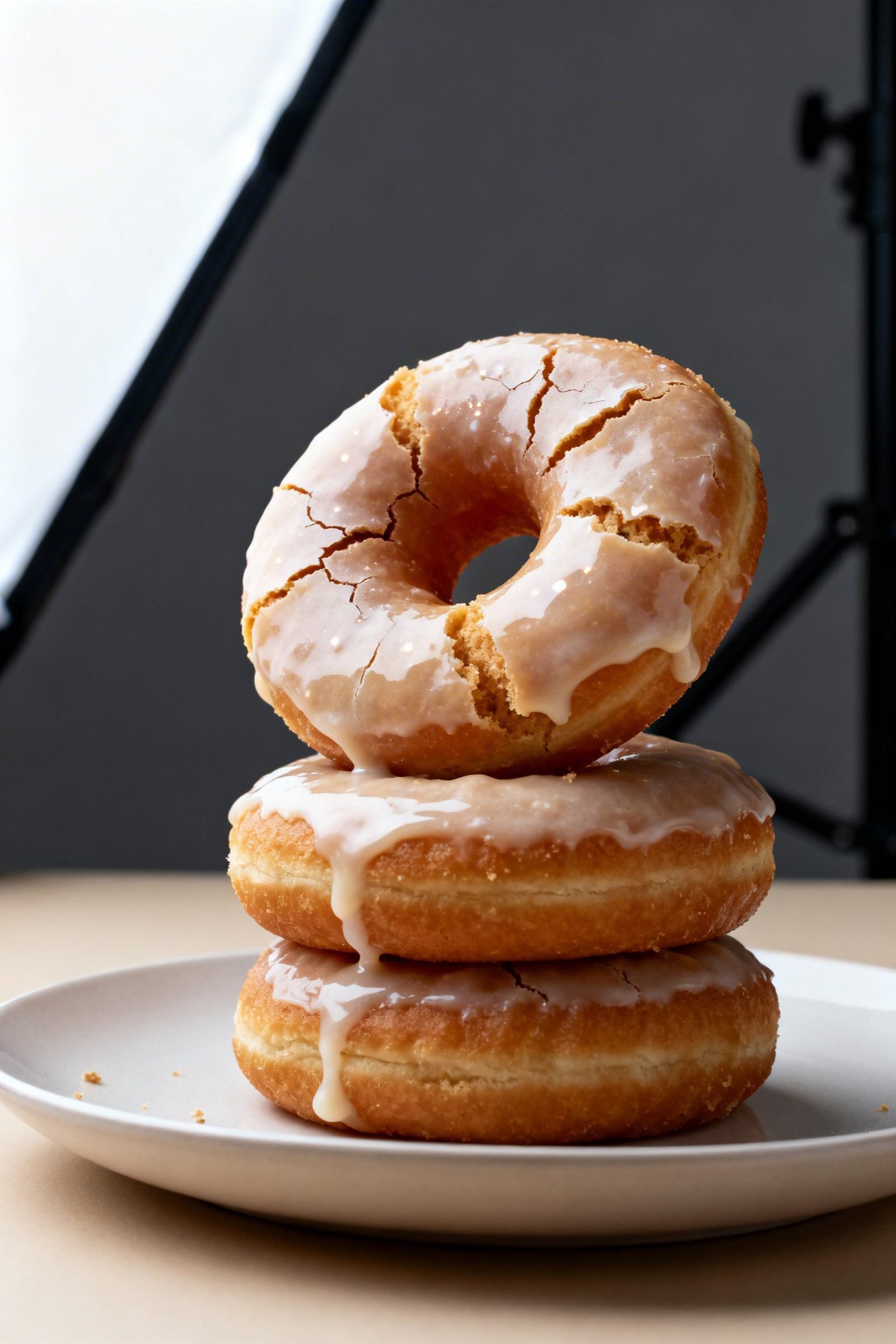
When a craving for a classic donut hits, nothing satisfies like an old fashioned buttermilk donut—craggy edges, tender crumb, and that faint tang that keeps you coming back. This is the bakery-style treat you grew up loving, made right at home with simple pantry staples and a quick mix-and-fry method.
I’ll walk you through each step so your donuts fry up golden with those signature ridges and a glossy vanilla glaze. You’ll get my best tips for dough texture, oil temperature, and that all-important rest that gives you the perfect cracked top. Ready to make the donut shop jealous?
Why This Old Fashioned Buttermilk Donut Recipe Works
- Tried-and-true ratio: The dough balances cake flour and all-purpose flour for a tender, cakey crumb that still holds shape.
- Buttermilk magic: The tangy dairy reacts with baking powder and baking soda to lift the dough and create those rustic, craggy edges.
- Chill time for texture: A quick rest firms the dough so you cut clean shapes and get that classic old fashioned split on top.
- Correct fry temp: Frying at 350–360°F cooks the center through while keeping the outside crisp, never greasy.
- Simple vanilla glaze: A thin, shattery glaze seeps into the crevices, setting into a delicate shell that keeps them tasting fresh.
Ingredients
For the Donuts
- 2 cups (240 g) cake flour – gives a fine, tender crumb
- 1 cup (120 g) all-purpose flour – adds enough structure
- 2 tsp baking powder
- 1/2 tsp baking soda
- 1 tsp fine sea salt
- 3/4 tsp ground nutmeg – classic old fashioned flavor note
- 2/3 cup (135 g) granulated sugar
- 3 Tbsp unsalted butter, melted and cooled
- 2 large eggs, room temperature
- 3/4 cup (180 ml) well-shaken buttermilk, cold
- 1 1/2 tsp vanilla extract
- Neutral oil for frying (peanut, canola, or vegetable)
For the Vanilla Glaze
- 2 cups (240 g) powdered sugar, sifted
- 3–4 Tbsp milk (start with 3, add more to thin)
- 1 tsp vanilla extract
- Pinch of salt – balances sweetness
How to Make Old Fashioned Buttermilk Donuts
1) Mix the Dry and Wet Ingredients
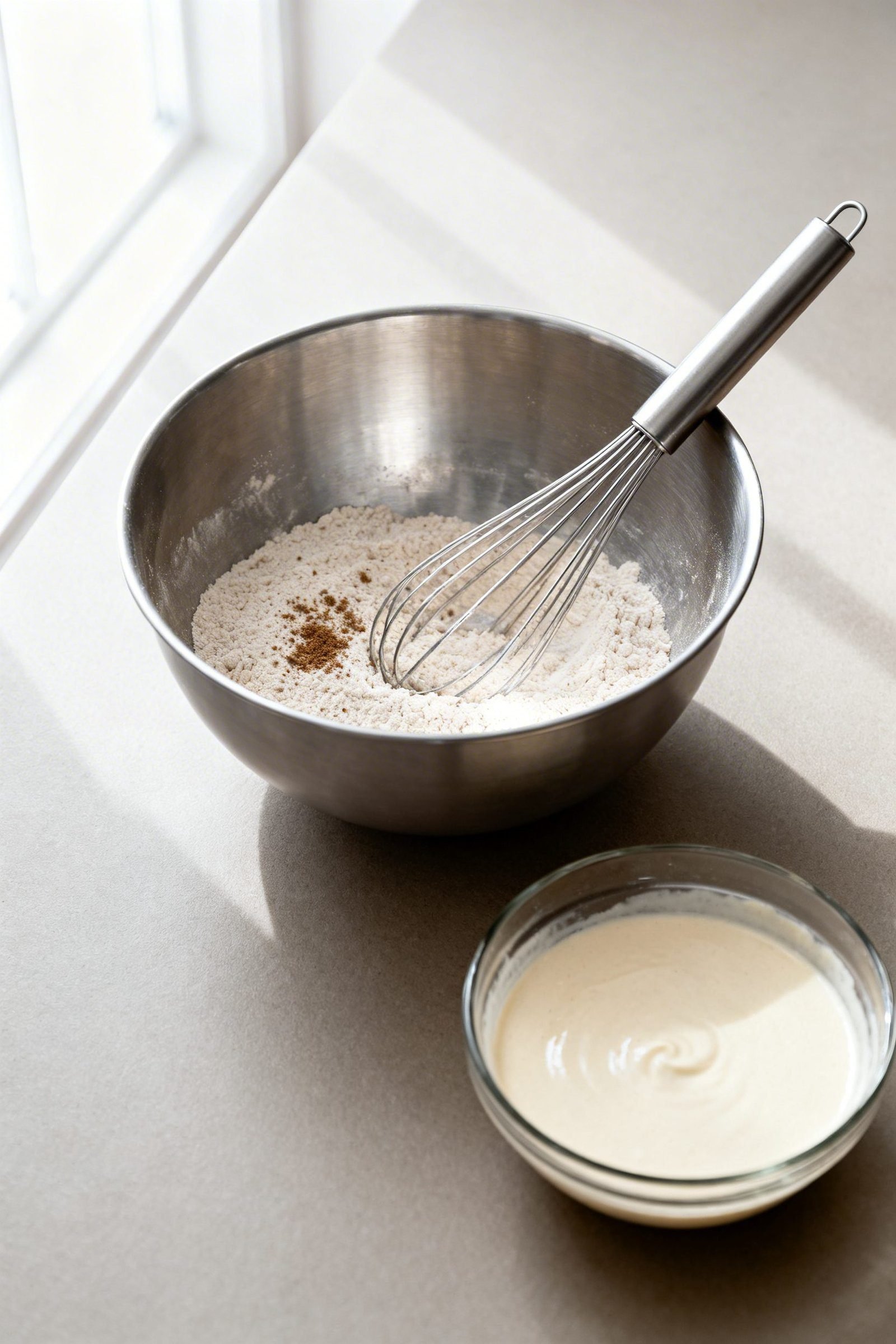
- Whisk cake flour, all-purpose flour, baking powder, baking soda, salt, and nutmeg in a large bowl until evenly combined.
- In a separate bowl, whisk sugar, melted butter, eggs, buttermilk, and vanilla until smooth.
2) Bring the Dough Together
- Pour wet ingredients into the dry. Stir with a spatula until no dry streaks remain. The dough will feel soft and slightly sticky.
- Cover and chill 30–45 minutes. This short rest firms the dough and improves the signature cracked top.
3) Roll and Cut
- Lightly flour your counter. Turn out the dough and gently pat it into a 1/2-inch thick slab. Avoid overworking.
- Use a 3-inch donut cutter (or a 3-inch round cutter plus a 1-inch cutter for the hole). Dip the cutter in flour between cuts.
- Gather scraps gently, press back together, and cut again. Don’t knead the scraps or you’ll lose tenderness.
4) Heat the Oil
- Pour 2–3 inches of oil into a heavy pot or Dutch oven. Clip on a thermometer.
- Heat to 350–360°F (177–182°C). Keep the temperature steady throughout frying.
5) Fry the Donuts
- Fry 2–3 donuts at a time. Slip them in carefully and avoid crowding.
- Cook 1 1/2–2 minutes per side until deep golden with ruffled edges. Donut holes cook in about 1 minute total; turn once.
- Transfer to a wire rack set over a sheet pan to drain. Let cool 5 minutes before glazing.
6) Glaze
- Whisk powdered sugar, 3 Tbsp milk, vanilla, and a pinch of salt until smooth and pourable. Add more milk a teaspoon at a time if needed.
- Dip warm donuts halfway, let excess drip, then return to the rack. The glaze sets in 10–15 minutes into a delicate shell.
Pro Tips for Success
- Weigh your flour for accuracy or fluff, spoon, and level it.
- Keep the dough cool so it cuts cleanly and fries with defined cracks.
- Mind the oil temp. Too cool equals greasy; too hot browns before the center cooks.
- Use fresh leaveners. Baking powder and soda older than 6 months lose power.
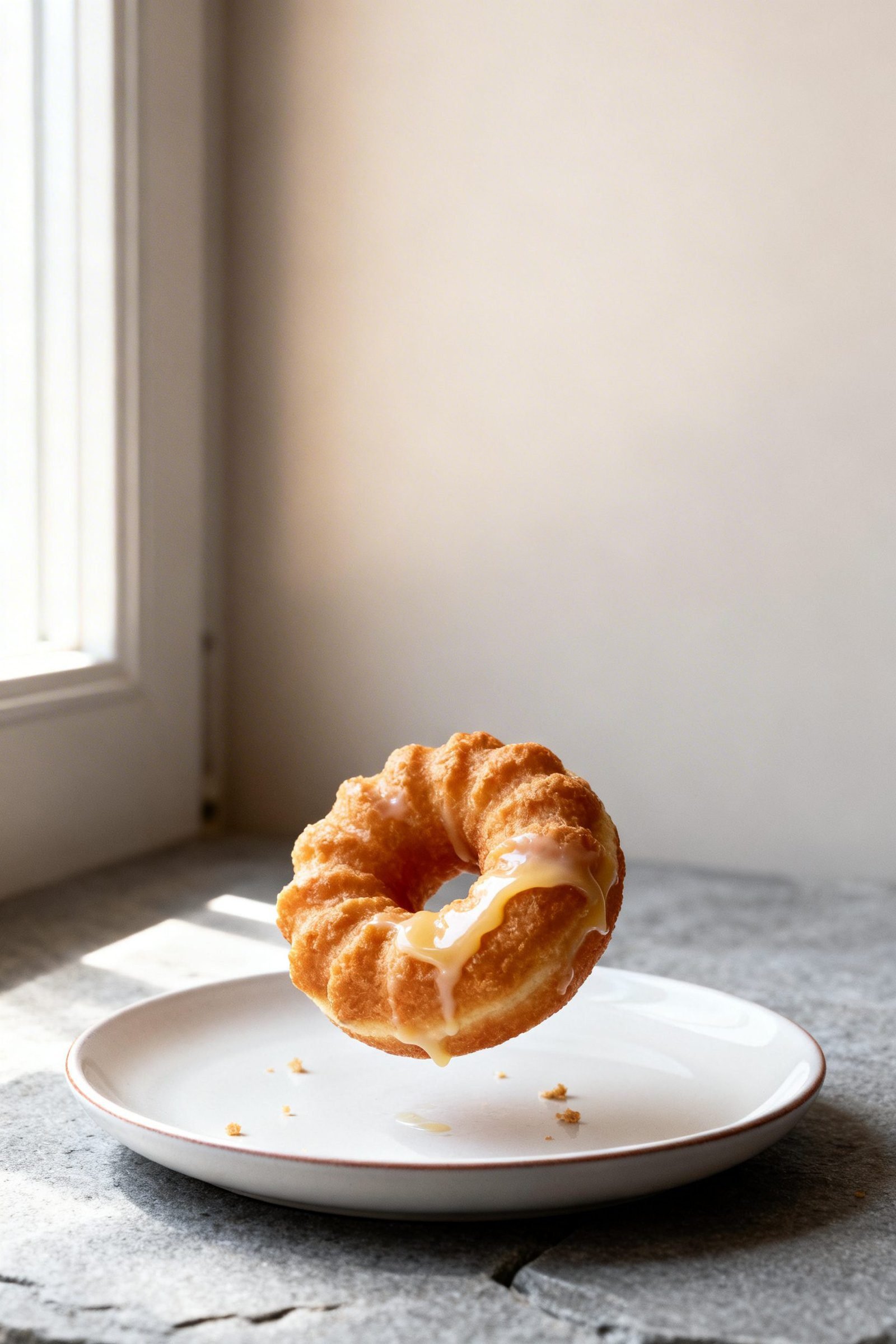
How to Store Old Fashioned Buttermilk Donuts
- Room temperature (best for 24 hours): Keep glazed donuts in a single layer in an airtight container. Add a sheet of parchment to prevent sticking.
- Freeze unglazed: Freeze cooled donuts on a tray until firm, then bag for up to 2 months. Thaw at room temp and glaze fresh.
- Re-crisp: Warm in a 300°F oven for 5–6 minutes to refresh texture. Glaze after warming if you froze them unglazed.
- Avoid the fridge: Refrigeration dries them out quickly.
Benefits of Making These Donuts at Home
- Control the ingredients: You choose quality butter, real vanilla, and fresh oil.
- Superior texture: Fresh-fried donuts beat any boxed dozen for crackly edges and tender centers.
- Cost-effective: Pantry staples turn into a big batch without the bakery price tag.
- Customizable: Change the glaze, spice, or citrus to fit your mood.
- Quick payoff: From bowl to bite in about an hour, including chill time.
What Not to Do
- Don’t skip the chill. Warm dough spreads and fries up dense.
- Don’t eyeball the oil temp. Use a thermometer for consistent results.
- Don’t overmix. Stir just until combined to avoid tough donuts.
- Don’t crowd the pot. Too many donuts drop the temperature and cause greasy results.
- Don’t glaze piping hot donuts. Wait a few minutes so the glaze clings and sets.
Variations You Can Try
- Cinnamon-Sugar: Skip the glaze and toss warm donuts in 1 cup sugar mixed with 1 1/2 tsp cinnamon and a pinch of salt.
- Maple Glaze: Swap milk for pure maple syrup in the glaze and add 1/4 tsp maple extract if you like a stronger flavor.
- Lemon-Glazed: Add 1 tsp lemon zest to the dough and use lemon juice in the glaze for a bright finish.
- Chocolate Dip: Whisk 1/4 cup cocoa into the powdered sugar and thin with milk for a chocolate glaze.
- Spiced Donuts: Replace nutmeg with 1 tsp chai spice or pumpkin pie spice for a cozy twist.
- Buttermilk Old Fashioned Holes: Use only the cut-out centers and fry for bite-size treats; glaze as usual.
FAQ
Can I bake these instead of frying?
Old fashioned donuts shine when fried because the hot oil creates those craggy edges and a crisp exterior. If you want baked, try a baked cake donut batter designed for pans. This dough works best in oil.
What can I use instead of buttermilk?
Stir 1 Tbsp lemon juice or white vinegar into 3/4 cup milk and let sit 5 minutes. For best results, still use real buttermilk when you can because it gives more flavor and tenderness.
Why did my donuts turn out greasy?
Your oil ran too cool or you crowded the pot. Keep the oil at 350–360°F and fry in small batches. Let the oil rebound between rounds.
My donuts browned too fast—what happened?
The oil ran too hot. Lower the heat slightly and allow the temperature to stabilize before frying the next batch.
How thick should I roll the dough?
About 1/2 inch. Thinner dough won’t develop the classic crack; thicker dough risks a doughy center.
Can I make the dough ahead?
Yes. Mix the dough, cover tightly, and refrigerate up to 12 hours. Roll and cut straight from the fridge, then fry.
Conclusion
These old fashioned buttermilk donuts deliver everything you love about a bakery classic—crisp edges, tender crumb, and a vanilla glaze that crackles when you bite. With a few simple techniques and a steady oil temperature, you’ll pull off donuts that taste like they came from a pro shop, right in your own kitchen. Heat the oil, mix the dough, and treat yourself to a warm, freshly glazed donut today—you earned it.
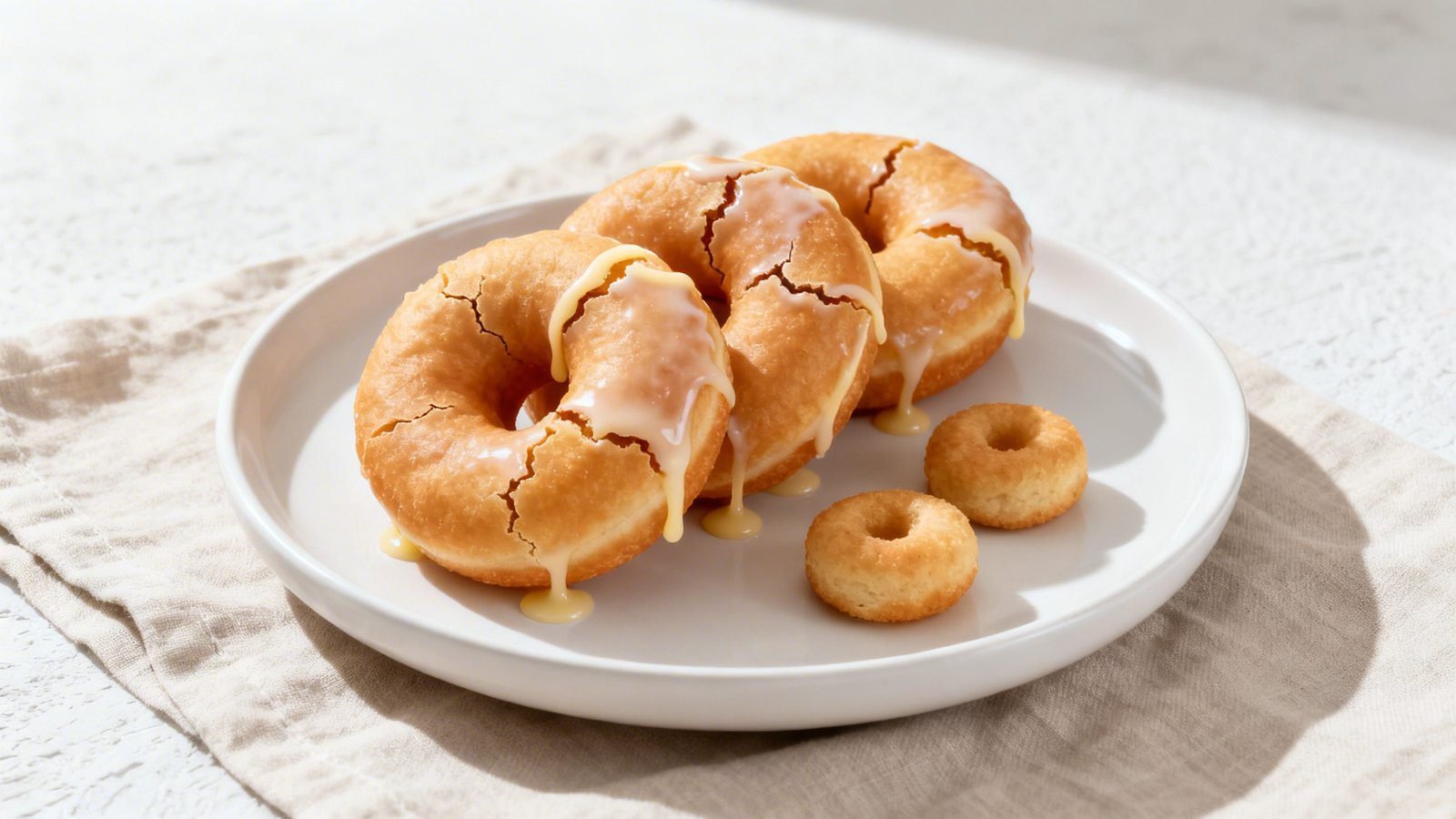
Old Fashioned Buttermilk Donuts with Vanilla Glaze
Classic bakery-style buttermilk cake donuts with craggy edges and a thin vanilla glaze, made by chilling the dough and frying at 350–360°F.
Ingredients
- 2 cups (240 g) cake flour
- 1 cup (120 g) all-purpose flour
- 2 tsp baking powder
- ½ tsp baking soda
- 1 tsp fine sea salt
- ¾ tsp ground nutmeg
- ⅔ cup (135 g) granulated sugar
- 3 Tbsp unsalted butter, melted and cooled
- 2 large eggs, room temperature
- ¾ cup (180 ml) well-shaken buttermilk, cold
- 1 ½ tsp vanilla extract
- Neutral oil for frying (peanut, canola, or vegetable)
- For the Vanilla Glaze: 2 cups (240 g) powdered sugar, sifted
- For the Vanilla Glaze: 3–4 Tbsp milk
- For the Vanilla Glaze: 1 tsp vanilla extract
- For the Vanilla Glaze: Pinch of salt
Instructions
- Whisk cake flour, all-purpose flour, baking powder, baking soda, salt, and nutmeg in a large bowl.
- In a separate bowl, whisk sugar, melted butter, eggs, buttermilk, and vanilla until smooth.
- Pour wet into dry and stir with a spatula just until no dry streaks remain; dough will be soft and slightly sticky.
- Cover and chill the dough for 30–45 minutes to firm and promote the signature cracked top.
- Lightly flour the counter, turn out the dough, and gently pat to ½-inch thickness; avoid overworking.
- Cut donuts with a 3-inch cutter (and 1-inch cutter for holes), dipping the cutter in flour between cuts; gently press scraps together and cut again without kneading.
- Heat 2–3 inches of neutral oil in a heavy pot to 350–360°F (177–182°C), maintaining temperature.
- Fry 2–3 donuts at a time for 1 ½–2 minutes per side until deep golden with ruffled edges; fry holes about 1 minute total, turning once.
- Transfer to a wire rack over a sheet pan to drain; cool 5 minutes before glazing.
- For the glaze, whisk powdered sugar, 3 Tbsp milk, vanilla, and a pinch of salt until smooth and pourable, adding milk by the teaspoon if needed.
- Dip warm donuts halfway into the glaze, let excess drip, and return to the rack; allow 10–15 minutes for the glaze to set.