Homemade Rough Puff Pastry Dough | Flaky Pastry From Scratch
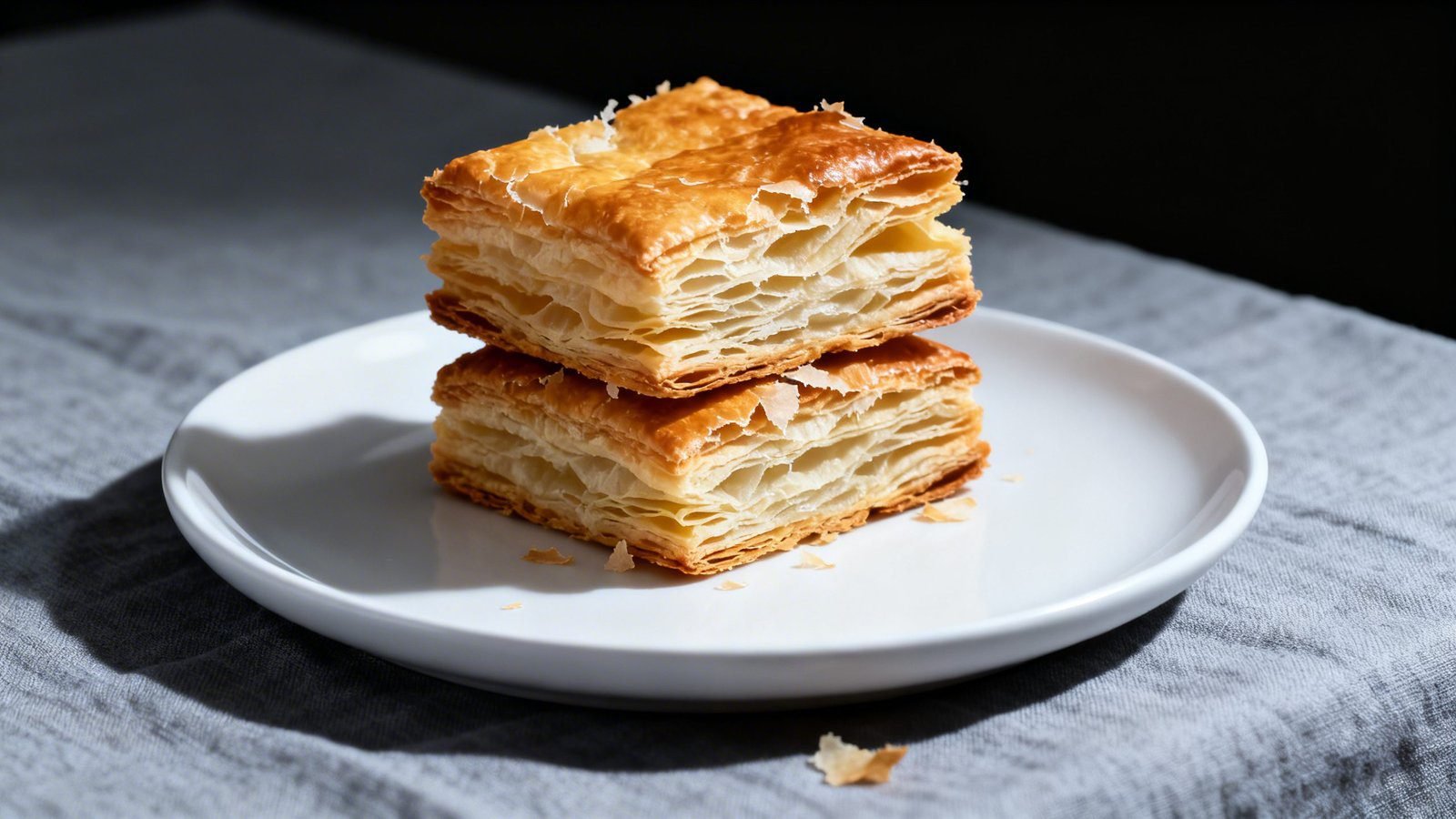
Meet your new baking superpower: rough puff pastry. It delivers buttery, flaky layers that shatter beautifully—without the half-day commitment of classic puff pastry. If you’ve ever wanted bakery-style results with a simpler method, this is your golden ticket. No fancy tools, no laminating marathon—just cold butter, a light touch, and a few strategic folds.
I’ll walk you through every step, share tricks to keep those layers sky-high, and help you avoid the most common pitfalls. Once you nail this dough, you can turn it into tarts, turnovers, savory pies, palmiers, and more. Let’s make flaky magic from scratch.
Why This Rough Puff Pastry Works
Rough puff hits the sweet spot between ease and wow-factor. Here’s why the method delivers consistent flakes:
- Cold butter equals steam power: Distinct chunks of chilled butter create steam pockets in the oven, which puff the dough into layers.
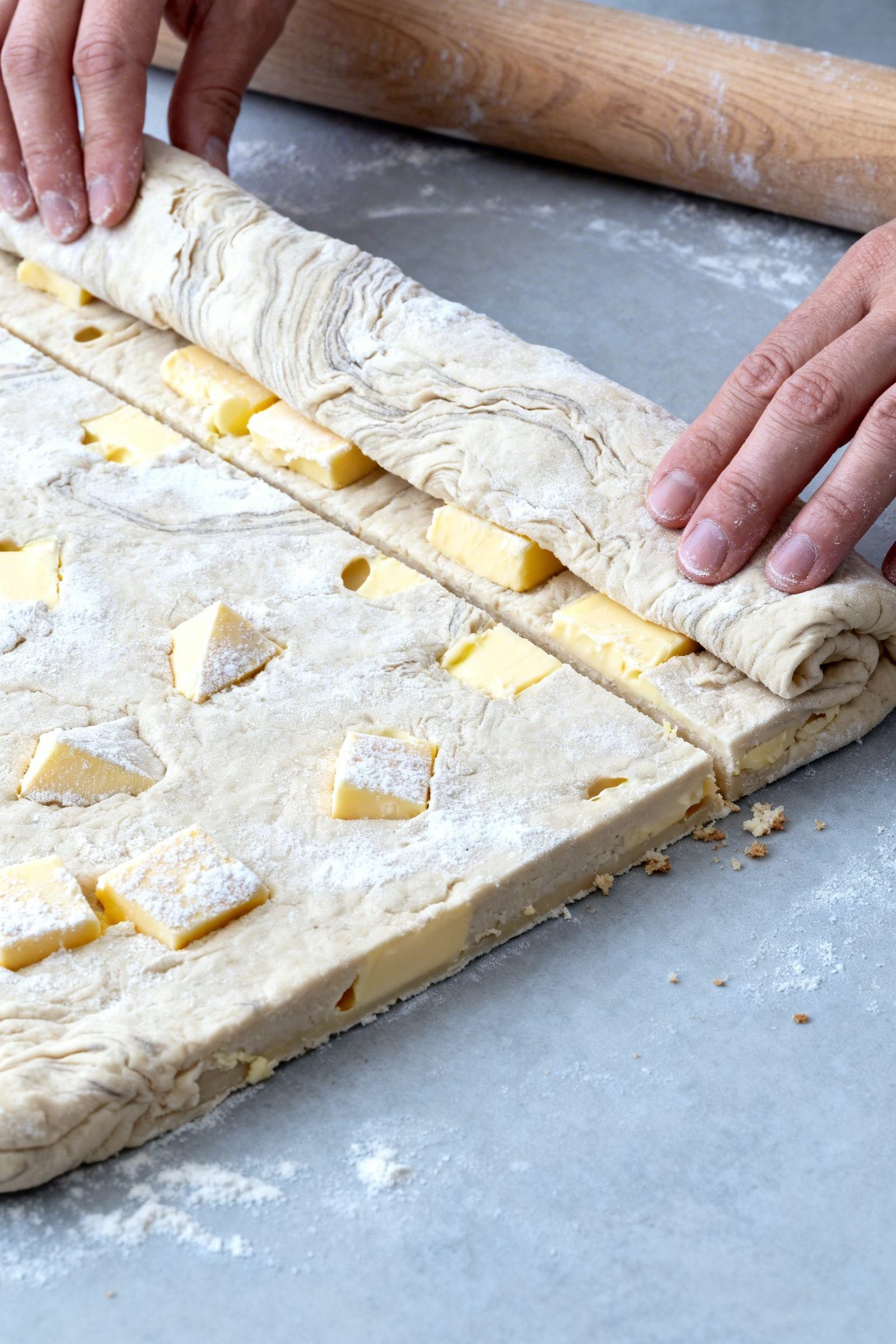
- Quick folds build structure: Simple “letter” folds stack fat and dough, which mimics traditional lamination in a fraction of the time.
- Low hydration keeps it crisp: A modest splash of water binds the flour just enough without turning the dough tough.
- Acid helps tenderness: A touch of lemon juice or vinegar weakens gluten slightly and keeps the dough workable.
- Resting prevents shrinkage: Chilling relaxes gluten and keeps those layers sharp and defined.
Ingredients
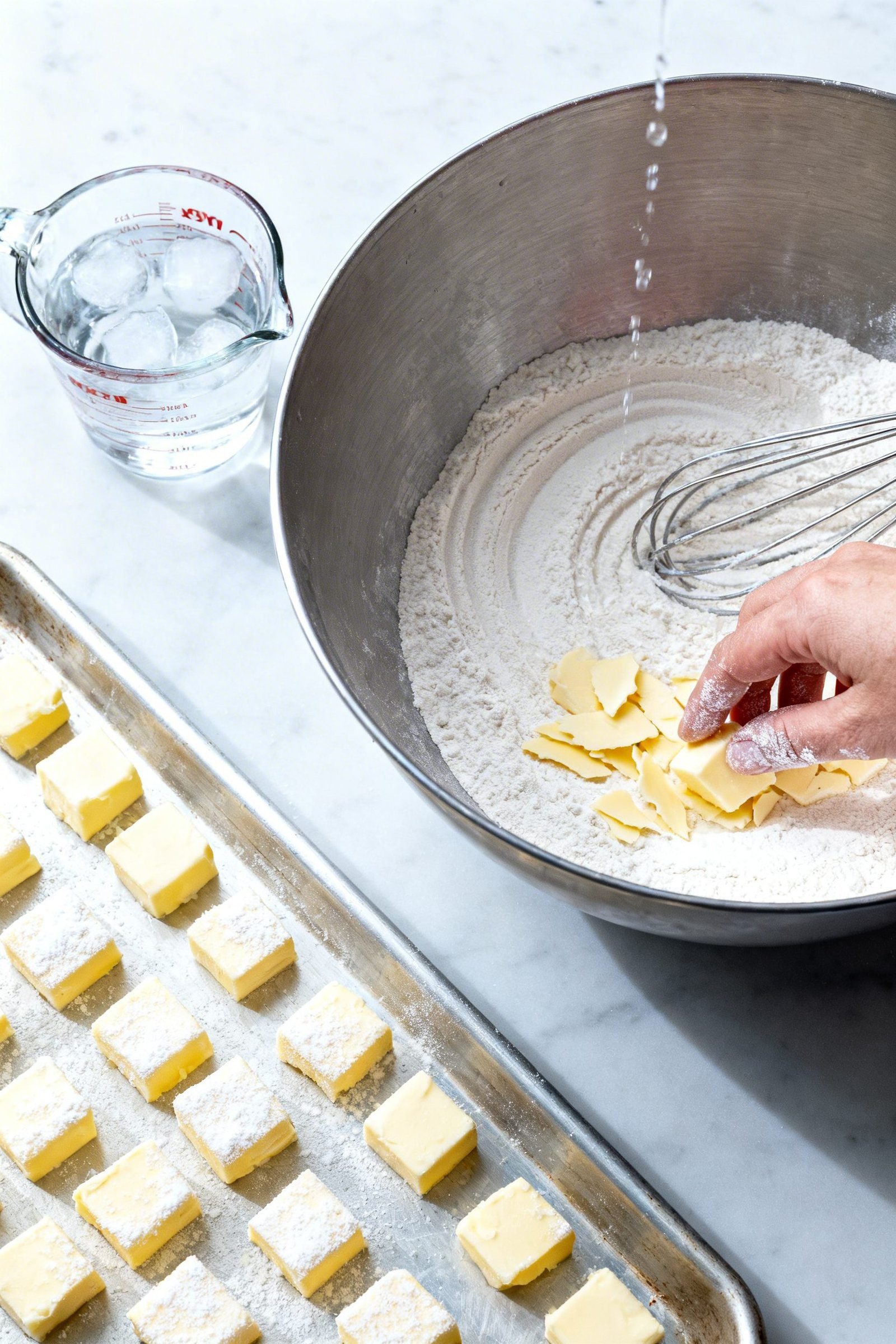
- All-purpose flour: Reliable protein level for sturdy-yet-tender layers. You can sub half with pastry flour for extra delicacy.
- Unsalted butter (very cold): Use high-quality butter with higher fat for the best flavor and puff. Cube it and chill or briefly freeze.
- Cold water: Ice-cold to keep the butter from melting while you mix.
- Salt: Enhances flavor and balances richness.
- Lemon juice or white vinegar (optional but helpful): A small splash improves tenderness and workability.
Pro tip: Chill the flour and even your bowl for 10 minutes if your kitchen runs warm. Cold tools help preserve butter chunks.
How to Make Rough Puff Pastry Step by Step
1) Prep the butter and dry mix
- Cut 1 cup (225 g) cold unsalted butter into 1/2-inch cubes. Chill while you prep.
- In a large bowl, whisk 2 cups (250 g) all-purpose flour with 1 teaspoon fine salt.
2) Coat the butter
- Toss the cold butter cubes into the flour until each piece gets coated.
- Use your fingertips to flatten some cubes into rough “flakes.” Keep many pieces chunky. Visible butter equals flaky layers.
3) Add liquid and bring together
- Stir together 1/2 cup (120 ml) ice-cold water with 1 teaspoon lemon juice or vinegar.
- Drizzle in about 6 tablespoons water mixture to start, tossing with a fork. Add more a tablespoon at a time until the dough holds when squeezed. It should look shaggy with pea-to-walnut-sized butter pieces.
- Press the dough together gently. Do not knead. If it crumbles, add a teaspoon more water.
4) Shape and chill
- Turn the shaggy dough onto a lightly floured surface and press it into a rough rectangle about 1 inch thick.
- Wrap and chill for 20–30 minutes. Cold dough rolls cleanly and layers won’t smear.
5) First roll and fold (letter fold)
- On a floured surface, roll the dough into a long rectangle about 6 x 16 inches.
- Fold the top third down, then the bottom third up—like folding a letter.
- Rotate 90 degrees. This rotation matters because it stacks layers in alternating directions.
6) Repeat folds
- Roll out again to 6 x 16 inches and repeat the letter fold.
- Chill 15–20 minutes if the butter softens or streaks. Soft butter smears and reduces lift.
- Do a total of 4 letter folds, chilling as needed. Mark each fold with a fingertip dent so you don’t lose count.
7) Final rest and use
- Wrap tightly and chill at least 45 minutes (or up to 2 days) before shaping and baking.
- For most recipes, roll to 1/8–1/4 inch thick. Pierce lightly with a fork if you want less puff (for tarts), or leave intact for maximum rise.
Baking guidelines:
- Oven temp: 400–425°F (200–220°C) for best lift and browning.
- Chill shaped items: 10–15 minutes before baking to lock in definition.
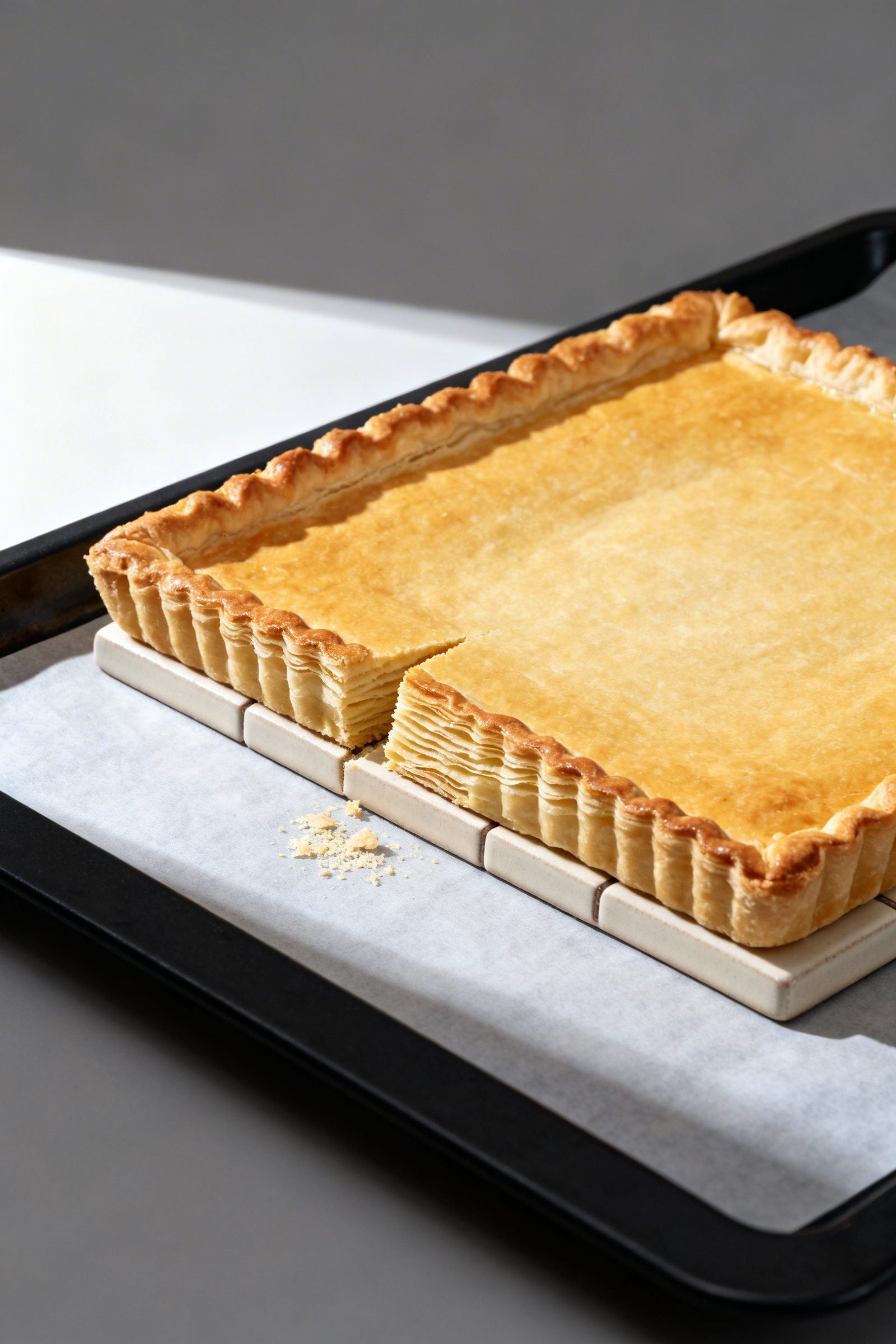
- Don’t underbake: Color equals flavor and structure. Aim for deep golden brown.
How to Store Your Rough Puff Pastry
- Chilled, unbaked dough: Wrap tightly and refrigerate up to 48 hours.
- Freeze for later: Double-wrap and freeze up to 2 months. Thaw overnight in the fridge before rolling.
- Shaped, unbaked pieces: Freeze on a sheet until firm, then bag. Bake from frozen, adding a couple extra minutes.
- Baked pastries: Keep at room temp in an airtight container for 1–2 days, or freeze up to 1 month. Recrisp in a 350°F (175°C) oven for 5–8 minutes.
Benefits of Making Rough Puff at Home
- Real butter flavor: You control ingredients and skip additives found in many store-bought sheets.
- Faster than classic puff: Get dramatic layers in about an hour of hands-on time, not half a day.
- Versatility: Sweet or savory, breakfast or dessert—one batch covers countless bakes.
- Freezer-friendly: Stash portions for quick tarts, pot pies, or hand pies.
- Confidence boost: Watching homemade layers rise feels incredibly satisfying.
What Not to Do
- Don’t let the butter warm up: If it smears, stop and chill. Warm butter ruins distinct layers.
- Don’t overhydrate: Too much water makes a tough, dense pastry. Add just enough to hold together.
- Don’t knead like bread: Overworking develops gluten and reduces flakiness.
- Don’t skip rests: Resting prevents shrinkage and tearing while rolling.
- Don’t skimp on oven heat: A hot oven activates steam quickly and sets structure.
Variations You Can Try
- Cheesy rough puff: Fold in 1/2 cup finely grated Parmesan between folds 2 and 3 for savory bakes.
- Herb-scented: Add 1–2 teaspoons finely chopped thyme, rosemary, or chives to the flour.
- Whole-grain twist: Swap 1/3 of the flour with white whole wheat or spelt. Add an extra teaspoon or two of water if needed.
- Spiced sweet bakes: Whisk 1–2 tablespoons sugar with a pinch of cinnamon into the flour for turnovers or palmiers.
- Brown butter boost: Chill browned butter until firm, then cube and proceed. Expect deeper, nutty flavor and slightly more tenderness.
FAQ
Can I make rough puff in a food processor?
Yes, but use short pulses and stop early. Leave visible butter chunks. Dump into a bowl and finish by hand to avoid overmixing.
My dough cracks when I roll it. What should I do?
Let it rest 5–10 minutes so the gluten relaxes. Lightly mist with water or dust with flour as needed. Small surface cracks are fine; deep splits mean it’s too cold or too dry.
Why didn’t my pastry puff?
- Butter melted early: Dough got warm; chill more often.
- Oven too cool: Preheat longer or raise the temp.
- Overworked dough: Too much handling developed gluten.
Can I use salted butter?
Yes. Reduce added salt slightly and taste your savory fillings before seasoning.
What thickness should I roll to?
For pies and savory tarts, 1/4 inch. For palmiers, cheese straws, or vol-au-vents, 1/8 inch for maximum lift and crispness.
Do I need to dock the dough?
Dock for flat fruit tarts or galettes to control puff. Skip docking if you want tall layers, like for vol-au-vents or turnovers.
Can I do more than four folds?
Stop at four for distinct layers. Extra folds risk butter smearing and a bready texture.
Conclusion
Rough puff pastry gives you bakery-level flakes with a friendly, weeknight-ready method. Keep everything cold, fold with intention, and rest the dough when it resists. You’ll pull golden, shattery layers from the oven and wonder why you ever bought the boxed stuff. Make a double batch, freeze one for later, and let your future self celebrate with effortless tarts, pies, and pastries.
Homemade Rough Puff Pastry Dough
A quick, flaky rough puff pastry made with cold butter, simple letter folds, and strategic chilling for bakery-style layers.
Ingredients
- 2 cups (250 g) all-purpose flour
- 1 teaspoon fine salt
- 1 cup (225 g) unsalted butter, very cold, cut into ½-inch cubes
- ½ cup (120 ml) ice-cold water (you may not use all of it)
- 1 teaspoon lemon juice or white vinegar
Instructions
- Chill butter cubes; in a large bowl whisk flour and salt.
- Toss cold butter cubes in the flour to coat; flatten some pieces into flakes while keeping many chunks visible.
- Mix water with lemon juice or vinegar; drizzle about 6 tablespoons over the flour-butter mixture, tossing with a fork. Add more a tablespoon at a time until the dough holds when squeezed and looks shaggy with pea-to-walnut-sized butter pieces. Press together gently without kneading.
- Turn dough onto a lightly floured surface and press into a rough 1-inch-thick rectangle. Wrap and chill 20–30 minutes.
- Roll into a 6 x 16-inch rectangle. Fold in thirds like a letter, then rotate 90 degrees.
- Repeat rolling and letter folding, chilling 15–20 minutes if butter softens. Complete a total of 4 letter folds.
- Wrap tightly and chill at least 45 minutes (up to 2 days) before using. For most bakes, roll to ⅛–¼ inch thick; dock if less puff is desired.