Moist Rich Butter Cake From Scratch
Meet your new go-to butter cake: rich, moist, and wildly satisfying, with a tight, velvety crumb that slices clean and melts on the tongue. This is the kind of simple, classic cake that lets real butter shine—no fancy tricks, just solid technique and great flavor.
You’ll make it with pantry staples and a mixer, and you’ll love how the batter comes together smooth and glossy. Bake it for birthdays, holidays, or any night that needs something sweet. Serve it plain, dusted with sugar, or with berries and cream. It’s timeless for a reason.
Why This Moist Butter Cake Recipe Works
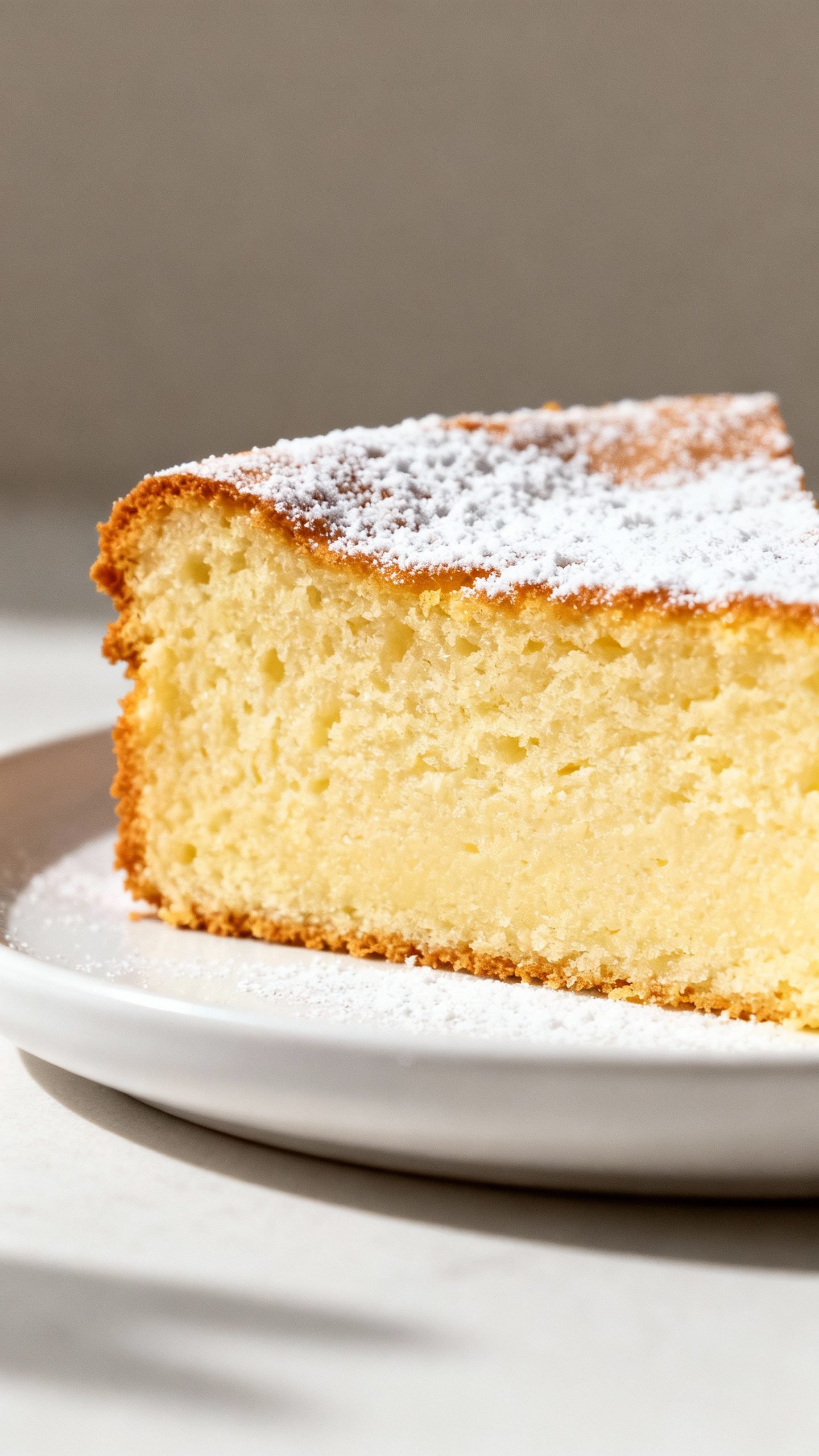
- High butter-to-flour ratio: Butter carries flavor and tenderness. The right balance keeps the crumb moist, not greasy.
- Creaming method for lift: Beating butter and sugar introduces air, which creates a fine, even crumb and a gentle rise.
- Room-temperature ingredients: Soft butter, eggs, and dairy blend smoothly and trap air for a better texture.
- Buttermilk for moisture and flavor: A little acidity tenderizes the cake and adds subtle tang.
- Precise mixing: Short mixing after adding flour prevents gluten from toughening the cake.
- Low-and-slow bake: Moderate heat sets the crumb evenly and avoids doming or dryness.
Ingredients
For the cake
- 1 cup (226 g) unsalted butter, softened – the star of the show
- 1 1/4 cups (250 g) granulated sugar – sweetness and structure
- 4 large eggs, room temperature – richness and stability
- 2 cups (240 g) cake flour – low protein for a tender crumb
- 1 1/2 tsp baking powder – gentle lift
- 1/2 tsp fine sea salt – balances sweetness
- 1/2 cup (120 ml) buttermilk, room temperature – moisture and tang
- 2 tsp pure vanilla extract – warm, classic flavor
Optional finish
- Powdered sugar – for dusting
- Warm simple syrup – brush on for extra moisture and shine
How to Make This Moist Butter Cake
1) Prep and set up
- Bring everything to room temp: Butter should indent easily; eggs and buttermilk should not feel cold.
- Preheat oven to 325°F (165°C): Lower heat encourages even baking.
- Grease and line: Butter a 9-inch round cake pan (at least 2 inches deep), line the bottom with parchment, and lightly flour the sides.
2) Cream butter and sugar
- Beat butter on medium speed for 1 minute until smooth.
- Add sugar and beat 3–4 minutes, scraping bowl, until pale and fluffy. Look for lighter color and increased volume.
3) Add eggs and flavor
- Beat in vanilla.
- Add eggs one at a time, mixing 20–30 seconds between additions until fully incorporated. The mixture should look creamy, not curdled.
4) Mix dry and wet
- Whisk together cake flour, baking powder, and salt.
- Stir buttermilk to loosen.
- With mixer on low, add half the dry ingredients.
- Add all the buttermilk.
- Add the remaining dry ingredients and mix just until no flour streaks remain. Stop as soon as it’s combined.
5) Bake
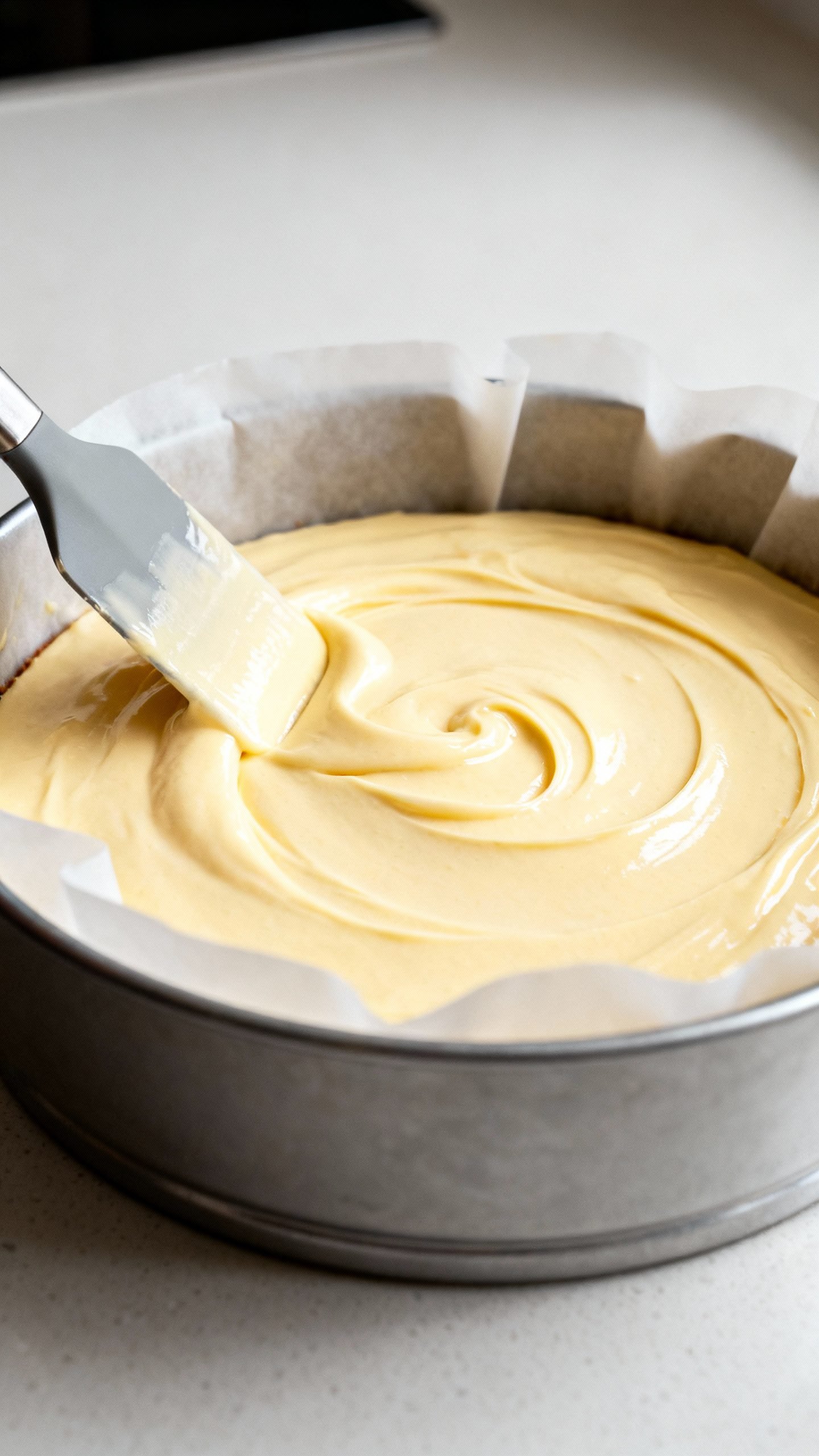
- Spread batter into the pan and smooth the top. Tap the pan gently on the counter to release big air bubbles.
- Bake 40–50 minutes, rotating once. The cake is done when a toothpick comes out with a few moist crumbs and the top springs back.
6) Cool and finish
- Cool in the pan for 10 minutes.
- Turn out onto a rack, peel off parchment, and cool completely.
- Dust with powdered sugar or brush with warm simple syrup for extra moisture.
Pro tips for guaranteed moisture
- Weigh your flour: Too much flour dries the cake. If using cups, spoon and level gently.
- Don’t rush the creaming step: Proper aeration sets the texture up for success.
- Stop mixing after flour disappears: Overmixing tightens the crumb.
- Use light-colored metal pans: Dark pans brown the edges faster.
- Check early: Ovens vary; start checking at 38 minutes.
How to Store This Butter Cake
- Room temperature: Wrap tightly or store in an airtight container for 2–3 days. Keep away from heat and sunlight.
- Refrigerator: Wrap well and refrigerate up to 5 days. Bring slices to room temp before serving for best texture.
- Freezer: Wrap the whole cake or individual slices in plastic and then foil. Freeze up to 2 months. Thaw wrapped at room temp to prevent condensation.
- Make-ahead: Bake the day before, cool completely, wrap in plastic, and finish with powdered sugar right before serving.
Benefits of Baking This Butter Cake
- Ultra-versatile: Serve plain, glazed, or layered with fruit and cream.
- Simple pantry ingredients: No fancy equipment or obscure items needed.
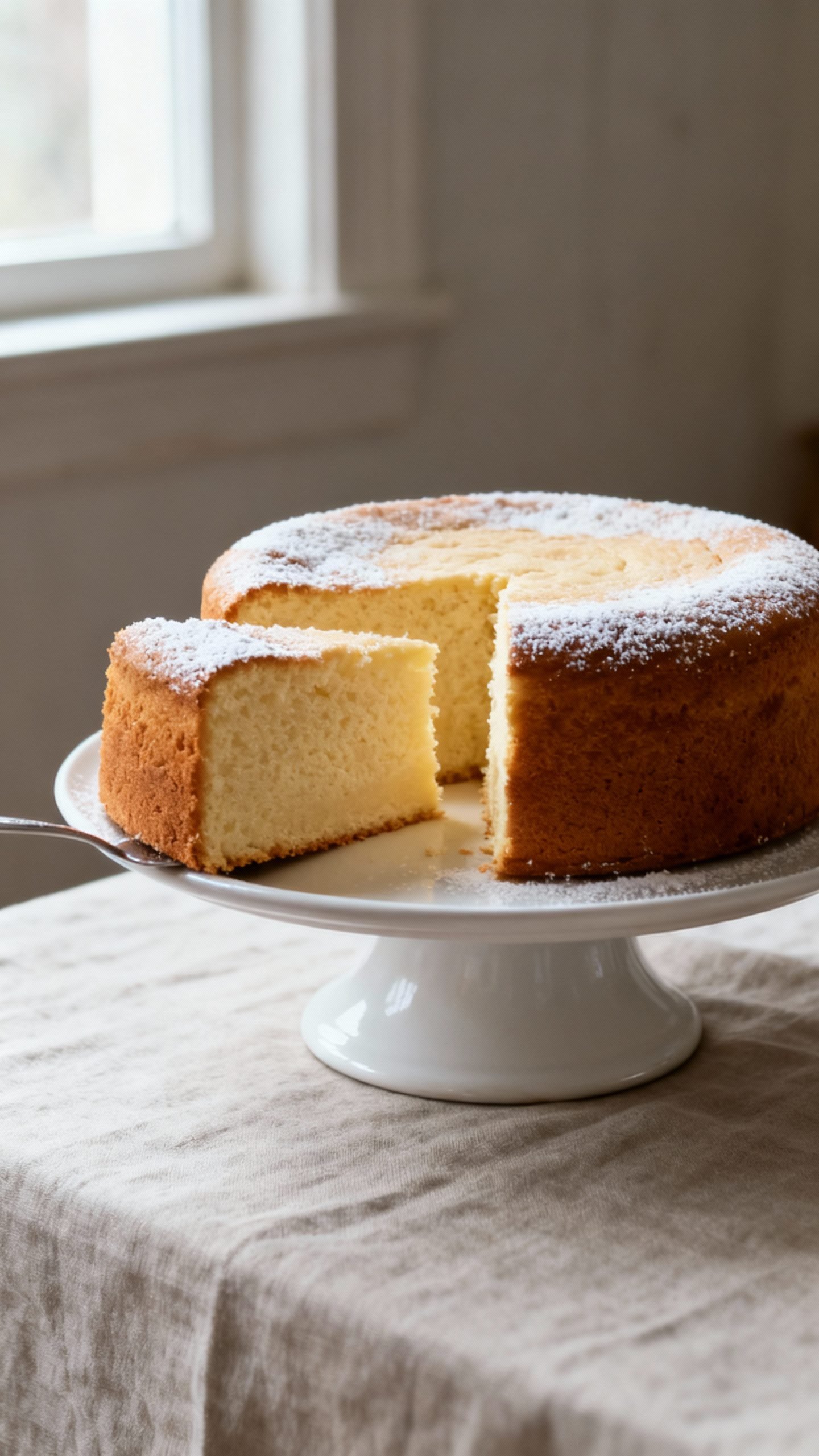
- Reliable texture: Tight crumb means neat slices that don’t crumble.
- Perfect base for decorating: Sturdy enough for frostings and fillings.
- Classic flavor everyone loves: Butter and vanilla never go out of style.
What Not to Do
- Do not use cold butter or eggs: Cold ingredients won’t emulsify and the crumb turns dense.
- Do not overpack flour: Scooping compacts flour and dries the cake.
- Do not overmix after adding flour: Gluten development makes the cake tough.
- Do not crank the oven hotter: High heat domes the cake and dries the edges.
- Do not slice while hot: Steam escapes and dries the interior.
Variations You Can Try
- Lemon butter cake: Add 1 tbsp lemon zest and swap 2 tbsp buttermilk for fresh lemon juice. Glaze with lemon syrup.
- Browned butter version: Brown the butter, chill until solid but soft, then proceed. Expect nutty depth and a slightly darker crumb.
- Almond twist: Replace 1 tsp vanilla with 1 tsp almond extract and sprinkle sliced almonds on top before baking.
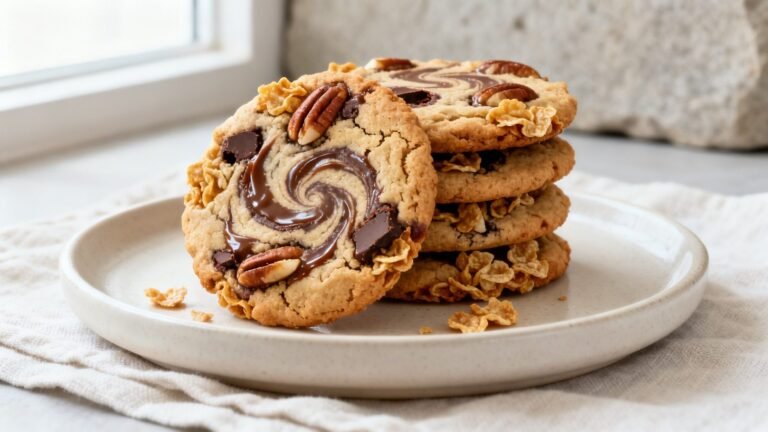
- Marble cake: Fold 2 tbsp cocoa powder mixed with 2 tbsp buttermilk into 1/3 of the batter and swirl.
- Vanilla bean upgrade: Use seeds from 1 vanilla bean for intense aroma.
- Syrup-soaked: Simmer equal parts sugar and water, add vanilla, and brush onto the warm cake for extra moisture.
FAQ
Can I use all-purpose flour instead of cake flour?
Yes, but expect a slightly tighter crumb. For a closer texture, measure 2 cups all-purpose flour, remove 2 tbsp, and add 2 tbsp cornstarch. Sift well.
What if I don’t have buttermilk?
Stir 1/2 cup milk with 1 1/2 tsp lemon juice or white vinegar. Let sit 5 minutes. The flavor differs slightly, but the cake still turns out moist.
Why did my cake sink?
Common causes: underbaked center, overbeaten batter after adding flour, or an oven that runs cool. Use an oven thermometer and bake until the center springs back.
Can I bake this in a loaf or bundt pan?
Yes. For a loaf (8.5×4.5-inch), bake 55–65 minutes. For a 10-cup bundt, bake 45–55 minutes. Grease every nook and test early.
How do I get a flat top?
Use baking strips around the pan or reduce the oven to 320°F and extend the bake a few minutes. Smooth batter well and avoid overfilling the pan.
How do I scale the recipe?
Double for two 9-inch rounds or a 9×13-inch pan. Halve for an 8-inch round. Adjust baking times and test doneness often.
Conclusion
This moist, rich butter cake proves that simple ingredients make the best desserts when you treat them right. Cream the butter and sugar patiently, mix gently, and bake with care—you’ll pull a golden, tender beauty from the oven every time. Serve it plain tonight, then try a lemon glaze or almond twist next time. Once you master this base, you’ll keep finding new excuses to bake it again.
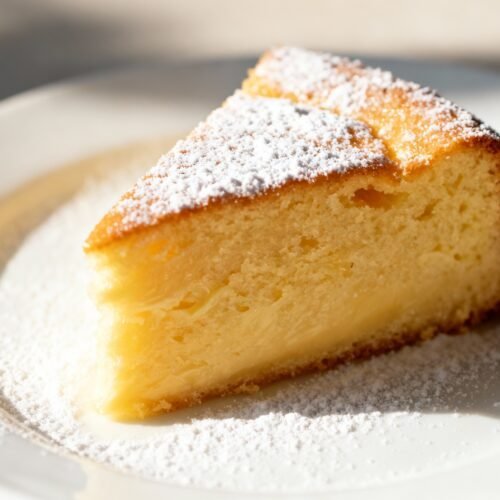
Moist Rich Butter Cake From Scratch
Ingredients
Ingredients
Instructions
Instructions
- Bring everything to room temp: Butter should indent easily; eggs and buttermilk should not feel cold.
- Preheat oven to 325°F (165°C): Lower heat encourages even baking.
- Grease and line: Butter a 9-inch round cake pan (at least 2 inches deep), line the bottom with parchment, and lightly flour the sides.
- Beat butter on medium speed for 1 minute until smooth.
- Add sugar and beat 3–4 minutes, scraping bowl, until pale and fluffy. Look for lighter color and increased volume.
- Beat in vanilla.
- Add eggs one at a time, mixing 20–30 seconds between additions until fully incorporated. The mixture should look creamy, not curdled.
- Whisk together cake flour, baking powder, and salt.
- Stir buttermilk to loosen.
- With mixer on low, add half the dry ingredients.
- Add all the buttermilk.
- Add the remaining dry ingredients and mix just until no flour streaks remain. Stop as soon as it’s combined.
- Spread batter into the pan and smooth the top. Tap the pan gently on the counter to release big air bubbles.
- Bake 40–50 minutes, rotating once. The cake is done when a toothpick comes out with a few moist crumbs and the top springs back.
- Cool in the pan for 10 minutes.
- Turn out onto a rack, peel off parchment, and cool completely.
- Dust with powdered sugar or brush with warm simple syrup for extra moisture.
- Weigh your flour: Too much flour dries the cake. If using cups, spoon and level gently.
- Don’t rush the creaming step: Proper aeration sets the texture up for success.
- Stop mixing after flour disappears: Overmixing tightens the crumb.
- Use light-colored metal pans: Dark pans brown the edges faster.
- Check early: Ovens vary; start checking at 38 minutes.