Traditional Pemmican Recipe – A Time-Tested Energy Food
Pemmican is one of those foods with a story. It’s simple, sturdy, and designed to last—born out of necessity and perfected by Indigenous peoples of North America long before refrigeration. If you’ve ever wanted a compact, high-energy food for long trips or emergency preparedness, this is the real deal.
It’s lean meat, dried and ground, mixed with rendered fat and sometimes berries. The result is a nutrient-dense bar that keeps well and fuels you for hours.
Why This Recipe Works
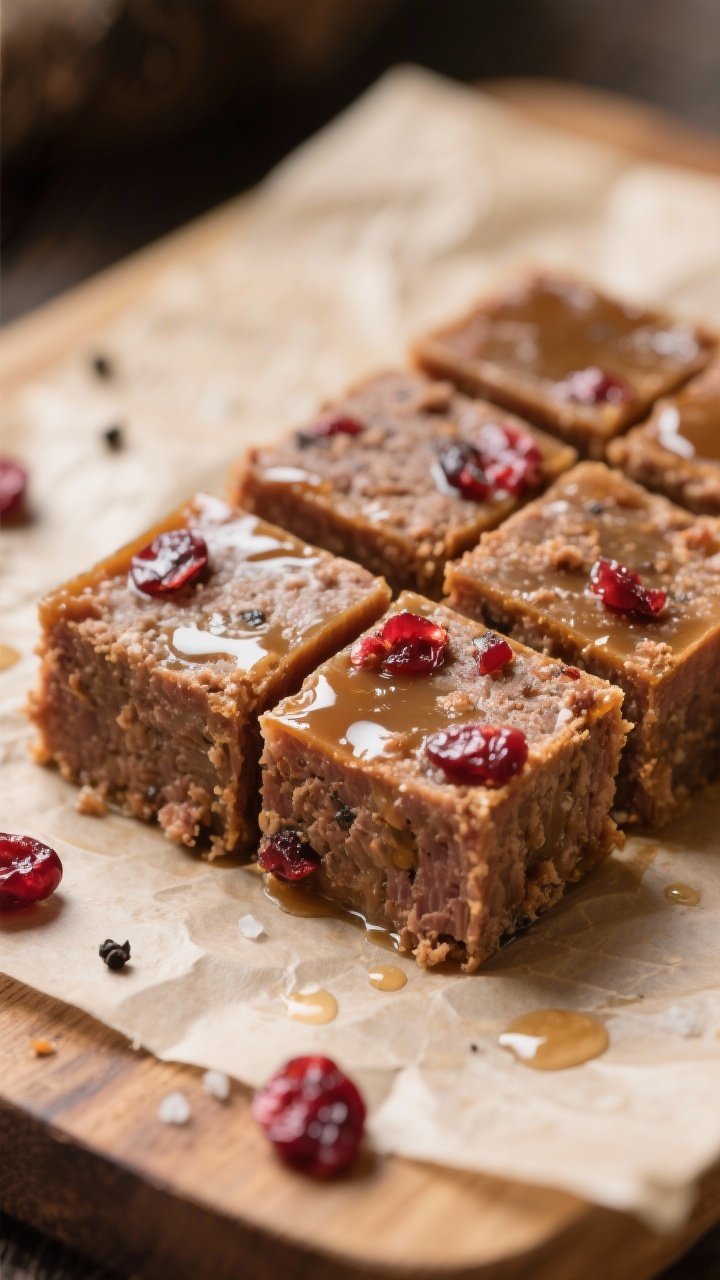
Pemmican relies on a smart balance: lean protein for structure and fat for energy and preservation. The drying process removes moisture, preventing spoilage and concentrating flavor.
The rendered fat seals the ground meat, keeping air out and extending shelf life. If you add dried berries, you get a touch of acidity and natural sweetness that also contributes antioxidants. The method is simple, but the proportions and technique make it last.
Shopping List
- Lean red meat (traditionally bison, but beef or venison works), about 2–3 pounds
- Beef tallow or suet (to render into fat), about 1–1.5 pounds
- Dried berries (optional, traditional choices include chokecherries or cranberries), 1–2 cups
- Salt (optional, for seasoning and light preservation)
- Black pepper (optional)
- Equipment: sharp knife, baking sheets or dehydrator, grinder or food processor, saucepan for rendering fat, mixing bowl, parchment paper, storage containers
Step-by-Step Instructions
- Choose and trim the meat. Pick very lean meat—fat in the meat can cause spoilage later.
Trim off all visible fat and sinew. Slice into thin strips, about 1/8–1/4 inch thick, which helps it dry evenly.
- Dry the meat slowly. Use a dehydrator at 145–160°F (63–71°C) or an oven at its lowest setting with the door slightly cracked. Dry until the meat is hard, crisp, and snaps when bent.
This can take 6–12 hours depending on thickness and method.
- Cool and grind the dried meat. Let the dried strips cool fully. Then grind them to a coarse powder using a food processor, grinder, or mortar and pestle. Aim for a gravelly, fibrous texture rather than a fine dust.
- Render the fat. Chop suet or fat into small pieces.
Warm it gently in a saucepan over low heat until the clear liquid fat separates from the solids. Strain through a fine mesh to remove cracklings. You’ll use the clear rendered fat (tallow).
- Dry the berries (if using). If you’re using fresh berries, dry them completely first.
If using store-bought dried berries, make sure they’re fully dehydrated with no moisture. Chop larger berries into small pieces.
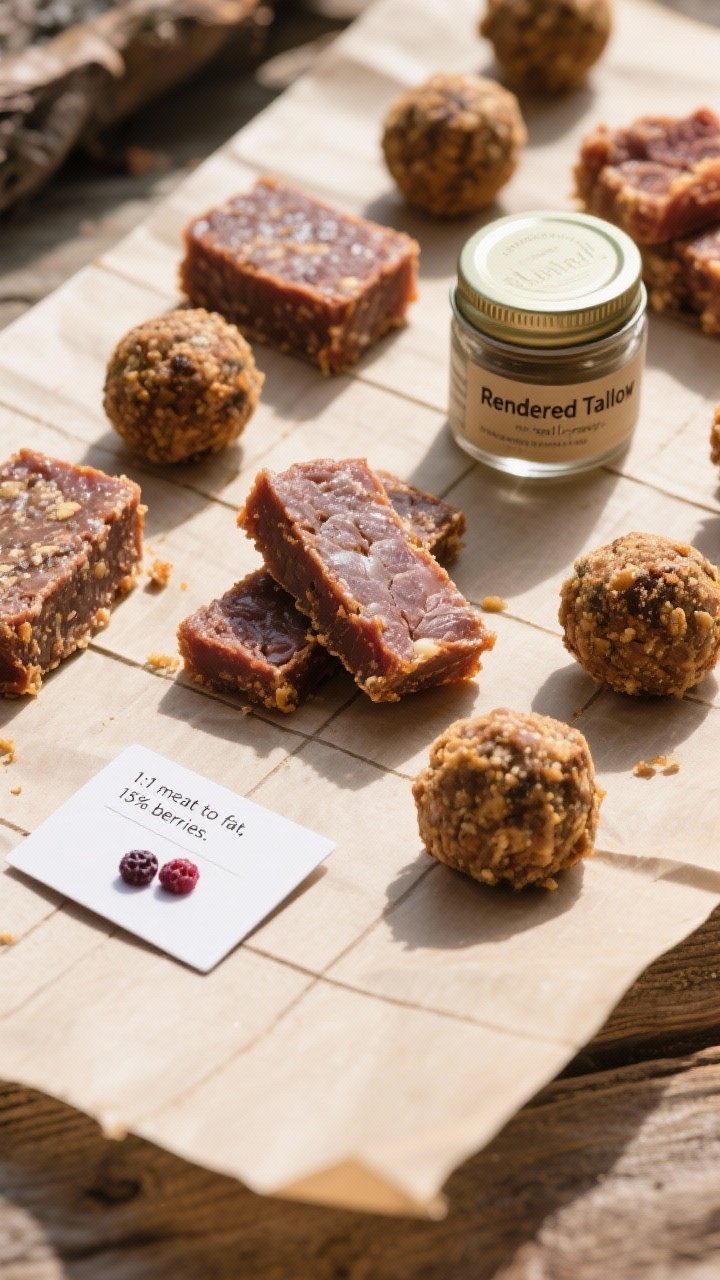
- Measure your ratio. A classic starting ratio is about 1:1 by weight of ground dried meat to rendered fat. If adding berries, use about 10–20% of the meat weight.
Adjust fat for desired firmness—more fat makes it richer and softer; less fat makes it leaner and firmer.
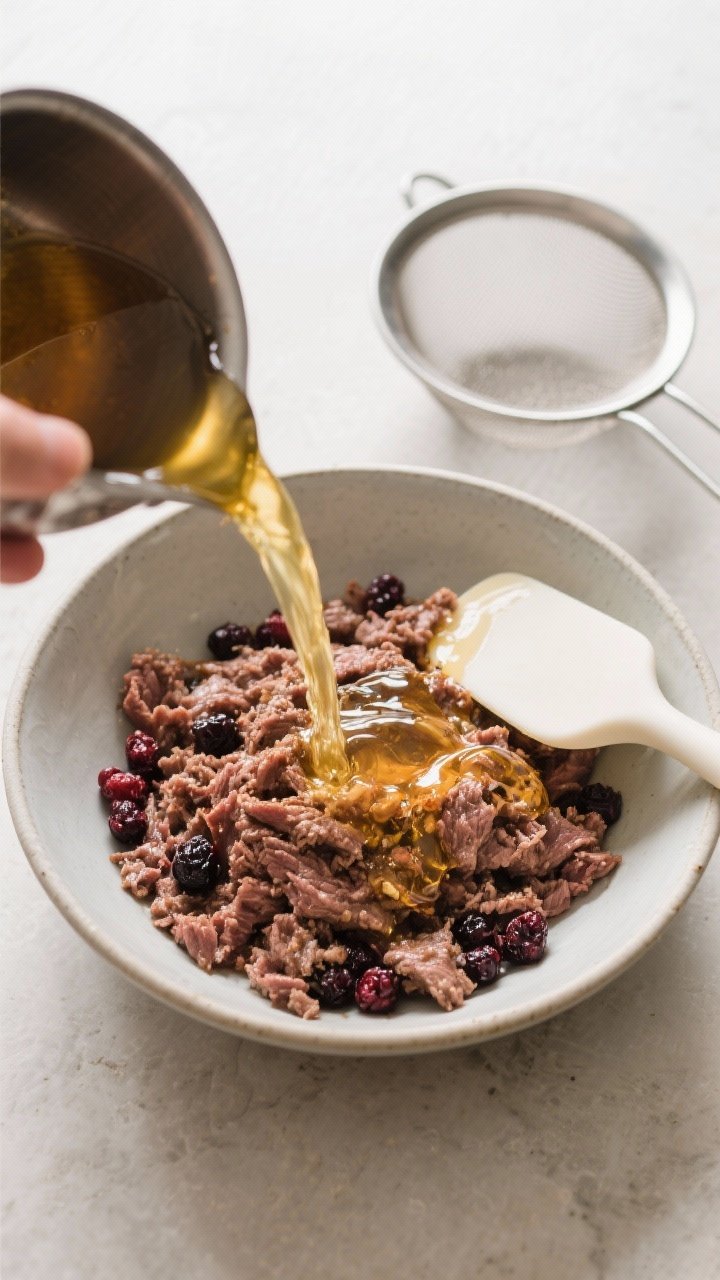
- Combine while warm. In a bowl, mix the ground meat and berries. Pour in warm (not smoking hot) tallow. Stir thoroughly so every bit is coated.
The mixture should be cohesive, not greasy pools and not crumbly.
- Season lightly (optional). A pinch of salt and a little black pepper are optional. Traditional pemmican didn’t rely on heavy seasoning, but a tiny bit can enhance flavor.
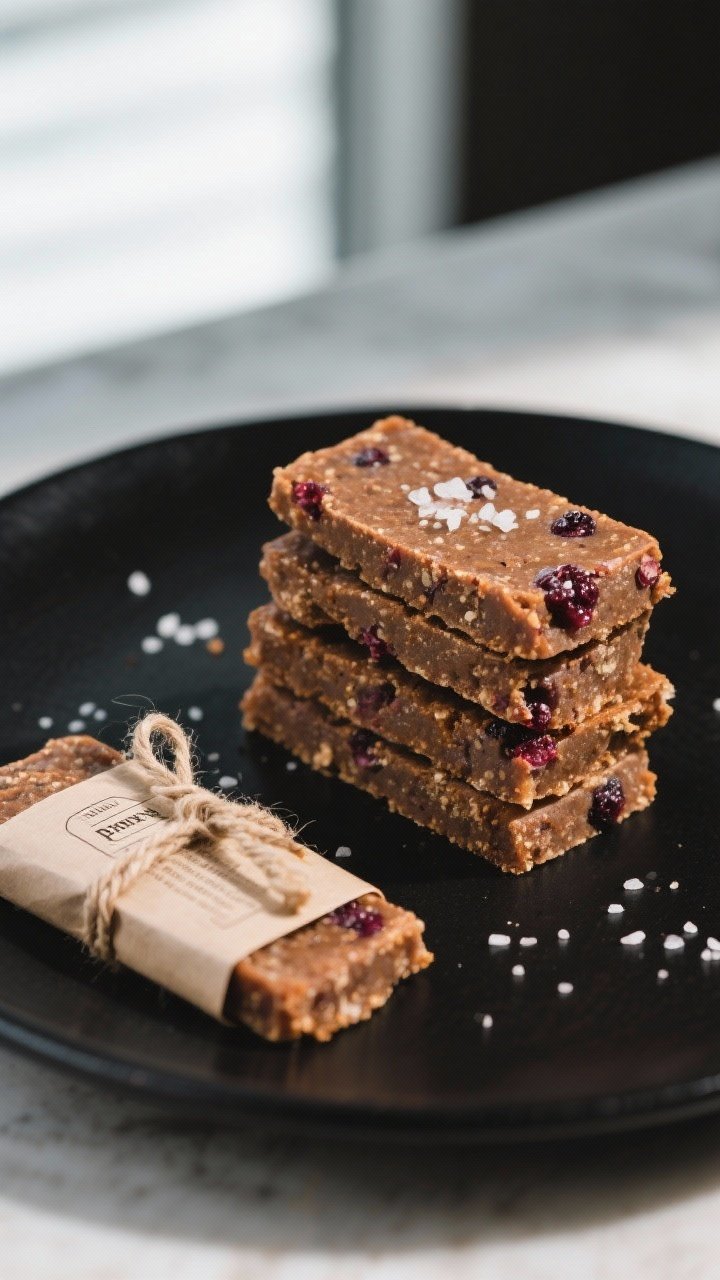
- Shape for storage. Press the mixture into a parchment-lined pan to about 1/2–3/4 inch thick, or form compact bars or balls by hand. Press firmly to remove air pockets.
- Set and cool. Let the pemmican set at room temperature until firm.
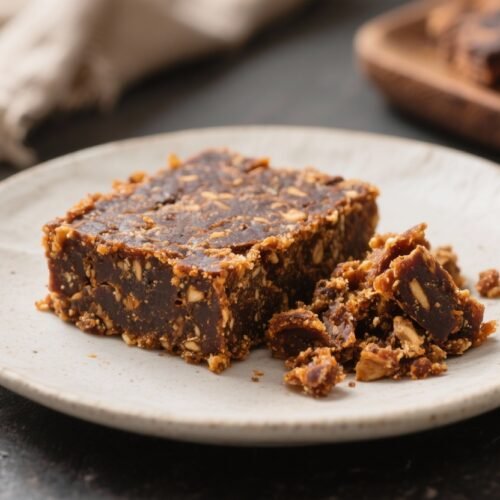
The fat will solidify and bind the mixture. Once firm, cut into bars or squares.
- Package properly. Wrap tightly in parchment or wax paper, then place in an airtight container or vacuum-seal if available. Label with date and ingredients.
How to Store
- Cool, dark, and dry. Store pemmican in a pantry away from heat and sunlight.
Stable room temps are fine for short-term storage.
- Refrigeration extends life. In the fridge, well-wrapped pemmican can last several months. The colder and drier the environment, the longer it keeps.
- Freeze for long-term. For a year or more, freeze tightly wrapped portions. Thaw in the fridge to avoid condensation.
- Watch for spoilage signs. If you notice off smells, visible mold, or a soapy/rancid taste, discard.
Proper drying and rendering prevent this, but always check.
Why This is Good for You
- High energy density. The fat provides steady, long-lasting fuel, ideal for hiking, cold weather, and busy days when meals are uncertain.
- Complete protein. Dried lean meat delivers essential amino acids for muscle repair and satiety.
- Minimal additives. Traditional pemmican is just meat, fat, and sometimes berries. No fillers or refined sugars.
- Micronutrients. Red meat offers iron, zinc, B vitamins, and berries add antioxidants and vitamin C (depending on type).
What Not to Do
- Don’t use fatty cuts of meat. Any residual meat fat can go rancid and shorten shelf life.
- Don’t skip full dehydration. Moisture is the enemy. Meat must be fully dry—think crispy, not chewy.
- Don’t overheat the fat. Smoking or scorching tallow gives a burnt flavor and may degrade the fat.
- Don’t add fresh fruit. Only fully dried berries belong in pemmican.
Fresh fruit introduces moisture and mold risk.
- Don’t store loosely. Air exposure speeds oxidation. Wrap and seal well.
Recipe Variations
- Classic Savory Pemmican: Meat and tallow with a pinch of salt and pepper. Dense, simple, and long-lasting.
- Berry Pemmican: Add dried cranberries, blueberries, or chokecherries (10–20% of meat weight).
Slightly tangy and more snackable.
- Venison or Bison: Swap beef for game meats for a deeper flavor and historical authenticity.
- Herb-Infused Tallow: Gently warm tallow with bay leaf or juniper, then strain before mixing. Subtle aromatic twist without moisture.
- Pressed Bars vs. Balls: Bars stack neatly for travel; balls are convenient for quick bites on the trail.
- Lean-and-Firm Version: Use a slightly lower fat ratio (about 3:4 fat to meat by weight) for a firmer, less rich texture.
FAQ
What’s the best meat to use?
Lean red meat is best.
Bison and venison are traditional, but lean beef (round or sirloin tip) works well. Trim every bit of fat before drying.
Do I have to use berries?
No. Berries are optional.
They add flavor and antioxidants, but plain pemmican (meat and fat only) keeps longest and is very traditional.
How long does pemmican last?
Properly made and stored, it can last several months at room temperature and longer in cool storage. Frozen, it can hold for a year or more. Always check for off smells or mold.
Can I make it without special equipment?
Yes.
An oven set to low can dry the meat, and a sharp knife and sturdy bowl get you most of the way. A food processor helps, but you can crush dried meat by hand with patience.
Is it safe to eat raw?
The meat is fully dried, not raw. The drying process removes moisture and makes it shelf-stable.
You can eat pemmican as-is, or warm it gently if you prefer.
How do I eat pemmican?
Cut a small piece and eat it like an energy bar. You can also melt a chunk into hot water or broth to make a quick, rich soup on the trail.
What ratio of meat to fat is best?
A 1:1 ratio by weight is a solid baseline. Adjust slightly to taste and climate: more fat for cold-weather energy and softer texture, less fat for warmer storage and a firmer bite.
Can I season it more?
Lightly, yes.
Avoid moist seasonings or fresh herbs. Small amounts of salt, pepper, or dry ground spices are fine, but keep it simple to preserve shelf life.
Why grind the dried meat?
Grinding increases surface area so the fat coats everything evenly. This improves texture, flavor, and preservation.
Can I use store-bought tallow?
Yes.
Good-quality rendered beef tallow saves time and works well. Warm it gently before mixing with the meat and berries.
In Conclusion
Traditional pemmican is practical, hearty, and surprisingly satisfying. It blends lean meat and fat into a compact, reliable food you can take anywhere.
With careful drying, clean tallow, and solid wrapping, it keeps well and tastes honest and simple. Whether you’re prepping for a trek, stocking an emergency kit, or exploring heritage cooking, this recipe delivers real nourishment without fuss.
Traditional Pemmican Recipe - A Time-Tested Energy Food
Ingredients
- Lean red meat (traditionally bison, but beef or venison works), about 2–3 pounds
- Beef tallow or suet (to render into fat), about 1–1.5 pounds
- Dried berries (optional, traditional choices include chokecherries or cranberries), 1–2 cups
- Salt (optional, for seasoning and light preservation)
- Black pepper (optional)
- Equipment: sharp knife, baking sheets or dehydrator, grinder or food processor, saucepan for rendering fat, mixing bowl, parchment paper, storage containers
Instructions
- Choose and trim the meat. Pick very lean meat—fat in the meat can cause spoilage later.Trim off all visible fat and sinew. Slice into thin strips, about 1/8–1/4 inch thick, which helps it dry evenly.
- Dry the meat slowly. Use a dehydrator at 145–160°F (63–71°C) or an oven at its lowest setting with the door slightly cracked. Dry until the meat is hard, crisp, and snaps when bent.This can take 6–12 hours depending on thickness and method.
- Cool and grind the dried meat. Let the dried strips cool fully. Then grind them to a coarse powder using a food processor, grinder, or mortar and pestle. Aim for a gravelly, fibrous texture rather than a fine dust.
- Render the fat. Chop suet or fat into small pieces.Warm it gently in a saucepan over low heat until the clear liquid fat separates from the solids. Strain through a fine mesh to remove cracklings. You’ll use the clear rendered fat (tallow).
- Dry the berries (if using). If you’re using fresh berries, dry them completely first.If using store-bought dried berries, make sure they’re fully dehydrated with no moisture. Chop larger berries into small pieces.
- Measure your ratio. A classic starting ratio is about 1:1 by weight of ground dried meat to rendered fat. If adding berries, use about 10–20% of the meat weight.Adjust fat for desired firmness—more fat makes it richer and softer; less fat makes it leaner and firmer.
- Combine while warm. In a bowl, mix the ground meat and berries. Pour in warm (not smoking hot) tallow. Stir thoroughly so every bit is coated.The mixture should be cohesive, not greasy pools and not crumbly.
- Season lightly (optional). A pinch of salt and a little black pepper are optional. Traditional pemmican didn’t rely on heavy seasoning, but a tiny bit can enhance flavor.
- Shape for storage. Press the mixture into a parchment-lined pan to about 1/2–3/4 inch thick, or form compact bars or balls by hand. Press firmly to remove air pockets.
- Set and cool. Let the pemmican set at room temperature until firm.The fat will solidify and bind the mixture. Once firm, cut into bars or squares.
- Package properly. Wrap tightly in parchment or wax paper, then place in an airtight container or vacuum-seal if available. Label with date and ingredients.