Zesty Thai Lime Garlic Fish – Bright, Fresh, and Weeknight-Friendly
This is the kind of dinner that wakes up your taste buds. Zesty Thai Lime Garlic Fish brings big flavor with simple ingredients and minimal effort. The sauce is fresh, tangy, and fragrant—thanks to lime juice, garlic, fish sauce, and a touch of chili.
You’ll get a perfectly tender piece of fish with a punchy, balanced glaze. It feels restaurant-worthy, but it’s easy enough for a busy weeknight.
What Makes This Recipe So Good
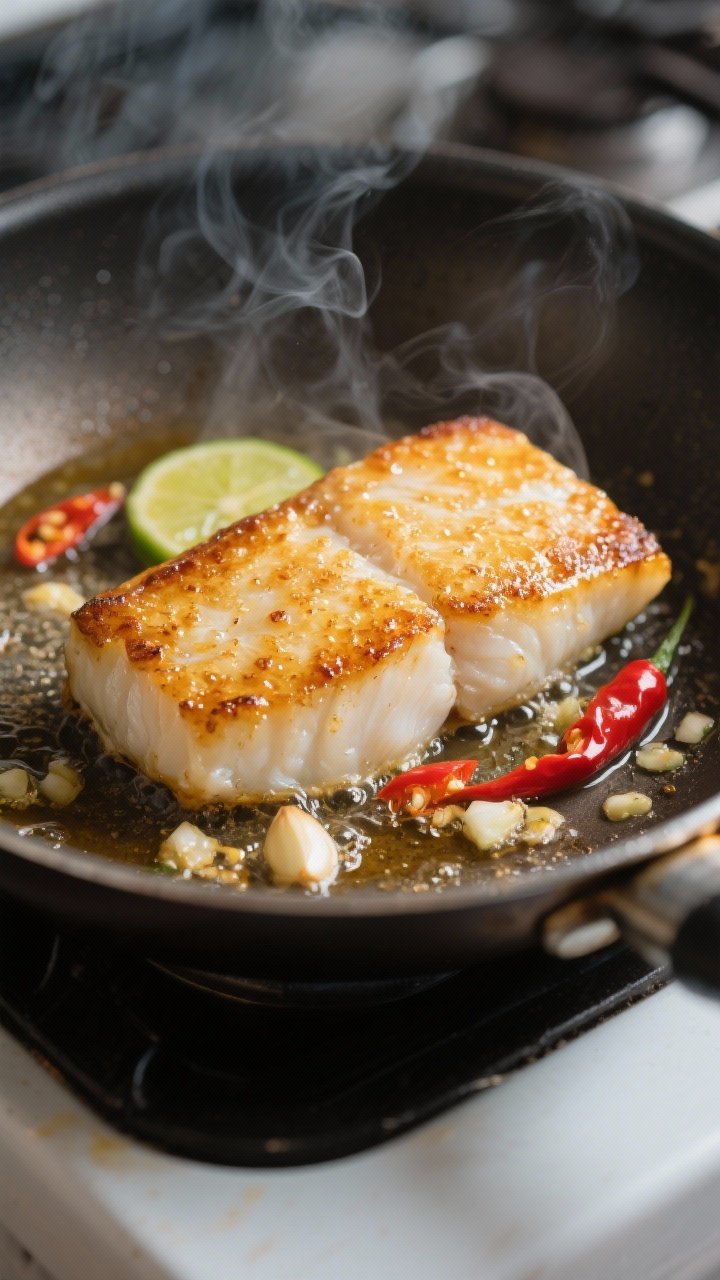
- Fresh, clean flavors: Lime, garlic, and herbs keep the dish bright without feeling heavy.
- Fast cook time: Most white fish fillets cook in under 10 minutes, so dinner is on the table fast.
- Balanced sauce: Sweet, sour, salty, and a hint of heat—a classic Thai-style flavor profile.
- Flexible: Works with cod, tilapia, snapper, halibut, or even salmon. You can pan-sear, bake, or grill.
- Light but satisfying: It’s a flavorful main dish that pairs easily with rice, noodles, or a crisp salad.
Shopping List
- Fish: 4 white fish fillets (cod, tilapia, snapper, or halibut), about 5–6 oz each
- Limes: 3 limes (zest of 1, juice of 2–3 for about 1/3 cup)
- Garlic: 4–5 cloves, finely minced
- Fish sauce: 2–3 tablespoons
- Brown sugar or palm sugar: 1–2 tablespoons
- Fresh chilies or chili flakes: 1–2 Thai chilies, thinly sliced, or 1/2 teaspoon chili flakes
- Neutral oil: 1–2 tablespoons (canola, avocado, or grapeseed)
- Fresh herbs: Handful of cilantro and/or Thai basil
- Green onions: 2, sliced
- Ginger (optional): 1 teaspoon finely grated
- Salt and black pepper: To season the fish
- Optional sides: Steamed jasmine rice, rice noodles, cucumber slices, or sautéed greens
How to Make It
- Prep the fish: Pat the fillets dry with paper towels.
Season both sides lightly with salt and black pepper. Dry fish sears better and helps the sauce cling.
- Mix the sauce: In a small bowl, combine lime juice, lime zest, fish sauce, brown sugar, minced garlic, and chilies. Stir until the sugar dissolves.
Taste and adjust—add more lime for brightness, sugar for balance, or fish sauce for saltiness.
- Heat the pan: Set a large nonstick or stainless skillet over medium-high heat. Add oil and let it shimmer. A hot pan helps the fish brown without sticking.
- Sear the fish: Place the fillets in the pan.
Cook 2–4 minutes per side depending on thickness, until the fish is mostly opaque and flakes easily. If using a delicate fish like tilapia, flip gently with a thin spatula.
- Glaze with the sauce: Lower the heat to medium. Pour the sauce around the fish, not directly on top.
Let it bubble for 30–60 seconds, spooning it over the fillets as it thickens slightly. Don’t boil too long or it can turn bitter.
- Finish with herbs: Turn off the heat. Scatter cilantro, Thai basil, and green onions over the fish.
The residual heat will wake up the herbs without wilting them too much.
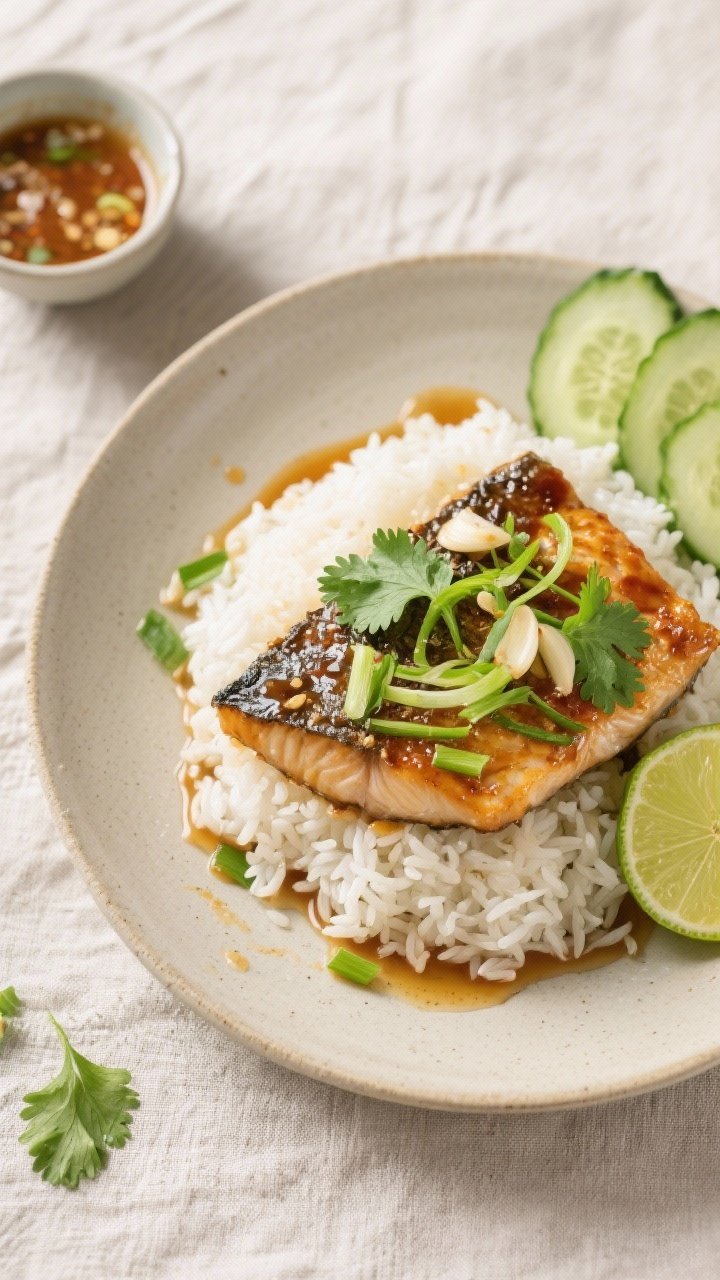
- Serve: Plate the fish over jasmine rice or rice noodles. Spoon extra sauce from the pan over the top. Add cucumber slices or a simple side of sautéed greens for freshness.
Keeping It Fresh
- Short storage: Cooked fish is best eaten right away.
If needed, store leftovers in an airtight container in the fridge for up to 2 days.
- Reheating: Warm gently in a covered skillet over low heat with a splash of water or lime juice. Avoid the microwave if possible—it can dry out the fish.
- Make-ahead sauce: The lime-garlic sauce can be mixed up to 2 days ahead. Keep it refrigerated and add fresh herbs at the end.
- Freeze the fish raw, not cooked, for best texture.
Thaw overnight in the fridge before cooking.
Health Benefits
- Lean protein: White fish is high in protein and low in saturated fat, supporting muscle repair and satiety.
- Omega-3s: If you use salmon or snapper, you’ll get more heart-healthy omega-3 fatty acids.
- Light, flavorful sauce: The sauce relies on citrus, garlic, and herbs instead of heavy creams or butter.
- Antioxidants: Garlic, chilies, and herbs bring antioxidants and anti-inflammatory compounds.
- Lower sodium control: You can moderate fish sauce and add more lime to keep sodium in check.
Pitfalls to Watch Out For
- Overcooking: Fish turns dry and tough quickly. Remove from heat as soon as it flakes easily.
- Too much heat on the sauce: Boiling lime juice hard can make it bitter. Simmer gently at the end.
- Unbalanced flavors: Taste the sauce before it hits the pan.
Adjust acidity, salt, and sweetness so it’s bright but balanced.
- Sticking to the pan: Start with a hot, lightly oiled pan and don’t move the fillets too early. They’ll release when seared.
- Watery fish: If the fish releases a lot of moisture, the pan cools and you lose browning. Pat dry thoroughly before cooking.
Variations You Can Try
- Grilled version: Brush fish with oil and grill over medium-high heat.
Warm the sauce separately and spoon over before serving.
- Oven-baked: Bake at 400°F (200°C) for 8–12 minutes depending on thickness. Pour the warmed sauce over the fish at the end.
- Coconut twist: Stir in 2–3 tablespoons of coconut milk at the end for a creamier sauce with gentle sweetness.
- Lemongrass lift: Add 1 tablespoon finely minced lemongrass to the sauce for extra citrusy aroma.
- Low-carb bowl: Serve with cauliflower rice, shredded cabbage, and extra herbs.
- Salmon swap: Use salmon fillets and cook skin-side down first. The richer fish stands up well to the bold sauce.
- Mellow heat: Replace Thai chilies with a mild jalapeño or a pinch of chili flakes for subtle warmth.
FAQ
What fish works best for this recipe?
Most mild white fish—cod, tilapia, snapper, halibut, or sea bass—work beautifully.
Salmon also tastes great with the lime-garlic sauce if you prefer a richer fish.
Can I make it without fish sauce?
Yes. Use soy sauce or tamari plus a splash of anchovy paste if you have it. Or combine soy sauce with a bit of Worcestershire for depth.
It won’t be identical, but it’s still delicious.
How do I know when the fish is done?
The flesh should be opaque and flake easily with a fork. For thicker fillets, an instant-read thermometer should read about 130–135°F (54–57°C) in the center for moist, tender results.
Is it very spicy?
It’s as spicy as you make it. Use one chili for gentle heat, none for a mild sauce, or two for a noticeable kick.
You can also remove the seeds to tone it down.
Can I meal prep this?
You can prep the sauce and chop the herbs ahead. Cook the fish fresh for best texture, then assemble in minutes on the day you plan to eat.
What should I serve with it?
Steamed jasmine rice, rice noodles, or coconut rice are great. Add a crisp side like cucumber salad, steamed broccoli, or sautéed bok choy.
Can I use bottled lime juice?
Fresh lime juice is strongly preferred.
Bottled juice can taste flat or bitter. If you must use it, brighten the sauce with extra lime zest and a pinch more sugar.
Wrapping Up
Zesty Thai Lime Garlic Fish is the weeknight hero you’ll make on repeat. It’s bright, fast, and packed with flavor, yet it uses simple ingredients you can find anywhere.
Once you nail the balance of lime, garlic, sweetness, and salt, the rest is easy. Keep some fish in the freezer, limes on the counter, and dinner practically makes itself.