Tangy Indian Lime Pickle Recipe You’ll Love – Bright, Bold, And Easy
If you love big flavors, this lime pickle will be your new favorite condiment. It’s zesty, salty, a little spicy, and the perfect partner for rice, curries, flatbreads, grilled meats, and even sandwiches. The best part is that it’s easy to make at home and doesn’t need any fancy tools.
A few pantry spices, fresh limes, and a bit of patience are all it takes. Once you make a batch, you’ll wonder how you ever ate without it.
What Makes This Recipe So Good
- Simple ingredients, huge flavor: You only need limes, salt, oil, and a handful of common spices to create a deeply complex taste.
- Naturally preserved: Salt and oil help keep the pickle fresh for weeks, so you can enjoy it again and again.
- Customizable heat: Adjust the chili level to match your taste without losing that signature tang.
- Versatile: A spoonful lifts everything from dal and rice to omelets, wraps, and grain bowls.
- No special equipment: A clean jar, a pan, and a cutting board are all you need.
Ingredients
- 10–12 medium limes (thin-skinned varieties work best)
- 3 tablespoons kosher or sea salt (not iodized)
- 1/2 teaspoon turmeric powder
- 1 tablespoon red chili powder (Kashmiri chili for color and medium heat, or adjust to taste)
- 1 tablespoon mustard seeds (black or brown)
- 1 tablespoon fenugreek seeds (methi)
- 1 teaspoon fennel seeds (optional, for subtle sweetness)
- 1/2 teaspoon asafoetida (hing; optional but great for aroma)
- 1/2 cup neutral oil (mustard oil is traditional; peanut or sunflower also works)
- 2–3 tablespoons sugar or jaggery (optional, to balance bitterness)
- Juice of 1–2 limes (to adjust consistency and tang)
Step-by-Step Instructions
- Prep the limes: Wash and dry the limes thoroughly. Any moisture can cause spoilage.
Cut each lime into small bite-size pieces—either quarters and then crosswise slices, or eighths if the limes are large. Remove visible seeds for a cleaner taste.
- Salt and soften: In a clean bowl, toss lime pieces with salt and turmeric. Transfer to a clean glass jar, cover, and let sit at room temperature for 24–48 hours.
Shake the jar once or twice a day to distribute the salt. This step softens the rinds and starts the curing process.
- Toast whole spices: In a dry pan over low heat, toast mustard, fenugreek, and fennel seeds for 1–2 minutes until fragrant. Don’t let them burn—they should just release aroma.
- Grind the spices: Cool, then grind the toasted seeds to a coarse powder using a spice grinder or mortar and pestle.
A bit of texture is nice.
- Warm the oil and bloom aromatics: Heat the oil gently. If using mustard oil, heat until it just starts to smoke, then cool slightly to mellow its sharpness. Add asafoetida and stir for a few seconds.
- Add spices and chili: Turn off the heat.
Stir in the ground spice mix and red chili powder. Let the mixture cool until warm, not hot.
- Combine with limes: Pour the spiced oil over the salted lime pieces. Add sugar or jaggery if using, plus lime juice to loosen the mixture.
Stir well to coat all pieces evenly.
- Adjust seasoning: Taste carefully. Add more salt for savoriness, chili for heat, or a pinch more sugar for balance. The flavors will deepen over time, so err on the side of slightly bold.
- Cure the pickle: Pack into a clean, dry glass jar.
Press down to remove air pockets. Cover and leave at room temperature for 2–3 days to meld. Shake or stir daily with a clean, dry spoon.
- Store: After curing, refrigerate.
The pickle tastes great on day three and even better after a week. It will keep for several weeks if handled with clean utensils.
Keeping It Fresh
- Use dry tools and jars: Moisture is the enemy. Wash, then fully dry your jars and spoons before use.
- Top with oil: A thin layer of oil on the surface acts like a protective seal.
Add a splash if the pickle looks dry.
- Cool storage: After the initial room-temp cure, keep the jar in the fridge for best longevity and bright flavor.
- Avoid double-dipping: Always use a clean spoon to prevent introducing bacteria or moisture.
Why This is Good for You
- Vitamin C boost: Limes bring antioxidants that support immune health and help with iron absorption.
- Digestive support: Spices like fenugreek, mustard, and asafoetida have long been used to ease digestion and reduce bloating.
- Flavorful portion control: A small spoonful packs enough punch to make simple meals more satisfying, helping you enjoy balanced plates.
- Fermentation-adjacent benefits: While this pickle isn’t fully fermented, the curing process and spices offer a lighter, gut-friendly edge compared to heavy sauces.
Pitfalls to Watch Out For
- Wet limes or jars: Water encourages mold. Dry everything completely.
- Overtoasting spices: Burnt spices taste bitter. Toast gently and watch closely.
- Too much bitterness: Limes vary.
Balance with a bit of sugar or more curing time to mellow the rind.
- Insufficient salt: Salt is both seasoning and preservative. If the pickle tastes flat or spoils quickly, it may need more salt.
- Skipping the daily shake: During the first days, mixing helps distribute salt and oil, preventing dry spots and uneven curing.
Alternatives
- Oil options: Mustard oil gives a classic pungency. For a milder profile, use peanut, canola, or sunflower oil.
- Heat level: Use Kashmiri chili for color and medium spice, or swap in cayenne for a hotter kick.
Smoked paprika adds warmth without much heat.
- Whole spice swaps: Try nigella seeds (kalonji) for a toasty note, or add a few curry leaves when warming the oil for extra aroma.
- Citrus twist: Add a few pieces of lemon or orange peel for complexity. Thin-skinned lemons work well in the same method.
- No sugar version: Skip sweeteners for a sharper, more traditional bite, or use jaggery for a rounder finish.
FAQ
How long does homemade lime pickle last?
With clean handling and refrigeration, it usually lasts 4–6 weeks. Always check for off smells or visible mold.
A fresh layer of oil on top helps extend shelf life.
Can I use unripe limes?
Yes. Slightly unripe, firm limes give a bright tang and hold their shape well. Very hard, underripe limes may need an extra day of salting to soften.
Do I have to use mustard oil?
No.
Mustard oil brings a classic flavor, but neutral oils like peanut, canola, or sunflower work. If using mustard oil, heat it until it just smokes, then cool slightly before adding spices.
My pickle tastes too bitter. What can I do?
Stir in 1–2 teaspoons of sugar or jaggery, and let it rest another day.
Bitterness often mellows with time as the rind softens and the spices bloom.
Can I make this without asafoetida?
Yes. It adds a savory edge, but the pickle is still excellent without it. You can add a pinch of garlic powder for a different aromatic note.
Is this recipe spicy?
It’s moderately spicy as written.
Reduce the chili powder for a milder version or use Kashmiri chili, which gives color with gentler heat.
Do I need to sterilize the jar?
A very clean, well-dried jar is usually enough for this quick-cured pickle. For extra safety, wash in hot soapy water, rinse, dry completely, and let it air-dry before filling.
Can I scale the recipe?
Absolutely. Keep the same ratios and use multiple jars rather than one large jar, which can be harder to keep dry and evenly mixed.
Final Thoughts
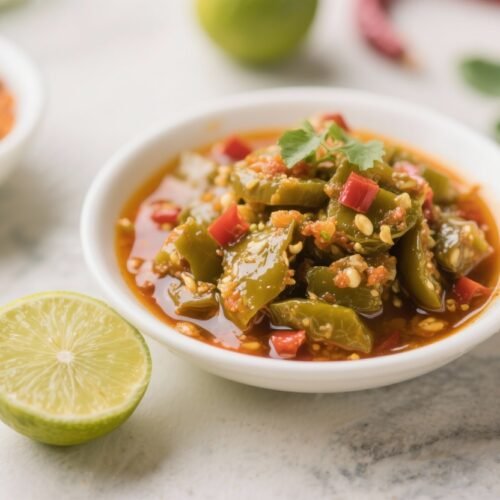
This tangy Indian lime pickle is the kind of kitchen staple that turns simple meals into something special.
It’s bold, bright, and easy to adapt to your taste. Make a small batch, tweak the heat and sweetness, and see how it transforms your plate. A spoonful goes a long way—and once you get the hang of it, you’ll want a jar in your fridge at all times.
Tangy Indian Lime Pickle Recipe You’ll Love - Bright, Bold, And Easy
Ingredients
- 10–12 medium limes (thin-skinned varieties work best)
- 3 tablespoons kosher or sea salt (not iodized)
- ½ teaspoon turmeric powder
- 1 tablespoon red chili powder (Kashmiri chili for color and medium heat, or adjust to taste)
- 1 tablespoon mustard seeds (black or brown)
- 1 tablespoon fenugreek seeds (methi)
- 1 teaspoon fennel seeds (optional, for subtle sweetness)
- ½ teaspoon asafoetida (hing; optional but great for aroma)
- ½ cup neutral oil (mustard oil is traditional; peanut or sunflower also works)
- 2–3 tablespoons sugar or jaggery (optional, to balance bitterness)
- Juice of 1–2 limes (to adjust consistency and tang)
Instructions
- Prep the limes: Wash and dry the limes thoroughly. Any moisture can cause spoilage.Cut each lime into small bite-size pieces—either quarters and then crosswise slices, or eighths if the limes are large. Remove visible seeds for a cleaner taste.
- Salt and soften: In a clean bowl, toss lime pieces with salt and turmeric. Transfer to a clean glass jar, cover, and let sit at room temperature for 24–48 hours.Shake the jar once or twice a day to distribute the salt. This step softens the rinds and starts the curing process.
- Toast whole spices: In a dry pan over low heat, toast mustard, fenugreek, and fennel seeds for 1–2 minutes until fragrant. Don’t let them burn—they should just release aroma.
- Grind the spices: Cool, then grind the toasted seeds to a coarse powder using a spice grinder or mortar and pestle.A bit of texture is nice.
- Warm the oil and bloom aromatics: Heat the oil gently. If using mustard oil, heat until it just starts to smoke, then cool slightly to mellow its sharpness. Add asafoetida and stir for a few seconds.
- Add spices and chili: Turn off the heat.Stir in the ground spice mix and red chili powder. Let the mixture cool until warm, not hot.
- Combine with limes: Pour the spiced oil over the salted lime pieces. Add sugar or jaggery if using, plus lime juice to loosen the mixture.Stir well to coat all pieces evenly.
- Adjust seasoning: Taste carefully. Add more salt for savoriness, chili for heat, or a pinch more sugar for balance. The flavors will deepen over time, so err on the side of slightly bold.
- Cure the pickle: Pack into a clean, dry glass jar.Press down to remove air pockets. Cover and leave at room temperature for 2–3 days to meld. Shake or stir daily with a clean, dry spoon.
- Store: After curing, refrigerate.The pickle tastes great on day three and even better after a week. It will keep for several weeks if handled with clean utensils.