Soft Amish Sweet Bread Recipe – A Tender, Comforting Loaf
Warm, soft, and slightly sweet, this Amish-style bread feels like a hug from the oven. It’s the kind of loaf that makes the whole kitchen smell like a bakery and turns simple slices into something special. You don’t need fancy tools or skills—just a little patience and a few pantry staples.
Spread with butter, serve with soup, or turn leftovers into amazing French toast. If you’ve been looking for a reliable, plush bread recipe, this one delivers.
What Makes This Special

Amish sweet bread is known for its pillowy crumb and gentle sweetness. It’s not as sugary as dessert bread, but it’s richer than basic sandwich bread, making it versatile for sweet or savory pairings.
The dough is enriched with milk, sugar, and butter, which gives it a soft, tender texture and a golden crust. It also rises beautifully, so you get impressive, bakery-style loaves at home. Best of all, it’s forgiving—great for beginners and satisfying for seasoned bakers.
Ingredients
- 2 1/4 teaspoons (1 packet) active dry yeast
- 1 cup warm milk (about 105–110°F)
- 1/3 cup granulated sugar
- 3 tablespoons unsalted butter, melted and slightly cooled
- 1 large egg, at room temperature
- 3 to 3 1/2 cups all-purpose flour (start with 3 cups, add more as needed)
- 1 teaspoon fine salt
- Optional: 1 teaspoon vanilla extract for a more aromatic loaf
- Optional glaze: 1 tablespoon melted butter brushed on top after baking
How to Make It
- Proof the yeast: In a large bowl, whisk the warm milk and sugar.
Sprinkle yeast over the top and let it sit for 5–10 minutes until foamy. If it doesn’t foam, your yeast may be inactive or the milk too hot or cold.
- Mix the wet ingredients: Stir in the melted butter, egg, and vanilla (if using). Whisk until smooth.
- Add dry ingredients: Add 3 cups of flour and the salt.
Stir with a wooden spoon until a shaggy dough forms. If it’s very sticky, add more flour 1–2 tablespoons at a time.
- Knead the dough: Turn the dough onto a lightly floured surface. Knead for 8–10 minutes until smooth, elastic, and slightly tacky but not sticky.
You can also use a stand mixer with a dough hook on medium-low for about 6–8 minutes.
- First rise: Form the dough into a ball and place it in a lightly oiled bowl. Cover with a clean towel or plastic wrap. Let rise in a warm, draft-free spot until doubled, about 60–90 minutes.
- Shape the loaf: Punch down the dough gently to release air.
Roll it into an 8×12-inch rectangle. Tightly roll from the short end into a log. Pinch the seam and tuck the ends under.
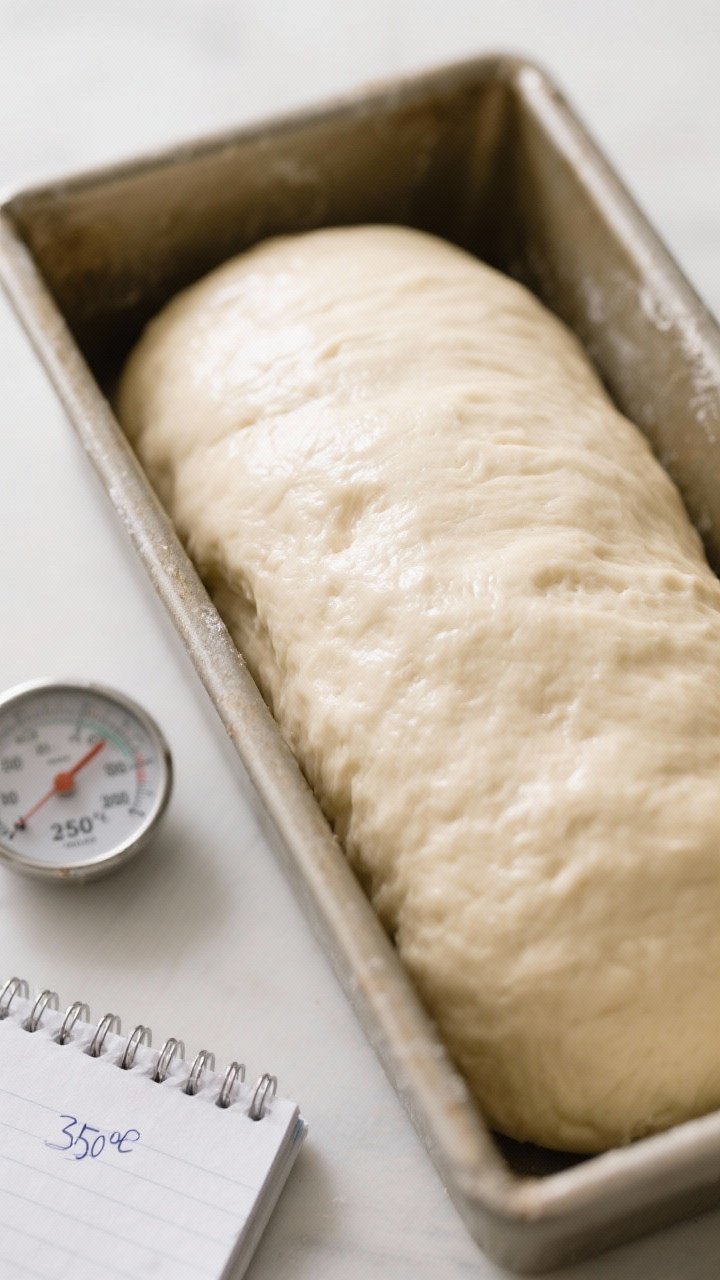
- Second rise: Place the log into a greased 9×5-inch loaf pan, seam side down.
Cover and let rise until the dough crowns about 1 inch above the rim, 45–60 minutes.
- Preheat and bake: Preheat the oven to 350°F (175°C). Bake for 28–35 minutes until the top is deep golden and the loaf sounds hollow when tapped. An instant-read thermometer should read about 190–195°F in the center.
- Finish and cool: Brush the hot loaf with melted butter for a soft, shiny crust.
Cool in the pan for 10 minutes, then transfer to a wire rack to cool completely before slicing.
How to Store
- Room temperature: Wrap tightly in plastic or store in a bread bag. Keeps soft for 3–4 days.
- Freeze: Slice, then wrap in plastic and place in a freezer bag. Freeze up to 3 months.
Toast slices straight from frozen.
- Avoid the fridge: Refrigeration dries out bread. Freeze instead if you need longer storage.
Health Benefits
- Simple, recognizable ingredients: Flour, milk, egg, butter, and sugar—no additives or preservatives.
- Source of energy: Carbs and a little fat make it satisfying, especially for breakfast.
- Protein and minerals: Milk and egg add small amounts of protein, calcium, and B vitamins.
- Portion-friendly: Because it’s rich and soft, a modest slice feels satisfying, helping with mindful eating.
Pitfalls to Watch Out For
- Too hot milk kills yeast: Keep it around 105–110°F. If the yeast doesn’t foam, start over.
- Too much flour: A stiff dough makes dense bread.
Keep it slightly tacky and add flour sparingly.
- Under-kneading: Insufficient gluten development leads to a crumbly loaf. Knead until smooth and elastic.
- Over-proofing: If the dough rises too much, it may collapse or bake with large tunnels. Bake when it’s about 1 inch above the pan.
- Slicing too soon: Cutting hot bread compresses the crumb.
Let it cool at least 45–60 minutes.
Recipe Variations
- Cinnamon Swirl: After the first rise, roll out the dough, brush with 1 tablespoon butter, and sprinkle a mix of 1/3 cup sugar and 2 teaspoons cinnamon. Roll, seam, and bake as directed.
- Honey Sweet Bread: Replace granulated sugar with 1/3 cup honey. Reduce milk by 1–2 tablespoons to balance moisture.
- Milk Options: Use whole milk for the softest crumb.
You can substitute 2% or even oat milk; texture may be slightly less rich.
- Raisin or Cranberry: Knead in 1 cup raisins or dried cranberries after the initial mix. Soak dried fruit in warm water for 10 minutes, then pat dry to prevent dryness.
- Butter-Rich Rolls: Divide into 12 pieces after the first rise, shape into balls, proof on a greased pan, and bake 18–22 minutes.
- Seeded Top: Brush the shaped loaf with milk and sprinkle sesame or poppy seeds before baking.
FAQ
Can I use instant yeast instead of active dry yeast?
Yes. Use the same amount and skip the proofing step.
Mix instant yeast directly with the flour and salt, then add warm milk and the remaining wet ingredients. Rising times may be slightly shorter, so keep an eye on the dough.
Why is my bread dense?
Common reasons include using too much flour, under-kneading, or letting the dough rise in a cool environment for too short a time. Measure flour by weight if possible, and aim for a dough that’s soft and slightly tacky.
Make sure your yeast is active and fresh.
Can I make this without eggs?
Yes. Replace the egg with 3 tablespoons milk or a splash of additional melted butter. The loaf will be slightly less rich but still tender.
What if I don’t have a loaf pan?
Shape the dough into a tight round, place it on a parchment-lined baking sheet, and let it rise until puffy.
Bake at the same temperature for roughly 25–32 minutes. The shape will be more rustic but still delicious.
How do I know when it’s fully baked?
The top should be deep golden, and the loaf should sound hollow when tapped. For precision, use a thermometer: the center should reach 190–195°F.
If the top browns too fast, tent with foil for the last 10 minutes.
Can I reduce the sugar?
Yes. You can cut it to 3 tablespoons for a lightly sweet loaf. Keep at least 1 tablespoon to help with yeast activity and browning.
Is bread flour better than all-purpose?
Bread flour gives a bit more chew and rise due to higher protein.
All-purpose flour works perfectly and keeps the crumb softer. Use whichever you prefer.
In Conclusion
This Soft Amish Sweet Bread Recipe brings classic comfort to your kitchen with simple steps and familiar ingredients. The result is a tender, golden loaf that works for breakfast, snacks, or elegant brunch plates.
Once you bake it, you’ll find plenty of ways to enjoy it—from warm slices with butter to next-day French toast. Keep it simple, be gentle with the dough, and let the yeast do the work. You’ll have a bakery-worthy loaf you’ll want to make again and again.

Soft Amish Sweet Bread Recipe - A Tender, Comforting Loaf
Ingredients
- 2 1/4 teaspoons (1 packet) active dry yeast
- 1 cup warm milk (about 105–110°F)
- ⅓ cup granulated sugar
- 3 tablespoons unsalted butter, melted and slightly cooled
- 1 large egg, at room temperature
- 3 to 3 1/2 cups all-purpose flour (start with 3 cups, add more as needed)
- 1 teaspoon fine salt
- Optional: 1 teaspoon vanilla extract for a more aromatic loaf
- Optional glaze: 1 tablespoon melted butter brushed on top after baking
Instructions
- Proof the yeast: In a large bowl, whisk the warm milk and sugar.Sprinkle yeast over the top and let it sit for 5–10 minutes until foamy. If it doesn’t foam, your yeast may be inactive or the milk too hot or cold.
- Mix the wet ingredients: Stir in the melted butter, egg, and vanilla (if using). Whisk until smooth.
- Add dry ingredients: Add 3 cups of flour and the salt.Stir with a wooden spoon until a shaggy dough forms. If it’s very sticky, add more flour 1–2 tablespoons at a time.
- Knead the dough: Turn the dough onto a lightly floured surface. Knead for 8–10 minutes until smooth, elastic, and slightly tacky but not sticky.You can also use a stand mixer with a dough hook on medium-low for about 6–8 minutes.
- First rise: Form the dough into a ball and place it in a lightly oiled bowl. Cover with a clean towel or plastic wrap. Let rise in a warm, draft-free spot until doubled, about 60–90 minutes.
- Shape the loaf: Punch down the dough gently to release air.Roll it into an 8x12-inch rectangle. Tightly roll from the short end into a log. Pinch the seam and tuck the ends under.
- Second rise: Place the log into a greased 9x5-inch loaf pan, seam side down.Cover and let rise until the dough crowns about 1 inch above the rim, 45–60 minutes.
- Preheat and bake: Preheat the oven to 350°F (175°C). Bake for 28–35 minutes until the top is deep golden and the loaf sounds hollow when tapped. An instant-read thermometer should read about 190–195°F in the center.
- Finish and cool: Brush the hot loaf with melted butter for a soft, shiny crust.Cool in the pan for 10 minutes, then transfer to a wire rack to cool completely before slicing.