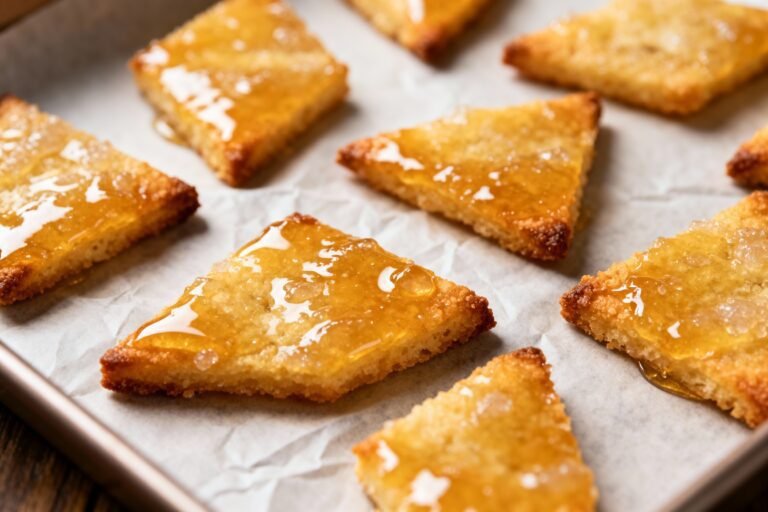
Kheer er Luchi Recipe | Traditional Bengali Dessert with Creamy Indian Kheer
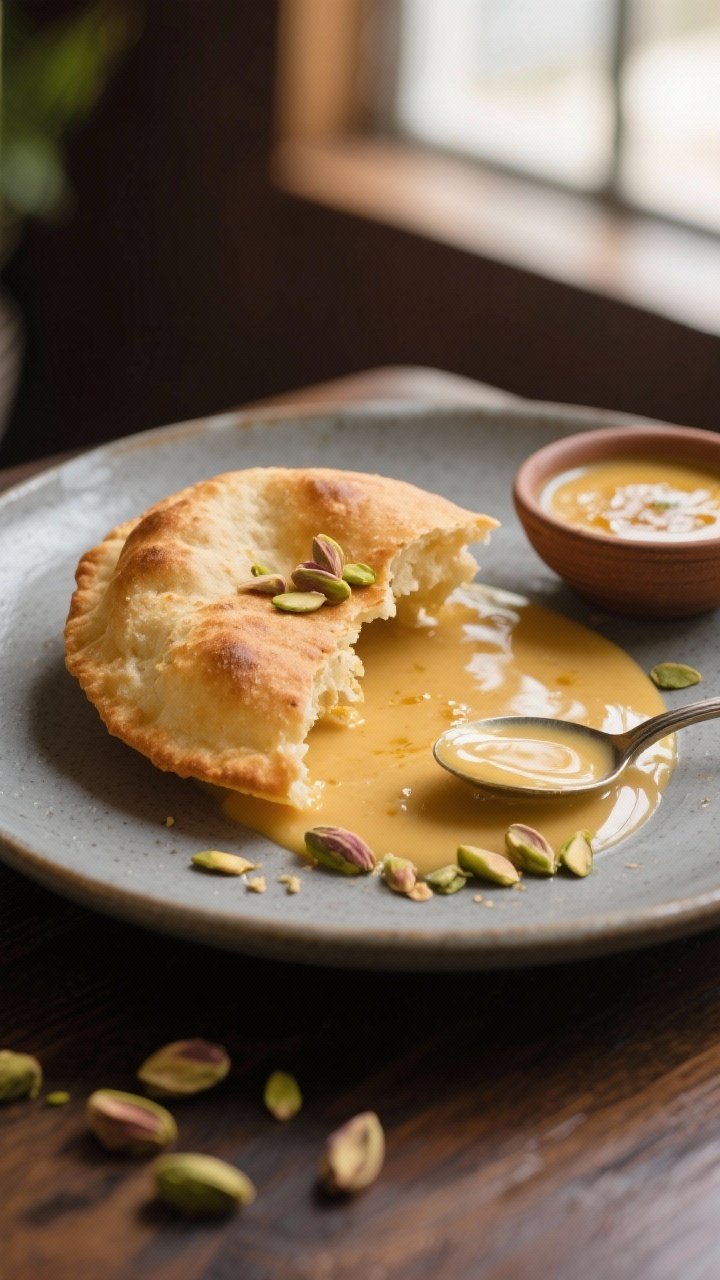
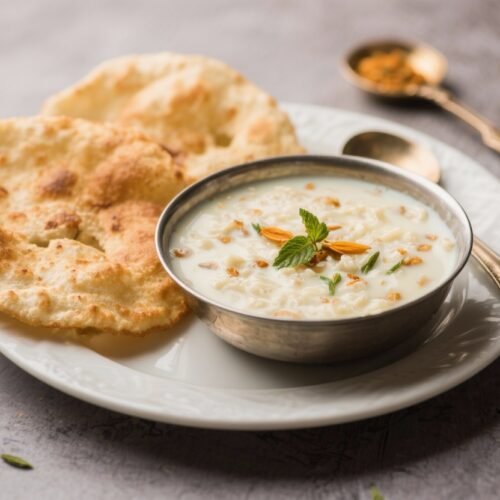
Kheer er Luchi is a beloved Bengali pairing: crisp, puffed luchi (deep-fried flatbreads) served with a bowl of thick, cardamom-scented kheer. It’s the kind of dessert that feels festive but still comforting, and it fits right in at family gatherings or holiday spreads. The textures make it special—light, flaky luchi dunked into creamy, slow-cooked milk.
The flavor is gentle and rich without being too sweet. If you’re new to Bengali desserts, this is a warm, welcoming place to start.
Why This Recipe Works
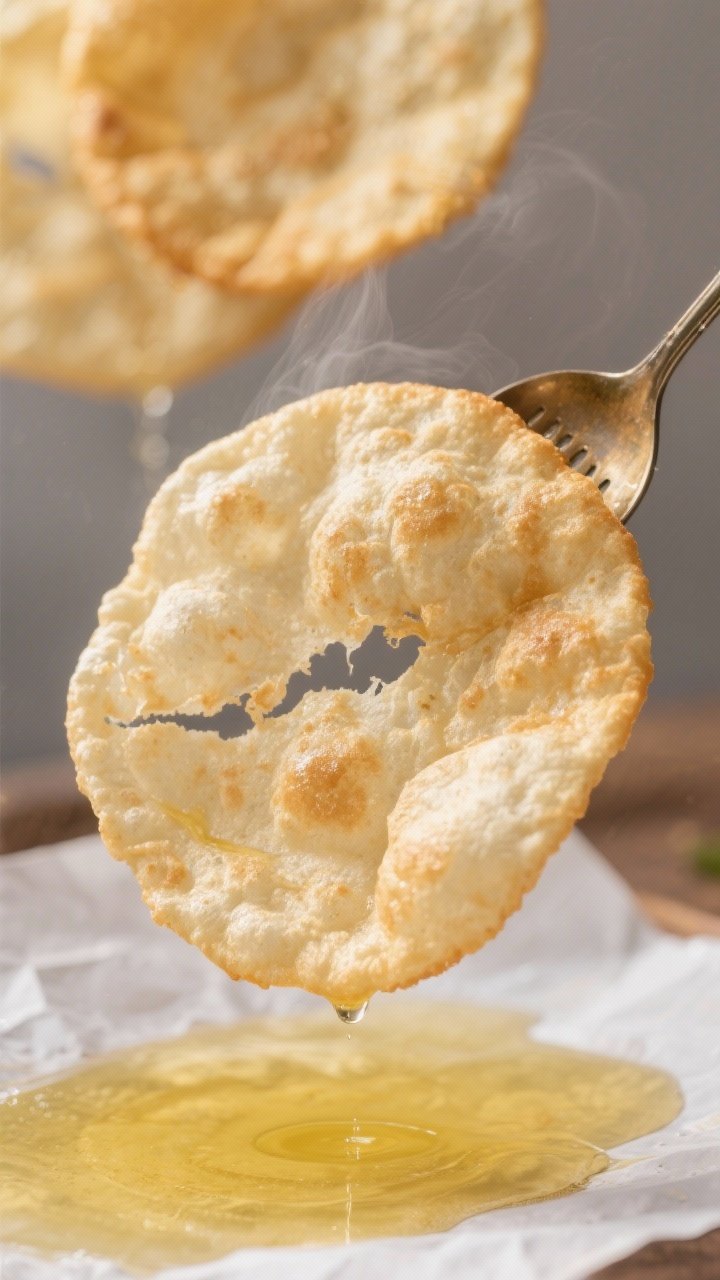
- Simple ingredients, big flavor: Flour, milk, sugar, and a few spices come together to create a deeply satisfying dessert.
- Classic technique: Slow-reducing milk builds natural sweetness and a velvety texture—no shortcuts needed.
- Perfect contrast: Crisp luchi balances the creamy kheer so each bite is interesting and memorable.
- Customizable sweetness: You can adjust sugar levels and toppings to suit your taste without changing the core recipe.
- Make-ahead friendly: Kheer stores well, so you can prepare it in advance and fry the luchi fresh.
Shopping List
- For the Kheer:
- Full-fat milk (1.5 liters)
- Basmati or gobindobhog rice, rinsed (2 tablespoons), or use 3 tablespoons of fine vermicelli if you prefer
- Sugar (1/3 to 1/2 cup, to taste)
- Green cardamom pods (4–5), lightly crushed
- Bay leaf (1), optional but traditional
- Saffron strands (a pinch), optional
- Chopped nuts like pistachios or almonds (2 tablespoons), optional
- Ghee (1 teaspoon), optional for richness
- For the Luchi:
- All-purpose flour/maida (2 cups)
- Salt (a pinch)
- Ghee or oil (1 tablespoon) for the dough
- Warm water, as needed (about 3/4 cup)
- Neutral oil or ghee for deep-frying
Step-by-Step Instructions
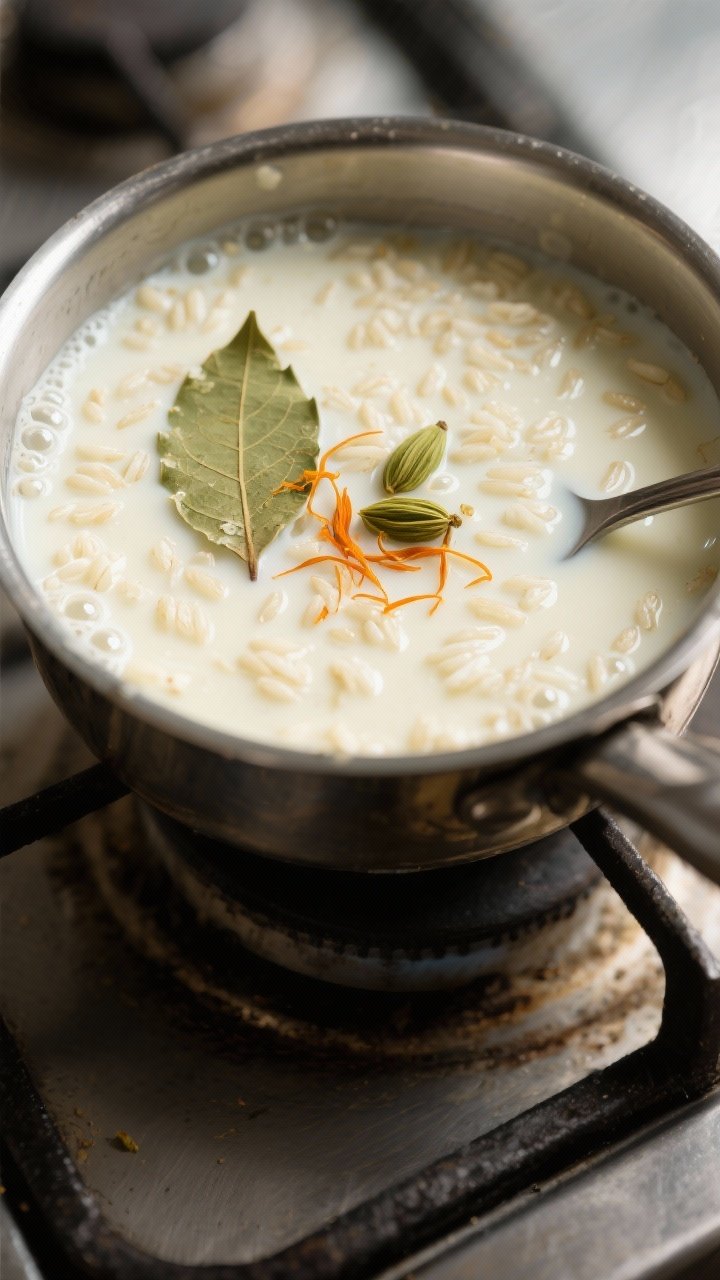
- Start the kheer base: Pour the full-fat milk into a heavy-bottomed pot. Add the bay leaf and crushed cardamom.
Bring to a gentle simmer over medium heat, stirring often to prevent scorching.
- Prepare the rice: Rinse the rice until the water runs clear. Drain well. For an ultra-smooth kheer, lightly crush the rice in a mortar or pulse once in a grinder to break the grains.
- Add rice to the milk: Once the milk is simmering, stir in the rice.
Lower the heat to medium-low. Cook for 35–45 minutes, stirring frequently, scraping the sides and bottom so the milk reduces evenly.
- Sweeten and flavor: When the milk has thickened and the rice is soft, add sugar to taste. Stir until dissolved.
Add saffron strands soaked in a tablespoon of warm milk (optional) and a small knob of ghee for gloss.
- Finish the kheer: Let it simmer another 5–10 minutes until creamy. Remove the bay leaf. The kheer should coat the back of a spoon.
Fold in chopped nuts if using. Set aside to cool slightly; kheer thickens as it rests.
- Make the luchi dough: In a bowl, mix flour and a pinch of salt. Rub in 1 tablespoon ghee or oil.
Add warm water little by little and knead into a smooth, medium-firm dough—soft but not sticky. Rest, covered, for 15–20 minutes.
- Shape the luchi: Divide dough into small lemon-sized balls. Lightly oil your surface and rolling pin.
Roll each ball into a small disc, about 4–5 inches across. Keep them covered with a cloth so they don’t dry out.
- Heat the oil: In a deep pan, heat neutral oil or ghee over medium-high. To test, drop a small piece of dough—it should rise to the surface quickly and sizzle without smoking.
- Fry the luchi: Slide in a disc and gently press the top with a slotted spoon until it puffs.
Flip and cook the other side for a few seconds until pale golden. Luchi should stay light, not deeply browned. Drain on paper towels.
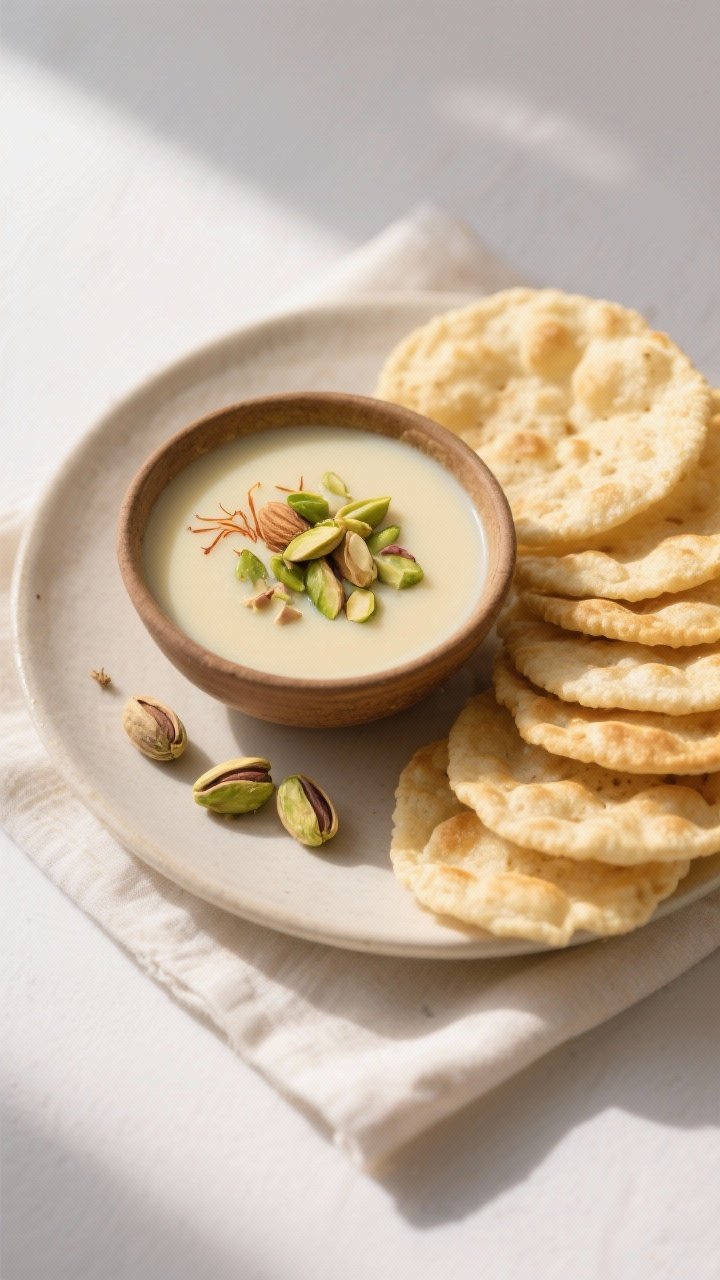
- Serve: Ladle the warm, creamy kheer into bowls.
Serve freshly fried luchi alongside. Dip, bite, and enjoy the contrast.
Keeping It Fresh
- Kheer: Refrigerate in an airtight container for up to 3 days. It will thicken; loosen with a splash of milk when reheating.
Warm gently over low heat to avoid splitting.
- Luchi: Best made fresh. If you must prepare ahead, shape the discs, layer with parchment, and refrigerate for up to 6 hours. Fry just before serving for that signature puff.
- Freezing: Kheer doesn’t freeze well due to the dairy.
Luchi dough can be wrapped and chilled for 24 hours but may lose a bit of puff.
Why This is Good for You
- Comforting energy: The milk and rice offer nourishing carbs and protein. It’s a satisfying finish to a celebratory meal.
- Spices with benefits: Cardamom can aid digestion and add aroma without heavy sweetness.
- Portion-friendly: The dish is rich, so small servings hit the spot. Balance with a lighter main course if you’re mindful of calories.
What Not to Do
- Don’t rush the milk reduction: High heat scorches milk and causes a grainy texture.
Slow and steady is key.
- Don’t over-brown the luchi: Deep color means they’re overcooked and heavy. Aim for pale golden and puffed.
- Don’t skip resting the dough: Resting relaxes gluten, making luchi easier to roll and puff.
- Don’t add sugar too early: Adding sugar before the rice softens can toughen the grains and slow thickening.
- Don’t overcrowd the oil: Too many discs drop the oil temperature and prevent puffing.
Alternatives
- Rice swaps: Try fine vermicelli for a faster-cooking kheer. Semolina (suji) can work too, but stir constantly to avoid lumps.
- Sweeteners: Use jaggery for a deeper, caramel note.
Add it off-heat after the kheer is fully cooked to prevent curdling.
- Dairy variations: For a lighter version, use 50% milk and 50% water, then stir in a little condensed milk at the end. Plant-based milks like almond can be used, but texture will be thinner—thicken with a teaspoon of cornstarch slurry if needed.
- Flavor twists: Add a splash of rose water or a pinch of nutmeg. Toasted coconut chips make a nice garnish.
- Luchi variations: A teaspoon of semolina in the dough adds light crispness.
For a richer bite, fry in ghee or a ghee-oil mix.
FAQ
Can I make the kheer a day in advance?
Yes. Store it in the fridge, covered. Reheat gently with a splash of milk and stir to bring back the creamy texture.
Why didn’t my luchi puff?
The oil may not have been hot enough, or the dough was too soft or too tight.
Also, rolling evenly matters—uneven discs don’t puff well.
Can I use leftover cooked rice for kheer?
You can. Add it once the milk is already reducing and simmer until the grains soften and the milk thickens. The texture will be slightly different but still tasty.
Is there a gluten-free option for luchi?
Traditional luchi uses wheat flour.
For a gluten-free alternative, try small puris made with a gluten-free blend, but expect less puff and a different texture.
How sweet should the kheer be?
Aim for gently sweet. Start with less sugar, taste near the end, and adjust. Remember, kheer thickens as it cools, concentrating sweetness.
Can I bake the luchi instead of frying?
Luchi is meant to be fried for that signature puff and tenderness.
Baking doesn’t replicate the texture. If you want a baked option, consider thin flatbreads, but it won’t be the same dish.
What oil is best for frying?
Use a neutral, high-heat oil like sunflower or peanut oil. For classic flavor, fry in ghee or mix ghee with oil for stability and aroma.
How thick should the kheer be?
It should be creamy and spoon-coating, not runny.
Think a pourable custard. It will thicken more as it cools, so stop just before it’s too thick.
Can I skip the nuts and saffron?
Absolutely. They’re optional.
Cardamom and good milk are the backbone of flavor here.
What should I serve with kheer er luchi?
It’s lovely on its own, but fresh fruit like sliced mango or strawberries complements the richness. A sprinkle of pistachios adds color and crunch.
In Conclusion
Kheer er Luchi is a celebration of simple ingredients treated with care. The slow-cooked milk, fragrant cardamom, and hot, puffed luchi come together in a way that feels both festive and familiar.
With a bit of patience and a few pantry staples, you can make a dessert that brings everyone to the table. Keep the flavors balanced, fry the luchi fresh, and let the kheer work its quiet magic. This is comfort, Bengal-style, and it’s hard to beat.
Kheer er Luchi Recipe | Traditional Bengali Dessert with Creamy Indian Kheer
Ingredients
- For the Kheer: Full-fat milk (1.5 liters)
- Basmati or gobindobhog rice, rinsed (2 tablespoons), or use 3 tablespoons of fine vermicelli if you prefer
- Sugar (1/3 to 1/2 cup, to taste)
- Green cardamom pods (4–5), lightly crushed
- Bay leaf (1), optional but traditional
- Saffron strands (a pinch), optional
- Chopped nuts like pistachios or almonds (2 tablespoons), optional
- Ghee (1 teaspoon), optional for richness
- For the Luchi: All-purpose flour/maida (2 cups)
- Salt (a pinch)
- Ghee or oil (1 tablespoon) for the dough
- Warm water, as needed (about 3/4 cup)
- Neutral oil or ghee for deep-frying
Instructions
- Start the kheer base: Pour the full-fat milk into a heavy-bottomed pot. Add the bay leaf and crushed cardamom.Bring to a gentle simmer over medium heat, stirring often to prevent scorching.
- Prepare the rice: Rinse the rice until the water runs clear. Drain well. For an ultra-smooth kheer, lightly crush the rice in a mortar or pulse once in a grinder to break the grains.
- Add rice to the milk: Once the milk is simmering, stir in the rice.Lower the heat to medium-low. Cook for 35–45 minutes, stirring frequently, scraping the sides and bottom so the milk reduces evenly.
- Sweeten and flavor: When the milk has thickened and the rice is soft, add sugar to taste. Stir until dissolved.Add saffron strands soaked in a tablespoon of warm milk (optional) and a small knob of ghee for gloss.
- Finish the kheer: Let it simmer another 5–10 minutes until creamy. Remove the bay leaf. The kheer should coat the back of a spoon.Fold in chopped nuts if using. Set aside to cool slightly; kheer thickens as it rests.
- Make the luchi dough: In a bowl, mix flour and a pinch of salt. Rub in 1 tablespoon ghee or oil.Add warm water little by little and knead into a smooth, medium-firm dough—soft but not sticky. Rest, covered, for 15–20 minutes.
- Shape the luchi: Divide dough into small lemon-sized balls. Lightly oil your surface and rolling pin.Roll each ball into a small disc, about 4–5 inches across. Keep them covered with a cloth so they don’t dry out.
- Heat the oil: In a deep pan, heat neutral oil or ghee over medium-high. To test, drop a small piece of dough—it should rise to the surface quickly and sizzle without smoking.
- Fry the luchi: Slide in a disc and gently press the top with a slotted spoon until it puffs.Flip and cook the other side for a few seconds until pale golden. Luchi should stay light, not deeply browned. Drain on paper towels.
- Serve: Ladle the warm, creamy kheer into bowls.Serve freshly fried luchi alongside. Dip, bite, and enjoy the contrast.