Jamaican Jerk Sauce Recipe | Bold Spicy Marinade for Chicken or Pork
Craving bold, island heat that turns simple chicken or pork into something unforgettable? This Jamaican jerk sauce delivers smoky spice, bright citrus, and deep savory flavor in one easy blender recipe. You’ll use pantry staples plus a few classic jerk ingredients to build complex flavor in minutes.
I’ll walk you through exactly what to buy, how to blend it, and how to marinate so your meat stays juicy and well-seasoned. You’ll get options for heat levels, storage tips, and smart swaps to make it work with what you have.
Why This Jerk Sauce Recipe Works
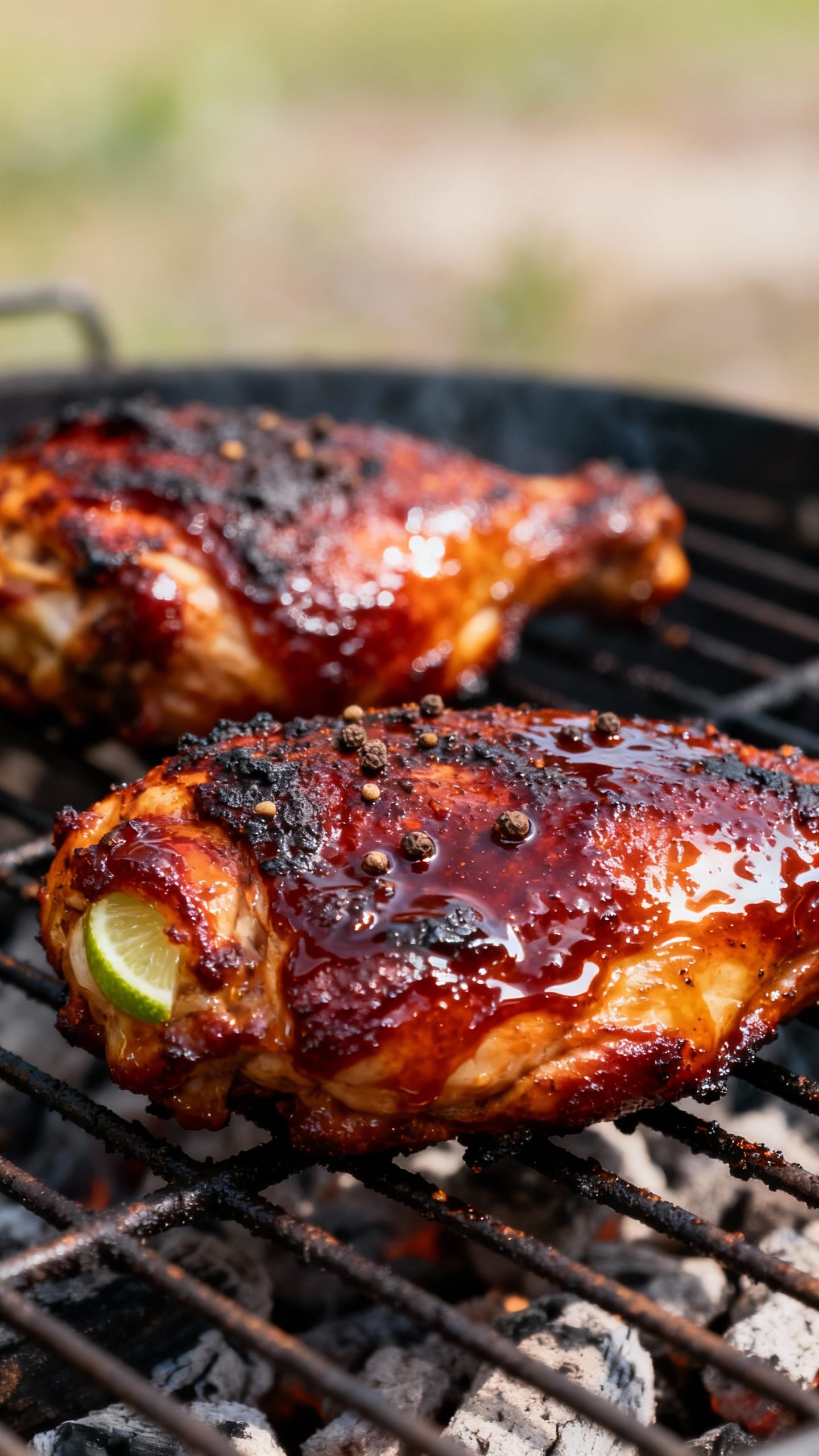
- Balanced heat and sweetness: Scotch bonnet peppers bring signature fire, while brown sugar and allspice round it out.
- Fresh aromatics for depth: Garlic, ginger, and scallions create layers of flavor that cling to meat.
- Acid for tender meat: Lime juice and vinegar gently tenderize chicken or pork while boosting brightness.
- Oil for better marinating: A little neutral oil helps the sauce coat evenly and prevents drying on the grill.
- Blend-and-go method: Everything goes into the blender, so you get restaurant-level flavor with almost zero effort.
Ingredients
Core Ingredients
- Scotch bonnet peppers (2–3, stems removed): Classic jerk heat and fruity flavor. Substitute habaneros if needed.
- Scallions (6, trimmed): Sweet onion flavor without harshness.
- Garlic (6 cloves): Punchy base note.
- Fresh ginger (2-inch piece, peeled): Warm spice and subtle heat.
- Fresh thyme (2 tablespoons leaves or 6 sprigs): Signature herbal backbone.
- Ground allspice (2 teaspoons): The heart of jerk seasoning.
- Ground cinnamon (1/2 teaspoon): Warm, sweet depth.
- Ground nutmeg (1/4 teaspoon): Rounds out the spice blend.
- Brown sugar (2 tablespoons): Balances heat and smoke.
- Soy sauce (2 tablespoons): Savory umami base.
- Fresh lime juice (3 tablespoons): Bright acidity.
- Apple cider vinegar (2 tablespoons): Tangy bite that helps tenderize.
- Neutral oil (2–3 tablespoons): Helps the sauce adhere and caramelize.
- Kosher salt (1–1 1/2 teaspoons): Pulls everything into balance.
- Black pepper (1 teaspoon): Gentle heat and aroma.
Optional Add-Ins
- Fresh orange juice (2 tablespoons): Adds sweetness and citrus complexity.
- Ground cloves (pinch): Boosts the allspice vibe.
- Molasses or honey (1 teaspoon): A deeper sweetness that caramelizes well.
- Smoked paprika (1 teaspoon): Extra smokiness if you’re not grilling.
How to Make This Jerk Sauce
- Prep the heat safely: Wear gloves to handle Scotch bonnets. Remove stems and, for less heat, remove some seeds and membranes.
- Load the blender: Add peppers, scallions, garlic, ginger, thyme, allspice, cinnamon, nutmeg, brown sugar, soy sauce, lime juice, vinegar, oil, salt, and black pepper. Include any optional add-ins.
- Blend until smooth: Start low, then increase speed. Scrape down sides and blend again until you get a thick, pourable sauce.
- Taste and adjust: Add more salt for savoriness, lime for brightness, sugar for balance, or another pepper for heat.
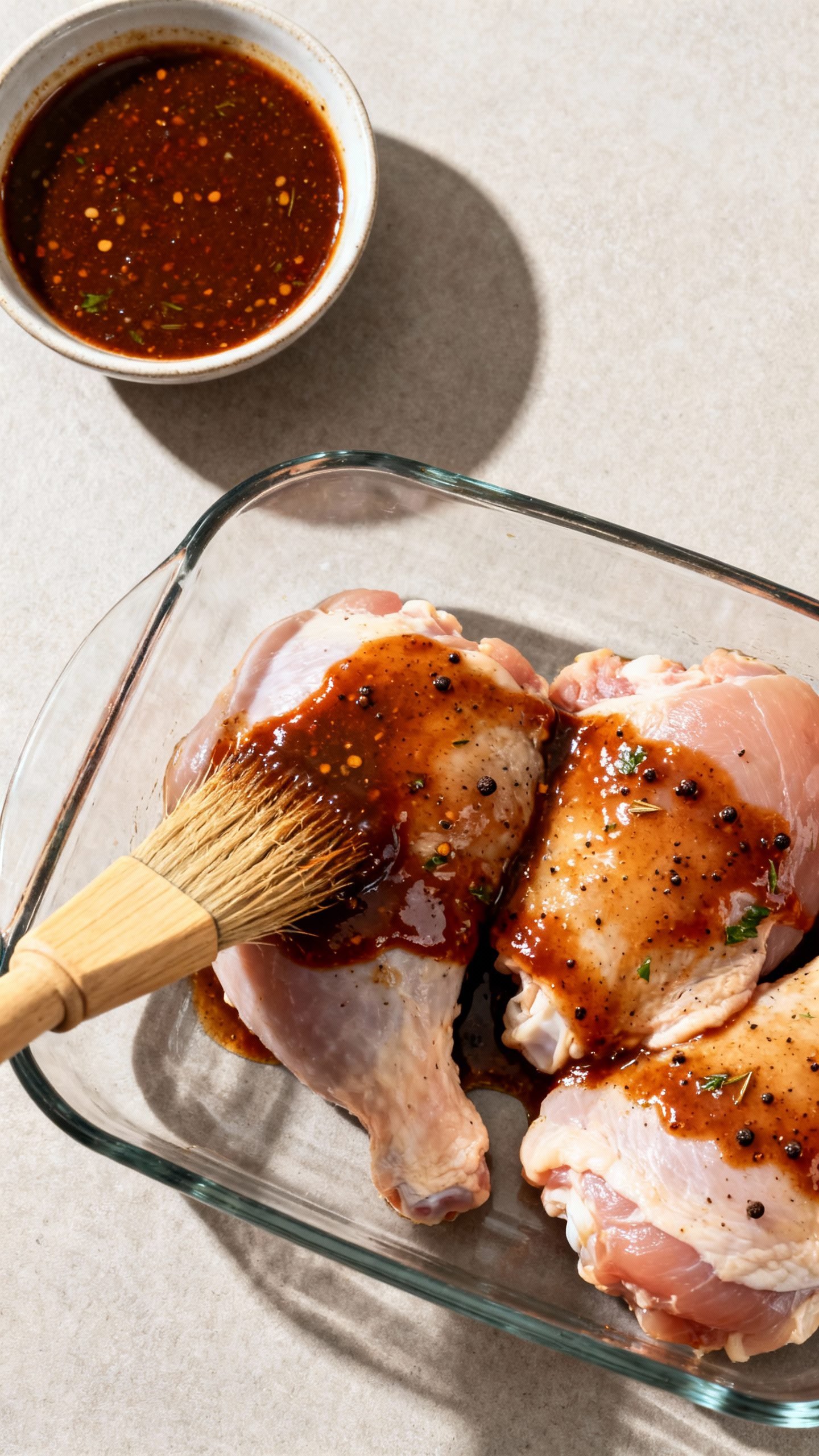
- Marinate your protein: Pour 1/2–2/3 of the sauce over 2–3 pounds of chicken or pork. Coat well, cover, and refrigerate 4–24 hours. Reserve the rest for basting and serving.
- Cook your way: Grill over medium-high heat until charred and cooked through, or roast at 400°F (205°C) until done. Baste with reserved sauce during the last few minutes.
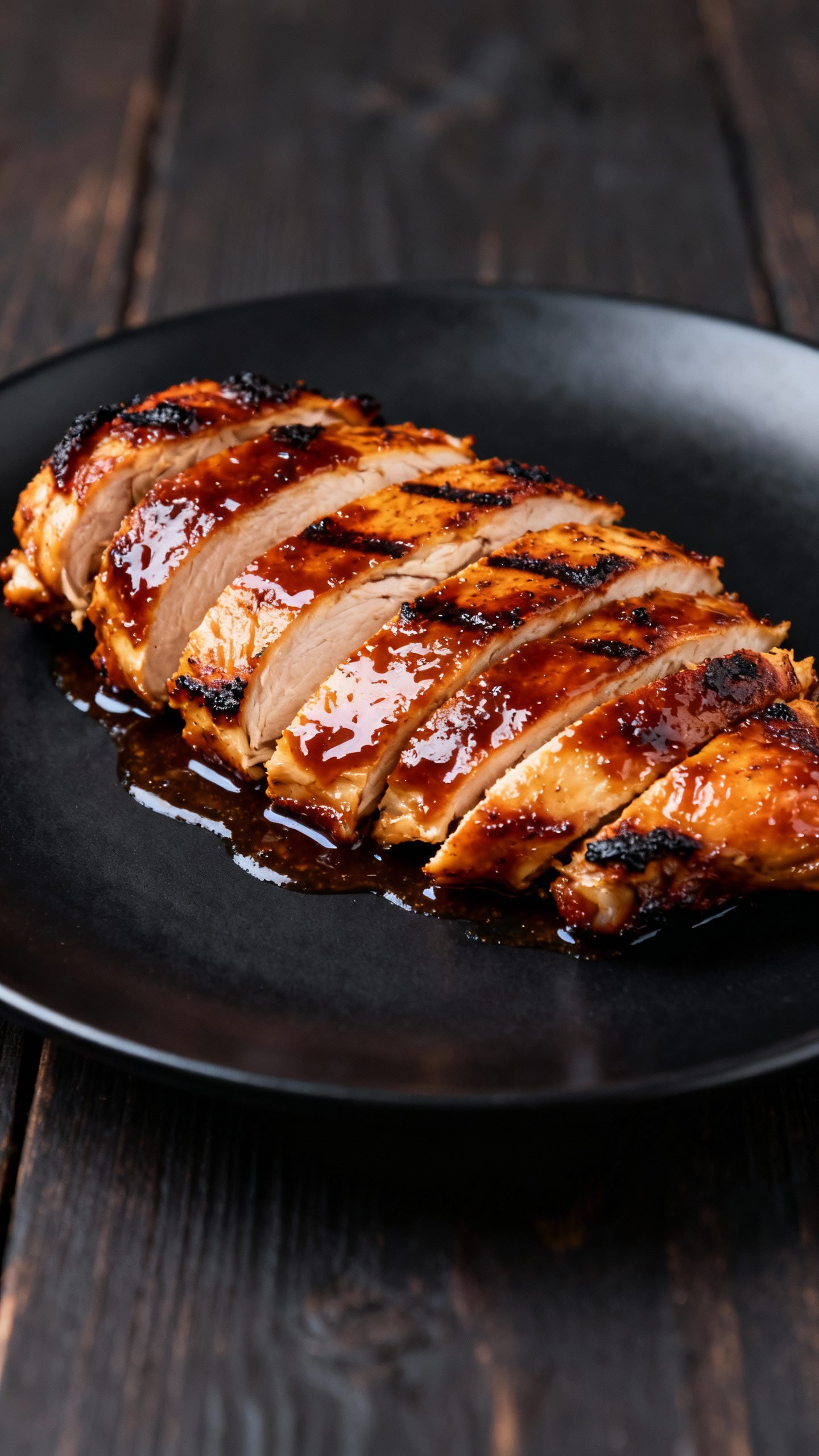
- Serve with extra sauce: Spoon a little fresh (uncontaminated) sauce over sliced meat for a glossy finish.
Heat Level Guide
- Mild: 1 Scotch bonnet, seeds removed; add extra brown sugar.
- Medium: 2 Scotch bonnets, one seeded, one whole.
- Hot: 3 Scotch bonnets, all seeds and membranes included.
How to Store This Jerk Sauce
- Refrigerate: Store in a clean jar up to 1 week. Keep a “clean” portion separate from any that touched raw meat.
- Freeze: Portion into small containers or ice cube trays and freeze up to 3 months. Thaw overnight in the fridge.
- Make ahead for meal prep: Blend a double batch and freeze half so you always have marinade ready.
Benefits of Making Your Own Jerk Sauce
- Control the heat: Dial pepper levels up or down to suit your crowd.
- Fresher flavor: Whole aromatics and fresh lime beat bottled versions every time.
- Cleaner ingredients: Skip preservatives and adjust sodium and sugar.
- Versatility: Works as a marinade, basting sauce, or finishing glaze for chicken, pork, shrimp, or vegetables.
- Better caramelization: The right balance of sugar and acid gives you those gorgeous charred edges.
What Not to Do
- Don’t skip gloves with hot peppers: Scotch bonnets can irritate skin and eyes.
- Don’t marinate too briefly: Give at least 4 hours for full flavor; overnight tastes best.
- Don’t use contaminated sauce for serving: Keep a separate portion that never touches raw meat.
- Don’t crank the heat too high: You’ll burn the sugars before the meat cooks through. Aim for steady medium-high.
- Don’t forget salt: Under-seasoned sauce tastes flat. Taste and adjust before marinating.
Variations You Can Try
- Pineapple jerk: Add 1/2 cup fresh pineapple for tropical sweetness and extra caramelization.
- Herb-forward: Increase thyme and add cilantro for a greener, fresher finish.
- Extra smoky: Swap some neutral oil for toasted sesame oil and add smoked paprika.
- Coconut jerk: Blend in 1/4 cup coconut milk for a creamy, slightly mellow heat that’s great on grilled pork.
- No-soy version: Use coconut aminos and add a pinch more salt.
- Lime-orange twist: Split the citrus: 2 tablespoons lime juice + 2 tablespoons orange juice.
FAQ
How long should I marinate chicken or pork?
4–24 hours works best. For chicken thighs or pork shoulder, aim for overnight. For quick-cooking cuts like chicken breasts or pork chops, 4–8 hours gives great flavor without over-acidifying.
Can I bake instead of grill?
Yes. Roast at 400°F (205°C) until cooked through, then broil for 2–3 minutes to char the edges. Baste near the end for extra gloss.
What if I can’t find Scotch bonnets?
Use habaneros. They have similar heat and fruitiness. Adjust quantity to match your preferred spice level.
Is this sauce gluten-free?
It can be. Use tamari or a certified gluten-free soy sauce and check spice labels.
How much sauce do I need per pound of meat?
Plan on 1/2 to 2/3 cup per pound for thorough coverage and a little extra for basting.
Can I use this on seafood or veggies?
Absolutely. Try it on shrimp, salmon, portobello mushrooms, or cauliflower. Marinate seafood for 30 minutes max; veggies for 30–60 minutes.
Conclusion
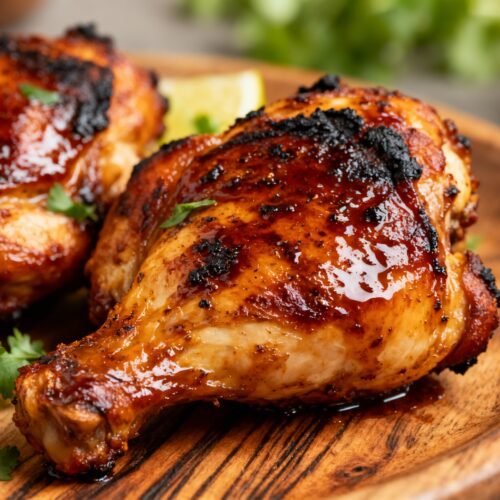
Blend this Jamaican jerk sauce once, and you’ll keep a jar in your fridge all summer. It brings fiery heat, citrusy brightness, and deep spice to chicken or pork with almost no effort. Tweak the peppers, adjust the sweetness, and choose your cooking method. You’ll get juicy meat, charred edges, and big island flavor every time.
Jamaican Jerk Sauce Recipe | Bold Spicy Marinade for Chicken or Pork
Ingredients
Ingredients
- 2–3 Scotch bonnet peppers, stems removed (seed for less heat; habaneros OK)
- 6 scallions, trimmed
- 6 cloves garlic
- 2-inch piece fresh ginger, peeled
- 2 tablespoons fresh thyme leaves or 6 sprigs
- 2 teaspoons ground allspice
- 1/2 teaspoon ground cinnamon
- 1/4 teaspoon ground nutmeg
- 2 tablespoons brown sugar
- 2 tablespoons soy sauce (or tamari for gluten-free)
- 3 tablespoons fresh lime juice
- 2 tablespoons apple cider vinegar
- 2–3 tablespoons neutral oil
- 1–1 1/2 teaspoons kosher salt
- 1 teaspoon black pepper
- 2 tablespoons fresh orange juice (optional)
- Pinch ground cloves (optional)
- 1 teaspoon molasses or honey (optional)
- 1 teaspoon smoked paprika (optional)
Instructions
Instructions
- Wear gloves to handle Scotch bonnet peppers and remove stems; remove some seeds and membranes for a milder sauce if desired.
- Add peppers, scallions, garlic, ginger, thyme, allspice, cinnamon, nutmeg, brown sugar, soy sauce, lime juice, apple cider vinegar, neutral oil, kosher salt, black pepper, and any optional add-ins to a blender.
- Blend until thick and pourable, starting on low and increasing speed; scrape down the sides and blend again until smooth.
- Taste and adjust seasoning with more salt for savoriness, lime juice for brightness, brown sugar for balance, or additional pepper for heat.
- Use immediately as a marinade, basting sauce, or finishing sauce, reserving a clean portion that has not contacted raw meat.