Easy Vanilla Sponge Cake Recipe | Simple Homemade Cake Guide
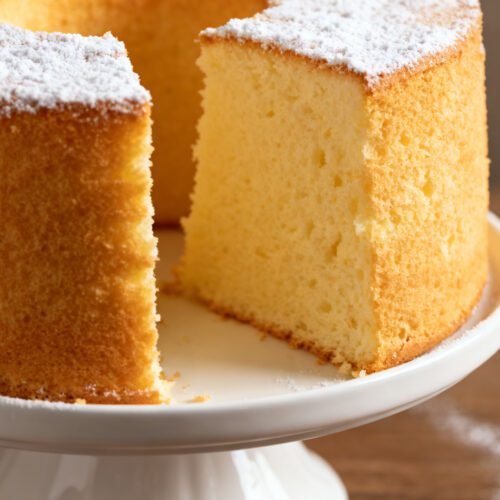
You can bake this easy vanilla sponge cake any day of the week and feel like a pro. It rises tall, tastes buttery-vanilla sweet, and slices with a soft, cloud-like crumb. You don’t need fancy gear or pastry school—just a few pantry staples, a good whisk or mixer, and a couple of simple techniques.
I’ll walk you through everything step-by-step, with tips that make the difference between a dense cake and a tender, airy sponge. You’ll get a reliable base for birthdays, afternoon tea, or layering with whipped cream and berries. Let’s make a cake that smells like home the minute it hits the oven.
Why This Vanilla Sponge Cake Turns Out So Good
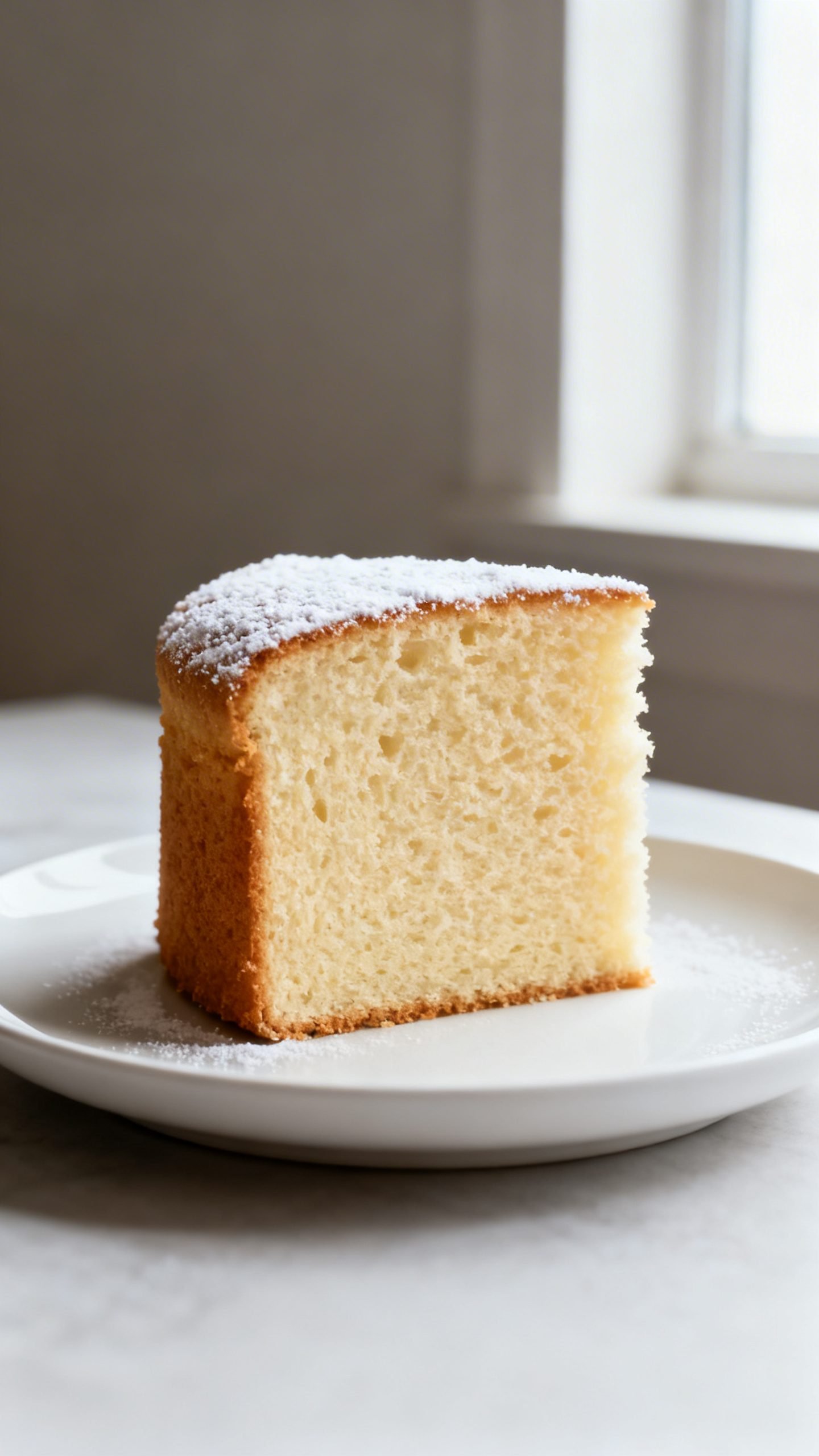
- Light and airy texture: Beating the eggs and sugar properly traps air, which gives you lift without heavy leaveners.
- Balanced sweetness: Vanilla shines, not sugar. It tastes clean and classic.
- Everyday ingredients: Flour, eggs, sugar, butter, milk, and vanilla. Nothing fancy, just dependable.
- Fuss-free method: One bowl for wet, one for dry, then a gentle fold. That’s it.
- Versatile base: Frost it, soak it with syrup, split and fill it, or enjoy it plain with tea.
Ingredients
For the cake
- 1 1/2 cups (180 g) all-purpose flour, spooned and leveled
- 1 1/2 tsp baking powder
- 1/4 tsp fine salt
- 3 large eggs, room temperature
- 3/4 cup (150 g) granulated sugar
- 1/2 cup (115 g) unsalted butter, melted and cooled slightly
- 1/2 cup (120 ml) whole milk, room temperature
- 2 tsp pure vanilla extract
Optional for serving
- Light dusting of powdered sugar
- Fresh berries and lightly sweetened whipped cream
- Simple vanilla syrup (equal parts sugar and water with a splash of vanilla)
How to Make This Easy Vanilla Sponge Cake
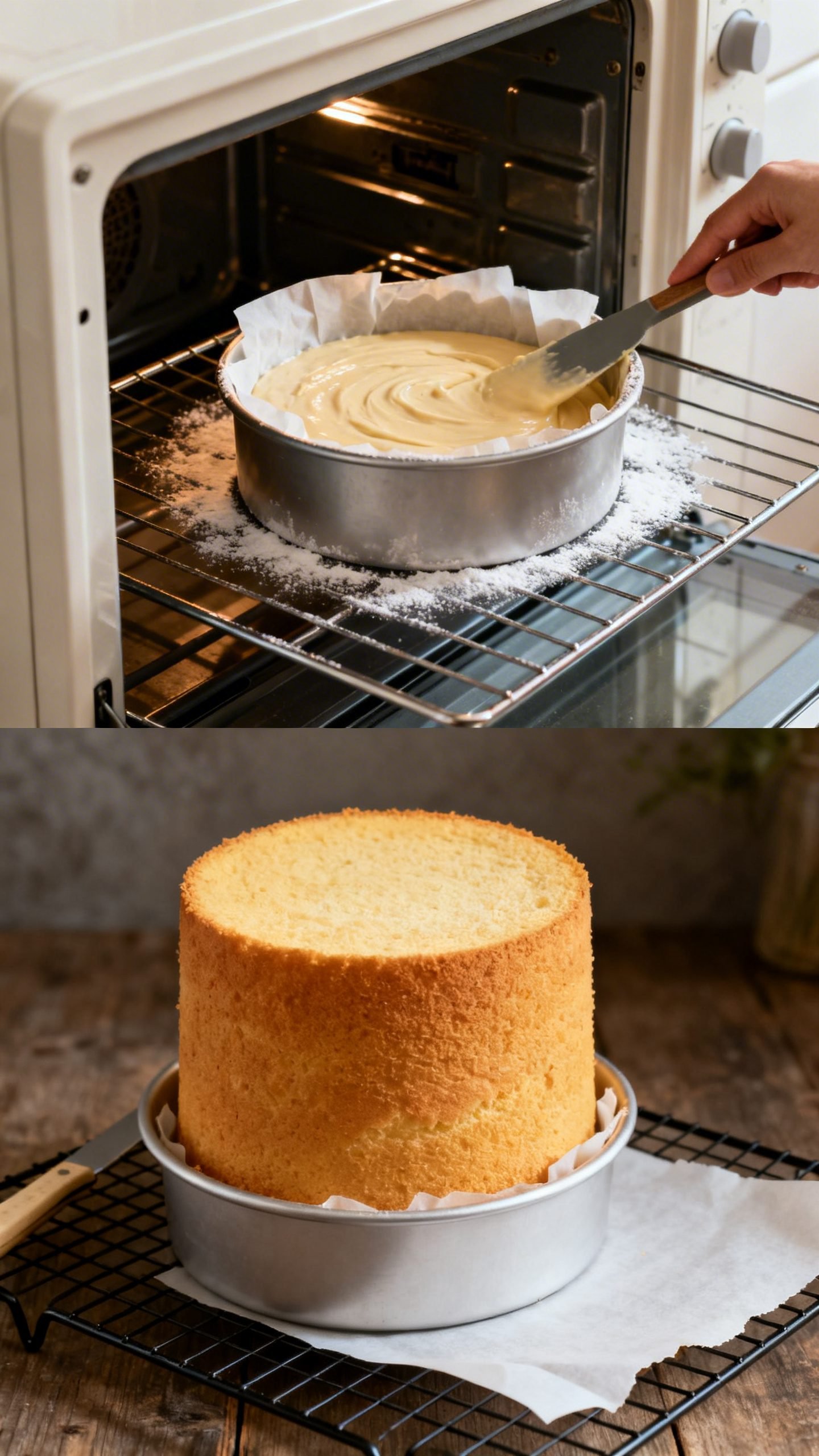
1) Prep your equipment
- Preheat oven to 350°F (175°C). Set a rack in the center.
- Grease and line an 8-inch (20 cm) round cake pan with parchment on the bottom. Lightly flour the sides.
- Bring eggs and milk to room temp so the batter emulsifies smoothly.
2) Mix dry ingredients
- Whisk together flour, baking powder, and salt until evenly combined.
3) Beat eggs and sugar
- In a large bowl, beat eggs and sugar with a hand mixer or stand mixer on medium-high for 3–4 minutes.
- Look for pale, thick, and ribbon-like batter that falls back on itself and slowly dissolves.
4) Add vanilla, butter, and milk
- Reduce speed to low. Stream in melted, slightly cooled butter.
- Add vanilla and milk. Mix just until combined; don’t overbeat.
5) Fold in dry ingredients
- Switch to a spatula. Sift the dry mix over the bowl to avoid lumps.
- Fold gently from bottom to top, rotating the bowl. Stop when you see no dry streaks. Keep the air you whipped in.
6) Bake
- Pour batter into the pan and smooth the top.
- Bake 25–32 minutes, until the top springs back and a toothpick comes out clean with a few moist crumbs.
- If the top browns too quickly, tent loosely with foil during the last 5 minutes.
7) Cool and release
- Cool in the pan for 10 minutes. Run a thin knife around the edge.
- Invert onto a rack, peel parchment, then flip upright to cool completely.
- Cool fully before slicing or frosting to keep the crumb tender.
How to Store Your Vanilla Sponge Cake
- Room temperature: Wrap the cooled cake tightly or store in an airtight container for up to 2 days.
- Refrigerator: If frosted with dairy-based frosting, cover and chill for up to 5 days. Bring slices to room temp before serving for best texture.
- Freezer: Wrap unfrosted layers in plastic, then foil. Freeze up to 2 months. Thaw in the fridge overnight, then bring to room temp.
- Make-ahead tip: Bake the day before, wrap well, and frost the next day for easy entertaining.
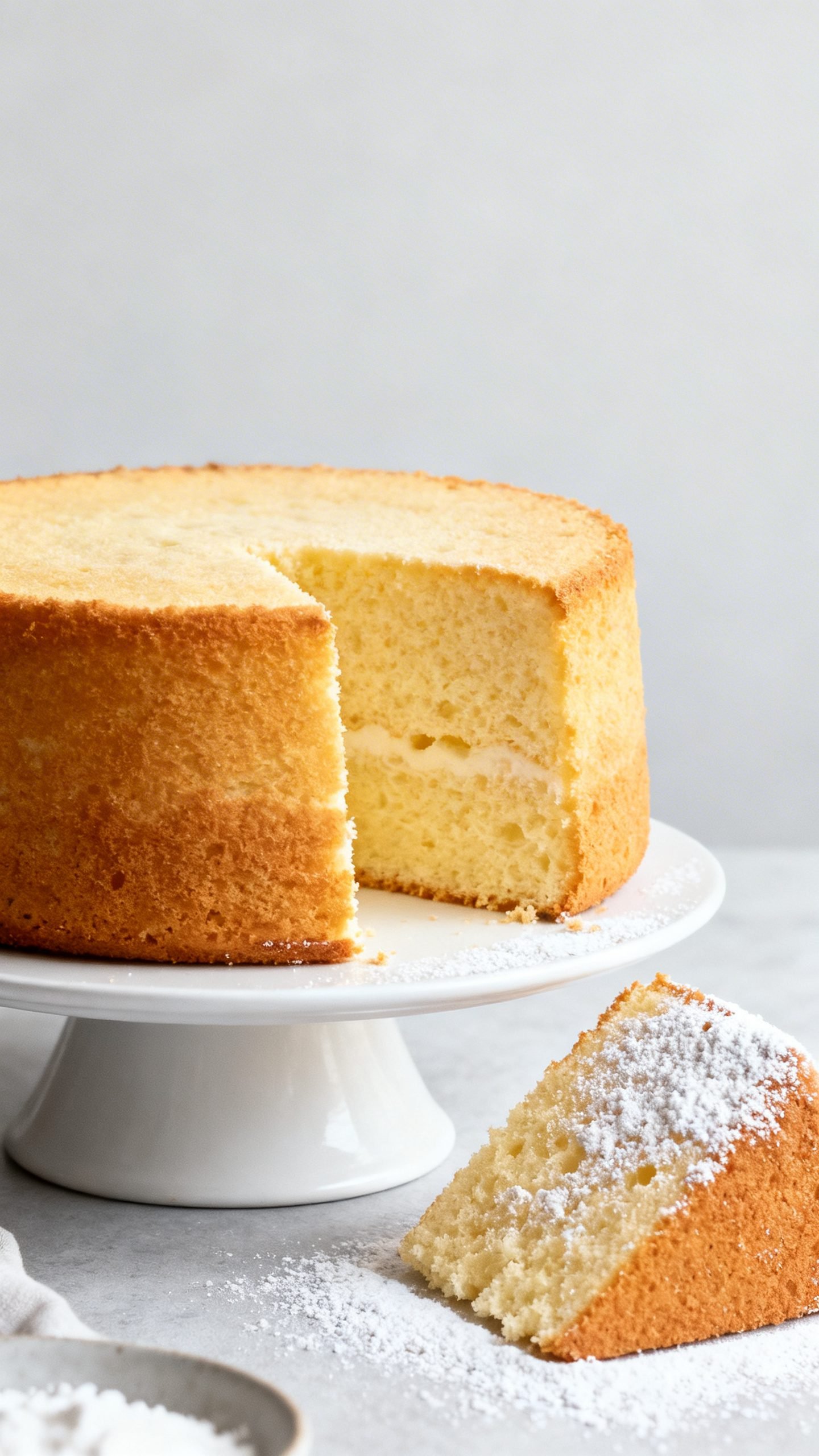
Benefits of Making This Vanilla Sponge at Home
- Control over ingredients: Real vanilla, fresh eggs, and good butter make a world of difference.
- Consistent rise and texture: You choose mixing time and oven placement, so you get predictable results.
- Budget-friendly celebration: A homemade cake feeds a crowd without the bakery markup.
- Customizable base: Add citrus zest, syrup soaks, or fillings to match the occasion.
- Confidence boost: You’ll pick up techniques that level up every cake you bake.
What to Avoid for Best Results
- Don’t overmix after adding flour. You’ll knock out air and toughen the crumb.
- Don’t use cold ingredients. Cold eggs and milk cause a dense, split batter.
- Don’t open the oven early. Wait until 20 minutes have passed or the center may collapse.
- Don’t skip parchment. It prevents sticking and keeps the bottom even.
- Don’t guess doneness. Use the spring-back test and a toothpick for accuracy.
Flavor Twists and Variations
- Lemon-vanilla: Add 1 tbsp lemon zest and swap 2 tbsp milk for lemon juice.
- Almond delight: Replace 1 tsp vanilla with almond extract and top with toasted sliced almonds.
- Syrup-soaked: Brush cooled layers with warm vanilla syrup for an ultra-moist crumb.
- Berry and cream: Split the cake horizontally, add whipped cream and macerated strawberries.
- Chocolate swirl: Fold 2 tbsp cocoa powder mixed with 2 tbsp milk into 1/3 of the batter and marble it.
- Birthday classic: Frost with vanilla buttercream and rainbow sprinkles.
FAQ
Can I use cake flour?
Yes. Replace all-purpose flour with the same weight of cake flour for an even softer crumb. Reduce baking powder to 1 1/4 tsp.
Why did my cake sink?
You likely underbaked, opened the oven too early, or overmixed the batter after adding flour. Check oven temperature with an oven thermometer and mix gently.
Can I make cupcakes with this batter?
Absolutely. Fill liners 2/3 full and bake at 350°F (175°C) for 16–20 minutes.
How do I get flat layers for stacking?
Use baking strips around the pan or lower the oven to 340°F (170°C) and extend bake time a few minutes. Trim domes after cooling if needed.
What frosting pairs best?
Vanilla buttercream, stabilized whipped cream, chocolate ganache, or cream cheese frosting all taste great with this sponge.
Can I make it dairy-free?
Yes. Use neutral oil or dairy-free butter and swap milk for unsweetened almond milk. Flavor and texture stay lovely.
Conclusion
Once you try this easy vanilla sponge cake, you’ll keep it on repeat. It bakes up fluffy, golden, and incredibly welcoming—perfect on its own or dressed up for a party. Keep your ingredients at room temp, mix with care, and let the oven work its magic. Serve a slice warm with tea or layer it tall with cream and fruit. Either way, you just made everyone’s new favorite cake.
Easy Vanilla Sponge Cake Recipe | Simple Homemade Cake Guide
Ingredients
Ingredients
- 1 1/2 cups (180 g) all-purpose flour, spooned and leveled
- 1 1/2 tsp baking powder
- 1/4 tsp fine salt
- 3 large eggs, room temperature
- 3/4 cup (150 g) granulated sugar
- 1/2 cup (115 g) unsalted butter, melted and cooled slightly
- 1/2 cup (120 ml) whole milk, room temperature
- 2 tsp pure vanilla extract
- Powdered sugar, for dusting (optional)
- Fresh berries, for serving (optional)
- Lightly sweetened whipped cream, for serving (optional)
- Simple vanilla syrup (equal parts sugar and water with a splash of vanilla), for brushing (optional)
Instructions
Instructions
- Preheat the oven to 350°F (175°C) with a rack in the center.
- Grease and line an 8-inch (20 cm) round cake pan with parchment on the bottom and lightly flour the sides.
- Whisk together the flour, baking powder, and salt until evenly combined.
- In a large bowl, beat the eggs and sugar with a mixer on medium-high for 3 to 4 minutes until pale, thick, and ribbon-like.
- Reduce the mixer speed to low and stream in the melted, slightly cooled butter, then add the vanilla and milk, mixing just until combined.
- Sift the dry ingredients over the bowl and gently fold with a spatula until no dry streaks remain, keeping as much air in the batter as possible.
- Pour the batter into the prepared pan and smooth the top.
- Bake for 25 to 32 minutes, until the top springs back and a toothpick inserted in the center comes out clean with a few moist crumbs.
- Cool in the pan for 10 minutes, then run a thin knife around the edge, invert onto a rack, peel off the parchment, and flip upright to cool completely.
- Dust with powdered sugar or serve with berries and whipped cream, if desired.