Easy Japanese Hibachi Brown Sauce Recipe
If you crave that savory-sweet hibachi flavor from your favorite Japanese steakhouse, this easy Hibachi Brown Sauce has your back. You can whip it up with pantry staples in minutes, and it instantly makes veggies, rice, noodles, chicken, or steak taste like a night out—without leaving your kitchen.
I’ve streamlined the flavors so the sauce lands perfectly balanced: salty, umami-rich, a touch of sweetness, and just enough acidity to keep it lively. Make a small batch for tonight’s dinner or a big jar for the week. Either way, you’ll want to drizzle it on everything.
Why This Hibachi Brown Sauce Works
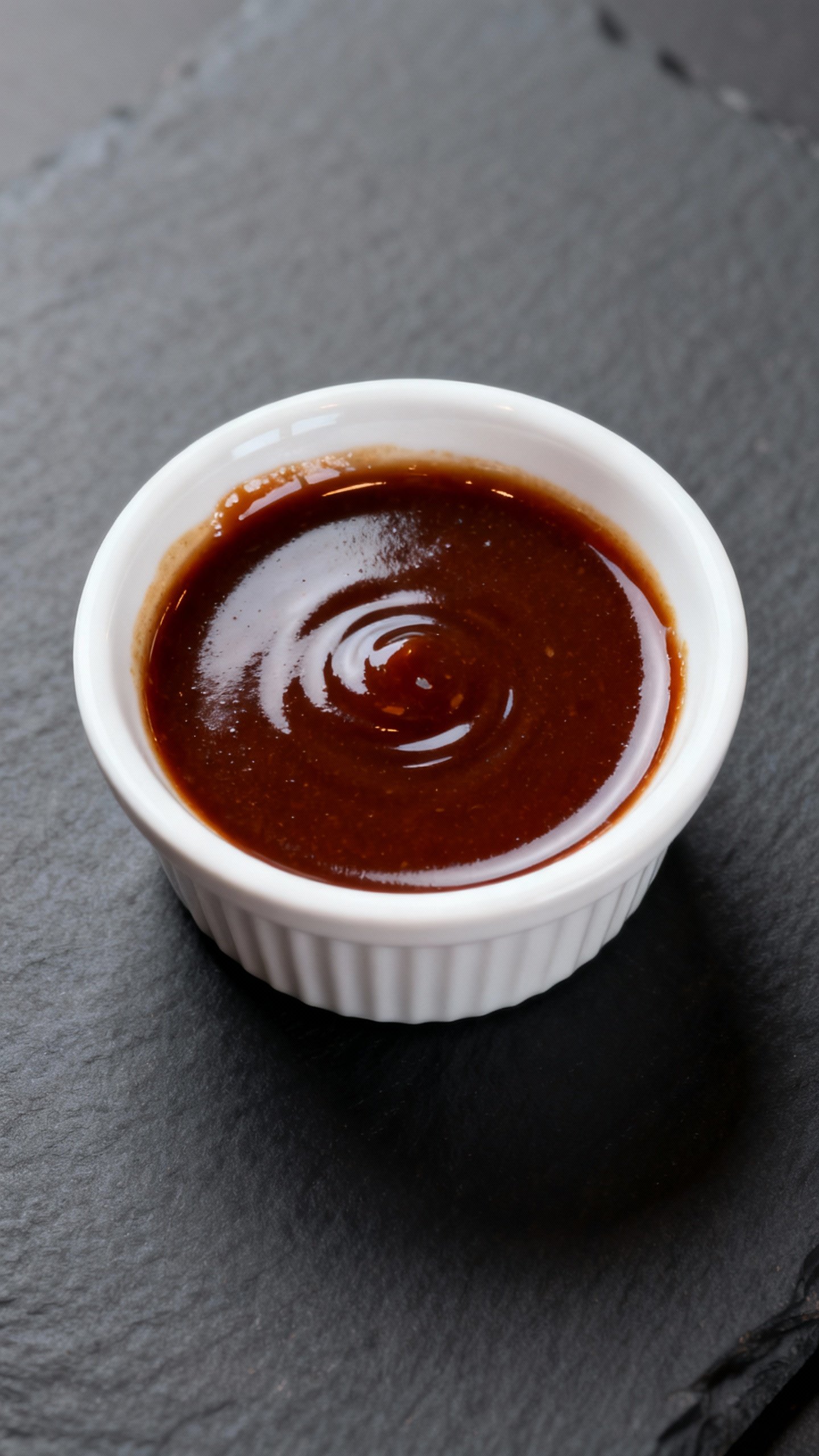
- Balanced, restaurant-style flavor: Soy sauce brings salt, mirin and brown sugar add sweetness, and rice vinegar brightens everything.
- Fast and no-fuss: You only whisk and simmer for a few minutes. No special skills needed.
- Versatile: Use it as a stir-fry sauce, glaze, dipping sauce, or finishing drizzle for fried rice.
- Adjustable: Dial in sweetness, thickness, and heat to match your taste.
- Make-ahead friendly: The flavors deepen after a night in the fridge.
Ingredients
Gather these easy-to-find ingredients:
- Low-sodium soy sauce – the savory base; low-sodium gives you better control
- Beef or vegetable broth – adds body and depth without making the sauce too salty
- Mirin – a lightly sweet Japanese rice wine that rounds out the edges
- Brown sugar – for gentle sweetness and a hint of molasses
- Rice vinegar – a clean, mild acidity that brightens the sauce
- Toasted sesame oil – nutty aroma that screams “hibachi”
- Fresh garlic, minced – bold flavor that infuses quickly
- Fresh ginger, grated – warmth and zing
- Cornstarch – to thicken; you’ll make a quick slurry
- Unsalted butter – a small knob for glossy finish and restaurant-style richness
- Optional heat – a pinch of white pepper or a few drops of chili oil
How to Make This Hibachi Brown Sauce
1) Whisk the base
- In a small bowl, whisk soy sauce, broth, mirin, brown sugar, and rice vinegar until the sugar dissolves.
2) Bloom aromatics
- Heat a small saucepan over medium.
- Add 1 teaspoon neutral oil, then sauté garlic and ginger for 30–45 seconds until fragrant. Do not brown.
3) Simmer
- Pour in the soy mixture. Bring to a gentle simmer.
- Stir in toasted sesame oil.
- Simmer 2–3 minutes to let flavors meld.
4) Thicken
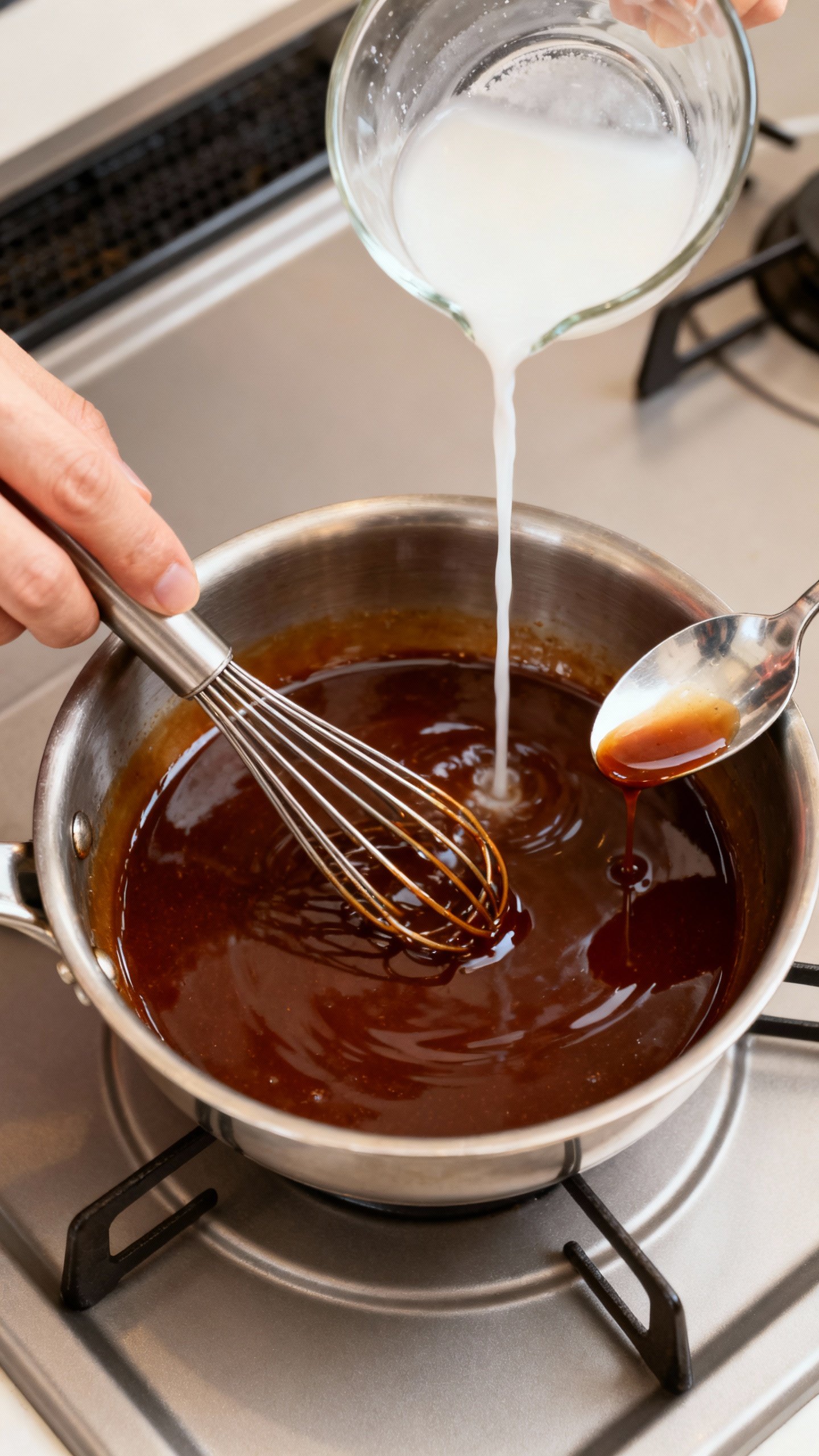
- In a cup, mix 1 tablespoon cornstarch with 1 tablespoon cold water until smooth.
- Whisk the slurry into the simmering sauce. Cook 30–60 seconds until it lightly coats a spoon.
5) Finish
- Turn off the heat and whisk in 1 teaspoon unsalted butter for a glossy finish.
- Taste and adjust: more vinegar for brightness, more sugar for sweetness, or a splash of broth if it tastes too strong.
- Add optional white pepper or chili oil if you like a little heat.
Serving ideas
- Hibachi-style veggies: Toss with sautéed zucchini, onions, mushrooms, and carrots.
- Fried rice: Drizzle and toss at the end for shine and flavor.
- Protein: Brush over grilled steak, chicken, shrimp, or tofu in the last minute of cooking.
- Dipping: Serve warm as a dip for potstickers or skewers.
How to Store This Sauce
- Fridge: Cool completely, then store in an airtight jar for up to 7 days.
- Freezer: Freeze in small containers or silicone trays for up to 2 months. Thaw overnight in the fridge.
- Reheat: Warm gently on the stove over low heat. Add a splash of water or broth if it thickened too much.
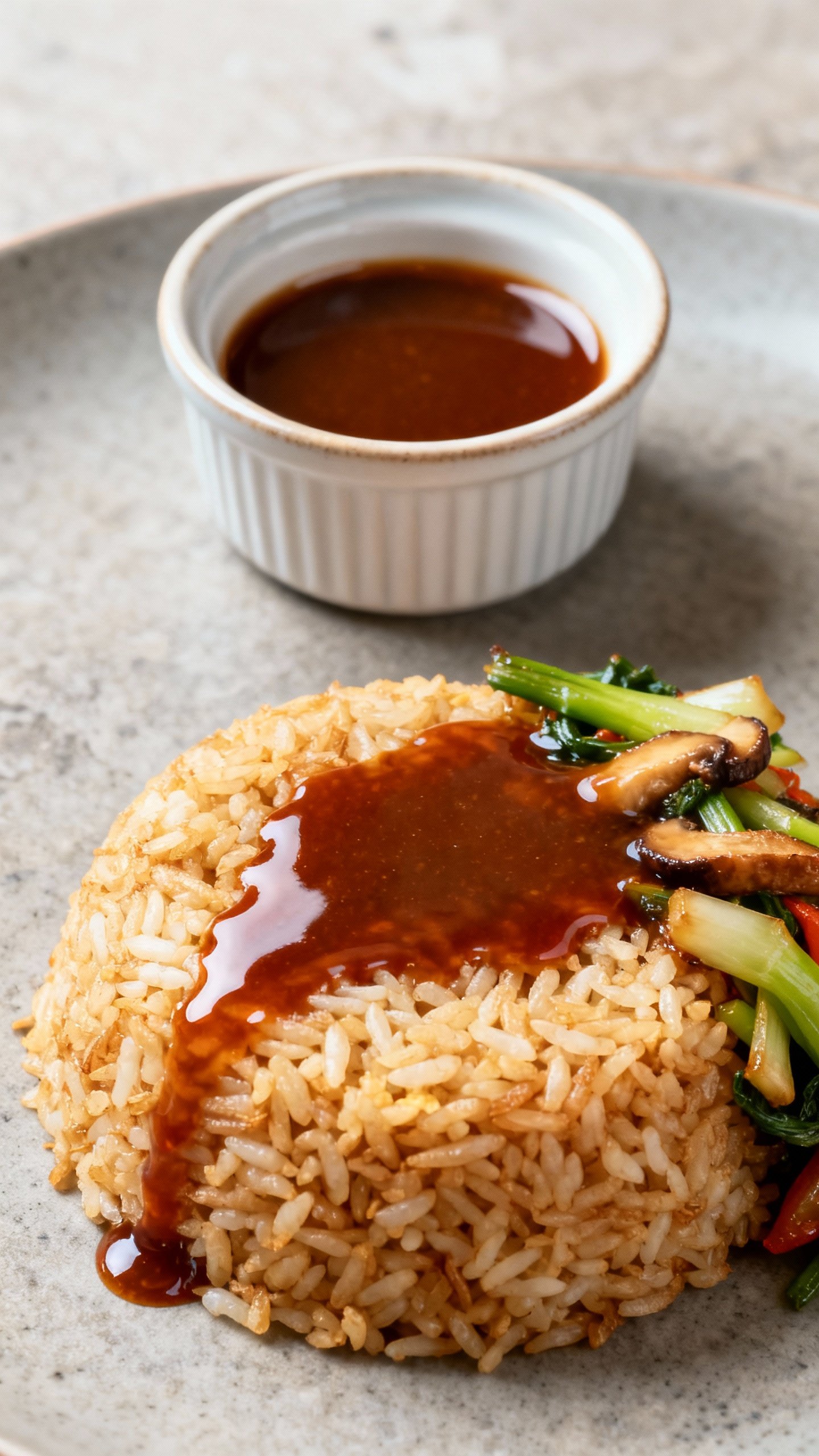
Benefits of Making Hibachi Brown Sauce at Home
- Control the salt and sweetness: You decide the balance.
- No mystery ingredients: Clean, simple pantry staples.
- Save money: One batch seasons multiple meals.
- Restaurant flavor, weeknight timing: Ten minutes from whisk to drizzle.
- Customizable: Adjust consistency and spice level to match your meal.
What to Avoid
- Don’t over-brown garlic: Burnt garlic tastes bitter and will overpower the sauce.
- Don’t skip low-sodium soy: Regular soy can make the sauce too salty; you lose control.
- Don’t add cornstarch directly: Always make a slurry to avoid lumps.
- Don’t boil hard: A gentle simmer keeps flavors smooth and prevents scorching.
- Don’t forget to taste at the end: Final tweaks make it shine.
Variations You Can Try
- Garlic-forward: Double the garlic and add a small pinch of sugar to balance.
- Ginger-lovers: Increase ginger and finish with extra rice vinegar for lift.
- Smoky-sweet: Add a dash of Worcestershire and a tiny splash of honey.
- Spicy: Stir in chili oil, togarashi, or a touch of gochujang for kick.
- Gluten-free: Use tamari and confirm your broth is gluten-free.
- Lighter: Skip butter and reduce sugar slightly; thin with broth as needed.
- Extra glossy glaze: Add an additional 1/2 teaspoon butter at the end.
FAQ
Is this the same as teriyaki sauce?
No. Teriyaki runs sweeter and thicker, with a pronounced glaze. Hibachi brown sauce tastes more savory and balanced, with a lighter glaze and deeper umami.
Can I use chicken broth instead of beef or vegetable broth?
Yes. Use what you have. Beef gives a deeper steakhouse vibe; vegetable keeps it neutral; chicken lands in the middle.
How do I make it thicker?
Simmer 1–2 minutes longer or whisk in another 1/2 teaspoon cornstarch mixed with the same amount of cold water. Add slowly and stir constantly.
Can I make it without mirin?
Use a mix of dry sherry + a pinch of sugar, or replace mirin with more broth and 1–2 teaspoons extra brown sugar.
What if it tastes too salty?
Stir in a splash of broth and a tiny bit of brown sugar, then recheck acidity with a few drops of rice vinegar.
Can I use this as a marinade?
Yes, for quick marinades (30–60 minutes). If you marinate raw meat, boil the leftover marinade for at least 1 minute before using it as a sauce.
Why add butter?
Butter softens saltiness, boosts shine, and gives that hibachi-style finish you taste at restaurants.
Conclusion
This easy Hibachi Brown Sauce brings steakhouse flavor to your stove in minutes. Keep the base recipe as your go-to, then tweak sweetness, tang, and thickness to match the dish. Make a jar on Sunday, and you’ll elevate weeknight fried rice, seared veggies, and grilled proteins all week long. Once you taste it, you’ll keep a bottle in the fridge—ready for a quick drizzle whenever dinner needs a boost.
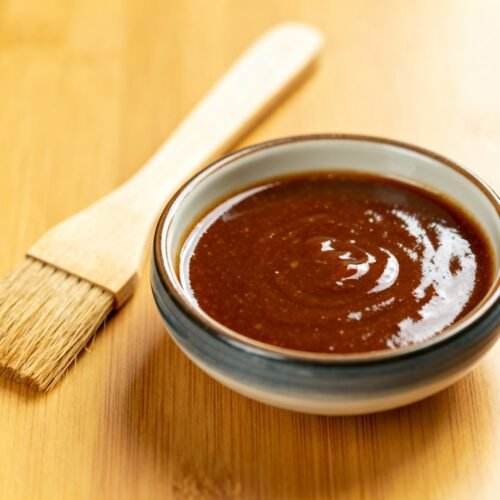
Easy Japanese Hibachi Brown Sauce Recipe
Ingredients
Ingredients
Instructions
Instructions
- In a small bowl, whisk soy sauce, broth, mirin, brown sugar, and rice vinegar until the sugar dissolves.
- Heat a small saucepan over medium.
- Add 1 teaspoon neutral oil, then sauté garlic and ginger for 30–45 seconds until fragrant. Do not brown.
- Pour in the soy mixture. Bring to a gentle simmer.
- Stir in toasted sesame oil.
- Simmer 2–3 minutes to let flavors meld.
- In a cup, mix 1 tablespoon cornstarch with 1 tablespoon cold water until smooth.
- Whisk the slurry into the simmering sauce. Cook 30–60 seconds until it lightly coats a spoon.
- Turn off the heat and whisk in 1 teaspoon unsalted butter for a glossy finish.
- Taste and adjust: more vinegar for brightness, more sugar for sweetness, or a splash of broth if it tastes too strong.
- Add optional white pepper or chili oil if you like a little heat.
- Hibachi-style veggies: Toss with sautéed zucchini, onions, mushrooms, and carrots.
- Fried rice: Drizzle and toss at the end for shine and flavor.
- Protein: Brush over grilled steak, chicken, shrimp, or tofu in the last minute of cooking.
- Dipping: Serve warm as a dip for potstickers or skewers.