Easy Homemade Apricot Jam Recipe | Sweet Fresh Apricot Preserves
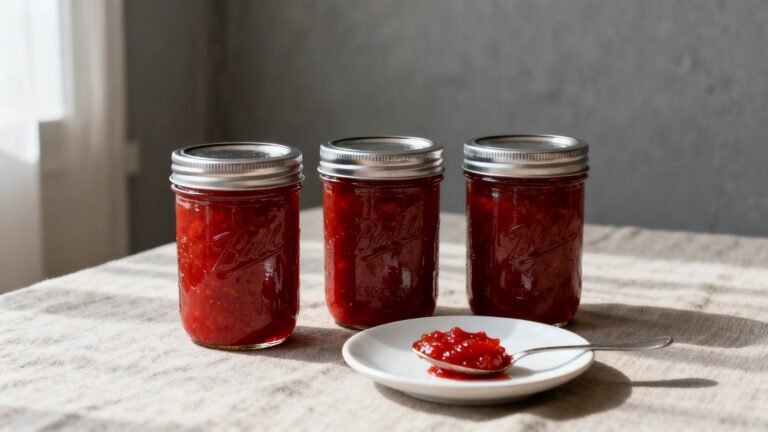
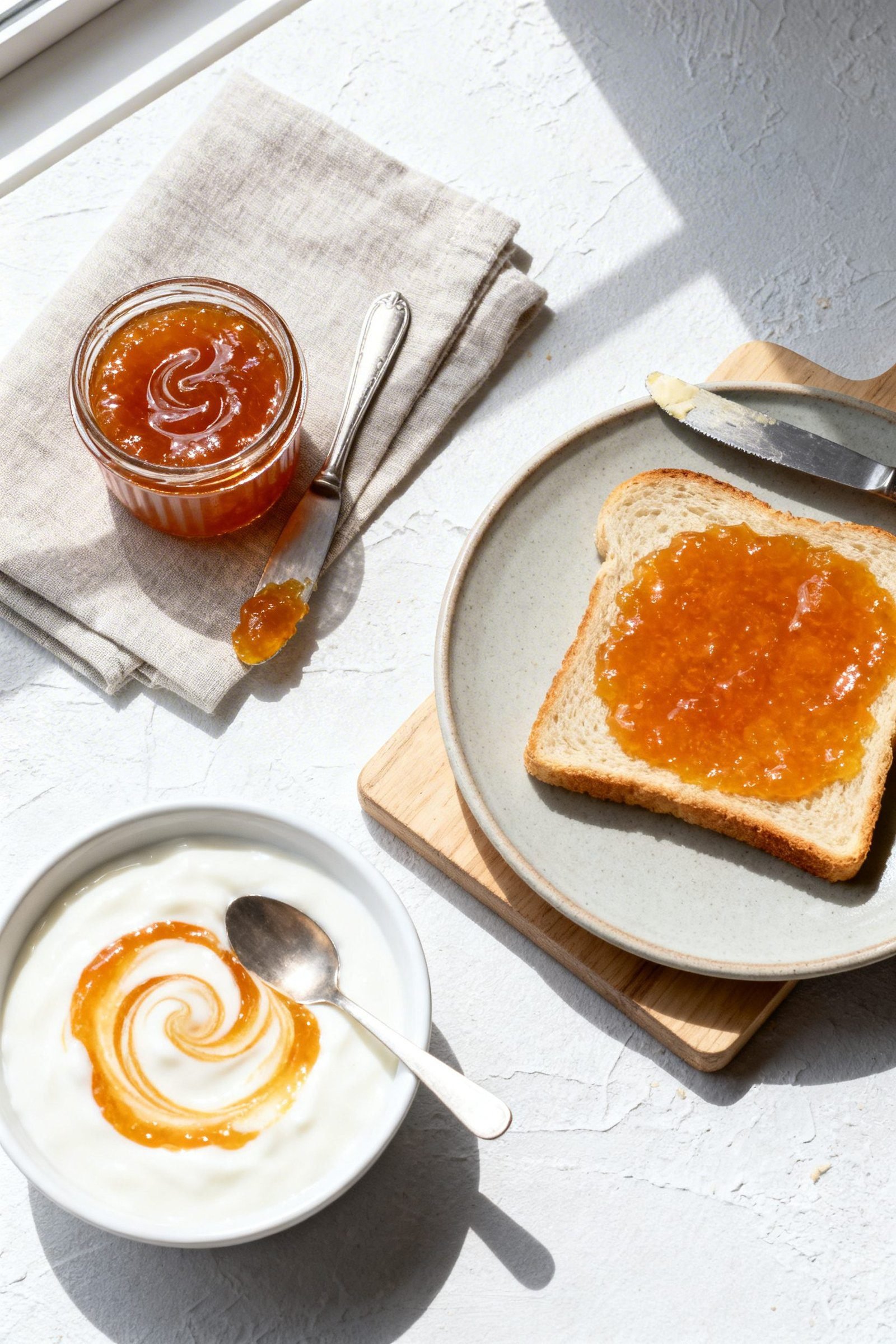
Meet your new summer staple: a bright, spoonable apricot jam that tastes like sunshine in a jar. It comes together with just apricots, sugar, lemon, and a touch of time, and you’ll get a glossy preserve that spreads beautifully on toast, swirls into yogurt, and perks up everything from cheese boards to cakes.
I’ve made this jam more times than I can count, and it never disappoints. You don’t need fancy equipment or store-bought pectin—just ripe apricots and a good pot. The flavor leans fresh and slightly tart with a gentle sweetness, so the fruit shines through. If you’ve got 45 minutes and a basket of apricots, you’re set.
Why This Easy Apricot Jam Recipe Works
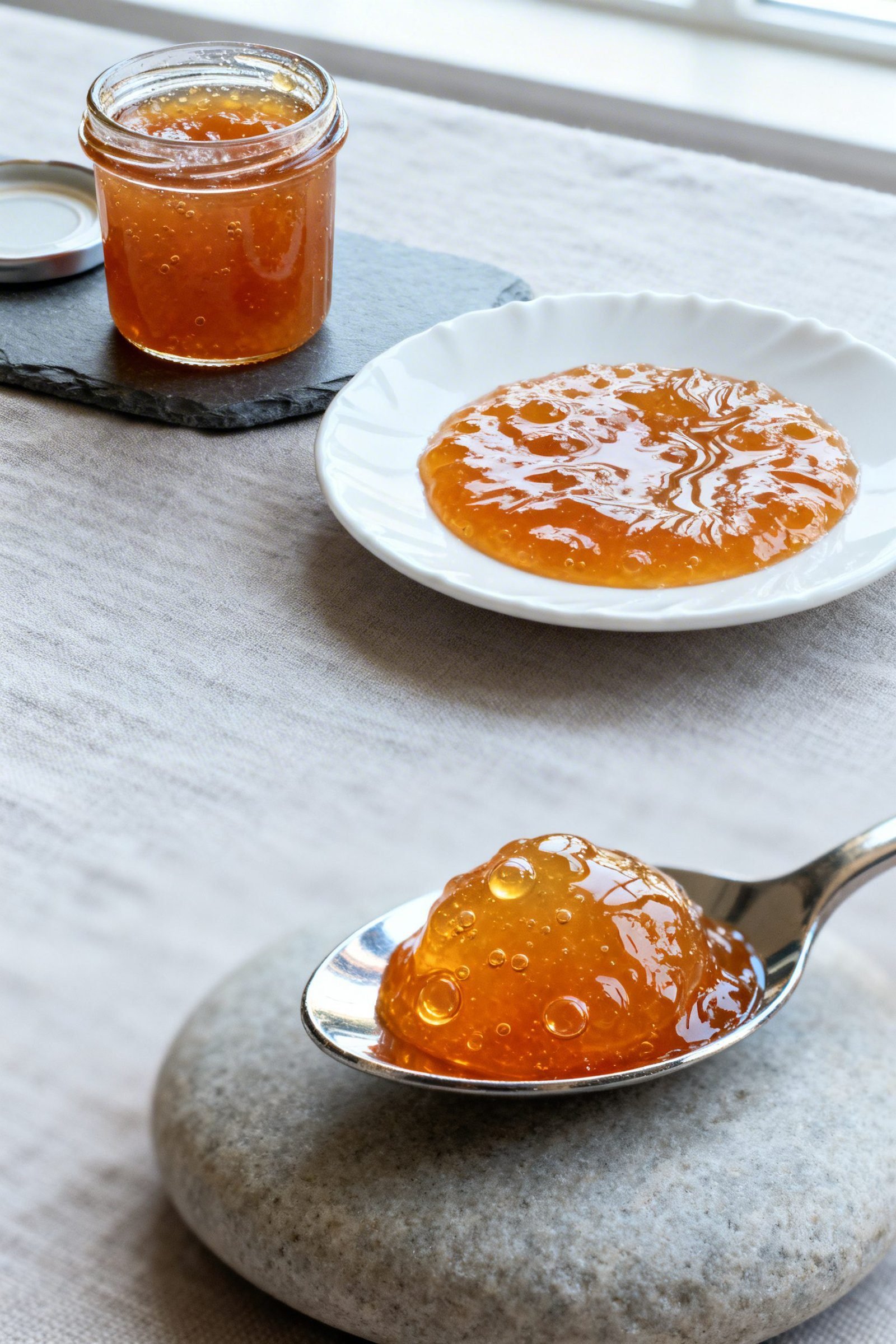
- No pectin needed: Apricots contain natural pectin, so you get a soft, jammy set without additives.
- Short ingredient list: Fruit, sugar, and lemon do all the heavy lifting for flavor, color, and set.
- Quick stovetop method: The jam cooks in under 30 minutes after maceration, so you get fresh flavor and vibrant color.
- Balanced sweetness: Lemon juice brightens the fruit and prevents cloying sweetness.
- Beginner-friendly: Clear cues—like bubble size and the plate test—remove the guesswork.
Ingredients
- 2 1/2 pounds fresh apricots, ripe but firm (about 10–12 medium)
- 2 cups granulated sugar (adjust to taste; see notes)
- 2 tablespoons fresh lemon juice (plus extra to taste)
- 1 teaspoon lemon zest (optional, for brighter citrus notes)
- Pinch of fine sea salt (rounds out the sweetness)
Notes on Ingredients
- Ripe apricots should feel slightly soft when pressed, with a fragrant aroma and deep color.
- Sugar ratio: Use 3/4 to 1 cup sugar per pound of pitted fruit for a classic preserve. Reduce slightly for a looser, less sweet jam, but don’t cut too much or the jam won’t set or keep well.
- Lemon provides acidity for set, flavor, and safe storage in the fridge.
How to Make Simple Apricot Jam
1) Prep the Fruit
- Wash and dry the apricots. Halve them, remove pits, and chop into small pieces (about 1/2-inch).
- Weigh or measure the chopped fruit. You want around 6 cups chopped apricots.
2) Macerate for Better Texture
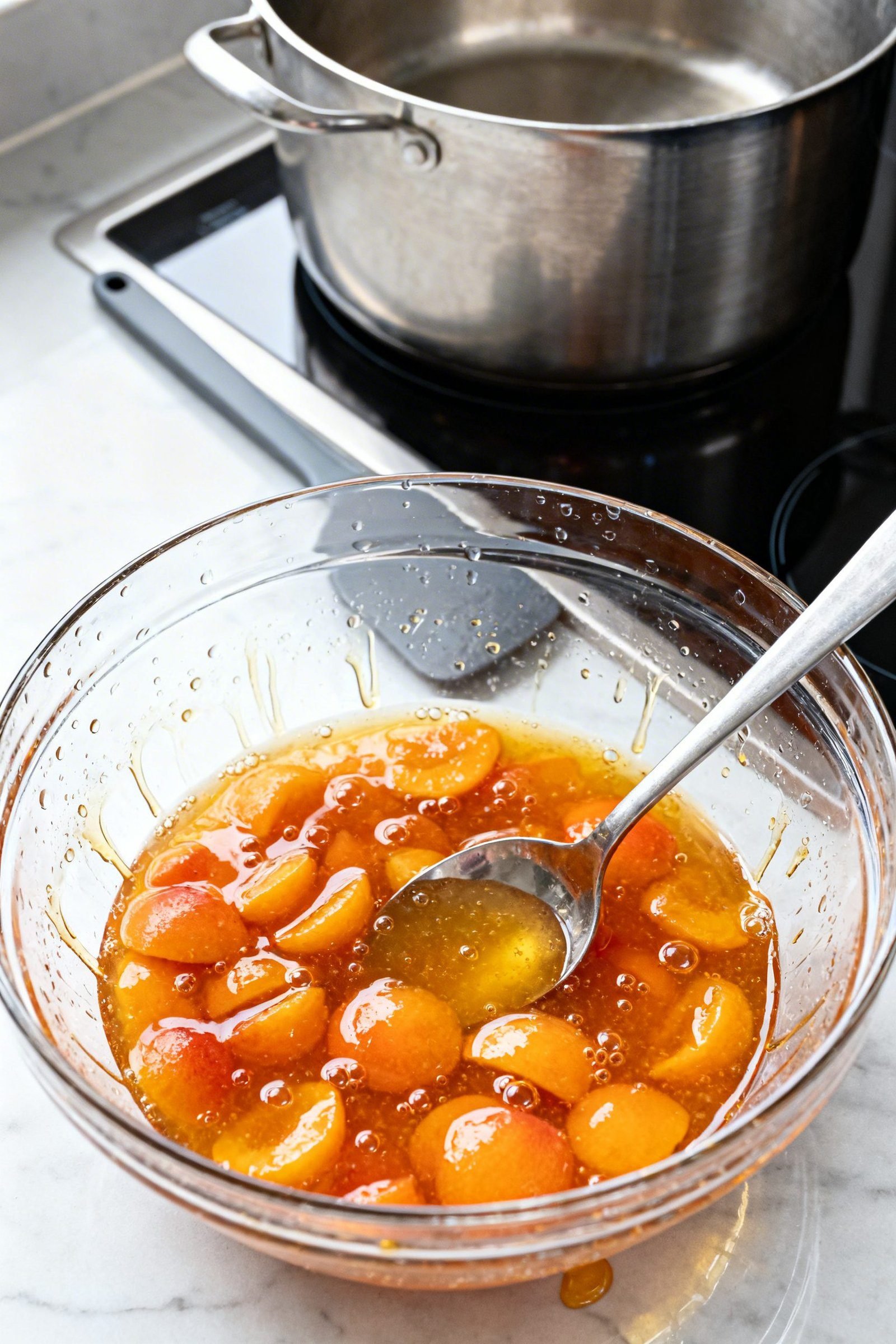
- In a large nonreactive bowl, toss apricots with sugar, lemon juice, lemon zest, and a pinch of salt.
- Let sit for 30–60 minutes, stirring once or twice, until the sugar dissolves and juices pool.
3) Cook the Jam
- Transfer the fruit and all juices to a wide, heavy pot. A wide base speeds evaporation and helps the jam set faster.
- Bring to a boil over medium-high heat, stirring often. Skim pale foam as it forms.
- Lower to a lively simmer and cook 15–25 minutes, stirring frequently to prevent sticking.
- As the jam thickens, bubbles will become slower and more glossy. Stir more often near the end to avoid scorching.
4) Check for Doneness
- Cold plate test: Chill a small plate in the freezer. Spoon on a little jam and wait 30 seconds. Push it with your finger. If it wrinkles and holds a soft mound, it’s ready. If it runs, cook 3–5 minutes more and test again.
- Temperature cue: If you use a thermometer, aim for 218–221°F (103–105°C).
- Visual signs: The jam coats the back of a spoon, and a spatula dragged across the pot leaves a brief track.
5) Finish and Jar
- Taste and add a splash more lemon if you want extra brightness.
- For a smoother texture, lightly mash with a potato masher or pulse with an immersion blender in short bursts.
- Ladle the hot jam into clean, warm jars, leaving a little headspace. Wipe rims and seal with lids.
How to Store Apricot Jam
- Refrigerator: Cool to room temperature, then refrigerate for up to 3–4 weeks.
- Freezer: Use freezer-safe containers and leave headspace. Freeze for up to 6 months. Thaw in the fridge.
- For pantry storage: If you want shelf-stable jars, process filled jars in a boiling water bath per safe canning guidelines for your altitude. Follow tested times from a trusted source.
Benefits of Making Your Own Apricot Preserves
- Peak-season flavor: Captures the essence of ripe apricots without dulling their brightness.
- Fewer ingredients: No artificial flavors or thickeners—just fruit-forward goodness.
- Flexible sweetness: You control the sugar level and texture.
- Budget-friendly: A few pounds of fruit turn into several jars of premium jam.
- Versatile: Spread on toast, glaze grilled meats, dollop on pancakes, swirl into oatmeal, or pair with cheese.
What to Avoid When Making Apricot Jam
- Skipping the lemon: You need acidity for flavor, color, and a reliable set.
- Using overripe or bruised fruit only: Too-mushy fruit can dull flavor and reduce natural pectin. Mix ripe with slightly firm apricots.
- Overcrowding a small pot: A narrow pot slows evaporation and leads to runny jam.
- Walking away near the end: Jam scorches quickly as it thickens. Stir and watch closely.
- Cutting sugar too much: Low sugar can mean poor set and shorter storage life.
Variations You Can Try
- Vanilla bean: Split 1 vanilla bean and simmer it with the fruit; remove before jarring.
- Honey-kissed: Replace 1/4 of the sugar with mild honey for floral depth.
- Ginger apricot: Add 1–2 teaspoons grated fresh ginger for a zesty kick.
- Almond twist: Stir in 1/4 teaspoon almond extract off heat for a classic apricot–almond vibe.
- Spiced warmth: Add a cinnamon stick and a few cardamom pods during cooking; remove before jarring.
- Apricot + citrus: Add 1/2 cup finely chopped orange or a splash of orange liqueur at the end.
- Chunky preserves: Reserve 1 cup chopped apricots and fold in after cooking for soft fruit pieces.
FAQ
Can I use frozen apricots?
Yes. Thaw completely and drain excess liquid, then proceed. You may need a few extra minutes to reach gel stage.
Do I need pectin?
No. Apricots have enough natural pectin when paired with sugar and lemon. If you prefer a firmer set, you can add low-sugar pectin and follow the package directions.
Why is my jam runny?
It likely needs more cooking time or a wider pot for faster evaporation. Return it to the pot and simmer a few minutes more, then test again.
How do I fix jam that’s too thick?
Stir in a few tablespoons of hot water or lemon juice over low heat until it loosens to your liking.
Do I have to peel apricots?
No. The skins soften during cooking and add color and body. If you want a silky texture, blend briefly after cooking.
How much jam will this make?
About 3 to 4 half-pint jars, depending on how juicy your apricots are and how long you cook.
Can I reduce the sugar?
You can reduce by about 20–25% and still get a soft set. For very low sugar, use low-sugar pectin for reliable results.
Is this recipe safe for canning?
Yes, if you follow a proper boiling water bath canning process and use clean, hot jars, new lids, and correct headspace. Always follow reputable canning guidelines.
Conclusion
This easy apricot jam brings out everything you love about ripe summer fruit—bright, tangy, and just sweet enough. With a handful of ingredients and a little attention at the stove, you’ll end up with jars of sunshine ready to spread, swirl, and share. Grab those apricots while they’re perfect and make a batch—you’ll taste the season in every spoonful.
Easy Homemade Apricot Jam
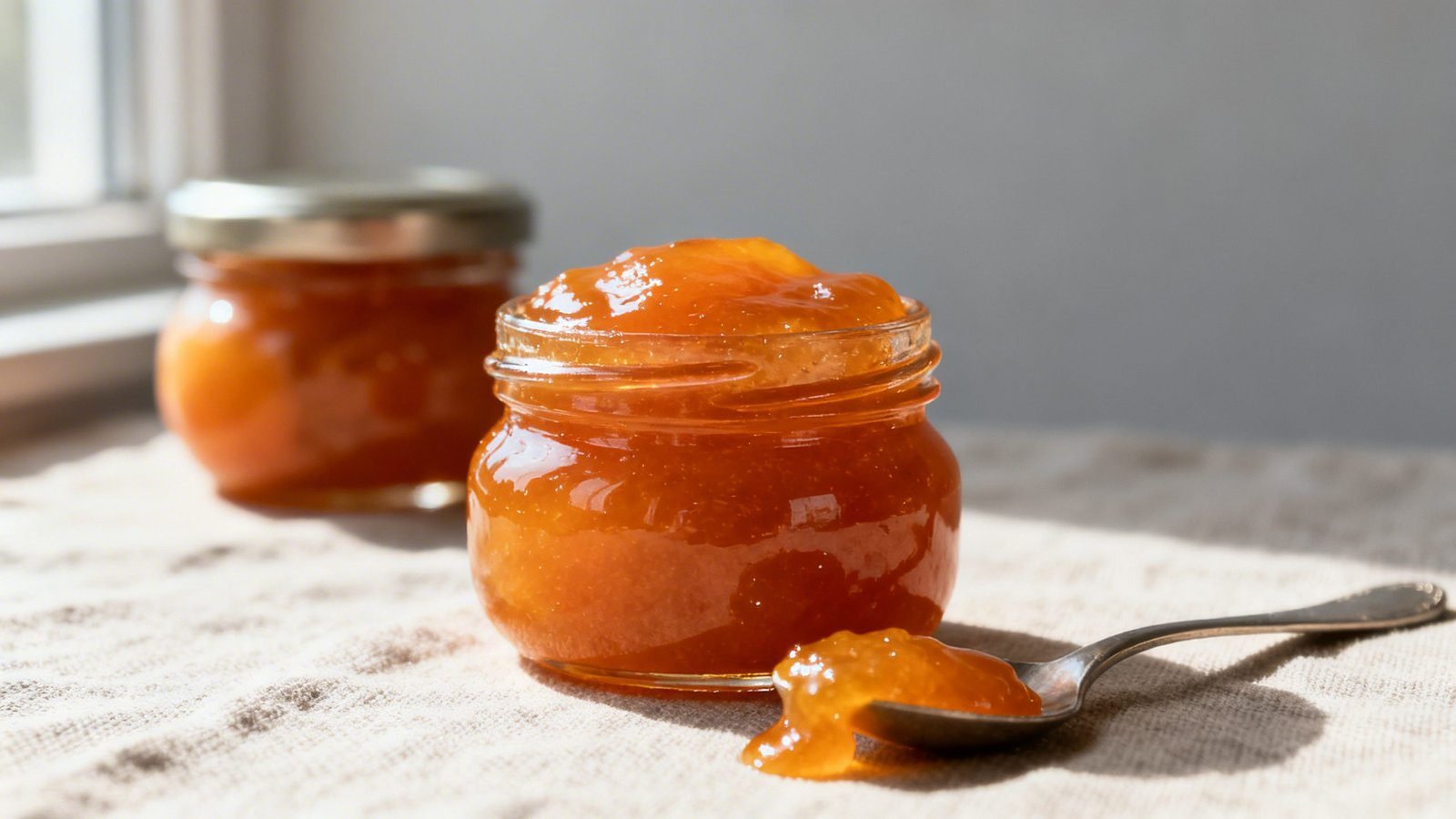
A bright, pectin-free apricot jam made with apricots, sugar, and lemon that cooks quickly to a soft, glossy set.
Ingredients
- 2 ½ pounds fresh apricots, ripe but firm (about 10–12 medium)
- 2 cups granulated sugar (adjust to taste)
- 2 tablespoons fresh lemon juice (plus extra to taste)
- 1 teaspoon lemon zest (optional)
- Pinch of fine sea salt
Instructions
- Wash and dry apricots; halve, pit, and chop into ½-inch pieces (about 6 cups chopped).
- In a large nonreactive bowl, toss apricots with sugar, lemon juice, lemon zest, and a pinch of salt. Macerate 30–60 minutes, stirring once or twice, until sugar dissolves and juices pool.
- Transfer fruit and juices to a wide, heavy pot. Bring to a boil over medium-high heat, stirring often and skimming foam.
- Reduce to a lively simmer and cook 15–25 minutes, stirring frequently to prevent sticking, until thickened and glossy.
- Test doneness: use a cold plate test (wrinkles and holds a soft mound) or check temperature 218–221°F (103–105°C).
- Adjust to taste with a splash more lemon if desired. For smoother texture, lightly mash or pulse with an immersion blender.
- Ladle hot jam into clean, warm jars, leaving headspace. Wipe rims and seal with lids. Cool, then refrigerate, freeze, or process in a boiling water bath per safe canning guidelines.