Beginner Natto Recipe Guide | Easy Ways to Make Natto Taste Good at Home
You’ve heard the buzz about natto—those sticky, funky fermented soybeans loaded with probiotics—and maybe you’ve tried it once and weren’t sure how to feel. I get it. Natto can taste incredible, but it needs the right partners and a little technique. This guide walks you through beginner-friendly ways to make natto delicious at home, with easy toppings, textures that work, and simple serving ideas you can mix and match.
We’ll cover the basics: how to whip natto the right way, what to add for flavor balance, and how to turn it into quick breakfasts, satisfying rice bowls, and snackable bites. You’ll also get storage tips, mistakes to avoid, and smart variations so you never get bored.
Why This Beginner Natto Guide Makes It Taste Good
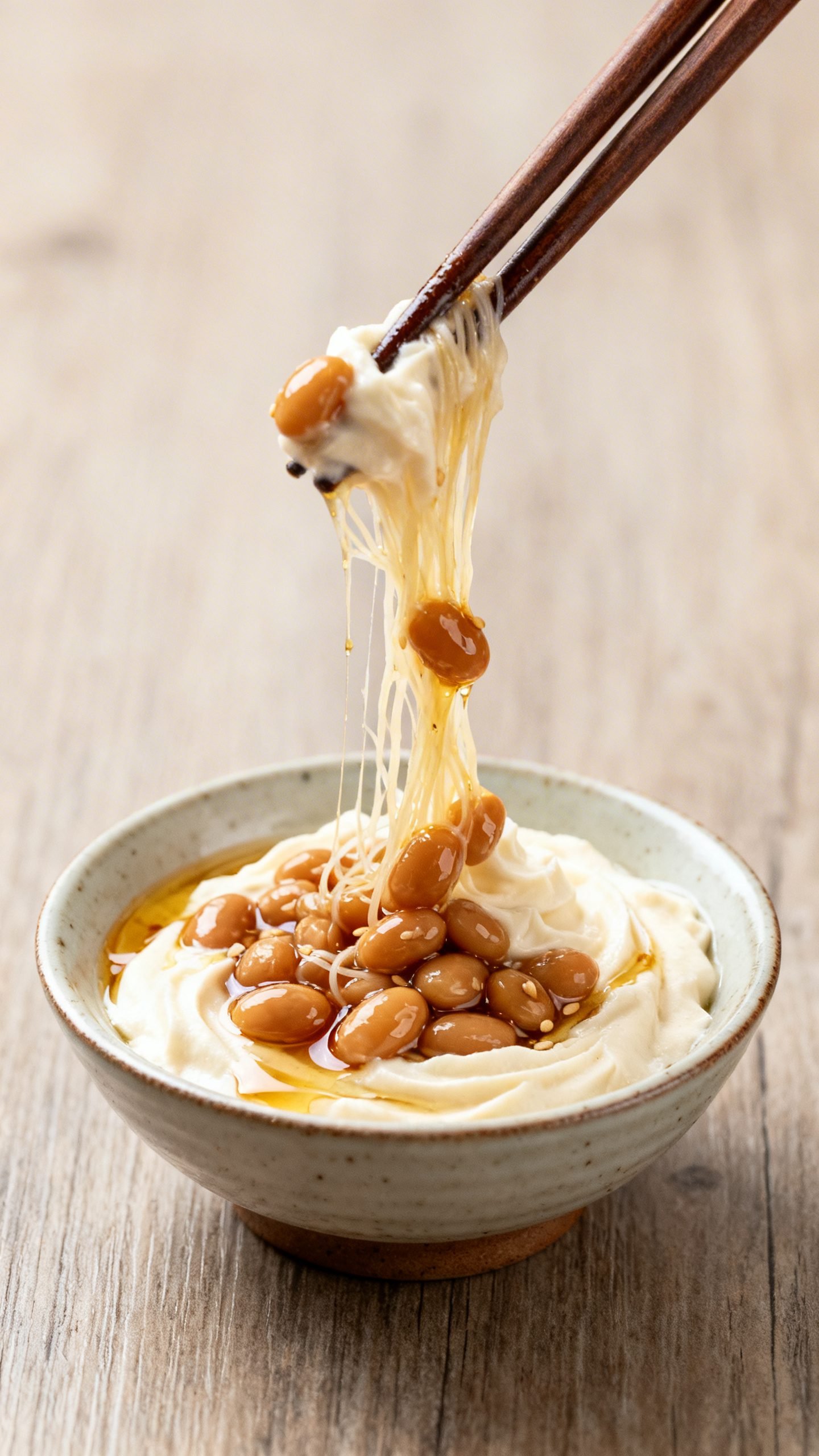
Natto shines when you balance its bold flavor and sticky texture with the right elements. Here’s why this approach works for new fans:
- Balance of flavors: Salty soy sauce or tamari, a little sweetness, and a touch of acid tame natto’s funk in seconds.
- Texture contrast: Crunchy toppings like green onions, toasted sesame seeds, or nori chips make every bite more fun.
- Easy heat + fat: A soft egg, buttered rice, or avocado adds richness that smooths out strong notes.
- Simple routine: Whisking natto until it gets extra sticky makes it lighter, creamier, and more cohesive with rice or noodles.
- Flexible format: You can enjoy natto as a quick rice bowl, a protein-packed breakfast, or a chilled noodle topper.
Ingredients
Start with the basics, then add flavor boosters. You control the intensity and texture.
Base
- 1–2 packs natto (usually 40–50 g each), with included sauce and mustard if provided
- 1 bowl hot steamed rice, chilled rice, or cooked noodles (soba or udon work great)
Flavor Boosters (choose 2–4)
- Soy sauce or tamari (start with 1–2 teaspoons)
- Rice vinegar or lemon juice (½–1 teaspoon)
- Mirin or a pinch of sugar (optional, ½ teaspoon)
- Karashi (Japanese mustard) or Dijon (a pea-sized squeeze)
- Toasted sesame oil (¼–½ teaspoon)
Fresh and Crunchy Toppings (choose 2–4)
- Thinly sliced green onions
- Shredded nori or furikake
- Toasted sesame seeds
- Grated ginger
- Finely diced cucumber or radish
- Chopped shiso or cilantro
Rich Add-Ins (choose 1–2)
- Soft-boiled egg, onsen egg, or raw egg yolk
- Avocado slices
- Butter (½–1 teaspoon on hot rice)
- Kimchi (for heat and tang)
- Canned tuna or salmon flakes
How to Make Natto Taste Great Step-by-Step
1) Prep the Natto
- Open the natto pack. Remove the film carefully to keep beans in the tray.
- Add the included sauce and mustard if you like them. If not, use soy sauce and a small squeeze of mustard to taste.
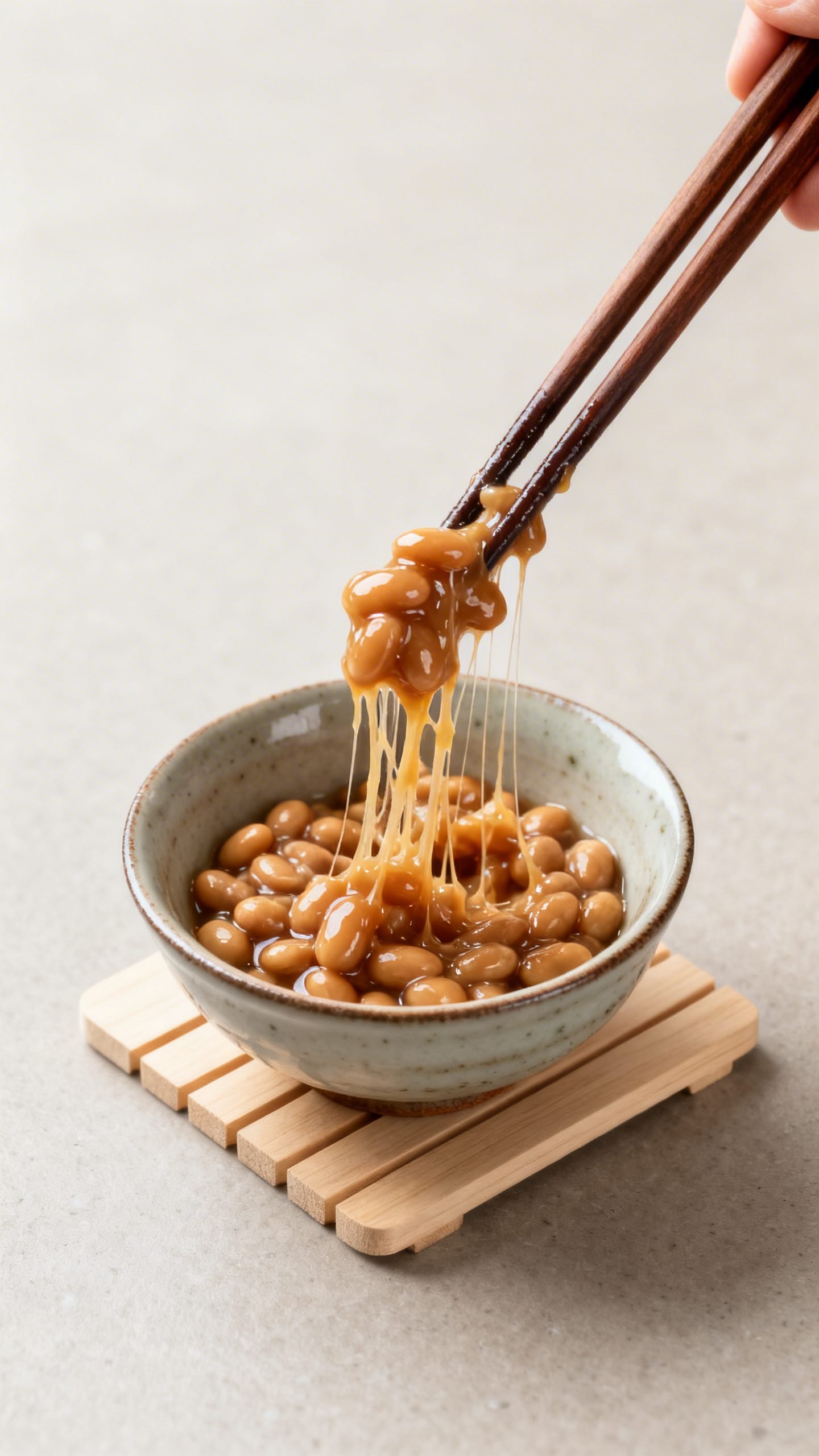
- Whisk the natto with chopsticks or a fork for 30–60 seconds until it turns very sticky and glossy. Whisking aerates it and softens the flavor.
2) Build the Flavor
- Add 1–2 teaspoons soy sauce or tamari.
- Stir in ½ teaspoon rice vinegar or lemon juice for brightness.
- Add ¼–½ teaspoon sesame oil for aroma. Taste and adjust salt and acidity.
- If you want mild sweetness, mix in ½ teaspoon mirin or a pinch of sugar.
3) Choose Your Base
- Hot rice bowl: Spoon natto over steamy rice. Add a pat of butter for creamy richness if you like.
- Chilled noodle bowl: Toss natto with cold soba or udon and a splash more soy and vinegar.
- Crisp toast: Pile natto on buttered toast or nori sheets for a snackable bite.
4) Top and Serve
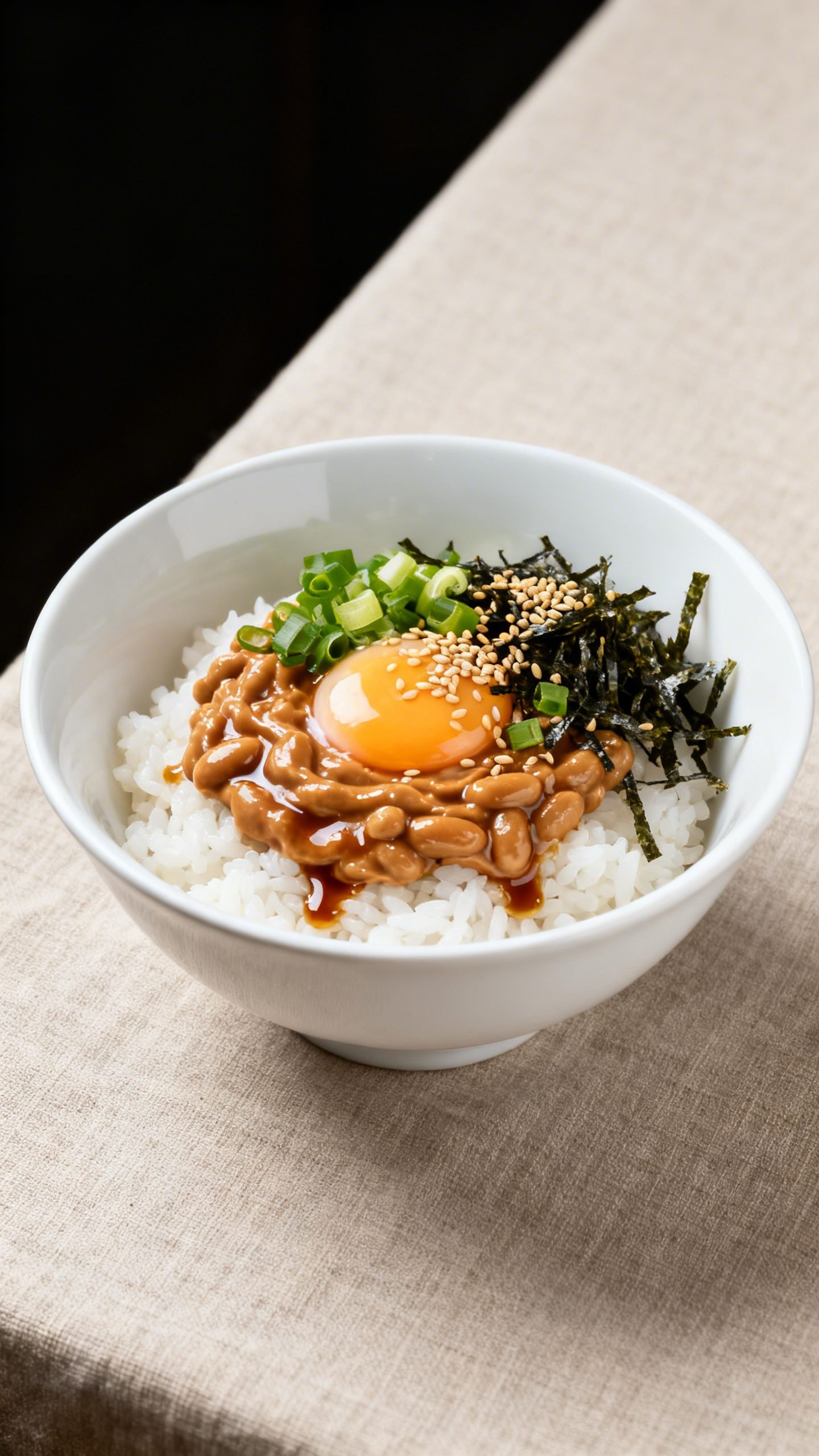
- Finish with green onions, shredded nori, and sesame seeds.
- Add a soft-boiled egg or egg yolk for silkiness.
- For heat, add kimchi or a few drops of chili oil.
Tip: If natto tastes too strong at first, use more rice, avocado, or egg. Increase crunch and acid to brighten it.
How to Store Natto for Fresh Flavor
- Refrigerate promptly: Keep unopened natto in the fridge. Use by the printed date for best flavor.
- After opening: Transfer leftovers to an airtight container. Eat within 1–2 days for peak taste and texture.
- Freezing works: Freeze unopened packs up to 1–2 months. Thaw overnight in the fridge. Do not microwave to thaw or you’ll lose texture.
- Sauce storage: Keep any included sauce packets with the natto or use your own pantry sauces as needed.
Health Benefits You Get from Natto
- Live probiotics: Natto provides beneficial bacteria that support digestion and gut health.
- Vitamin K2: Natto ranks as one of the richest sources, which supports bone and cardiovascular health.
- Plant protein and fiber: It keeps you full and fuels steady energy.
- Nattokinase enzyme: A unique enzyme found in natto that many people include for heart health routines.
- Low-cost, quick meal: You can build a complete bowl in minutes with pantry staples.
Mistakes to Avoid with Natto
- Skipping the whisk: If you don’t whip it, natto tastes stronger and feels clumpier.
- Over-saucing: Too much soy sauce drowns the beans. Season lightly, then taste.
- Heating aggressively: Boiling or microwaving natto can dull flavor and ruin texture. Keep it warm at most, not hot.
- Ignoring acidity: A tiny splash of vinegar or citrus rounds out the funk beautifully.
- Forgetting texture: Always add crunch—green onions, sesame, or nori—to keep bites lively.
Tasty Variations You Can Try
Breakfast Natto Bowl
- Hot rice + whipped natto + soft-boiled egg + green onions + sesame
- Flavor note: Add butter or a splash of dashi soy for comfort-food vibes.
Natto Avocado Toast
- Toast + mashed avocado + seasoned natto + chili flakes + lemon zest
- Tip: Drizzle with sesame oil and top with furikake.
Natto Soba with Citrus
- Cold soba + natto + ponzu + grated ginger + shiso + nori strips
- Make-ahead: Chill noodles and toppings, then assemble right before eating.
Spicy Kimchi Natto
- Steamed rice + natto + chopped kimchi + sesame seeds + green onions
- Heat lovers: A few drops of chili oil or gochujang makes it pop.
Nori “Taco” Bites
- Snack-size nori sheets + rice + natto + cucumber + a dot of mustard
- Party-friendly: Set up a topping bar so everyone builds their own.
FAQ
What does natto taste like?
Natto tastes nutty, savory, and mildly funky with a sticky, stretchy texture. With soy sauce, acid, and crunchy toppings, it becomes balanced and satisfying.
How long should I whisk natto?
Whisk 30–60 seconds until it looks glossy and stringy. More whisking equals lighter, creamier texture and milder flavor.
Can I eat natto with eggs?
Yes. A soft-boiled egg, onsen egg, or raw yolk adds richness and smooths flavor. If using a raw yolk, use very fresh eggs from a trusted source.
Is freezing natto okay?
Yes. Freeze unopened packs up to 1–2 months. Thaw in the fridge overnight. Texture and probiotics hold up well when thawed gently.
What if I don’t like the smell?
Add ginger, lemon juice, or kimchi. Serve over hot rice with butter or avocado to mellow the aroma.
Is natto gluten-free?
The soybeans themselves are gluten-free. Use tamari or gluten-free soy sauce to keep the dish fully gluten-free.
Conclusion
Natto rewards a little technique and the right partners. Whisk it well, season with salt, acid, and aromatics, then add crunch and richness. Start simple—hot rice, soy sauce, green onions—and build from there. With these easy methods, you’ll turn natto from “interesting” to a regular, delicious part of your week.
Beginner Natto Recipe Guide | Easy Ways to Make Natto Taste Good at Home
Ingredients
Ingredients
- 1–2 packs natto (40–50 g each), with included sauce and mustard if provided
- 1 bowl hot steamed rice, chilled rice, or cooked noodles (soba or udon)
- Soy sauce or tamari (1–2 teaspoons)
- Rice vinegar or lemon juice (1/2–1 teaspoon)
- Mirin or a pinch of sugar (optional, 1/2 teaspoon)
- Karashi (Japanese mustard) or Dijon (a pea-sized squeeze)
- Toasted sesame oil (1/4–1/2 teaspoon)
- Thinly sliced green onions
- Shredded nori or furikake
- Toasted sesame seeds
- Grated ginger
- Finely diced cucumber or radish
- Chopped shiso or cilantro
- Soft-boiled egg, onsen egg, or raw egg yolk
- Avocado slices
- Butter (1/2–1 teaspoon, for hot rice)
- Kimchi
- Canned tuna or salmon flakes
Instructions
Instructions
- Open the natto pack, remove the film, and add the included sauce and mustard if using, or substitute with soy sauce and a small squeeze of mustard.
- Whisk the natto with chopsticks or a fork for 30–60 seconds until very sticky, glossy, and aerated.
- Season with 1–2 teaspoons soy sauce or tamari, 1/2 teaspoon rice vinegar or lemon juice, and 1/4–1/2 teaspoon sesame oil, then taste and adjust salt and acidity.
- If desired, add mild sweetness with 1/2 teaspoon mirin or a pinch of sugar and stir to combine.
- Choose a base: spoon natto over hot rice, toss with chilled soba or udon and a splash more soy and vinegar, or pile onto buttered toast or nori sheets.
- Top with green onions, shredded nori, and sesame seeds, and add a soft-boiled egg or egg yolk, avocado, kimchi, or other preferred add-ins.
- Serve immediately; if the flavor is too strong, increase the amount of rice, avocado, or egg, and add extra crunch and acidity.