Traditional Scottish Shortbread Recipe | Classic Buttery Cookie
You can’t beat a tray of warm, buttery Scottish shortbread. It’s simple, rustic, and melt-in-your-mouth tender—just the way it should be. With only a handful of pantry ingredients, this classic cookie brings pure comfort and a little bit of heritage to your kitchen.
I’ll show you how to get that signature crumbly, sandy texture and gentle sweetness every time. No guesswork, no fuss. Just honest, time-tested shortbread that pairs perfectly with tea, coffee, or a cozy afternoon at home.
Why This Classic Scottish Shortbread Works
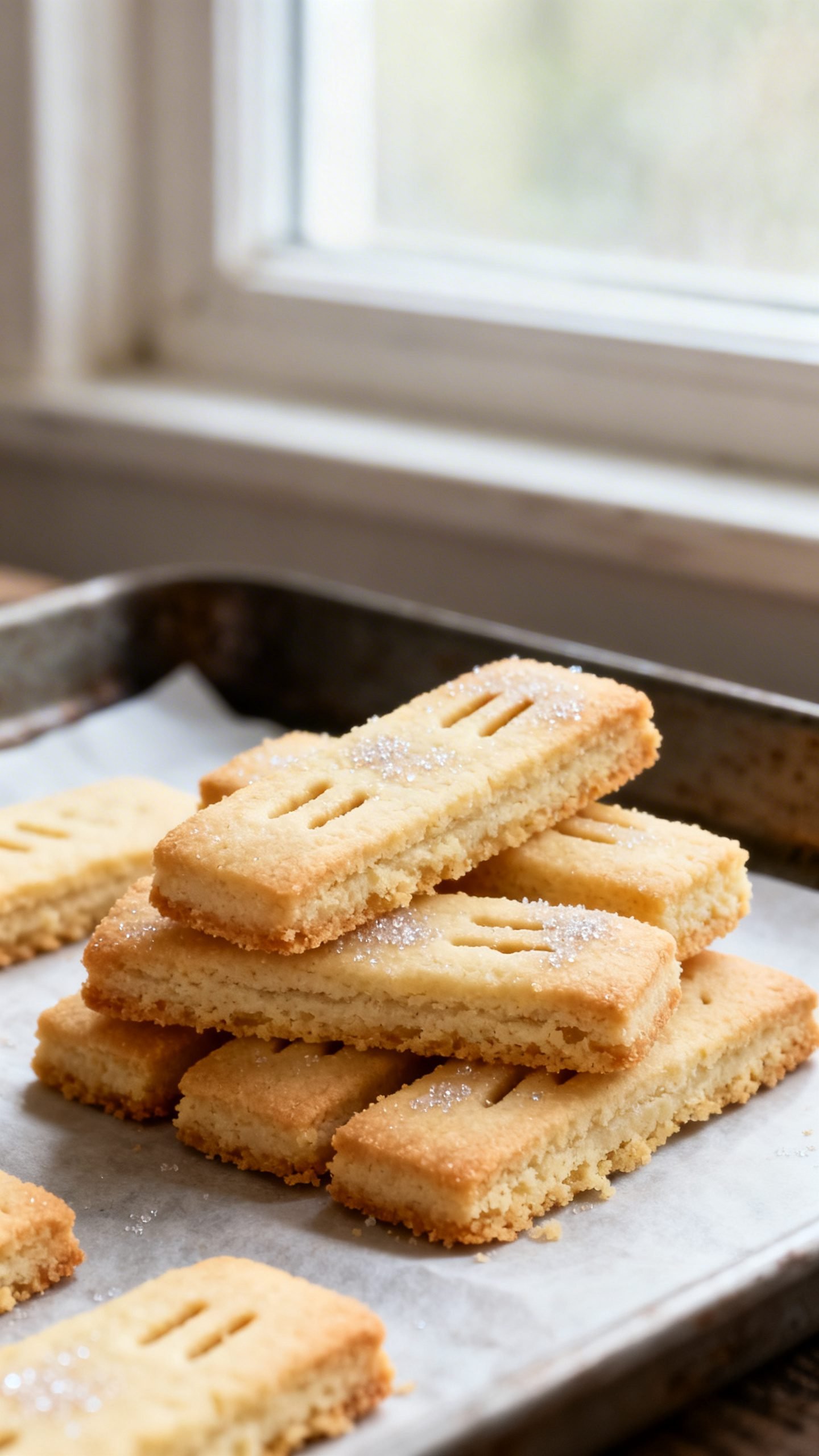
- Minimal ingredients, maximum flavor: Butter, sugar, and flour do the heavy lifting. Each bite tastes rich and clean.
- Right texture every time: A balanced butter-to-flour ratio creates a tender, sandy crumb that dissolves on your tongue.
- Low effort, high reward: No fancy tools or techniques. You mix, press, chill, and bake.
- Time-honored method: A brief chill firms the dough and helps the cookies keep neat edges and delicate layers.
- Perfect for gifting: The cookies keep well and stack neatly in tins for holidays or hostess gifts.
Ingredients
- 1 cup (226 g) unsalted butter, softened – use real butter for classic flavor and texture
- 1/2 cup (100 g) granulated sugar – for sweetness and light crunch; caster sugar works great too
- 2 cups (240 g) all-purpose flour – measured by spoon-and-level for accuracy
- 1/4 cup (30 g) rice flour or cornstarch – optional, but it boosts tenderness and that melt-away crumb
- 1/2 teaspoon fine sea salt – balances sweetness and lifts the buttery flavor
- Optional finishes: 1–2 tablespoons extra sugar for sprinkling; vanilla bean paste or a hint of lemon zest if you like
How to Make Traditional Scottish Shortbread
1) Prep the pan and oven
- Heat oven to 300°F (150°C). A lower temperature bakes shortbread evenly and prevents browning.
- Line an 8-inch square pan (or a 9-inch round tart pan) with parchment, leaving overhang for easy lifting.
2) Cream butter and sugar gently
- Add softened butter and sugar to a bowl.
- Beat on low to medium-low until creamy and smooth, about 1–2 minutes. Avoid whipping lots of air.
3) Bring the dough together
- Whisk flour, rice flour (or cornstarch), and salt in a separate bowl.
- Add dry ingredients to the butter mixture and mix on low until shaggy and just combined.
- Finish by hand and press the dough together. It should feel soft and slightly crumbly, not sticky.
4) Press, dock, and chill
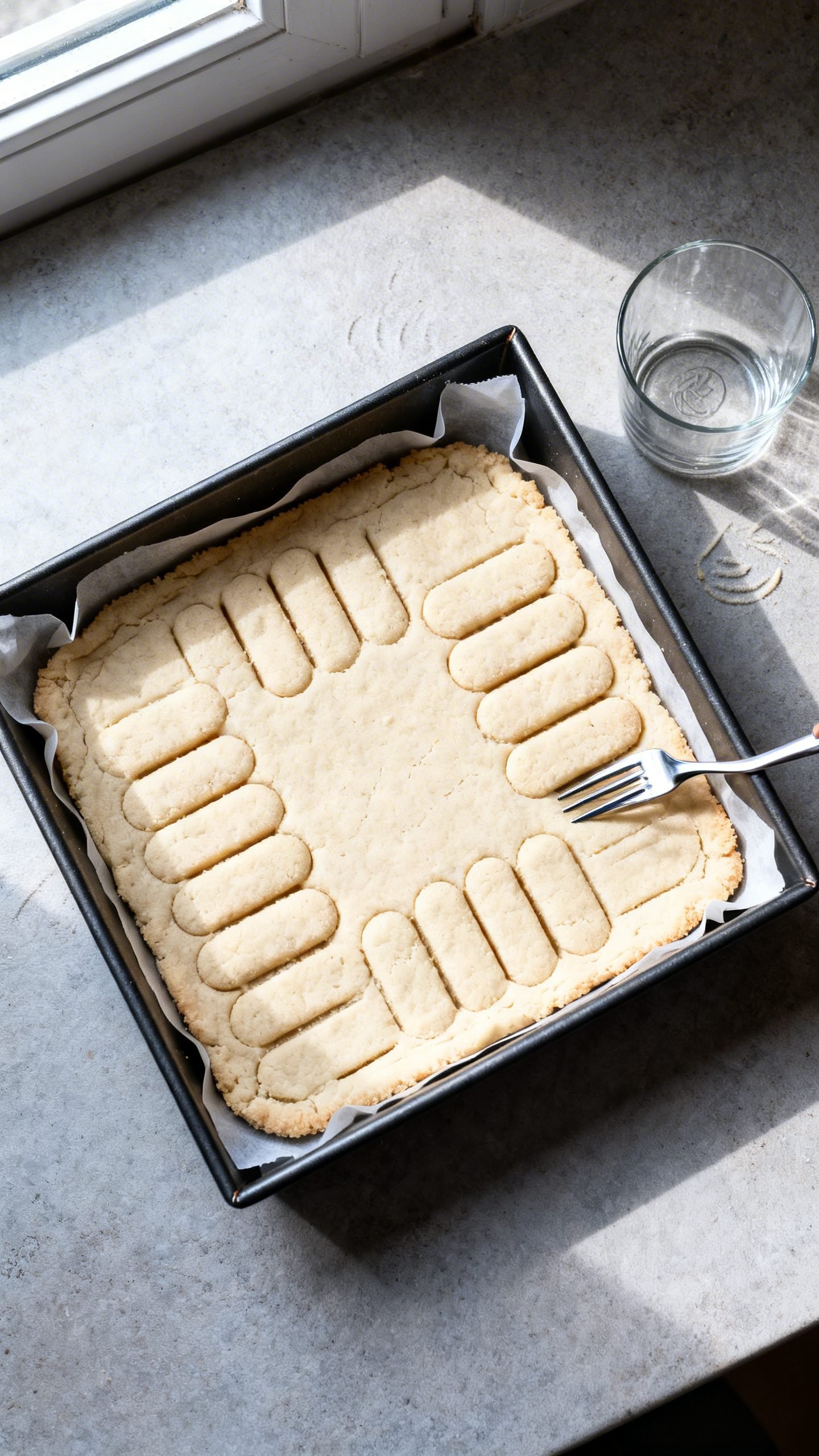
- Transfer dough to the prepared pan and press evenly to reach all corners with a flat-bottomed cup or your fingers.
- Score the top into bars, fingers, or wedges with a knife—this guides clean cuts later.
- Dock the surface with a fork to prevent bubbling and help even baking.
- Chill 20–30 minutes to firm the butter and lock in that neat, crumbly structure.
5) Bake low and slow
- Bake 35–45 minutes at 300°F until the edges turn pale golden and the top looks set and dry.
- Shortbread should look lightly colored, not deeply browned.
6) Cut and cool
- Sprinkle a light dusting of sugar on top if you want extra sparkle.
- Re-score while warm and cut along the lines for clean edges.
- Cool completely in the pan, then lift out and separate the pieces.
Pro Tips for Success
- Measure flour carefully: Too much flour makes dry, tough cookies. Spoon and level; don’t pack.
- Keep it cool: Chilling prevents spread and protects that sandy crumb.
- Don’t overmix: Mix only until the dough holds. Overworking develops gluten and toughens texture.
- Stay pale: Pull the shortbread before it browns too much. Pale gold equals perfect.
How to Store Classic Shortbread Cookies
- Room temperature: Store in an airtight tin or container for 1–2 weeks. Separate layers with parchment.
- Freezer: Wrap baked cookies tightly and freeze up to 2 months. Thaw at room temp, uncovered, to keep crisp.
- Freeze unbaked dough: Press dough in a lined pan, wrap well, and freeze up to 2 months. Bake from chilled, adding a few extra minutes.
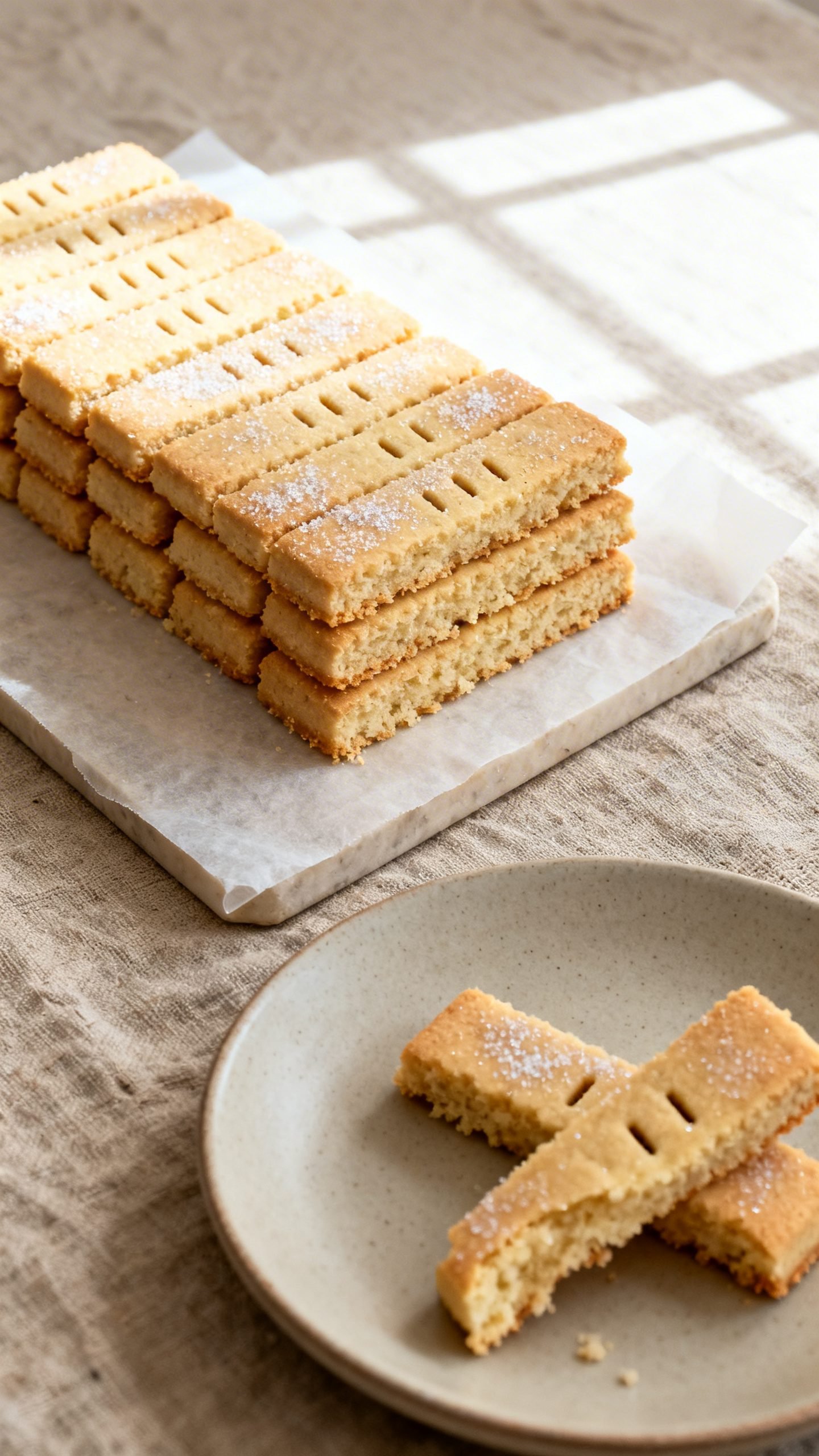
Benefits of Making Traditional Scottish Shortbread
- Budget-friendly: Pantry staples create a luxurious treat without specialty ingredients.
- Beginner-friendly: Straightforward steps and forgiving dough.
- Perfect make-ahead: Flavor improves after a day as the butter settles and the crumb relaxes.
- Versatile shape: Press into pans, roll and cut, or mold into petticoat tails for a classic look.
- Wonderful for gifting: Stays fresh, travels well, and looks elegant in simple packaging.
What to Avoid
- Overbaking: Deep color means dryness. Aim for pale gold edges only.
- Overmixing: Stop as soon as the dough comes together to avoid toughness.
- Warm dough: Skipping the chill causes spreading and uneven texture.
- Too much flour: Heavy scoops lead to chalky cookies. Measure accurately.
- Salted butter without adjustments: If you use salted butter, reduce or omit added salt.
Variations You Can Try
- Vanilla bean shortbread: Add 1 teaspoon vanilla bean paste for warm, aromatic sweetness.
- Lemon or orange zest: Fold in 1–2 teaspoons zest for bright citrus notes.
- Chocolate-dipped: Dip cooled fingers halfway in melted dark chocolate and let set.
- Almond twist: Swap 1/4 cup flour for almond flour and add 1/2 teaspoon almond extract.
- Earl Grey: Grind 1–2 teaspoons tea leaves and blend into the dry ingredients.
- Brown sugar edge: Replace half the white sugar with light brown sugar for a toffee hint.
- Spiced holiday: Add a pinch of cinnamon and cardamom, then sprinkle with demerara sugar.
FAQ
Why does my shortbread crumble too much?
Too much flour or not enough butter causes excess crumbling. Measure carefully and press the dough firmly into the pan.
Can I make shortbread without rice flour or cornstarch?
Yes. Use all all-purpose flour. The texture stays tender if you don’t overmix and you chill the dough.
Why did my shortbread spread?
Warm dough or a hot oven often does it. Chill before baking and stick to 300°F for best structure.
Is powdered sugar better than granulated?
Granulated sugar gives a light crunch. Powdered sugar creates a softer, more delicate crumb. Both work; pick your favorite texture.
How thick should I press the dough?
About 1/2 inch yields classic bite and crumble. Thinner bakes faster and can turn crisp; thicker needs extra minutes.
Can I make them gluten-free?
Use a 1:1 gluten-free flour blend and keep the rice flour or cornstarch. Chill well and avoid overbaking.
Conclusion
Traditional Scottish shortbread proves that simple ingredients still win. With careful measuring, a gentle hand, and a short chill, you’ll pull a pan of buttery, tender cookies that taste like home. Bake a batch today, brew a cup of tea, and enjoy every sandy, melt-away bite.
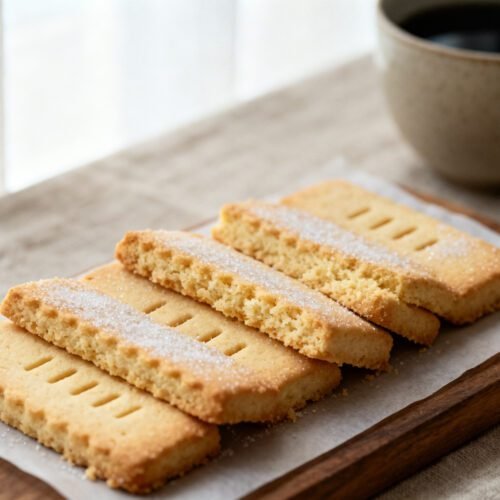
Traditional Scottish Shortbread Recipe | Classic Buttery Cookie
Ingredients
Ingredients
- 1 cup (226 g) unsalted butter, softened
- 1/2 cup (100 g) granulated sugar
- 2 cups (240 g) all-purpose flour
- 1/4 cup (30 g) rice flour or cornstarch (optional)
- 1/2 teaspoon fine sea salt
- 1–2 tablespoons extra sugar for sprinkling (optional)
- 1 teaspoon vanilla bean paste or 1–2 teaspoons lemon zest (optional)
Instructions
Instructions
- Heat the oven to 300°F (150°C) and line an 8-inch square pan or 9-inch round tart pan with parchment, leaving overhang.
- Beat the softened butter and granulated sugar on low to medium-low until creamy and smooth, about 1–2 minutes, without whipping in excess air.
- Whisk the all-purpose flour, rice flour or cornstarch, and salt together, then add to the butter mixture and mix on low until just combined and shaggy.
- Finish bringing the dough together by hand until it holds and feels soft and slightly crumbly.
- Press the dough evenly into the prepared pan, score the top into desired shapes, and dock the surface with a fork.
- Chill the pan of dough for 20–30 minutes to firm up.
- Bake at 300°F for 35–45 minutes until the edges are pale golden and the top looks set and dry.
- If desired, sprinkle a light dusting of sugar over the top, then re-score and cut while warm for clean edges.
- Cool completely in the pan, then lift out using the parchment and separate the pieces.