Best Cupcake Frosting Recipe | Easy Homemade Buttercream Icing
You know those cloud-like swirls on bakery cupcakes that make you do a double take? You can make that at home with this easy buttercream frosting. It’s silky, pipes beautifully, and tastes like a vanilla dream. No fancy ingredients, no stress—just a reliable recipe you’ll reach for every time you bake.
I’ve tested a lot of frostings, and this one nails the sweet spot: smooth texture, sturdy enough to hold shape, and not cloyingly sweet when you balance it right. Use it on cupcakes, cakes, cookies—whatever needs a fluffy, creamy finish. Let’s make your cupcakes look (and taste) pro-level.
Why This Easy Buttercream Frosting Works
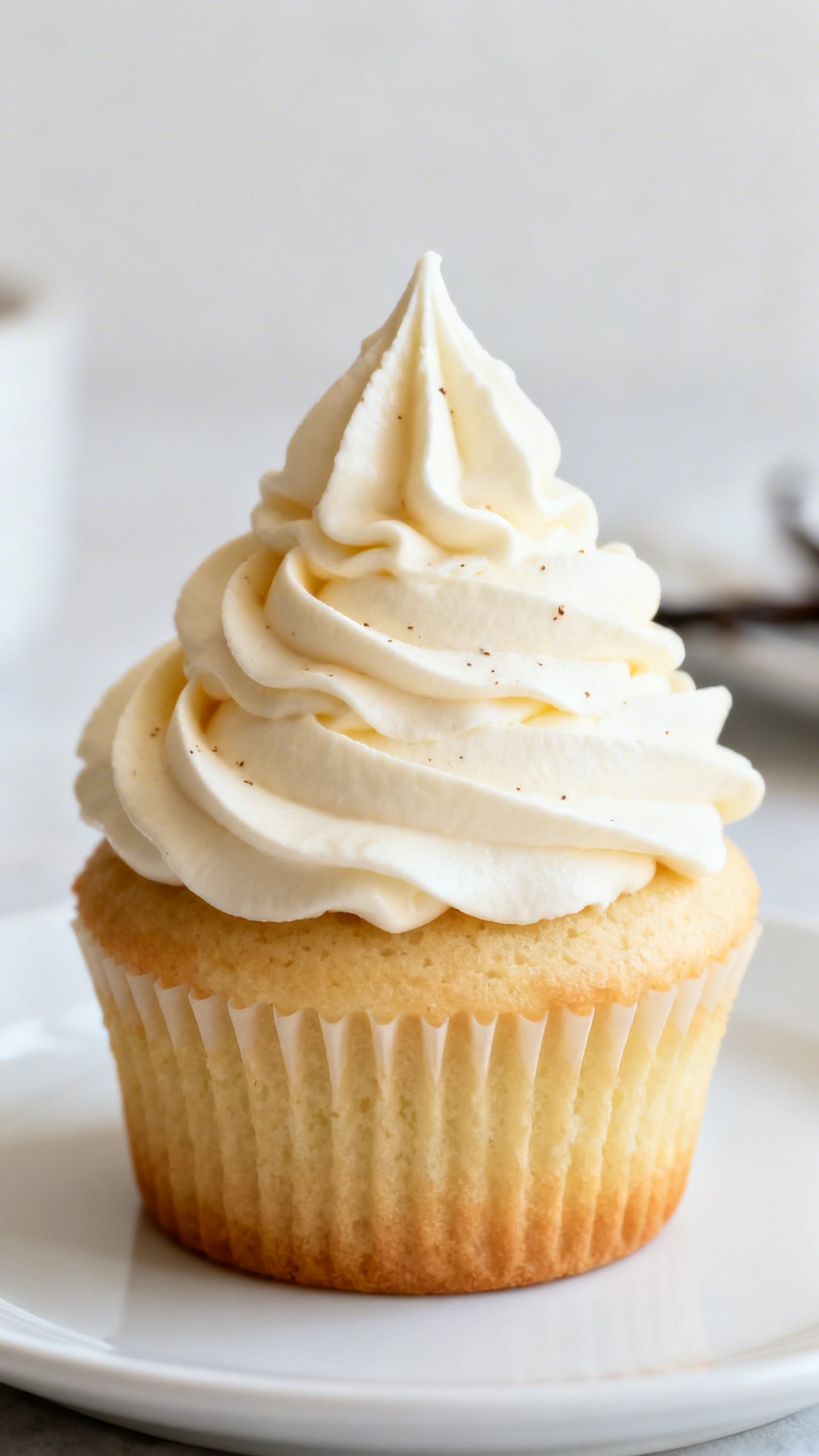
- Fluffy, smooth texture: Proper creaming traps air, so the frosting stays light and pipeable.
- Stable enough for swirls: The butter-to-sugar ratio gives structure without tasting chalky.
- Balanced sweetness: A pinch of salt and real vanilla bring out flavor and tame the sugar.
- Fast and forgiving: You can fix it if it’s too thick, too thin, or a little grainy.
- Customizable base: Swap flavors, add colors, or adjust consistency for spreading or piping.
Ingredients
- Unsalted butter (room temperature) – 1 cup (2 sticks). Soft but cool to the touch; a gentle press should leave a slight dent.
- Powdered sugar – 3.5 to 4 cups, sifted. Start with 3.5, add more as needed for structure and sweetness.
- Heavy cream or whole milk – 2 to 4 tablespoons, for thinning and extra creaminess. Cream gives richer body.
- Pure vanilla extract – 2 teaspoons, or use vanilla bean paste for specks and deeper flavor.
- Fine sea salt – 1/8 to 1/4 teaspoon, to balance sweetness.
- Optional: 1–2 teaspoons fresh lemon juice for brightness, or a few drops almond extract for a bakery-style twist.
How to Make Perfect Buttercream Frosting
Equipment You’ll Need
- Stand mixer with paddle attachment or hand mixer
- Rubber spatula
- Sifter or fine-mesh strainer
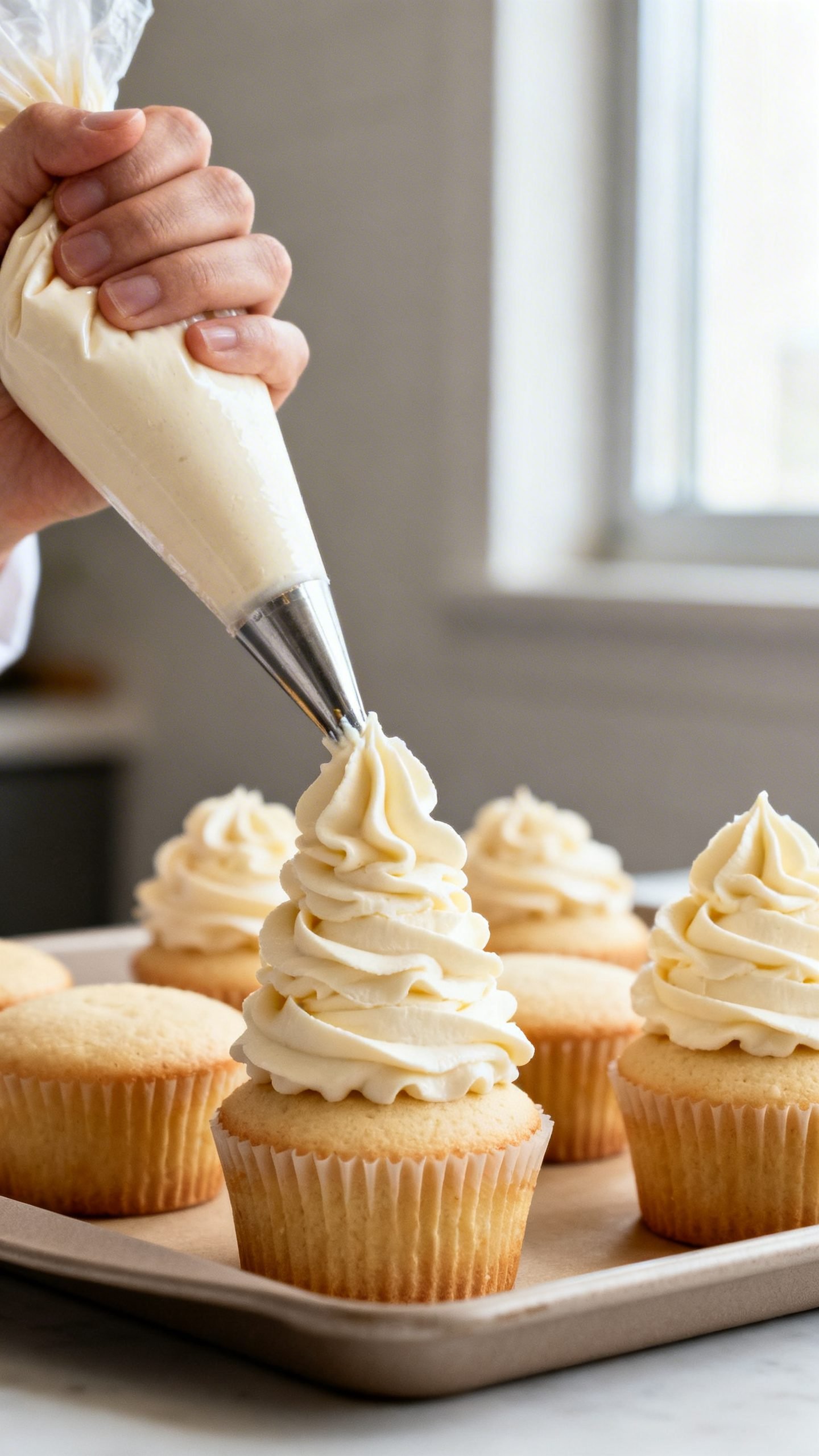
- Piping bags and tips (1M or 2D for classic swirls, optional)
Step-by-Step Instructions
- Cream the butter: Add room-temperature butter to the bowl. Beat on medium speed for 2–3 minutes until pale and creamy. Scrape the bowl once halfway through. Proper creaming builds the foundation for a smooth, fluffy frosting.
- Add powdered sugar gradually: Sift in 1 cup of powdered sugar. Mix on low until just combined to avoid a sugar cloud, then increase to medium. Repeat in 1-cup increments until you’ve added 3.5 cups. Scrape the bowl and beater often.
- Add vanilla and salt: Mix in vanilla extract and the salt. Taste and adjust salt as needed. Salt sharpens flavor and cuts the edge of sweetness.
- Adjust consistency: Add 1 tablespoon of cream at a time and beat on medium until the frosting looks light and spreadable. For piping swirls, keep it slightly stiffer; for spreading, add a touch more cream.
- Whip for fluff: Increase to medium-high and beat for 1–2 minutes. This step adds volume and a silky finish without making the frosting airy to the point of bubbles.
- Fine-tune: If you want more body, add the remaining powdered sugar by the tablespoon. If it tastes too sweet, add a tiny extra pinch of salt or 1–2 teaspoons lemon juice to brighten.
Texture Troubleshooting
- Too thick/stiff: Add cream 1 teaspoon at a time and mix.
- Too thin/loose: Add 1–2 tablespoons powdered sugar, then beat 30 seconds.
- Grainy: Sift the sugar and beat longer; warmth helps dissolve tiny crystals. Let it sit 5 minutes, then beat again.
- Greasy or shiny: Butter got too warm. Chill the bowl 10 minutes, then beat until fluffy.
- Full of bubbles: Mix on low for 30–60 seconds at the end to smooth. Use a spatula to press out air pockets.
How to Store Buttercream Frosting
- Room temperature: Keep covered up to 1 day if your kitchen stays cool (68–72°F). Stir before using.
- Refrigerator: Store in an airtight container up to 1 week. Bring to room temp and re-whip 15–30 seconds before piping.
- Freezer: Freeze up to 3 months. Thaw overnight in the fridge, then bring to room temp and beat briefly to refresh.
- On cupcakes: Frosted cupcakes keep well covered at room temp for 1 day, or refrigerate up to 4 days. Let them sit 20–30 minutes before serving for the best texture.
Benefits of This Buttercream Recipe
- Beginner-friendly: Simple steps and forgiving ratios mean great results on the first try.
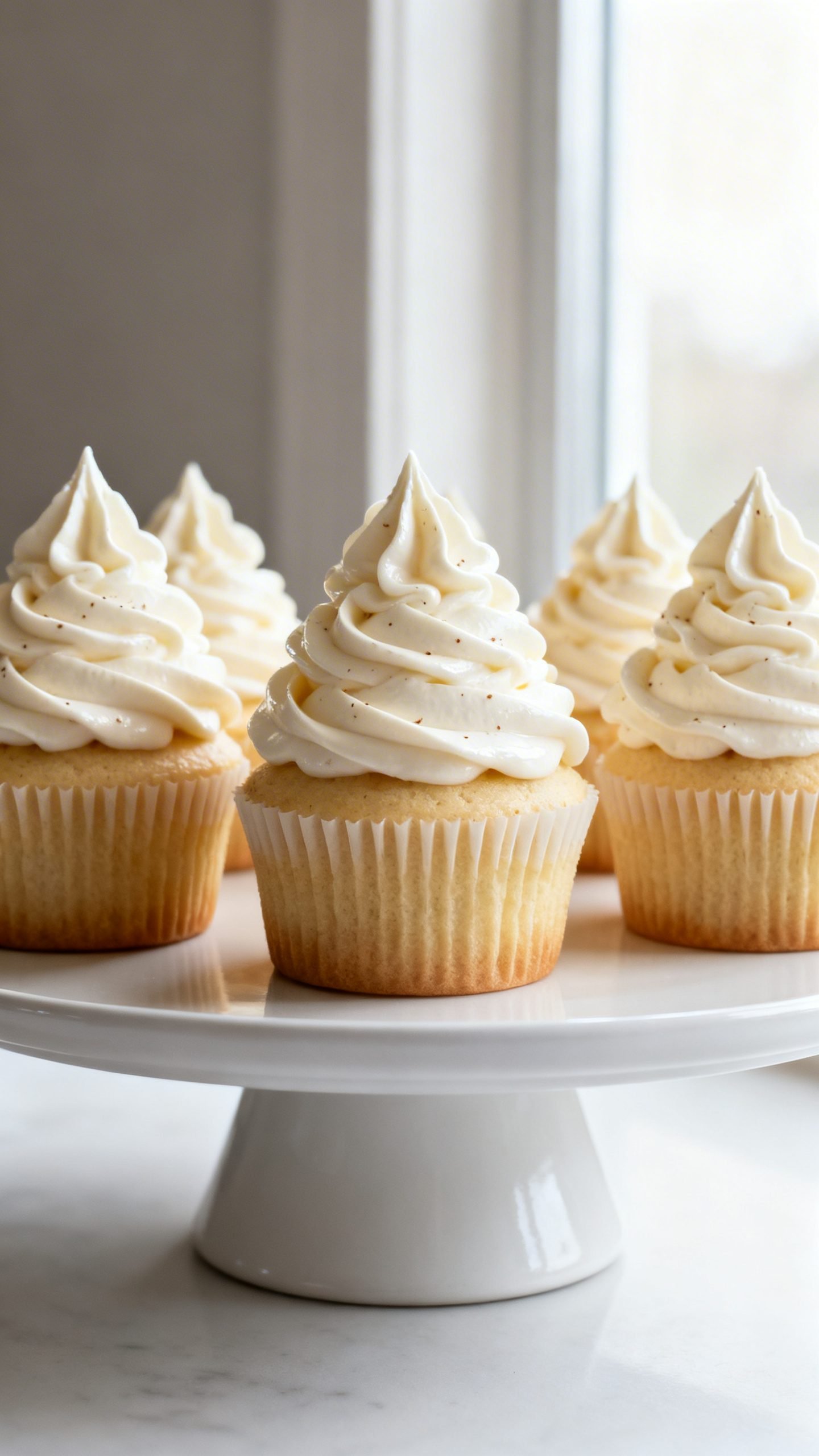
- Bakery-style finish: Holds pretty swirls and sharp edges without tasting heavy.
- Pantry staples: Butter, sugar, vanilla—no meringue technique or specialty ingredients needed.
- Make-ahead friendly: Mix, chill, and re-whip when you need it.
- Custom flavor base: Add cocoa, citrus, spices, or extracts without changing the structure.
What Not to Do
- Don’t use melted or overly soft butter: It leads to greasy, loose frosting. Aim for cool, pliable butter.
- Don’t skip sifting the sugar: Lumps cause gritty frosting and clogged piping tips.
- Don’t add all the liquid at once: You’ll overshoot the texture. Add gradually.
- Don’t overbeat forever: Too much air creates bubbles and weak swirls. Whip just until fluffy.
- Don’t frost hot cupcakes: Heat melts buttercream. Cool completely before piping.
Variations You Can Try
- Vanilla bean buttercream: Swap half the extract for vanilla bean paste for specks and robust flavor.
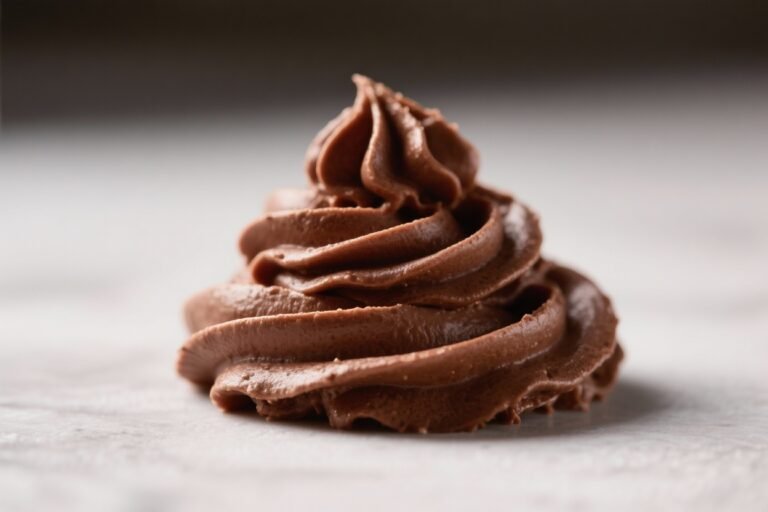
- Chocolate buttercream: Beat in 1/2 cup Dutch-process cocoa and 1–2 extra tablespoons cream. Add a pinch of espresso powder to deepen flavor.
- Strawberry buttercream: Mix in 3–4 tablespoons freeze-dried strawberry powder. Add a tiny squeeze of lemon for brightness.
- Lemon buttercream: Add 1 tablespoon lemon zest and 1–2 tablespoons lemon juice. Increase sugar slightly if needed.
- Almond bakery buttercream: Use 1 teaspoon vanilla and 1/4–1/2 teaspoon almond extract. A dash of salt keeps it balanced.
- Salted caramel: Beat in 1/4 cup thick caramel sauce and a pinch of flaky salt. Adjust sugar for structure.
- Coloring tips: Use gel food coloring for vibrant hues without thinning. Add a dot at a time and mix well.
FAQ
Can I use salted butter?
Yes. Reduce or omit added salt, then taste and adjust. Salted butter varies by brand, so add extra salt only if needed.
How much frosting does this make?
Enough for about 12–16 cupcakes with tall swirls, or a 2-layer 8-inch cake with modest decoration. Double the recipe for extra-large swirls or heavy borders.
Do I need a stand mixer?
No. A hand mixer works great. It might take a minute longer to get the same fluff, but you’ll get there.
How do I fix frosting that tastes too sweet?
Add a pinch or two of fine salt, a splash of lemon juice, or a teaspoon of vanilla. Balance, then whip briefly to blend.
Why is my frosting grainy?
Likely unsifted sugar or under-creamed butter. Sift the sugar, let the frosting rest 5 minutes, then beat again. A tablespoon of cream helps smooth it out.
Can I make it dairy-free?
Yes. Use high-fat vegan butter sticks and a splash of non-dairy milk. Choose brands formulated for baking to maintain structure.
What tip makes the best cupcake swirl?
A 1M star tip gives classic rosettes; a 2D makes soft, ruffled swirls. Hold the bag straight up and pipe steady pressure from the outside in.
Conclusion
This buttercream brings bakery-level swirls to your kitchen with simple steps and everyday ingredients. Keep the butter cool, sift the sugar, and adjust the cream slowly—you’ll land on a silky, stable frosting every time. Pipe it high, add a sprinkle, and watch those cupcakes disappear.
Best Cupcake Frosting Recipe | Easy Homemade Buttercream Icing
Ingredients
Ingredients
- 1 cup (2 sticks) unsalted butter, room temperature
- 3.5 to 4 cups powdered sugar, sifted
- 2 to 4 tablespoons heavy cream or whole milk
- 2 teaspoons pure vanilla extract
- 1/8 to 1/4 teaspoon fine sea salt
- Optional: 1–2 teaspoons fresh lemon juice
- Optional: a few drops almond extract
Instructions
Instructions
- Add room-temperature butter to a mixing bowl and beat on medium speed for 2–3 minutes until pale and creamy, scraping the bowl once.
- Sift in 1 cup of powdered sugar and mix on low until combined, then increase to medium; repeat in 1-cup increments until 3.5 cups are added, scraping the bowl and beater as needed.
- Mix in the vanilla extract and salt, then taste and adjust the salt if desired.
- Add cream or milk 1 tablespoon at a time, beating on medium until the frosting is light and spreadable; keep slightly stiffer for piping.
- Increase speed to medium-high and beat for 1–2 minutes to add volume and a silky finish.
- If needed, add more powdered sugar by the tablespoon for body, or balance sweetness with a tiny pinch of salt or 1–2 teaspoons lemon juice.