Lemony Fresh Mayonnaise Recipe | Light Citrus Mayo for Seafood & Salads
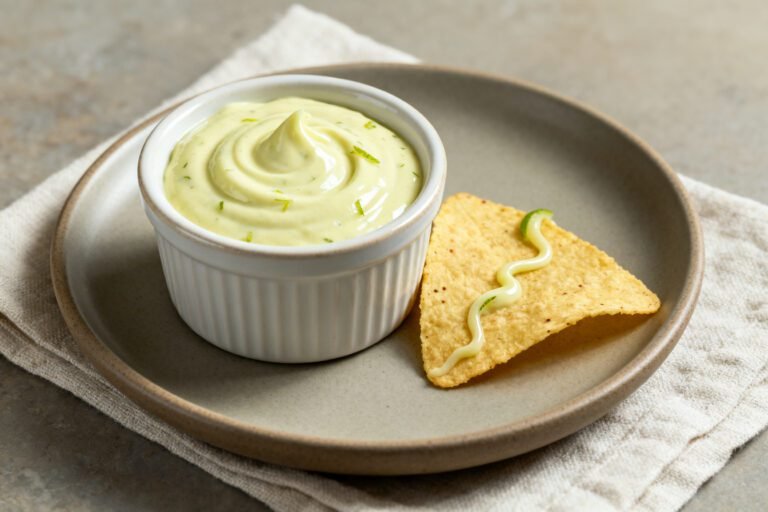
You’re going to love how bright and silky this lemony fresh mayonnaise tastes. It brings clean citrus notes, a gentle tang, and a creamy texture that hugs everything from shrimp salad to grilled asparagus. If store-bought mayo feels heavy or flat, this light citrus version wakes up your plate in seconds.
I’ll show you how to make it two ways—by hand or with a stick blender—so you get smooth, stable mayo every time. We’ll cover the best oils, how to avoid a broken emulsion, and simple swaps if you want it zestier, sweeter, or extra garlicky. Let’s get a bowl on the counter and whisk up something bright.
Why This Lemony Mayo Tastes So Good
- Balanced acidity: Fresh lemon juice cuts through richness and keeps flavors lively without harshness.
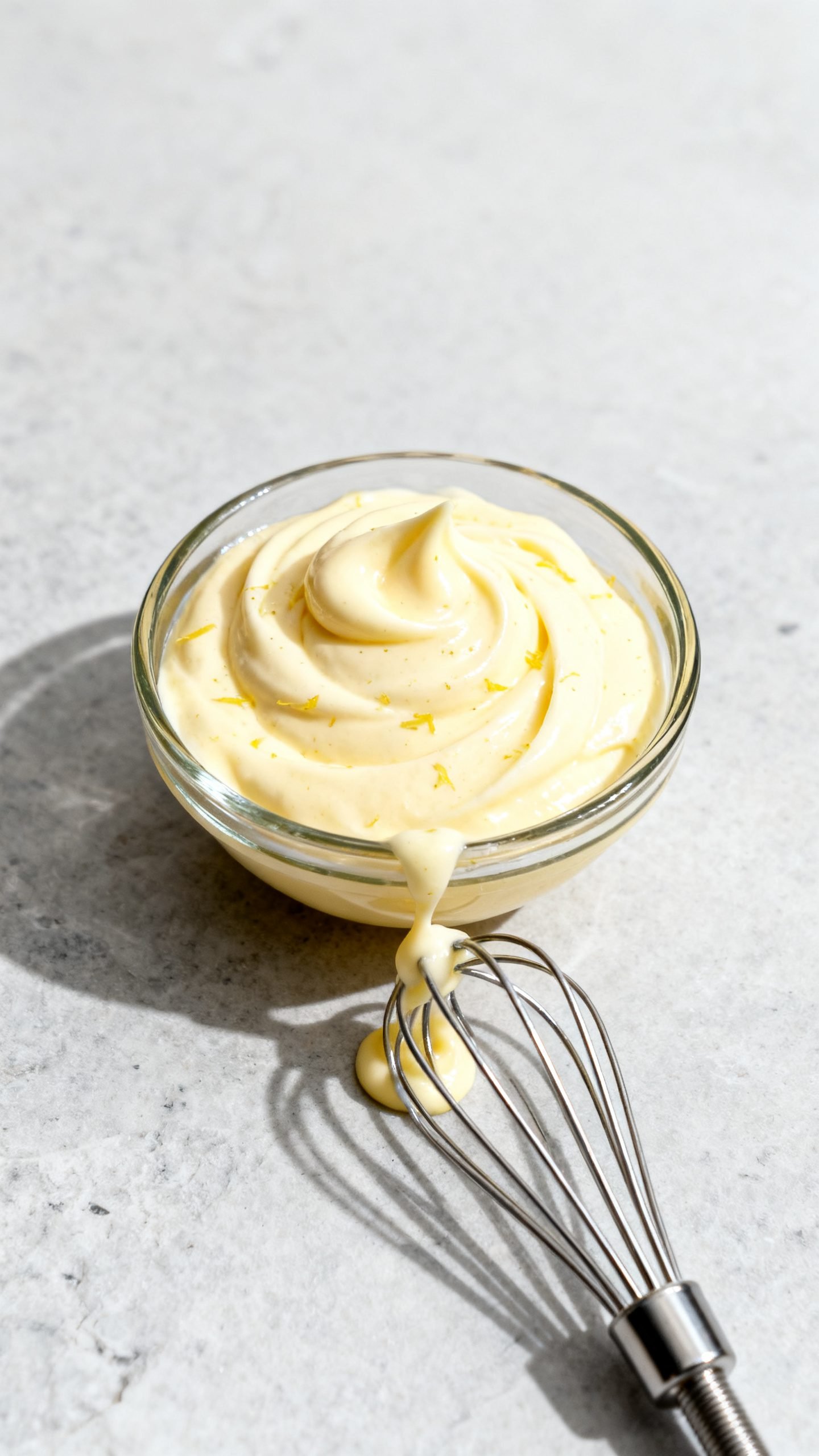
- Silky texture: A slow oil stream creates tiny droplets that make the mayo plush and spoonable.
- Clean, neutral oil: Using light oil lets lemon and a pinch of Dijon shine instead of turning heavy.
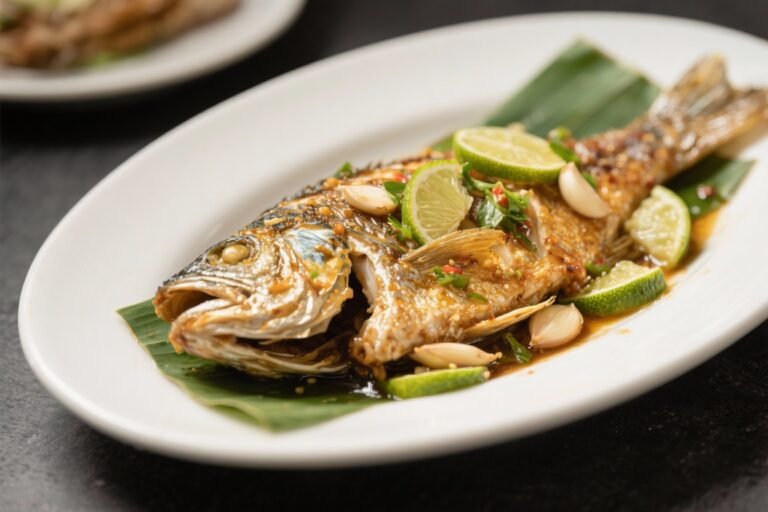
- Seafood-friendly profile: Lemon and a whisper of garlic complement delicate fish, shrimp, crab, and scallops.
- Quick to customize: Add zest, herbs, or a hint of honey to match salads, slaws, or sandwiches.
Ingredients
- 1 large egg yolk, room temperature
- 1 tablespoon Dijon mustard (for flavor and emulsifying power)
- 2–3 tablespoons fresh lemon juice (start with 2; add more to taste)
- 1 teaspoon finely grated lemon zest (optional but boosts citrus aroma)
- 1 small garlic clove, finely grated or mashed (optional for a light aioli vibe)
- 1 cup neutral oil (grapeseed, sunflower, avocado, or light olive oil; avoid extra-virgin)
- 1/2 teaspoon fine sea salt, plus more to taste
- 1/4 teaspoon white pepper or black pepper
- 1–2 teaspoons cold water (as needed to thin and lighten)
How to Make Light Lemon Mayo
Equipment Options
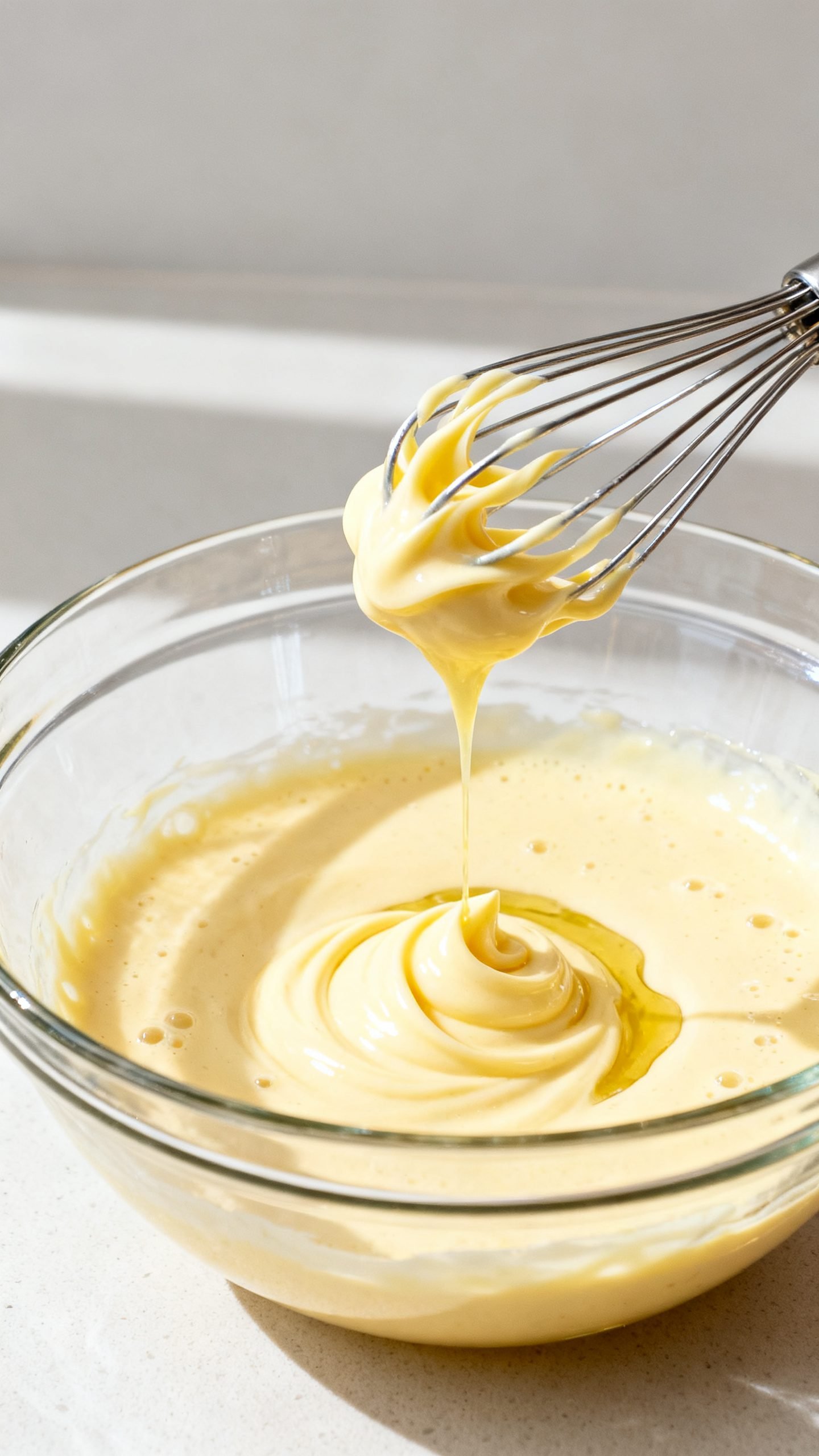
- By hand: Medium bowl and a sturdy whisk
- Stick blender: Tall, narrow container (1-quart) and immersion blender
- Food processor: Works too, but the stick blender is faster and less fussy
Step-by-Step (Whisk Method)
- Set up your bowl: Add egg yolk, Dijon, 2 tablespoons lemon juice, salt, and pepper. Whisk until glossy and fully combined.
- Start the emulsion: Drip in 2–3 teaspoons oil while whisking quickly. The mixture should thicken slightly.
- Build slowly: Add oil in a thin, steady stream, whisking constantly. Pause every few tablespoons to check thickness.
- Adjust flavor: Whisk in lemon zest and garlic (if using). Taste and add more lemon juice or salt as needed.
- Set texture: If the mayo gets too thick, whisk in 1–2 teaspoons cold water to lighten it. Aim for soft, spreadable creaminess.
Step-by-Step (Stick Blender Method)
- Layer ingredients: In a tall container, add egg yolk, Dijon, lemon juice, salt, pepper, zest, and garlic. Pour the oil on top.
- Blend low and steady: Place the blender head at the bottom. Start blending and hold it there 10–15 seconds until a thick emulsion forms underneath.
- Lift slowly: Gently raise the blender through the oil. Everything will turn creamy in under 30 seconds.
- Fine-tune: Blend in a splash more lemon juice or cold water to reach your ideal tang and texture.
Pro Tips for a Stable Emulsion
- Use room-temp yolk: Cold eggs fight emulsification. Let it sit 15 minutes on the counter.
- Go slow with oil: Rushing breaks the emulsion. Thin stream, steady whisk.
- Choose neutral oil: Extra-virgin olive oil turns bitter when blended and can overpower lemon.
- Salt early, taste late: Season the base, then fine-tune at the end after the citrus blooms.
How to Store Lemon Mayo
- Container: Transfer to a clean, airtight jar.
- Refrigeration: Chill immediately and keep cold at all times.
- Shelf life: Use within 5–7 days for best flavor and food safety.
- Stir before serving: Natural separation can occur. A quick stir brings it back.
- Freezing: Skip it. Freezing breaks the emulsion.
Why Make This Citrus Mayo
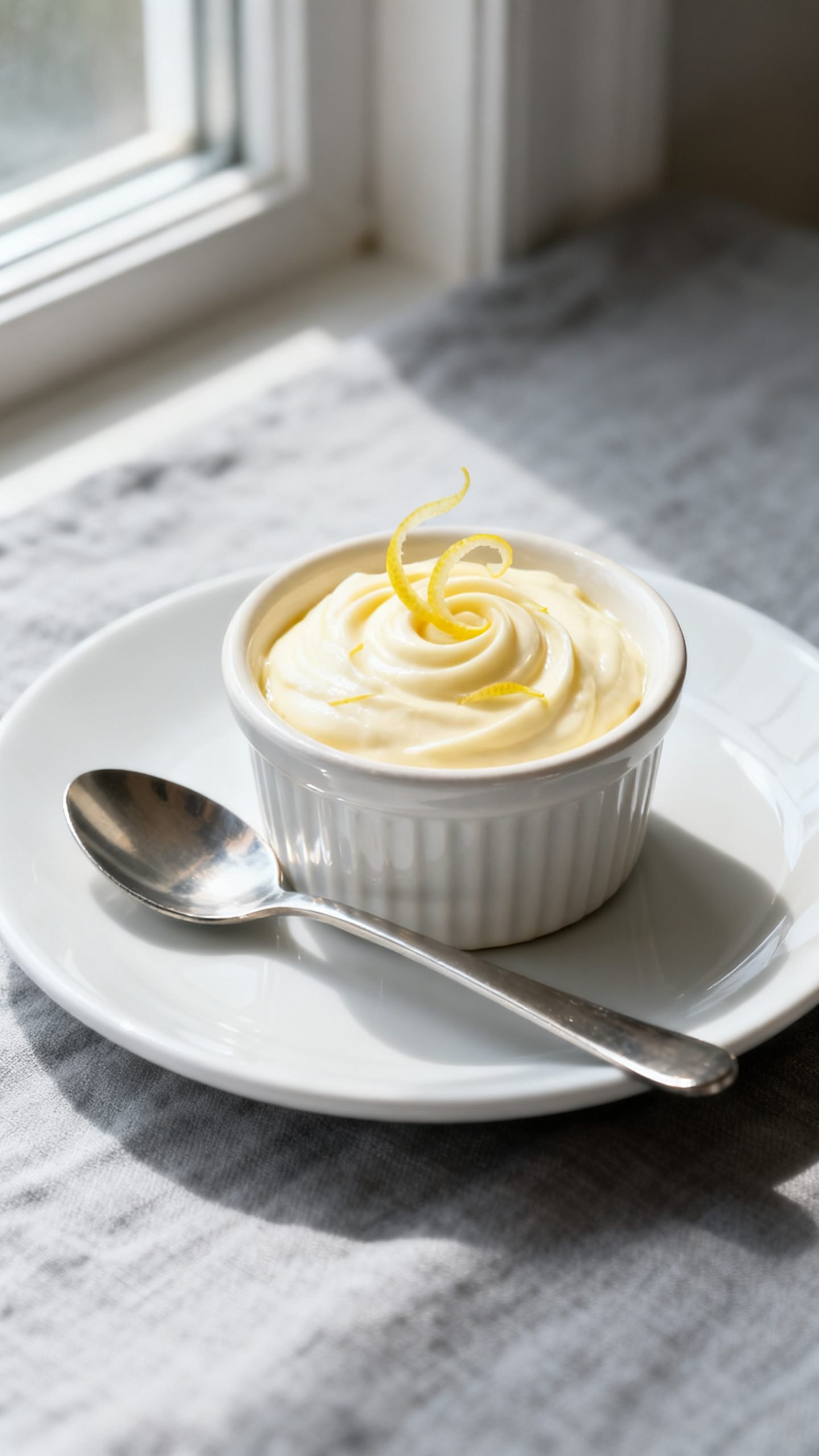
- Elevates seafood instantly: Spoon it over poached shrimp, crab cakes, or grilled salmon for bright, balanced richness.
- Lightens salads: Whisk with a splash of water to create a creamy lemon dressing for greens, potato salad, or slaw.
- Fresher than store-bought: You control salt, acidity, and oil quality—no fillers or dull flavors.
- Versatile base: Add herbs, capers, or chili to match whatever you’re cooking this week.
- Fast and economical: Five minutes, common pantry staples, restaurant-level flavor.
Mistakes to Avoid
- Adding oil too quickly: You’ll break it. Slow and steady wins.
- Using extra-virgin olive oil: It can taste bitter and heavy here.
- Skipping the mustard: Dijon helps emulsify and adds subtle depth.
- Over-acidifying early: Start with less lemon juice; add more at the end to taste.
- Ignoring temperature: Cold ingredients resist emulsifying and turn grainy.
Flavor Twists You’ll Love
- Herb garden: Stir in 2 tablespoons chopped dill, parsley, or chives. Great with salmon and potato salad.
- Lemon-caper: Add 1 tablespoon chopped capers and extra zest. Perfect for tuna salad and chicken cutlets.
- Garlic-lovers: Double the garlic and add a pinch of smoked paprika for a breezy aioli vibe.
- Sweet citrus: Whisk in 1 teaspoon honey and a hint of orange zest for crab or shrimp rolls.
- Spicy lemon: Add 1 teaspoon Calabrian chili paste or hot sauce for heat that doesn’t bury the citrus.
- Meyer lemon: Swap regular lemon for Meyer lemon juice and zest for a floral, gentler tang.
FAQ
Can I use whole eggs instead of just the yolk?
Yes. Use 1 whole egg for a slightly lighter, looser mayo. It emulsifies easily with a stick blender.
What if my mayo breaks?
Start a new yolk in a clean bowl. Whisk the broken mayo into it a teaspoon at a time until it thickens again.
Is raw egg safe?
Use fresh, high-quality eggs. If you prefer, use pasteurized shell eggs or carton egg yolks designed for emulsions.
Can I make it without mustard?
Yes, but it’s riskier. Add a pinch of salt and an extra squeeze of lemon, and go extra slow with the oil.
Which oil tastes best?
Grapeseed, sunflower, or avocado oil keep flavors clean. Light olive oil works; avoid extra-virgin for this recipe.
How do I turn it into a salad dressing?
Whisk 2 tablespoons mayo with 1 tablespoon water and 1–2 teaspoons extra lemon juice until pourable. Season to taste.
How can I make it thicker?
Whisk in a little more oil, a teaspoon at a time, until it firms up. Cold water loosens; more oil thickens.
Conclusion
Homemade lemony mayo delivers bright citrus, gentle tang, and silky richness in minutes. Keep a jar in the fridge and you’ll always have a quick way to elevate seafood, perk up salads, and make sandwiches feel special. Start simple, taste as you go, and tweak the lemon, zest, or herbs until it’s perfect for your plate.
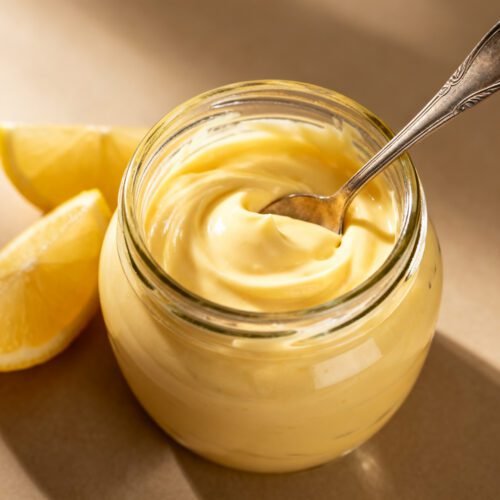
Lemony Fresh Mayonnaise Recipe | Light Citrus Mayo for Seafood & Salads
Ingredients
Ingredients
- 1 large egg yolk, room temperature
- 1 tablespoon Dijon mustard
- 2–3 tablespoons fresh lemon juice, plus more to taste
- 1 teaspoon finely grated lemon zest (optional)
- 1 small garlic clove, finely grated or mashed (optional)
- 1 cup neutral oil (grapeseed, sunflower, avocado, or light olive oil; avoid extra-virgin)
- 1/2 teaspoon fine sea salt, plus more to taste
- 1/4 teaspoon white or black pepper
- 1–2 teaspoons cold water (as needed to thin)
Instructions
Instructions
- In a medium bowl, whisk the egg yolk, Dijon, 2 tablespoons lemon juice, salt, and pepper until glossy and combined.
- While whisking vigorously, drip in 2–3 teaspoons of oil to start the emulsion until it thickens slightly.
- Continue adding the remaining oil in a thin, steady stream while whisking constantly, pausing to check thickness.
- Whisk in lemon zest and garlic if using, then taste and adjust with more lemon juice or salt as desired.
- If the mayonnaise becomes too thick, whisk in 1–2 teaspoons cold water to reach a soft, spreadable texture.
- For the stick blender method, add egg yolk, Dijon, lemon juice, salt, pepper, zest, and garlic to a tall container, then pour the oil on top.
- Place the immersion blender at the bottom and blend on low for 10–15 seconds until a thick emulsion forms, then slowly lift to incorporate the remaining oil.
- Adjust with additional lemon juice or a little cold water to fine-tune tang and consistency, then transfer to a clean jar and refrigerate.