Lemon Pepper Seasoning Recipe | Easy Homemade Dry Mix for Fish & Chicken
If you love bright, zesty flavors and simple cooking, this lemon pepper seasoning will become your go-to kitchen shortcut. It brings clean citrus, gentle heat, and savory depth to fish and chicken without any complicated steps. You’ll get that classic restaurant-style flavor with pantry ingredients in just a few minutes.
Make a small jar on the weekend and you’ll season weeknight dinners in seconds. Sprinkle it on salmon before it hits the pan, rub it over chicken thighs for grilling, or whisk it into butter for a quick finishing drizzle. This homemade version tastes fresher than store-bought, and you control the salt and additives.
Why This Homemade Lemon Pepper Seasoning Works
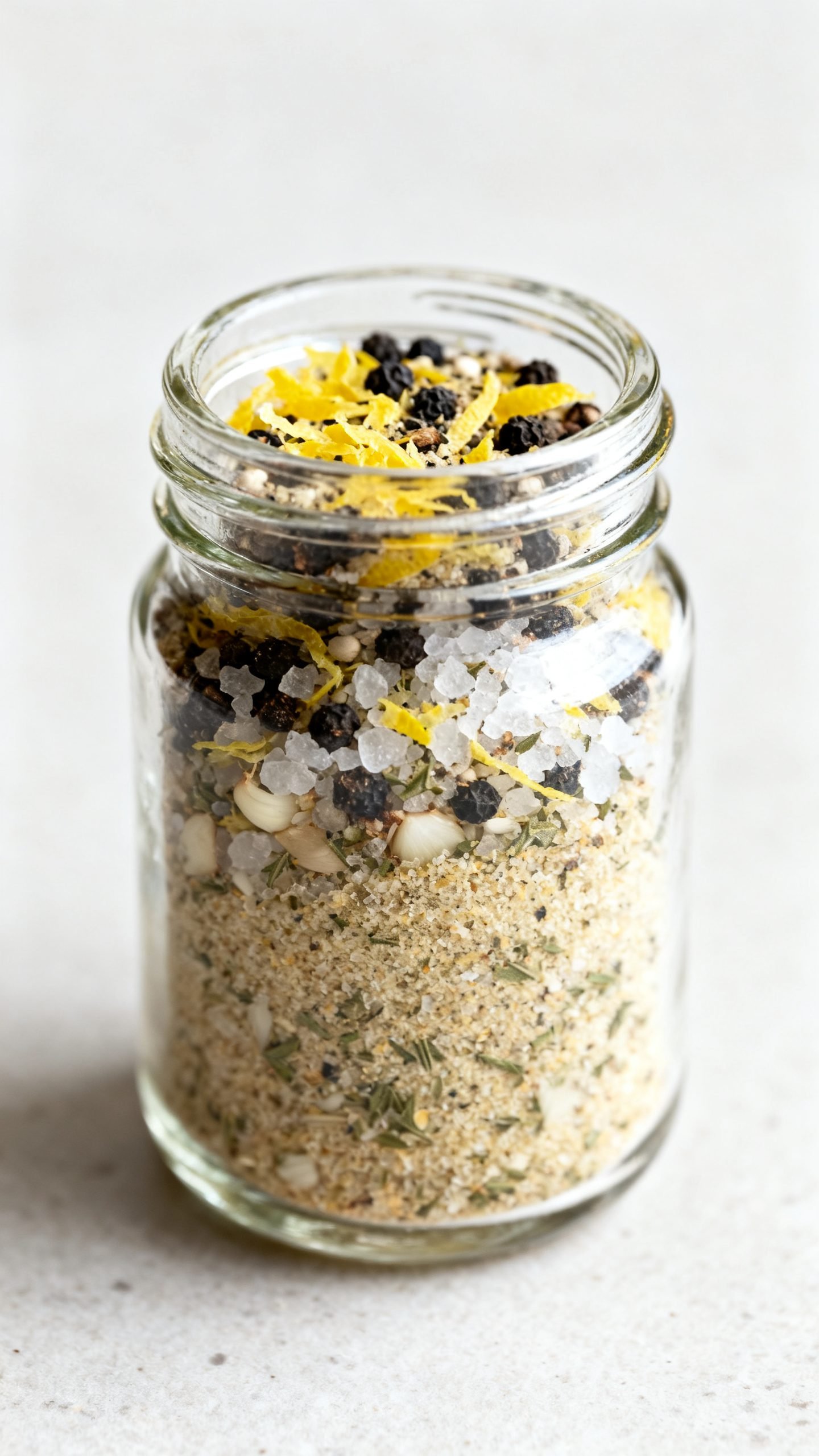
- Real lemon flavor: Dried lemon zest gives true citrus aroma that won’t fade during cooking.
- Balanced heat and bite: Coarse black pepper adds warmth and crunch without overwhelming the dish.
- Clean ingredients: No fillers, anticaking agents, or hidden sugars—just spices you trust.
- Built for fish and chicken: The blend complements lean proteins, boosts browning, and keeps flavors bright.
- Customizable salt: Adjust sodium to your taste or leave it out for brines and marinades.
Ingredients
Use high-quality spices for the best flavor. If possible, zest fresh lemons and dry the zest yourself (instructions below) for a stronger citrus punch.
- Dried lemon zest (or lemon peel granules): for vivid, natural lemon flavor
- Coarse ground black pepper: for punch and texture
- Kosher salt: seasons evenly and helps with browning
- Garlic powder: adds savory backbone
- Onion powder: rounds out the blend
- Granulated sugar (optional): a pinch balances acidity and helps caramelization
- Dried parsley or thyme (optional): a herbal lift that pairs well with poultry and seafood
Suggested Ratios
- 2 tablespoons dried lemon zest
- 1 tablespoon coarse black pepper
- 1 tablespoon kosher salt
- 1 teaspoon garlic powder
- 1 teaspoon onion powder
- 1/2 teaspoon granulated sugar (optional)
- 1 teaspoon dried parsley or 1/2 teaspoon dried thyme (optional)
Scale this up easily. Keep the same proportions for consistent results.
How to Make Lemon Pepper Seasoning
Option A: Use Store-Bought Dried Lemon Peel
- Measure all ingredients according to the ratios above.
- Combine in a small bowl and stir until evenly mixed.
- Adjust salt and pepper to taste. If you want bigger citrus notes, add more lemon peel 1 teaspoon at a time.
- Transfer to an airtight jar. Label with the date.
Option B: Dry Your Own Lemon Zest
- Zest fresh lemons with a microplane, avoiding the bitter white pith.
- Dry the zest: Spread on a parchment-lined tray. Air-dry 12–24 hours, or bake at the lowest oven setting (170–200°F / 75–95°C) for 20–30 minutes, stirring once, until fully dry and crumbly. Cool completely.
- Blend the dried zest with the remaining ingredients as above.
How to Use on Fish and Chicken
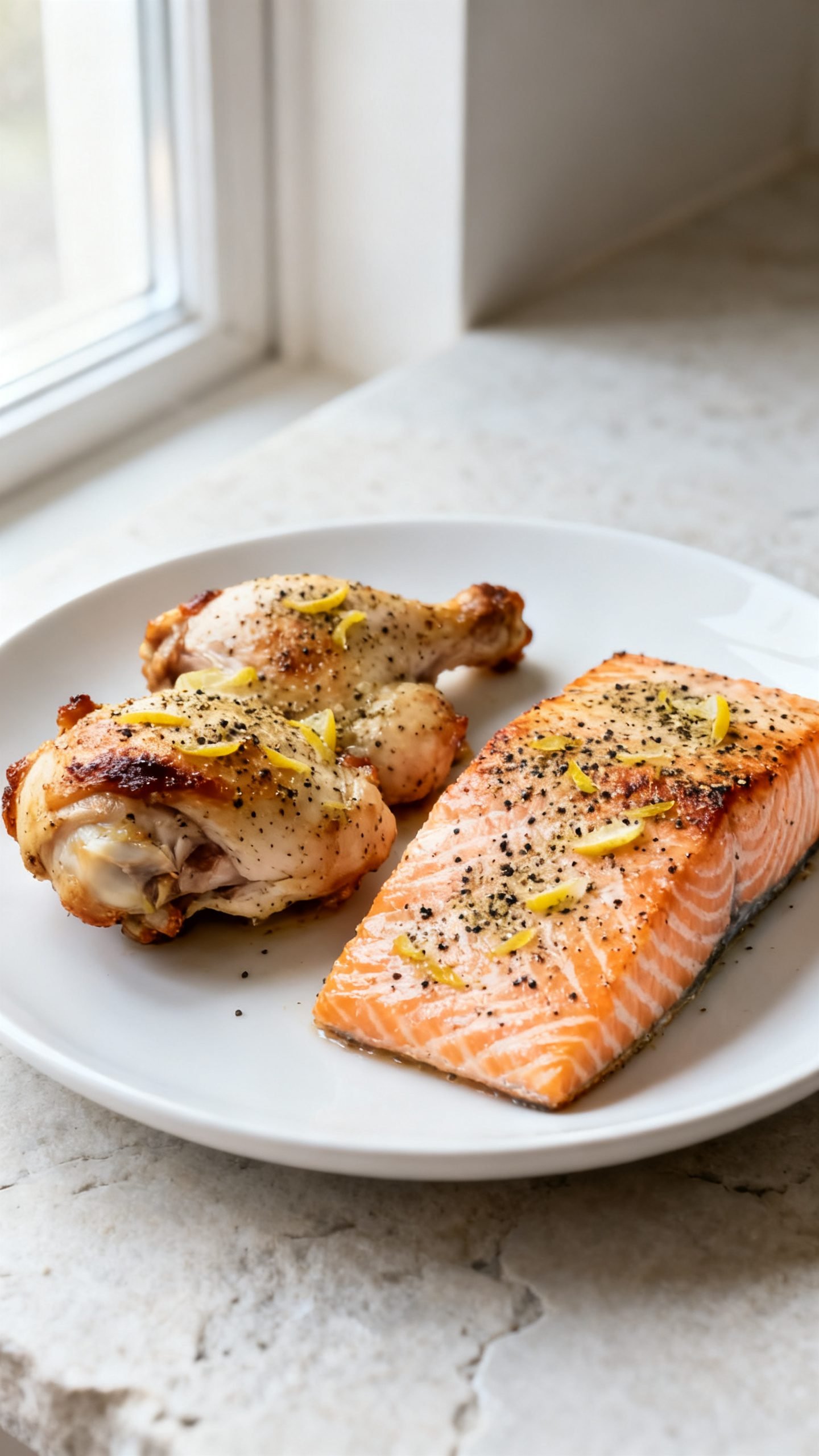
- For fish: Pat fillets dry. Lightly oil, then sprinkle 1–2 teaspoons per pound. Cook by pan-searing, baking, or air-frying until flaky.
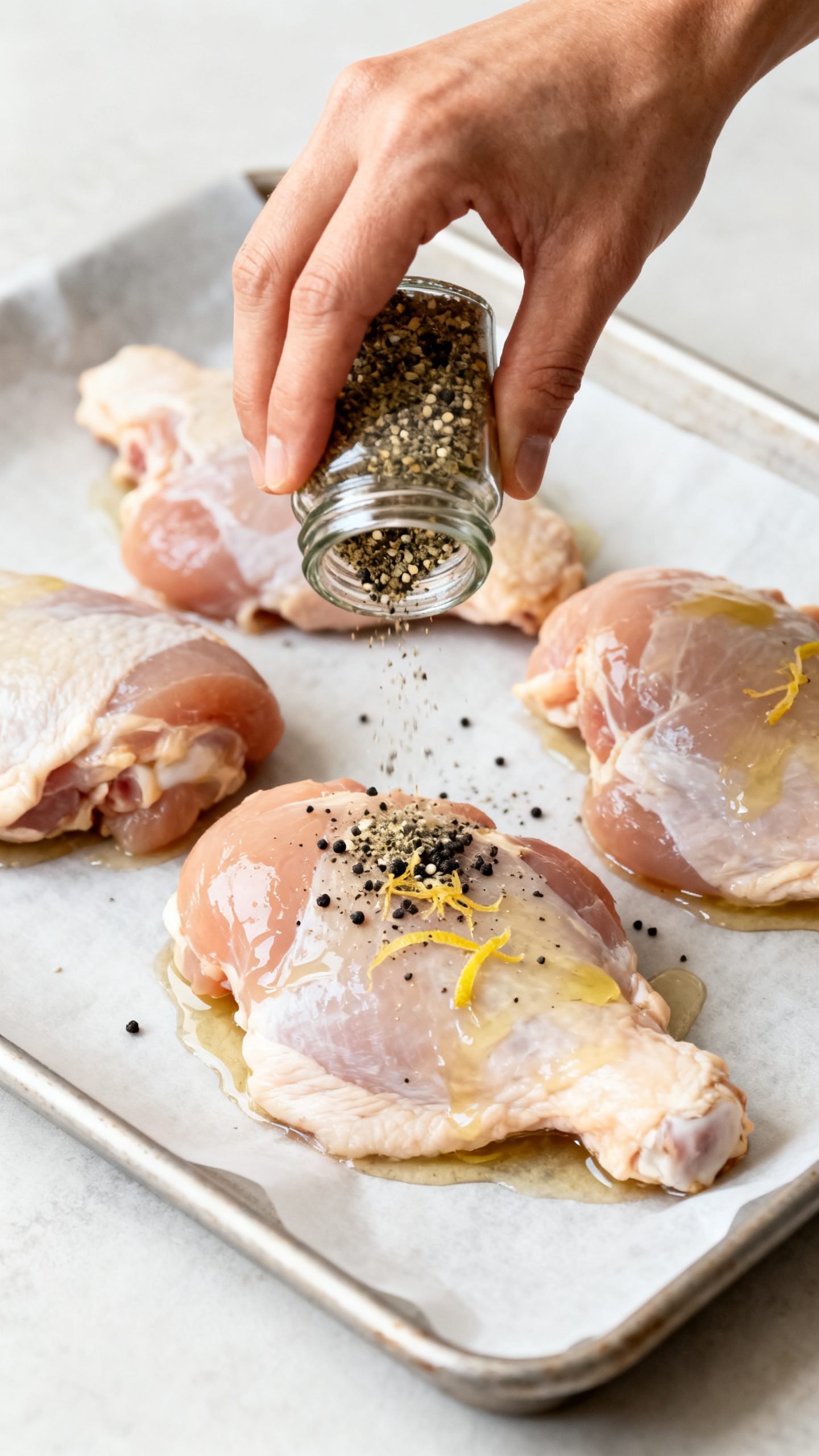
- For chicken: Use 1–1.5 tablespoons per pound of chicken breasts, thighs, or wings. Rub with a little oil, season evenly, then grill, roast, or pan-roast.
- Finishing touch: Mix 1 teaspoon seasoning with 2 tablespoons melted butter or olive oil and drizzle over cooked fish or chicken.
How to Store Your Seasoning Mix
- Container: Use an airtight glass jar or spice tin.
- Location: Keep it in a cool, dark cupboard away from heat and sunlight.
- Shelf life: Best flavor for 3–4 months; still safe longer but less aromatic.
- Moisture control: Add a food-safe silica packet if you live in a humid climate to prevent clumping.
- Labeling: Note the date and batch size for easy refills.
Benefits of Making Your Own Lemon Pepper
- Fresher taste than premade blends, especially when you dry your own zest.
- Custom seasoning: Control salt, heat, and sweetness for different proteins.
- Budget-friendly: Pantry spices cost less than specialty blends.
- Versatile: Works for marinades, rubs, dressings, and more.
- Allergen-aware: No hidden dairy, gluten, or additives.
What to Avoid When Making and Using It
- Don’t use fresh zest in the jar: Moist zest invites clumping and spoilage. Always dry it first.
- Don’t choose ultra-fine pepper: You’ll lose texture and punch. Use coarse ground for better flavor release.
- Don’t oversalt: If your fish or chicken is brined or salted, use a low-salt or no-salt version of the blend.
- Don’t burn the spices: High-heat searing can scorch. Use enough oil and moderate heat, then finish with a quick sear.
- Don’t store near the stove: Heat and steam kill aroma fast.
Easy Variations to Try
- Extra-lemony: Add 1 teaspoon citric acid for tangy brightness (great on baked fish).
- Smoky lemon pepper: Swap half the black pepper for smoked black pepper or add 1/2 teaspoon smoked paprika.
- Herby blend: Stir in 1 teaspoon dried dill for salmon or 1 teaspoon rosemary for chicken thighs.
- Low-sodium: Cut salt in half or omit; season proteins with salt separately.
- Spicy kick: Add 1/2 teaspoon crushed red pepper or Aleppo pepper for gentle heat.
- Garlic-forward: Increase garlic powder to 2 teaspoons if you love garlicky chicken.
FAQ
Can I use fresh lemon zest instead of dried?
You can for a same-day rub, but don’t store the mix with fresh zest. It will clump and spoil. For pantry storage, always dry the zest first.
Is this good on vegetables?
Absolutely. Toss with roasted asparagus, green beans, or potatoes. Use about 1 teaspoon per pound of veggies plus olive oil.
What kind of pepper works best?
Coarse ground black pepper gives the classic bite and visible flecks. Freshly cracked pepper tastes boldest.
How do I make it salt-free?
Omit the salt and season your fish or chicken with salt separately right before cooking. This gives full control over sodium.
How much should I use per pound of protein?
Start with 1–2 teaspoons for fish and 1–1.5 tablespoons for chicken. Adjust to taste.
Does it work as a marinade?
Yes. Mix 1 tablespoon seasoning with 2 tablespoons olive oil and 1 tablespoon lemon juice. Marinate chicken 20–30 minutes, fish 10–15 minutes.
Conclusion
This homemade lemon pepper seasoning delivers bright citrus, peppery warmth, and dependable results every time. Keep a jar in your pantry and you’ll season fish and chicken in seconds, from weeknight fillets to weekend grilling. Make it your own with extra herbs, a spicy kick, or a low-sodium twist—and enjoy fresh, bold flavor anytime you cook.
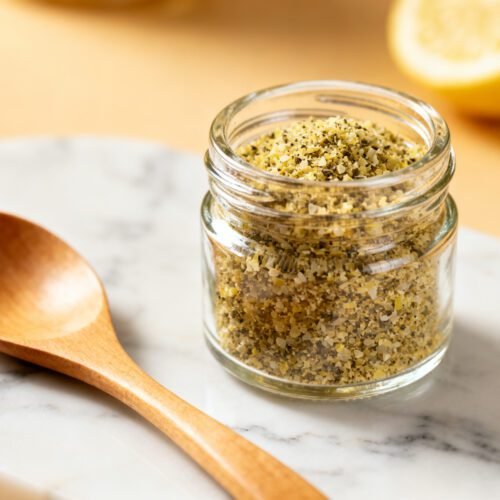
Lemon Pepper Seasoning Recipe | Easy Homemade Dry Mix for Fish & Chicken
Ingredients
Ingredients
- 2 tablespoons dried lemon zest (or lemon peel granules)
- 1 tablespoon coarse ground black pepper
- 1 tablespoon kosher salt (or to taste; optional for low-sodium)
- 1 teaspoon garlic powder
- 1 teaspoon onion powder
- 1/2 teaspoon granulated sugar (optional)
- 1 teaspoon dried parsley or 1/2 teaspoon dried thyme (optional)
Instructions
Instructions
- Measure all ingredients according to the suggested ratios.
- Combine in a small bowl and stir until evenly mixed.
- Adjust salt and pepper to taste, adding more lemon peel 1 teaspoon at a time if you want bigger citrus notes.
- Transfer the blend to an airtight jar and label with the date.
- Optional: To make your own dried lemon zest, zest fresh lemons avoiding the white pith, spread the zest on a parchment-lined tray, and air-dry 12–24 hours or bake at 170–200°F for 20–30 minutes until fully dry and crumbly; cool completely before mixing with the other ingredients.