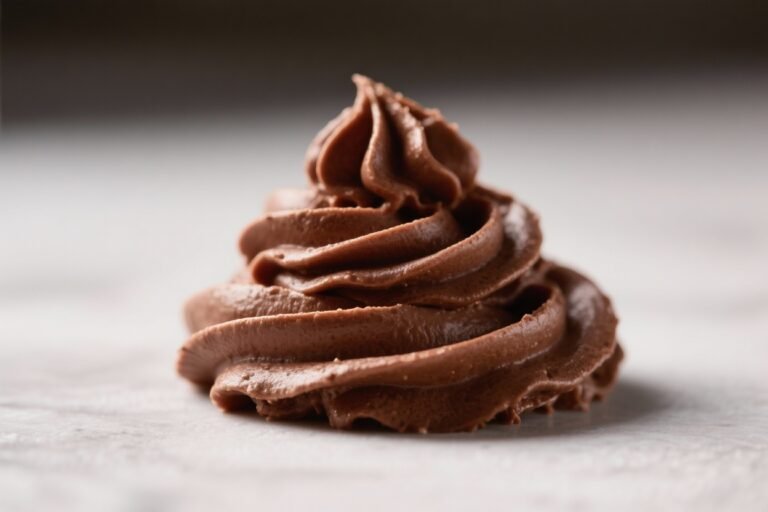
Fluffy Yeast Doughnuts Recipe | Soft Homemade Bakery-Style Donuts
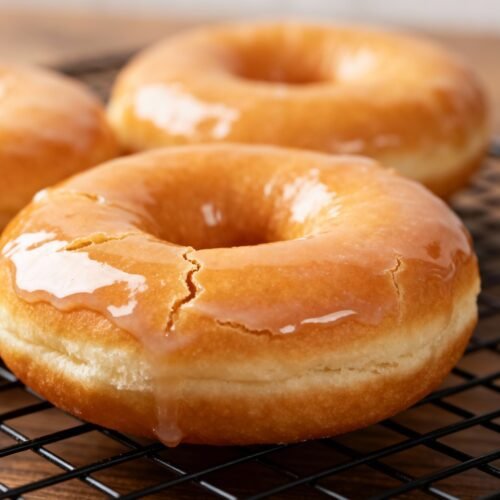
Nothing beats a fresh, warm doughnut that practically melts when you bite into it. These fluffy yeast doughnuts puff up beautifully, fry to a light golden color, and stay soft for hours. You’ll get that classic bakery-style texture at home—pillowy inside with a delicate, slightly chewy bite.
I’ll walk you through everything: how to activate yeast properly, how long to proof, how to cut and fry for the perfect rise, plus glazes and coatings that never turn soggy. If you’ve felt nervous about yeast dough, stick with me. You’ve got this—and your kitchen will smell like a doughnut shop in no time.
Why These Fluffy Yeast Doughnuts Turn Out So Soft
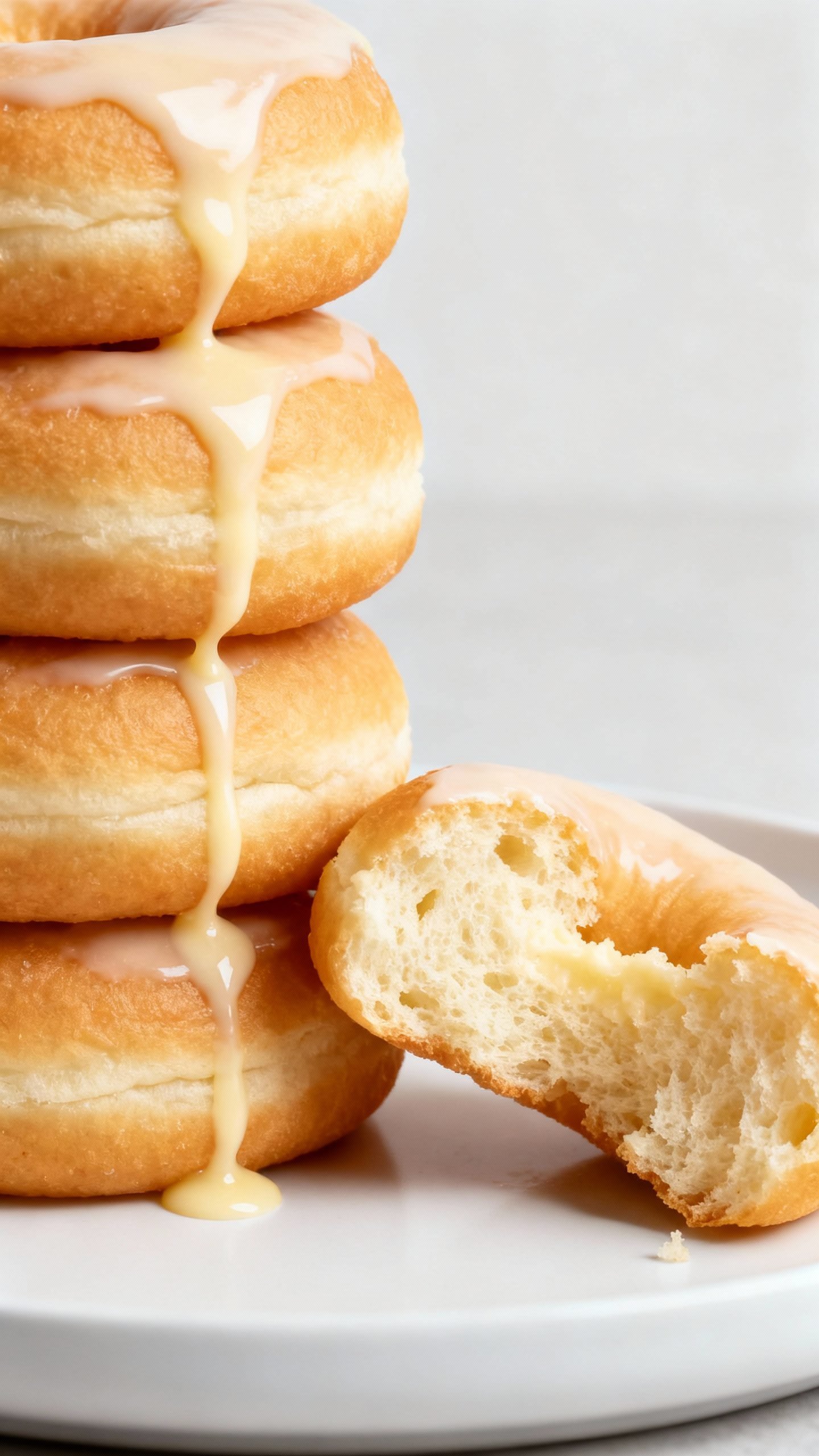
This recipe nails that tender, airy doughnut because it builds structure and moisture at the same time. The right balance of enriched dough, gentle handling, and controlled frying creates a soft interior and a thin, crisp outer shell that holds glaze like a dream.
- Enriched dough for tenderness: Egg, milk, and butter add fat and moisture, which creates that soft, bakery-style crumb.
- Proper yeast activation: Warm milk and a touch of sugar wake up the yeast quickly so the dough rises high and light.
- Two proof stages: A bulk rise builds flavor and structure, and a second rise after shaping guarantees lofty doughnuts.
- Correct fry temperature: Holding 350–360°F gives you even browning and fully cooked centers without oiliness.
- Light touch while shaping: Minimal flour and gentle handling protect the air bubbles that make doughnuts fluffy.
Ingredients
For the Dough
- 3/4 cup (180 ml) warm whole milk, about 105–110°F
- 2 1/4 teaspoons (1 packet) active dry yeast
- 1/4 cup (50 g) granulated sugar
- 3 cups (375 g) all-purpose flour, plus a little for dusting
- 1/2 teaspoon fine sea salt
- 2 large eggs, room temperature
- 1/4 cup (56 g) unsalted butter, softened
- 1 teaspoon vanilla extract
For Frying
- Neutral oil (canola, peanut, or vegetable) for frying, about 2–3 inches deep
Classic Vanilla Glaze
- 2 cups (240 g) powdered sugar, sifted
- 3–4 tablespoons milk
- 1 teaspoon vanilla extract
- Pinch of salt
Optional Coatings
- Cinnamon-sugar (1/2 cup sugar + 1 teaspoon cinnamon)
- Melted chocolate for dipping
- Sprinkles, toasted coconut, or crushed nuts
How to Make Soft, Fluffy Yeast Doughnuts
1) Activate the Yeast
- Warm the milk to 105–110°F. Pour it into a large mixing bowl, then whisk in the sugar and yeast.
- Wait 5–10 minutes until the yeast looks foamy and creamy. No foam means the yeast is dead; start over with fresh yeast.
2) Mix the Dough
- Add eggs and vanilla to the yeast mixture and whisk to combine.
- In a stand mixer bowl (or the same bowl if mixing by hand), add flour and salt. Pour in the wet mixture.
- Mix with the dough hook on low until a shaggy dough forms, about 1 minute.
- Add the softened butter, a little at a time, and continue mixing. Increase to medium speed and knead 6–8 minutes until the dough turns smooth, slightly tacky, and elastic. The dough should clear the sides but stick slightly to the bottom.
- If mixing by hand, knead on a lightly floured surface 8–10 minutes, dusting sparingly to avoid a dense dough.
3) First Rise (Bulk Proof)
- Shape the dough into a ball and place it in a lightly greased bowl. Cover tightly.
- Let it rise in a warm, draft-free spot until doubled, 60–90 minutes. Finger dent test: Gently press the dough; a slow spring-back with a slight indentation means it’s ready.
4) Shape the Doughnuts
- Turn the dough onto a lightly floured surface. Pat or roll to 1/2-inch thickness. Keep it even for consistent frying.
- Cut rounds with a 3-inch cutter and punch out the centers with a 1-inch cutter. Re-roll scraps once to avoid toughness.
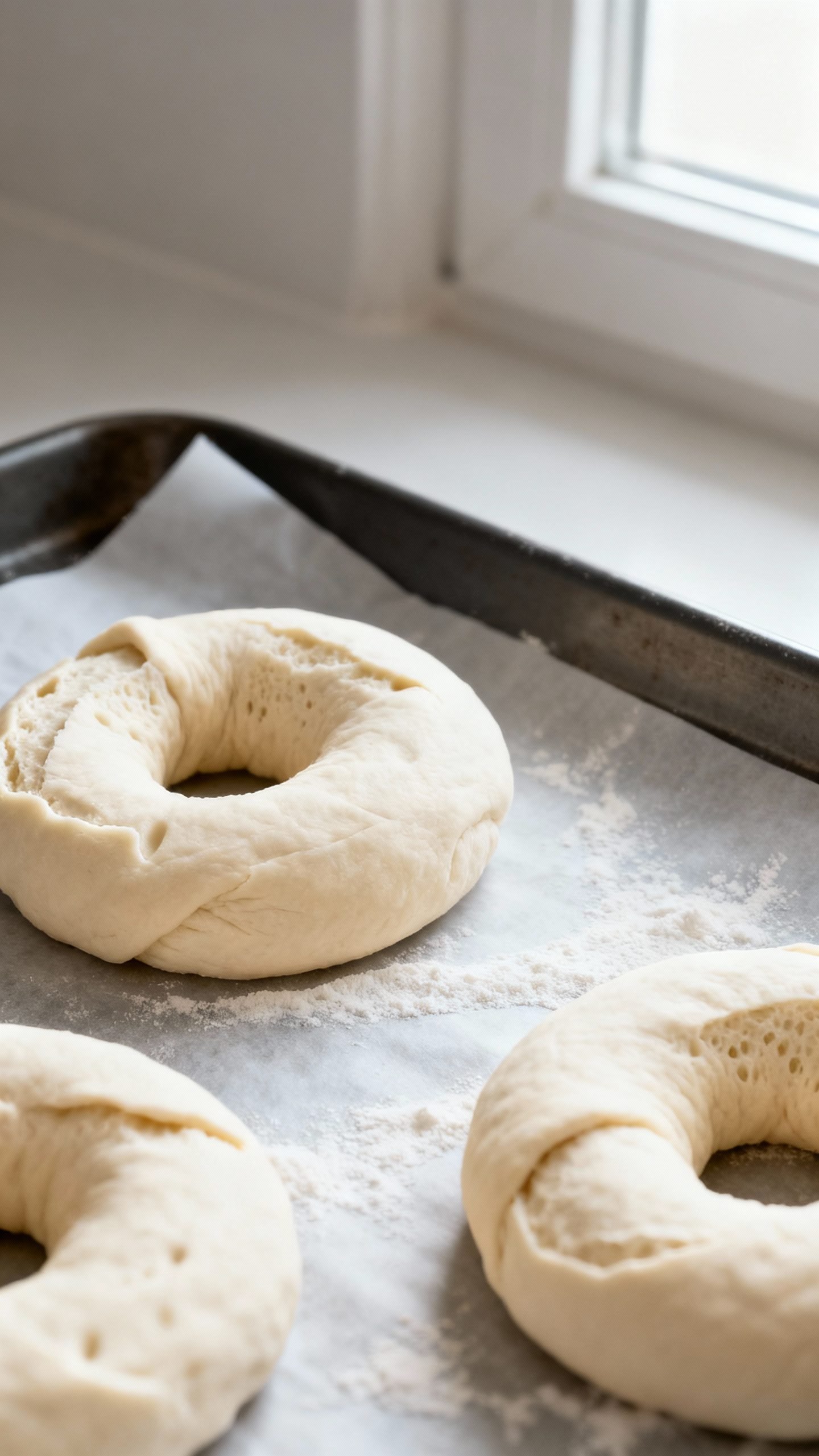
- Place doughnuts and holes on parchment-lined trays. Lightly cover with plastic wrap.
5) Second Rise
- Let the doughnuts proof until puffy and slightly jiggly, 30–45 minutes. They should look lighter and feel airy when you lift the parchment corner.
6) Heat the Oil
- Fill a heavy pot with oil 2–3 inches deep. Heat to 350–360°F. Keep a thermometer clipped on.
- Set up a wire rack over a sheet pan for draining, plus bowls for glaze or sugar.
7) Fry the Doughnuts
- Lift each doughnut on its parchment square to keep its shape, then ease it into the oil and remove the paper right away.
- Fry 1–2 minutes per side until deep golden with a pale ring around the center. Maintain temperature—adjust heat between batches.
- Transfer to the rack to drain. Fry doughnut holes last (about 1 minute total).
8) Glaze or Coat
- For glaze: Whisk powdered sugar, milk, vanilla, and salt until smooth and pourable. Dip warm doughnuts on one or both sides. Let excess drip back into the bowl.
- For cinnamon-sugar: Toss warm doughnuts generously right after frying.
- For chocolate: Dip cooled doughnuts in melted chocolate and add sprinkles.
How to Store Fresh Doughnuts
- Room temperature: Keep glazed doughnuts in an airtight container for up to 24 hours. They stay soft, but the glaze may set firm, which is perfect.
- Unfilled, unglazed: Store in a sealed container up to 2 days; rewarm 8–10 seconds in the microwave to refresh.
- Freeze: Freeze cooled, unglazed doughnuts up to 2 months in a single layer, then bag. Thaw at room temp and glaze after thawing.
- Avoid the fridge: Refrigeration dries them out quickly.
Why You’ll Love Making These Doughnuts
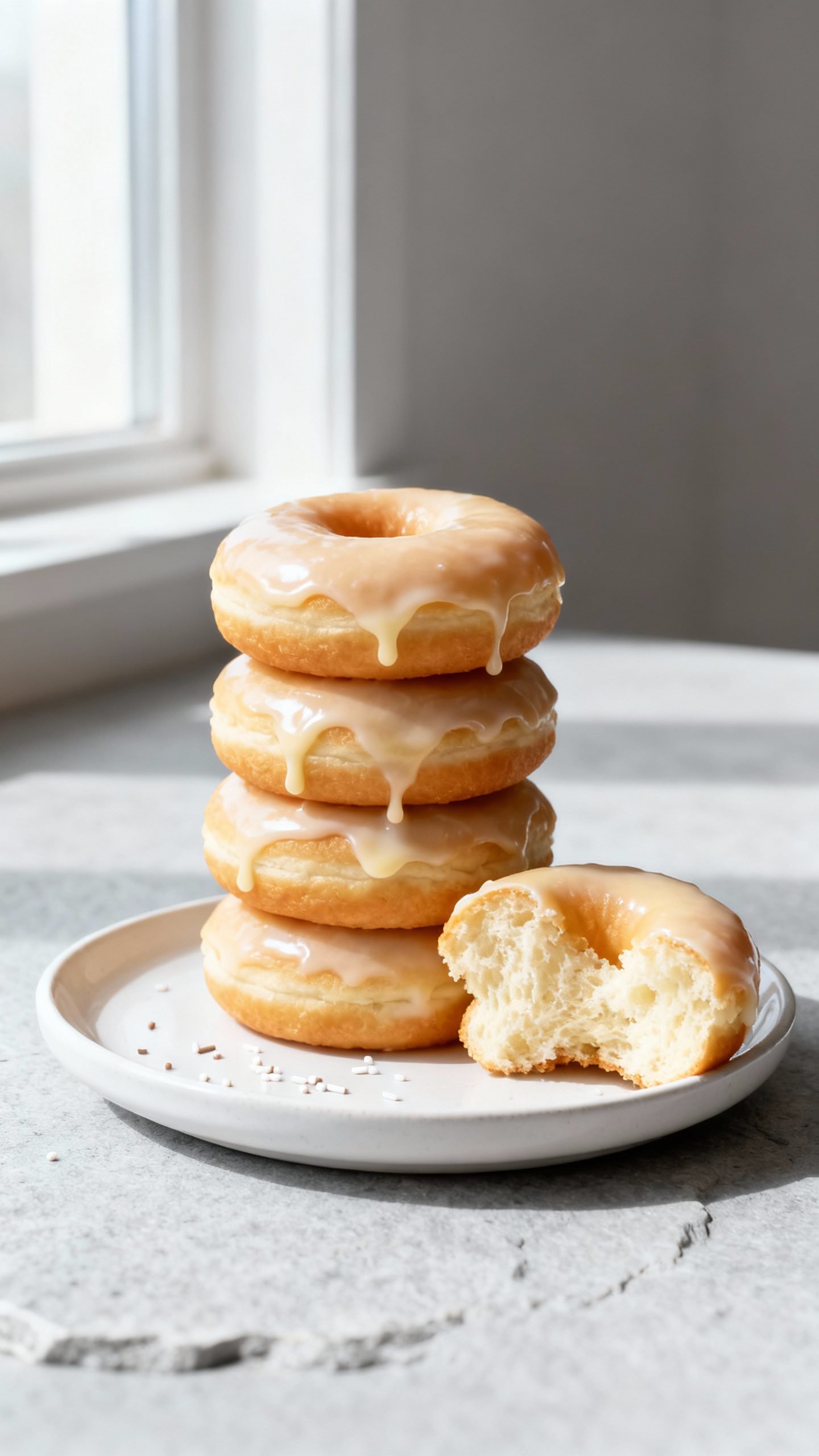
- Bakery texture at home: Tall rise, soft crumb, and that signature white ring.
- Make-ahead friendly: Proof overnight in the fridge for deeper flavor and an easier morning fry.
- Customizable finishes: Glaze, sugar, jelly, or cream—pick your favorite.
- Simple ingredients: Pantry staples with reliable results.
Common Mistakes to Avoid
- Oil too cool or too hot: Cool oil makes greasy doughnuts; hot oil burns the outside before the center cooks.
- Adding too much flour: A stiff dough won’t puff. Dust lightly and knead until elastic, not dry.
- Skipping the second rise: That last proof gives you height and tenderness.
- Handling roughly: Pressing or stretching shaped doughnuts deflates them. Move gently with parchment.
- Old yeast: Expired or improperly stored yeast won’t rise well. Check dates and foam test first.
Fun Variations to Try
- Maple glaze: Swap milk with maple syrup and add a pinch of espresso powder.
- Jelly-filled: Skip the hole, fry rounds, then pipe in raspberry jam and dust with powdered sugar.
- Boston cream: Fill with vanilla pastry cream and top with chocolate ganache.
- Brown butter glaze: Use browned butter and a splash of milk for a nutty, caramel note.
- Lemon sugar: Rub lemon zest into the sugar before tossing for bright citrus aroma.
- Cinnamon roll doughnuts: Add cinnamon to the dough and finish with cream cheese glaze.
FAQ
Can I use instant yeast instead of active dry?
Yes. Use the same amount and mix it directly with the flour. Warm the milk and proceed without proofing the yeast first. Rise times may shorten slightly.
Can I proof the dough overnight?
Absolutely. After kneading, cover the bowl and refrigerate 8–12 hours. Bring to room temp, then shape and finish the second rise.
What oil works best for frying?
Use a neutral, high-heat oil like peanut, canola, or vegetable. Peanut oil gives the cleanest flavor, but any neutral oil works.
How do I keep the glaze shiny?
Dip warm (not hot) doughnuts and let excess drip. Thin the glaze slightly if it looks chalky. A small pinch of corn syrup adds extra sheen.
My doughnuts taste oily—why?
The oil ran cool or the dough absorbed too much. Hold 350–360°F, avoid overcrowding, and let doughnuts drain on a rack, not paper towels.
How thick should I roll the dough?
About 1/2 inch. Thinner dough yields flatter doughnuts; thicker dough can undercook inside.
Conclusion
With a handful of pantry staples and a few simple techniques, you can make bakery-style yeast doughnuts that turn out feather-light, golden, and irresistible. Keep the yeast happy, proof until puffy, and mind the oil temperature—that’s the whole game. Mix up your favorite glaze, invite people to the kitchen, and enjoy these warm while they’re at their best.
Fluffy Yeast Doughnuts Recipe | Soft Homemade Bakery-Style Donuts
Ingredients
Ingredients
Instructions
Instructions
- Warm the milk to 105–110°F. Pour it into a large mixing bowl, then whisk in the sugar and yeast.
- Wait 5–10 minutes until the yeast looks foamy and creamy. No foam means the yeast is dead; start over with fresh yeast.
- Add eggs and vanilla to the yeast mixture and whisk to combine.
- In a stand mixer bowl (or the same bowl if mixing by hand), add flour and salt. Pour in the wet mixture.
- Mix with the dough hook on low until a shaggy dough forms, about 1 minute.
- Add the softened butter, a little at a time, and continue mixing. Increase to medium speed and knead 6–8 minutes until the dough turns smooth, slightly tacky, and elastic. The dough should clear the sides but stick slightly to the bottom.
- If mixing by hand, knead on a lightly floured surface 8–10 minutes, dusting sparingly to avoid a dense dough.
- Shape the dough into a ball and place it in a lightly greased bowl. Cover tightly.
- Let it rise in a warm, draft-free spot until doubled, 60–90 minutes. Finger dent test: Gently press the dough; a slow spring-back with a slight indentation means it’s ready.
- Turn the dough onto a lightly floured surface. Pat or roll to 1/2-inch thickness. Keep it even for consistent frying.
- Cut rounds with a 3-inch cutter and punch out the centers with a 1-inch cutter. Re-roll scraps once to avoid toughness.
- Place doughnuts and holes on parchment-lined trays. Lightly cover with plastic wrap.
- Let the doughnuts proof until puffy and slightly jiggly, 30–45 minutes. They should look lighter and feel airy when you lift the parchment corner.
- Fill a heavy pot with oil 2–3 inches deep. Heat to 350–360°F. Keep a thermometer clipped on.
- Set up a wire rack over a sheet pan for draining, plus bowls for glaze or sugar.
- Lift each doughnut on its parchment square to keep its shape, then ease it into the oil and remove the paper right away.
- Fry 1–2 minutes per side until deep golden with a pale ring around the center. Maintain temperature—adjust heat between batches.
- Transfer to the rack to drain. Fry doughnut holes last (about 1 minute total).
- For glaze: Whisk powdered sugar, milk, vanilla, and salt until smooth and pourable. Dip warm doughnuts on one or both sides. Let excess drip back into the bowl.
- For cinnamon-sugar: Toss warm doughnuts generously right after frying.
- For chocolate: Dip cooled doughnuts in melted chocolate and add sprinkles.