Soft Sourdough Flatbread Recipe | Puffy Homemade Naan-Style Bread
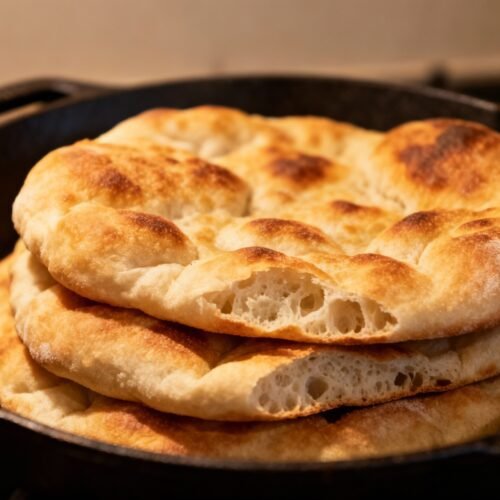
Warm, puffy, and irresistibly soft, these sourdough flatbreads bring naan-style vibes to your stovetop with minimal fuss. You’ll use your active sourdough starter to create tender, chewy breads that bubble and blister in a hot pan—perfect for scooping up curries, wrapping around grilled veggies, or swiping through garlicky yogurt.
I’ll walk you through the exact timing, texture cues, and pan tricks so your flatbreads puff beautifully and stay soft for days. No tandoor needed—just a skillet, a rolling pin, and a little patience. If you love sourdough and fluffy bread, this recipe will become a weekly habit.
Why This Soft Sourdough Flatbread Recipe Works
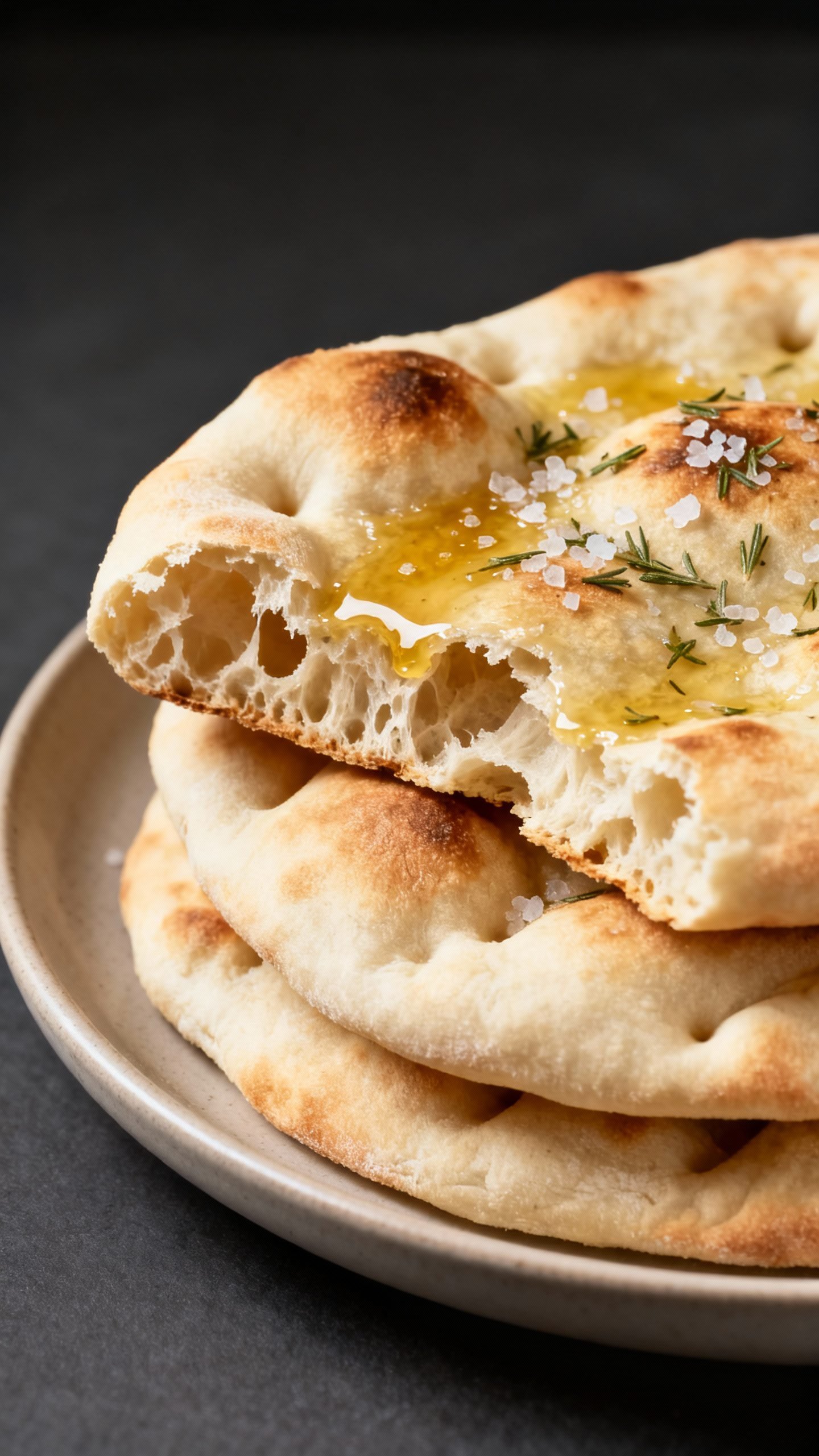
- Sourdough magic for softness: Natural fermentation relaxes gluten and adds depth of flavor without a sour punch.
- Yogurt and milk for tenderness: A touch of dairy keeps the crumb moist and supple, just like classic naan.
- Oil-enriched dough: A small amount of fat creates flexible, tearable flatbreads that stay soft after cooling.
- High heat, quick cook: A well-heated skillet creates steam inside the dough, which gives those signature puffy pockets.
- Flexible schedule: Make the dough in the morning and cook at dinner, or mix at night and rest in the fridge for the next day.
Ingredients
- Active sourdough starter (100% hydration): 150 g, bubbly and doubled within 4–6 hours of feeding
- Warm milk: 160 g (about 2/3 cup), around 95°F/35°C
- Plain yogurt: 80 g (about 1/3 cup), room temperature
- All-purpose flour: 420–450 g (3 1/3–3 1/2 cups), start low and add if sticky
- Honey or sugar: 15 g (1 tablespoon)
- Fine sea salt: 9 g (1 1/2 teaspoons)
- Neutral oil or melted ghee: 30 g (2 tablespoons) for the dough, plus extra for cooking
- Optional flavor add-ins: 1–2 cloves grated garlic, 1 teaspoon nigella seeds, or 1 tablespoon chopped cilantro
- For finishing: Melted ghee or butter, flaky salt, and chopped herbs
How to Make Soft Sourdough Flatbread (Naan-Style)
1) Mix the dough
- In a large bowl, whisk the starter, warm milk, yogurt, and honey until smooth.
- Add flour and salt. Stir with a spatula until a shaggy dough forms and no dry bits remain.
- Drizzle in oil or melted ghee and knead in the bowl for 2–3 minutes until the dough looks cohesive. The dough should feel soft, slightly tacky, and easy to handle.
2) Rest and strengthen
- Cover and rest 20 minutes (autolyse). This short rest hydrates the flour and makes kneading easier.
- Knead on a lightly oiled surface for 3–5 minutes. Use a gentle pull-and-fold motion until the dough turns smooth and stretchy. Avoid sprinkling lots of flour—keep it soft.
3) Bulk fermentation
- Room temp option: Place the dough in a clean, oiled bowl. Cover and let rise at warm room temperature for 3–4 hours. It won’t fully double; look for 40–60% rise and a slightly jiggly, airy feel.
- Overnight option: Let the dough start for 1 hour at room temp, then refrigerate 8–24 hours. Cold dough handles like a dream and develops extra flavor.
4) Divide and pre-shape
- Turn the dough out and divide into 8 equal pieces (about 95–110 g each, depending on flour absorption).
- Shape each piece into a tight ball. Cover and rest 20–30 minutes to relax the gluten.
5) Roll the flatbreads
- Work with one ball at a time on a lightly floured surface.
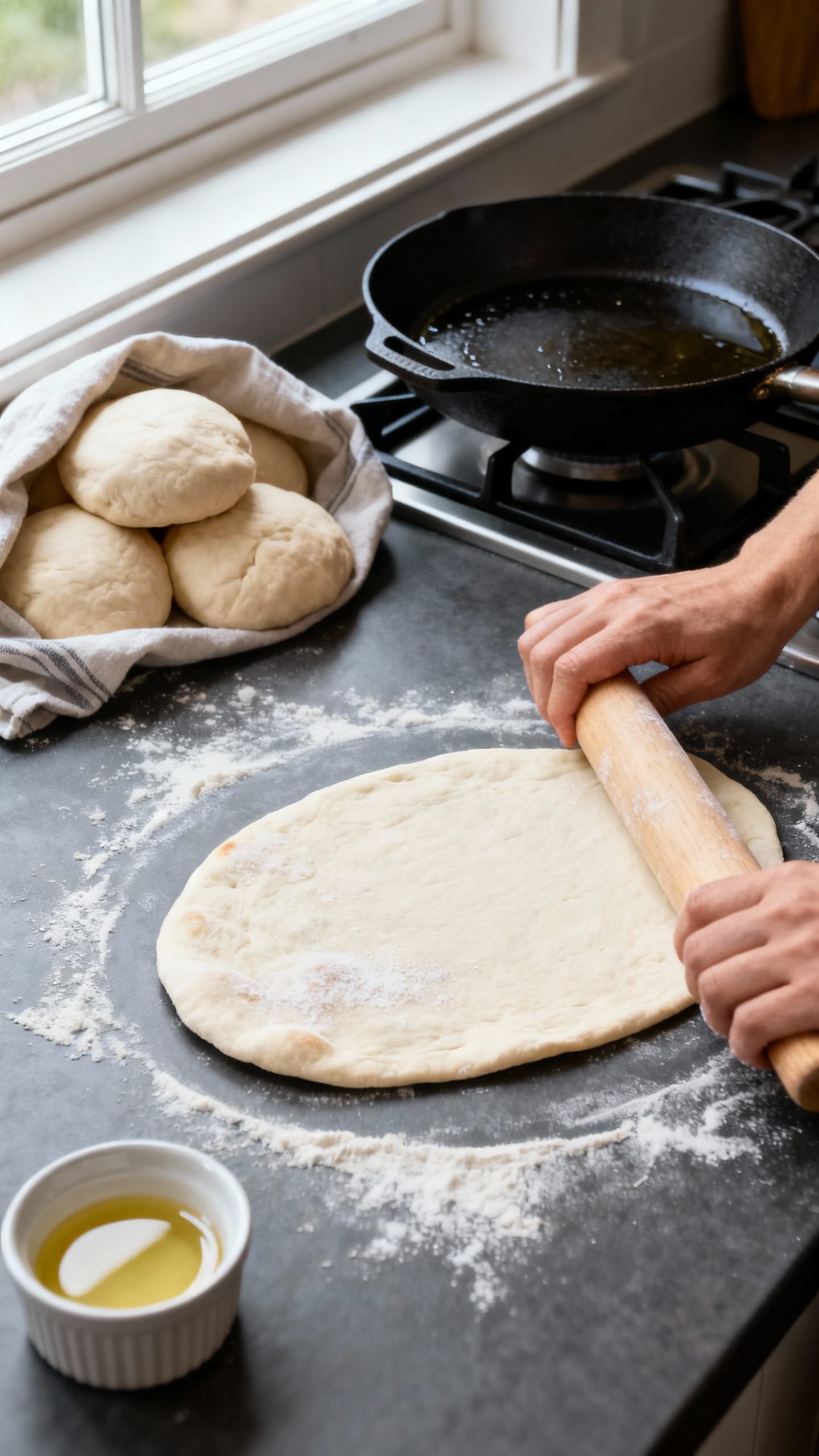
- Roll into an oval or teardrop about 6–7 inches long and 1/8–1/4 inch thick. Thicker dough gives extra puff; thinner cooks faster.
- Sprinkle on optional toppings like nigella seeds or chopped cilantro and gently press them in.
6) Cook on a hot skillet
- Preheat a cast-iron or heavy skillet over medium-high heat for at least 5 minutes. You want steady, even heat.
- Brush the pan lightly with oil or ghee. Lay a rolled dough onto the hot surface.
- Cook 45–60 seconds until bubbles form and the bottom shows deep brown spots.
- Flip and cook another 30–60 seconds. Press gently with a spatula to encourage puffing.
- For extra char, flip once more for 10–20 seconds. Adjust heat so you get color without burning.
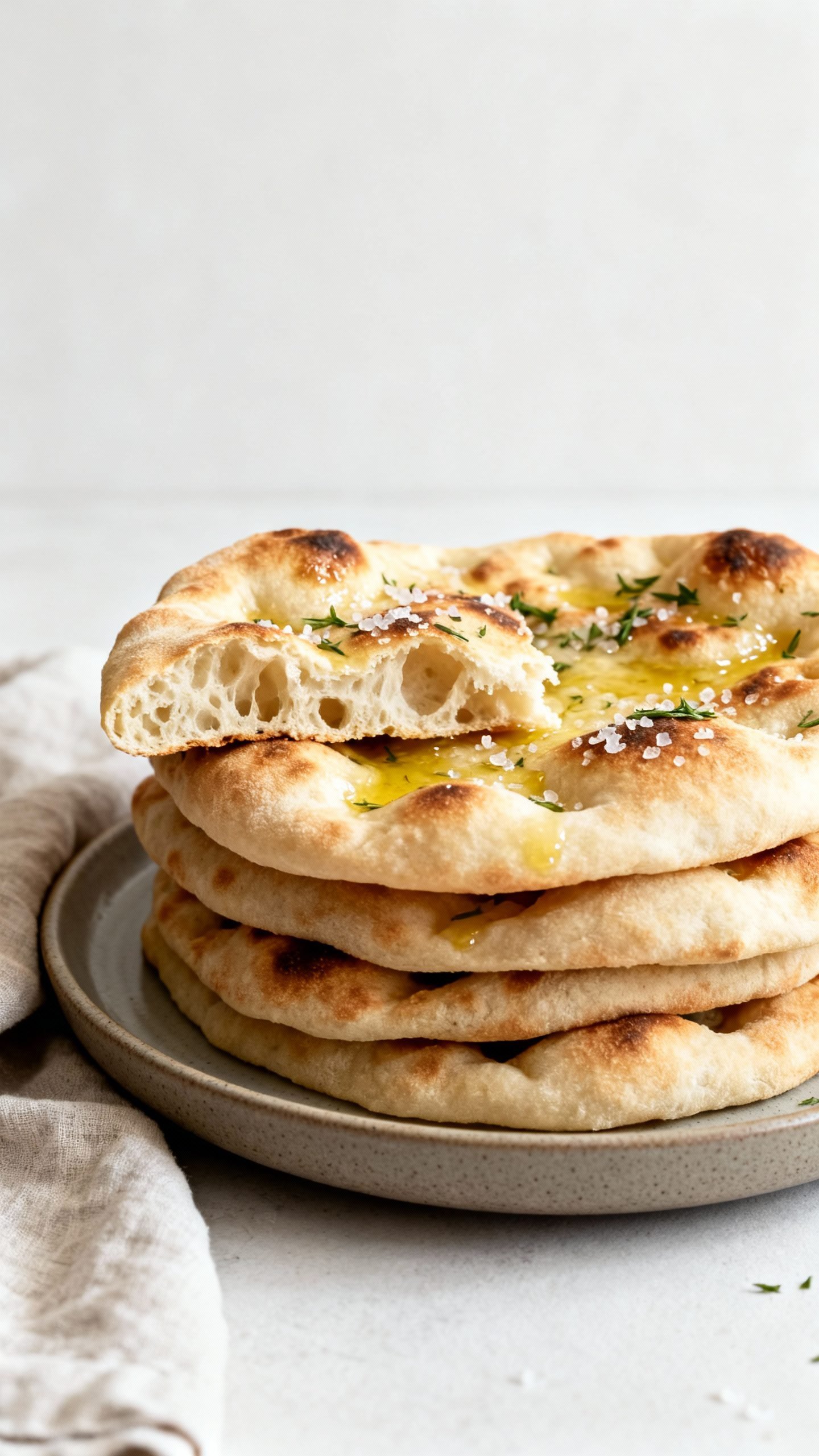
- Brush with melted ghee and sprinkle a pinch of flaky salt. Keep warm in a towel-lined basket while you cook the rest.
Tips for best results
- Use an active starter: If your starter looks sluggish, feed it and wait until it domes and smells sweet before mixing the dough.
- Mind the dough feel: Slight tackiness is perfect. If it sticks heavily, knead in 1–2 teaspoons extra flour at a time.
- Heat matters: Too low and you won’t get puff; too high and the outside burns before the inside cooks. Aim for consistent medium-high.
- Steam helps: You can flick a few drops of water into the hot skillet just before adding dough to boost puff.
- Finish with fat: Brushing with ghee locks in moisture and adds restaurant-level flavor.
How to Store Soft Sourdough Flatbread
- Room temperature: Cool completely. Store in a zip-top bag with the air pressed out for 2 days.
- Refrigerator: Wrap well for up to 4 days. Rewarm before serving to restore softness.
- Freezer: Layer with parchment and freeze in a bag for up to 2 months.
- Reheating: Warm in a hot dry skillet 30–60 seconds per side or in a 350°F (175°C) oven for 5–7 minutes. Brush with ghee after heating.
- Dough storage: Keep divided dough balls in the fridge (oiled and covered) for 24 hours. Let them warm 30–45 minutes before rolling.
Benefits of Making Sourdough Flatbread at Home
- Better flavor: Natural fermentation adds a gentle tang and layered wheatiness you won’t get from store-bought.
- Texture control: Adjust thickness and cook time for soft, pliable breads or slightly crisper edges.
- Clean ingredients: You choose the flour, fat, and sweetness level—no additives needed.
- Budget-friendly: Pantry staples turn into a stack of flatbreads for a fraction of takeout prices.
- Make-ahead friendly: The dough fits your schedule, and cooked breads freeze beautifully.
What Not to Do
- Don’t use an inactive starter: Flatbreads won’t puff well and will taste flat.
- Don’t over-flour the dough: Excess flour makes tough, dry bread. Aim for soft and slightly tacky.
- Don’t skip the rest: The 20–30 minute bench rest keeps the dough relaxed so rolling stays easy.
- Don’t cook on low heat: You need strong heat to create steam pockets and good char.
- Don’t stack hot breads without a towel: Direct stacking traps wet steam and makes them soggy. Use a towel-lined basket.
Variations You Can Try
- Garlic ghee: Sizzle minced garlic in ghee and brush it over hot breads with a sprinkle of parsley.
- Herb-studded: Knead in chopped cilantro, mint, or chives for a fresh finish.
- Seeded naan-style: Press nigella, sesame, or poppy seeds into the surface before cooking.
- Whole wheat blend: Swap 25–30% of the flour with white whole wheat; add a splash more milk if needed.
- Cheesy: Sprinkle finely grated cheddar or paneer on one side after the first flip and cover the pan to melt.
- Stuffed flatbreads: Enclose a spoonful of mashed spiced potatoes or crumbled feta and herbs, then roll gently.
- Dairy-free: Use water or plant milk and a dollop of dairy-free yogurt; brush with olive oil instead of ghee.
FAQ
Can I make this without yogurt?
Yes. Replace yogurt with the same amount of milk or water plus 1 teaspoon lemon juice for tenderness. The texture stays soft, just a touch less plush.
My dough feels sticky—what should I do?
Lightly oil your hands and the counter. If it still sticks, knead in 1 teaspoon flour at a time until it just stops clinging.
How do I know my starter is ready?
It should double after feeding, look airy with visible bubbles, and float in water. If it sinks, give it another feeding and wait.
Can I bake these instead of using a skillet?
Yes. Preheat a baking steel or stone at 500°F (260°C) for 30 minutes. Bake each flatbread 2–3 minutes until puffed with browned spots.
How do I get more puff?
Roll slightly thicker, keep the skillet hot, and don’t overcrowd the pan. Press gently with a spatula to encourage big bubbles.
What flour works best?
All-purpose flour gives the softest result. Bread flour works too but may need a trickle more milk and a longer rest.
Can I add garlic to the dough?
Absolutely. Grate 1–2 cloves and knead them in during the last minute of mixing. For a milder flavor, brush garlic ghee after cooking.
How many flatbreads does this make?
About 8 medium flatbreads. Double the recipe for a crowd and keep cooked breads wrapped in a towel as you go.
Conclusion
These soft sourdough flatbreads deliver everything you crave in naan-style bread: tender chew, lovely puff, and that buttery finish. With a lively starter, a warm skillet, and a simple dough, you’ll turn out stack after stack that beat takeout every time. Make a batch tonight, brush with ghee, and watch them disappear.
Soft Sourdough Flatbread Recipe | Puffy Homemade Naan-Style Bread
Ingredients
Ingredients
Instructions
Instructions
- In a large bowl, whisk the starter, warm milk, yogurt, and honey until smooth.
- Add flour and salt. Stir with a spatula until a shaggy dough forms and no dry bits remain.
- Drizzle in oil or melted ghee and knead in the bowl for 2–3 minutes until the dough looks cohesive. The dough should feel soft, slightly tacky, and easy to handle.
- Cover and rest 20 minutes (autolyse). This short rest hydrates the flour and makes kneading easier.
- Knead on a lightly oiled surface for 3–5 minutes. Use a gentle pull-and-fold motion until the dough turns smooth and stretchy. Avoid sprinkling lots of flour—keep it soft.
- Room temp option: Place the dough in a clean, oiled bowl. Cover and let rise at warm room temperature for 3–4 hours. It won’t fully double; look for 40–60% rise and a slightly jiggly, airy feel.
- Overnight option: Let the dough start for 1 hour at room temp, then refrigerate 8–24 hours. Cold dough handles like a dream and develops extra flavor.
- Turn the dough out and divide into 8 equal pieces (about 95–110 g each, depending on flour absorption).
- Shape each piece into a tight ball. Cover and rest 20–30 minutes to relax the gluten.
- Work with one ball at a time on a lightly floured surface.
- Roll into an oval or teardrop about 6–7 inches long and 1/8–1/4 inch thick. Thicker dough gives extra puff; thinner cooks faster.
- Sprinkle on optional toppings like nigella seeds or chopped cilantro and gently press them in.
- Preheat a cast-iron or heavy skillet over medium-high heat for at least 5 minutes. You want steady, even heat.
- Brush the pan lightly with oil or ghee. Lay a rolled dough onto the hot surface.
- Cook 45–60 seconds until bubbles form and the bottom shows deep brown spots.
- Flip and cook another 30–60 seconds. Press gently with a spatula to encourage puffing.
- For extra char, flip once more for 10–20 seconds. Adjust heat so you get color without burning.
- Brush with melted ghee and sprinkle a pinch of flaky salt. Keep warm in a towel-lined basket while you cook the rest.
- Use an active starter: If your starter looks sluggish, feed it and wait until it domes and smells sweet before mixing the dough.
- Mind the dough feel: Slight tackiness is perfect. If it sticks heavily, knead in 1–2 teaspoons extra flour at a time.
- Heat matters: Too low and you won’t get puff; too high and the outside burns before the inside cooks. Aim for consistent medium-high.
- Steam helps: You can flick a few drops of water into the hot skillet just before adding dough to boost puff.
- Finish with fat: Brushing with ghee locks in moisture and adds restaurant-level flavor.