Homemade Tomatillo Salsa Recipe | Easy Salsa Verde Canning Method – Fresh, Bright, and Ready for the Pantry
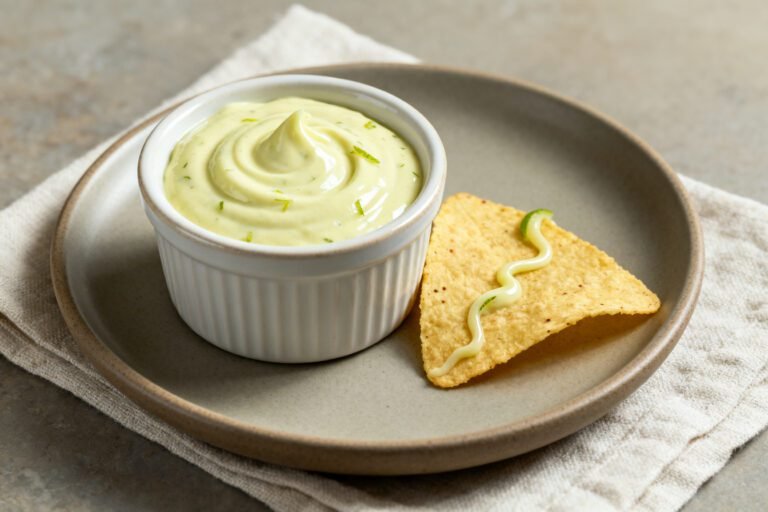
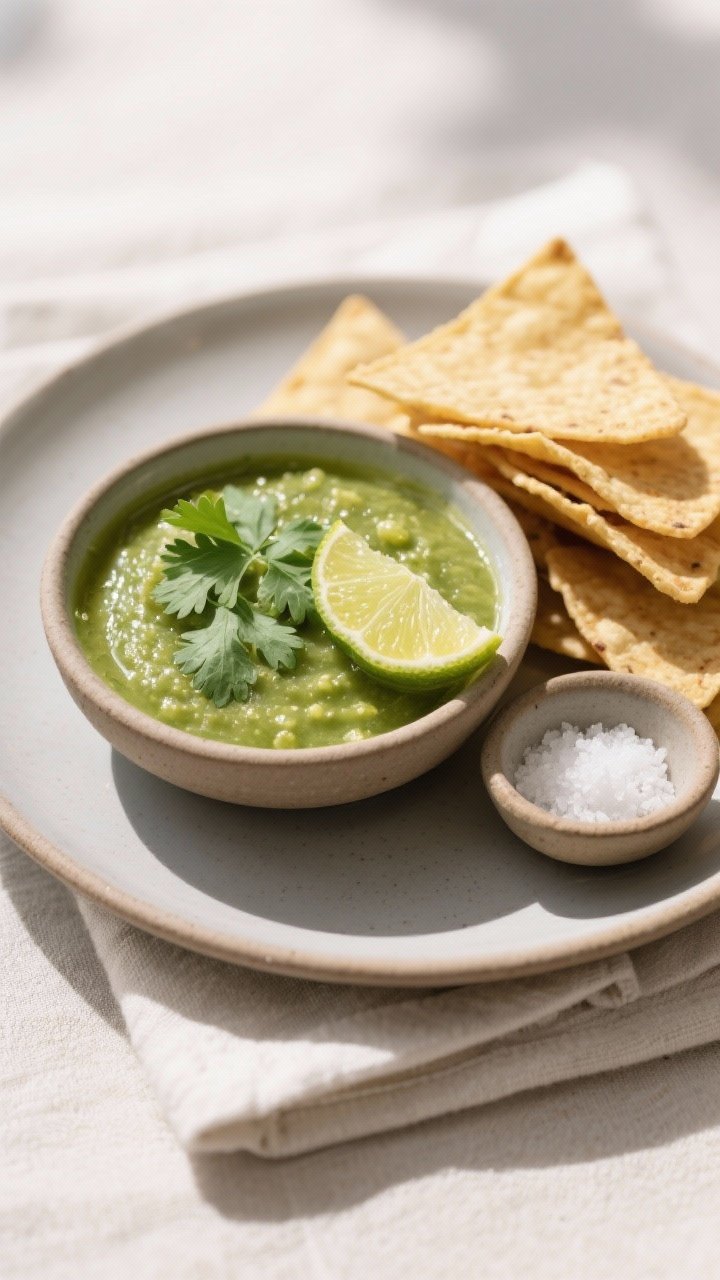
Tomatillo salsa is the kind of recipe that makes weeknight meals taste special without much effort. It’s tangy, a little smoky, and perfect on tacos, eggs, grilled chicken, or just a bowl of chips. This version keeps things simple but authentic, with roasted tomatillos, jalapeños, and fresh cilantro for a vibrant finish.
If you’re curious about canning, you’ll find an easy, reliable method here too. Make a batch to use now, then tuck a few jars away for later.
What Makes This Special
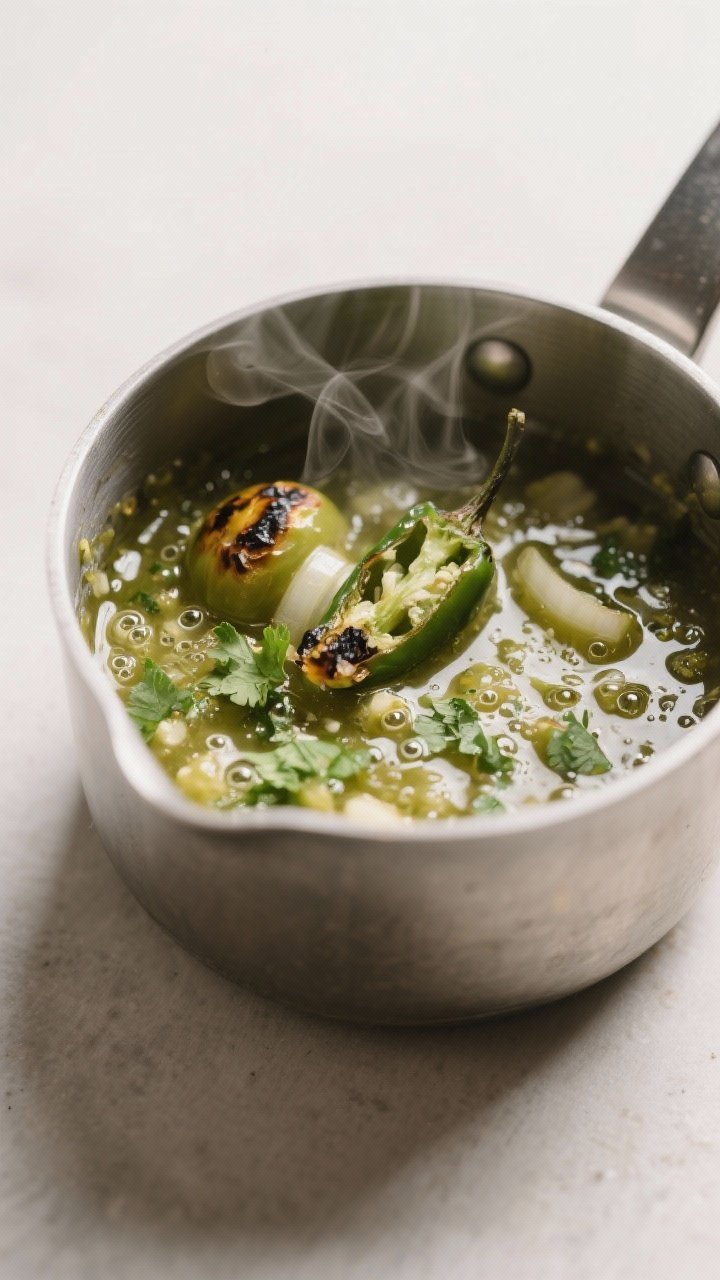
This salsa verde is all about clean, bright flavor with a quick roasting step that adds depth. You’ll get the classic tomatillo tang, gentle heat from jalapeños or serranos, and balanced acidity that makes it ideal for canning.
The recipe is flexible enough to adjust the spice level and texture, yet structured so it’s safe for long-term storage. It’s a staple you’ll return to again and again.
Shopping List
- Tomatillos (3 pounds), husks removed and rinsed
- White or yellow onion (1 medium), peeled and quartered
- Garlic (4–6 cloves), peeled
- Jalapeños or serrano peppers (2–4), stems removed; seed for milder salsa
- Fresh cilantro (1 small bunch), tender stems and leaves
- Lime juice (2–3 tablespoons), preferably fresh
- Apple cider vinegar or distilled white vinegar (2–4 tablespoons, 5% acidity)
- Kosher salt (1–2 teaspoons), to taste
- Ground cumin (optional, 1/2 teaspoon)
- Water or low-sodium chicken/vegetable broth (optional, 1/4–1/2 cup to adjust thickness)
- For canning: 4–6 half-pint jars, new lids, rings, canning pot, jar lifter, and a clean towel
Instructions
- Prep the tomatillos. Remove husks and rinse off the sticky residue. Pat dry.
Preheat your oven to 425°F (220°C). Line a sheet pan with parchment for easy cleanup.
- Roast the vegetables. Add tomatillos, onion quarters, whole chilies, and garlic cloves to the pan. Drizzle with a little oil (optional) and roast 15–20 minutes, flipping once, until tomatillos blister and release juice and peppers soften.
A few charred spots are great for flavor.
- Blend to your preferred texture. Transfer roasted vegetables and any pan juices to a blender or food processor. Add cilantro, 2 tablespoons lime juice, 2 tablespoons vinegar, 1 teaspoon salt, and cumin if using. Pulse for chunky, or blend smooth.
Add a splash of water or broth only if too thick.
- Taste and adjust. You want bright, tangy, and lightly salty. Add more salt, lime juice, or vinegar to balance. For canning, keep the total acidity (lime + vinegar) at least 3–4 tablespoons for this batch to maintain safe pH.
- Simmer for a few minutes. Pour the salsa into a pot and bring to a gentle simmer for 5–10 minutes.
This melds flavors and prepares it for canning. If using fresh now, you can cool and serve.
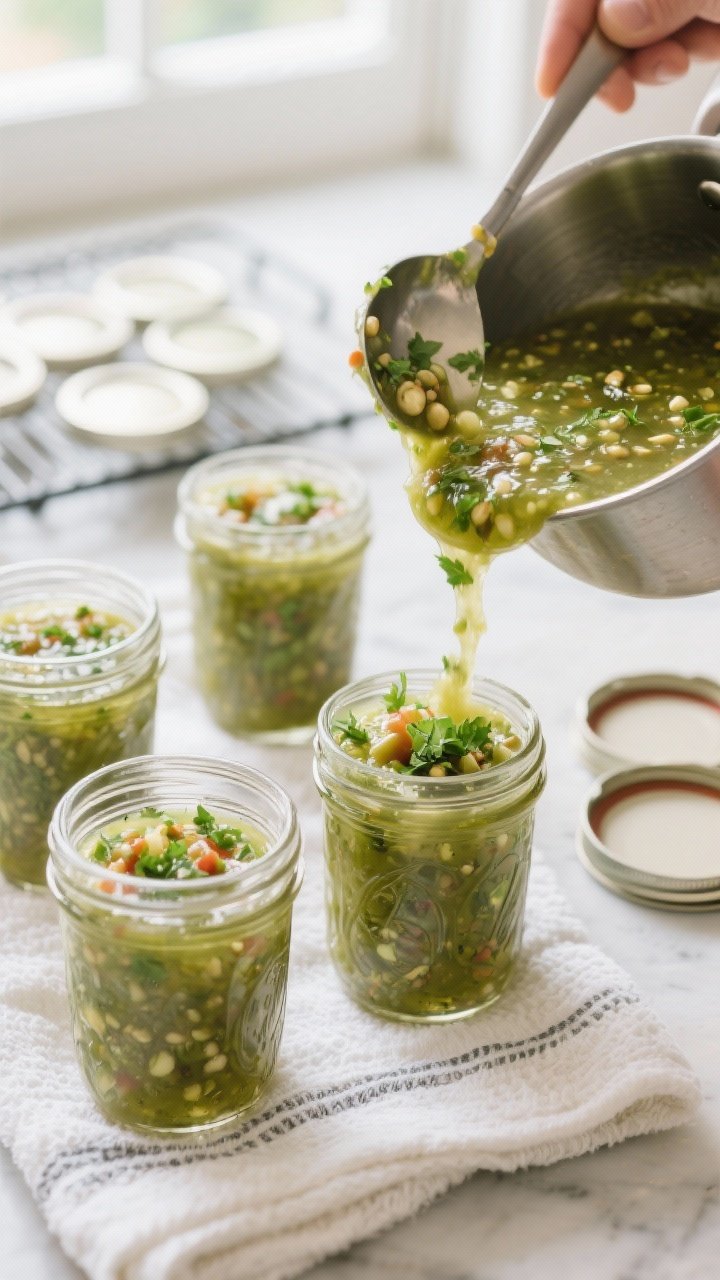
- Prepare for canning. Wash jars, lids, and rings. Keep jars hot (in simmering water or a 200°F oven).
Bring a large canning pot to a boil with a rack on the bottom.
- Fill the jars. Ladle hot salsa into hot jars, leaving 1/2-inch headspace. Wipe rims with a damp towel, center lids, and screw on rings to fingertip-tight.
- Process in a boiling water bath. Place jars on the rack in the boiling pot. Ensure they’re covered by at least 1 inch of water.
Process 15 minutes for half-pints (adjust for altitude; see Pitfalls section). Start timing when water returns to a rolling boil.
- Cool and check seals. Remove jars, let cool 12–24 hours. Lids should be concave and not flex when pressed.
Label and store sealed jars in a cool, dark place. Refrigerate any unsealed jars and use within a week.
Storage Instructions
Refrigerator: Fresh, unprocessed salsa keeps 5–7 days in a sealed container. Flavor improves after a few hours.
Freezer: Freeze in airtight containers or freezer bags for up to 3 months.
Thaw in the fridge and stir before serving.
Canned: Properly processed and sealed jars keep up to 12–18 months in a cool, dark pantry. Once opened, refrigerate and use within 1 week.
Benefits of This Recipe
- Balanced flavor: Roasting adds mild sweetness and smoky notes without losing that classic tomatillo brightness.
- Flexible heat: Adjust jalapeños or swap in serranos for extra kick.
- Meal prep friendly: A single batch makes enough for tacos, enchiladas, chilaquiles, and snacking.
- Canning-safe approach: Thoughtful acidity and simmering steps support safe water-bath canning.
- Budget-conscious: Tomatillos are affordable, and this recipe stretches across multiple meals.
Pitfalls to Watch Out For
- Skipping the rinse: Tomatillos have a sticky residue under the husk. Rinse well to avoid a bitter or tacky finish.
- Not enough acidity for canning: If you lower the vinegar or lime too much, the pH may be unsafe.
Keep at least 3–4 tablespoons total acid per batch.
- Over-thinning: Adding too much water can dilute flavor and impact acidity. If needed, thin only slightly and simmer to concentrate.
- Altitude errors: For water-bath canning, increase processing time by 5 minutes for 1,001–3,000 ft, 10 minutes for 3,001–6,000 ft, and 15 minutes above 6,000 ft.
- Over-blending hot salsa: Vent the blender lid and cover with a towel to prevent pressure buildup and splatters.
Alternatives
- Raw salsa verde: Skip roasting and blend raw tomatillos, onion, chilies, cilantro, lime, and salt for a brighter, sharper flavor. Best for fresh use, not canning.
- Broiled method: Broil tomatillos and chilies 6–8 minutes, turning once, for deeper char and faster cooking.
- Milder version: Use poblano peppers or remove all seeds and membranes from jalapeños.
- Smoky twist: Add a small chipotle in adobo for smoky heat.
Great for fresh use; if canning, keep overall acid levels steady.
- Herb swap: Add a few sprigs of fresh oregano or a pinch of dried Mexican oregano for earthiness.
FAQ
Can I use green tomatoes instead of tomatillos?
Yes, but the flavor changes. Green tomatoes are less tangy and slightly more bitter. If substituting, add extra lime or vinegar and consider a pinch of sugar to balance.
How spicy will this be?
With 2 jalapeños, it’s usually medium.
Remove seeds and membranes for milder heat, or use serranos for a hotter version. You can always blend in one pepper at a time and taste.
Do I have to roast the vegetables?
No, but roasting adds depth and tames the sharpness. If you prefer a fresher, brighter taste, blend raw ingredients and season to taste.
For canning, simmer the salsa afterward.
Is vinegar necessary if I’m using lime juice?
For canning, vinegar helps ensure a safe acidity level and consistent pH. You can use all lime for fresh salsa, but include at least some 5% vinegar for water-bath canning.
Can I pressure can this instead?
Water-bath canning is standard for high-acid salsas like this. Pressure canning is possible, but it may darken color and change texture.
If you go that route, follow a tested pressure canning recipe with times and pressures for your altitude.
How do I fix salsa that’s too tart?
Add a pinch of sugar or honey and a little more salt. You can also blend in a roasted poblano or a few extra tomatillos to mellow the acidity.
What if my salsa is too thin?
Simmer it uncovered for a few minutes to reduce and thicken. Avoid adding starches; they can affect texture and canning safety.
Can I use red onion?
Yes.
Red onion adds a slightly sharper bite and a hint of sweetness. It won’t affect canning safety as long as your acid amounts stay the same.
How long should I wait before opening canned jars?
You can use them once fully cooled and sealed, but the flavor improves after a week in the pantry as everything melds together.
What do I serve this with?
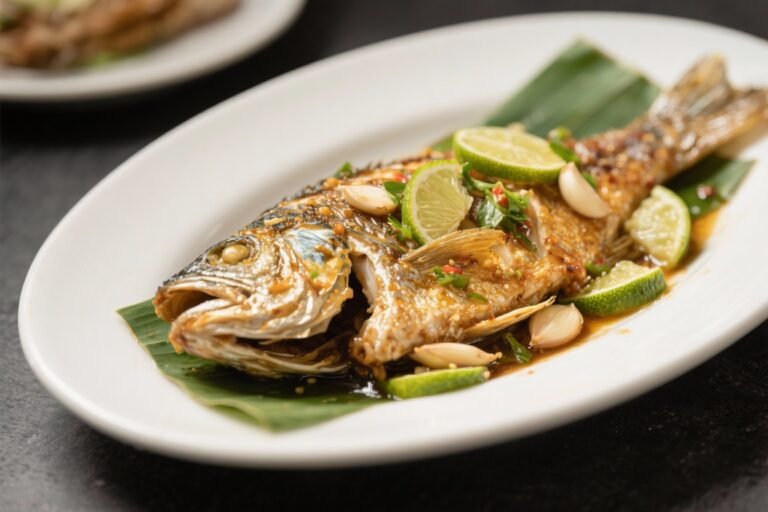
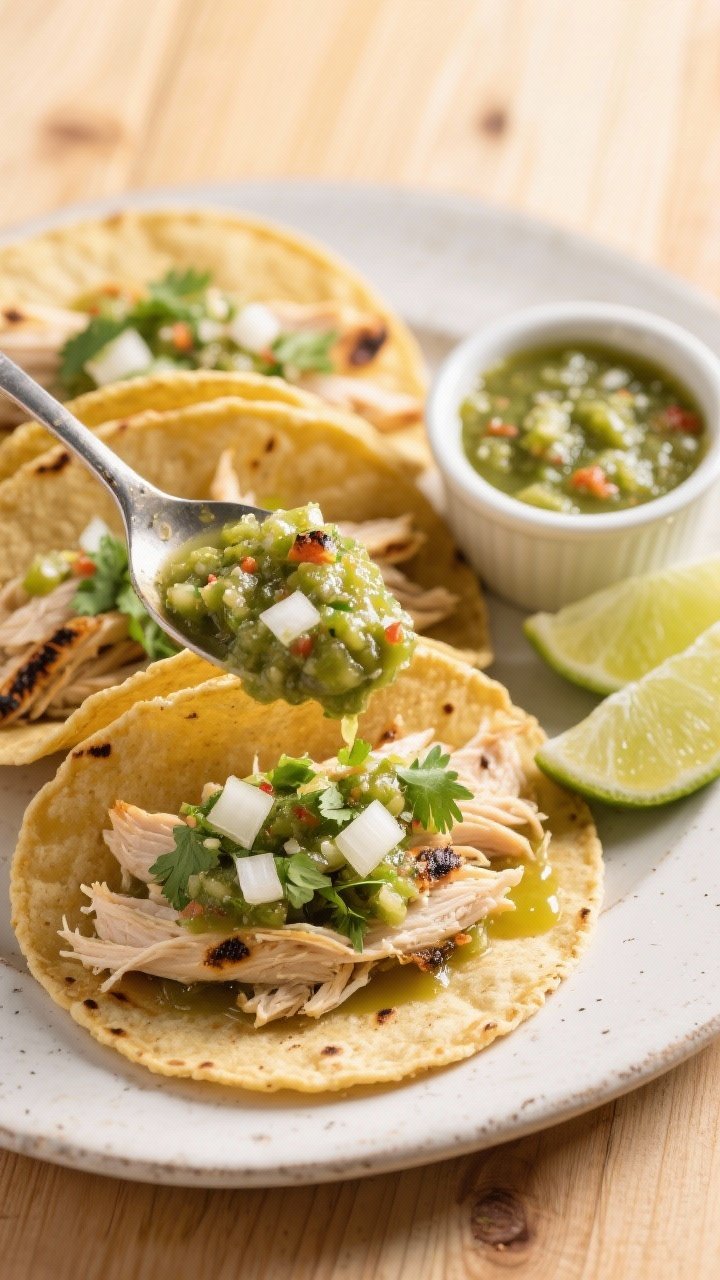
Tacos, grilled meats, scrambled eggs, quesadillas, nachos, enchiladas, burrito bowls, and roasted vegetables. It also makes a great bright sauce for fish.
Final Thoughts
Homemade tomatillo salsa is simple, fresh, and endlessly useful.
Roasting builds flavor, and a few canning basics turn one cooking session into months of easy meals. Keep a jar in the fridge for quick tacos and stash a few in the pantry for last-minute dinners. It’s the kind of recipe that earns a permanent spot in your rotation—bright, balanced, and always welcome at the table.
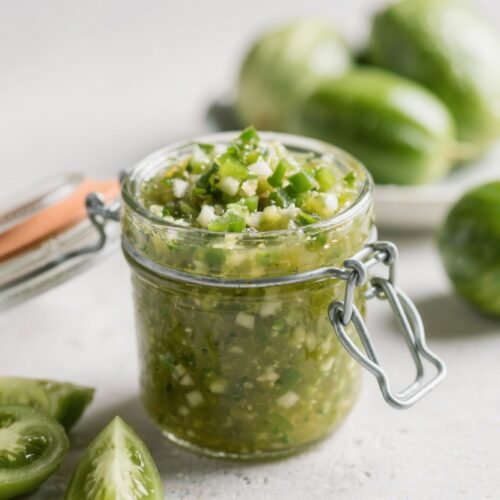
Homemade Tomatillo Salsa Recipe | Easy Salsa Verde Canning Method - Fresh, Bright, and Ready for the Pantry
Ingredients
- Tomatillos (3 pounds), husks removed and rinsed
- White or yellow onion (1 medium), peeled and quartered
- Garlic (4–6 cloves), peeled
- Jalapeños or serrano peppers (2–4), stems removed; seed for milder salsa
- Fresh cilantro (1 small bunch), tender stems and leaves
- Lime juice (2–3 tablespoons), preferably fresh
- Apple cider vinegar or distilled white vinegar (2–4 tablespoons, 5% acidity)
- Kosher salt (1–2 teaspoons), to taste
- Ground cumin (optional, 1/2 teaspoon)
- Water or low-sodium chicken/vegetable broth (optional, 1/4–1/2 cup to adjust thickness)
- For canning: 4–6 half-pint jars, new lids, rings, canning pot, jar lifter, and a clean towel
Instructions
- Prep the tomatillos. Remove husks and rinse off the sticky residue. Pat dry.Preheat your oven to 425°F (220°C). Line a sheet pan with parchment for easy cleanup.
- Roast the vegetables. Add tomatillos, onion quarters, whole chilies, and garlic cloves to the pan. Drizzle with a little oil (optional) and roast 15–20 minutes, flipping once, until tomatillos blister and release juice and peppers soften.A few charred spots are great for flavor.
- Blend to your preferred texture. Transfer roasted vegetables and any pan juices to a blender or food processor. Add cilantro, 2 tablespoons lime juice, 2 tablespoons vinegar, 1 teaspoon salt, and cumin if using. Pulse for chunky, or blend smooth.Add a splash of water or broth only if too thick.
- Taste and adjust. You want bright, tangy, and lightly salty. Add more salt, lime juice, or vinegar to balance. For canning, keep the total acidity (lime + vinegar) at least 3–4 tablespoons for this batch to maintain safe pH.
- Simmer for a few minutes. Pour the salsa into a pot and bring to a gentle simmer for 5–10 minutes.This melds flavors and prepares it for canning. If using fresh now, you can cool and serve.
- Prepare for canning. Wash jars, lids, and rings. Keep jars hot (in simmering water or a 200°F oven).Bring a large canning pot to a boil with a rack on the bottom.
- Fill the jars. Ladle hot salsa into hot jars, leaving 1/2-inch headspace. Wipe rims with a damp towel, center lids, and screw on rings to fingertip-tight.
- Process in a boiling water bath. Place jars on the rack in the boiling pot. Ensure they’re covered by at least 1 inch of water.Process 15 minutes for half-pints (adjust for altitude; see Pitfalls section). Start timing when water returns to a rolling boil.
- Cool and check seals. Remove jars, let cool 12–24 hours. Lids should be concave and not flex when pressed.Label and store sealed jars in a cool, dark place. Refrigerate any unsealed jars and use within a week.