Easy Sukiyaki Recipe | Simple Japanese Beef Hot Pot Dinner
Sukiyaki is a cozy, crowd-pleasing Japanese hot pot that’s surprisingly easy to make at home. Think tender slices of beef simmered in a sweet-savory broth with mushrooms, tofu, noodles, and veggies—all cooked together at the table. It’s comforting, balanced, and fun to share.
You don’t need special equipment or fancy skills, just a single pot and a few pantry staples. This version keeps things simple while staying true to the classic flavor everyone loves.
What Makes This Recipe So Good
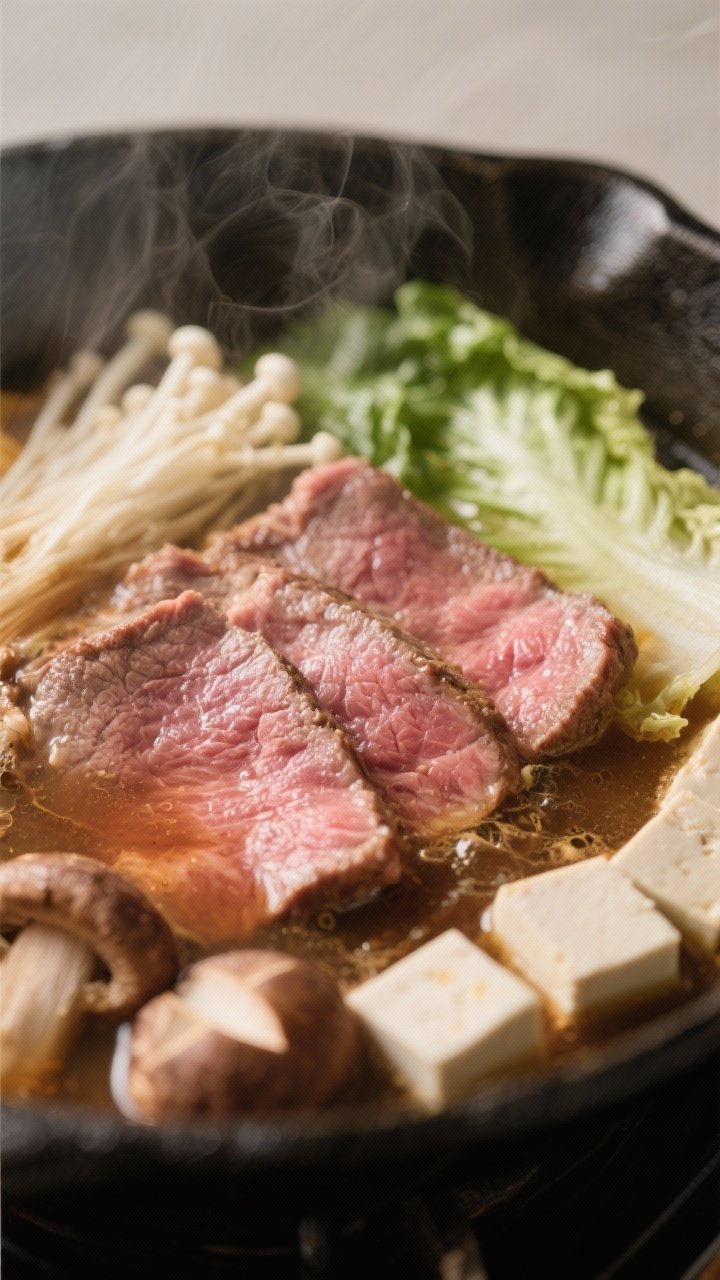
- Fast and flexible: Ready in about 30 minutes, and you can swap in whatever vegetables you have.
- Restaurant flavor at home: The sukiyaki sauce (warishita) is classic: soy sauce, mirin, sake, and sugar.
- One-pot meal: Protein, veggies, and noodles all cook together, so cleanup is easy.
- Great for sharing: Serve it bubbling hot at the table for a relaxed, interactive dinner.
- Adaptable to diets: Make it lighter, richer, or vegetarian with simple tweaks.
Shopping List
- Beef: 12–16 oz paper-thin sliced ribeye or sirloin (shabu-shabu or hot pot cut)
- Tofu: 1 block firm or medium-firm tofu, cut into cubes
- Mushrooms: 1–2 cups shiitake, enoki, or shimeji (mix if you like)
- Greens: 1 small bunch napa cabbage or bok choy, chopped
- Alliums: 1 onion (or 2–3 scallions), sliced; optional 1 small leek, bias-cut
- Noodles: 1 pack shirataki or yam noodles, rinsed and drained (or glass noodles)
- Konnyaku (optional): If not using shirataki noodles
- Carrot (optional): 1 small, thinly sliced
- Sukiyaki sauce (warishita):
- 1/2 cup soy sauce
- 1/2 cup mirin
- 1/3 cup sake
- 2–3 tablespoons sugar (adjust to taste)
- 1/2 cup water or light dashi (optional but nice)
- Neutral oil or beef tallow: 1 tablespoon for searing
- Eggs for dipping (optional): 1 per person, very fresh, lightly beaten
Instructions
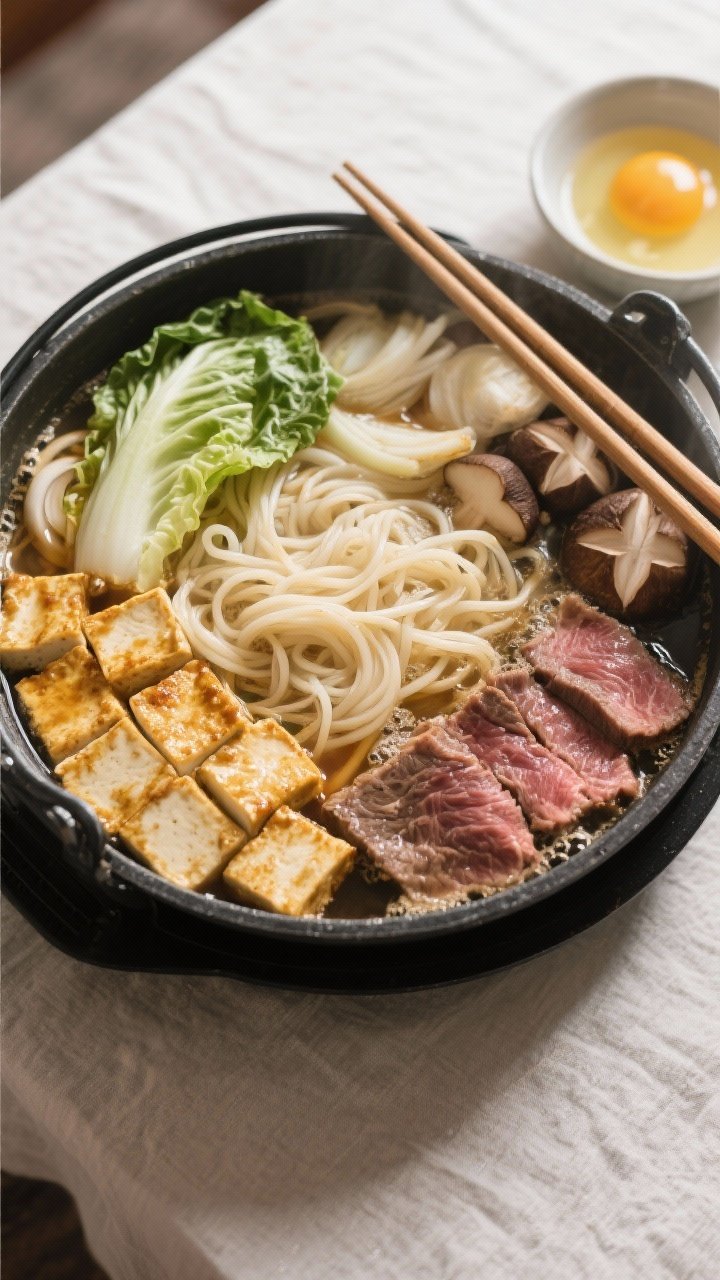
- Prep the ingredients: Slice the onion, chop the cabbage into bite-size pieces, cut tofu into cubes, trim mushrooms, and rinse shirataki. Lay everything on a tray so it’s ready to go.
- Make the warishita sauce: In a bowl, combine soy sauce, mirin, sake, sugar, and water or dashi.
Stir until the sugar dissolves. Taste and adjust sweetness or saltiness.
- Heat the pot: Set a wide, shallow pot or skillet over medium heat. Add oil or a small piece of beef fat if you have it.
- Quick-sear some beef: Add a few slices of beef and sear just until the color changes.
This adds flavor to the pot. Don’t cook all the beef yet.
- Add the sauce base: Pour in about half of the warishita. Bring to a gentle simmer.
- Arrange the veggies: Add tofu, onion, cabbage, mushrooms, and noodles in separate sections of the pot.
Keep a spot open for adding beef as you go.
- Simmer gently: Cook 5–7 minutes until the vegetables soften and soak up the flavors. Add more warishita as needed so the ingredients are partially submerged.
- Cook the beef to order: Add several slices of beef, swishing them in the simmering sauce until just pink (30–60 seconds). Eat as you go and keep adding more beef and sauce throughout the meal.
- Optional egg dip: If using, crack fresh eggs into small bowls and whisk lightly.
Dip cooked beef and hot veggies into the egg for a silky finish.
- Adjust and finish: Taste the broth. Add a splash of water if it gets too salty, or a pinch of sugar if you want it sweeter. Keep the pot at a gentle simmer as everyone eats.
Storage Instructions
- Fridge: Cool leftovers and store in an airtight container for up to 3 days.
Keep the beef, veggies, and broth together, or separate if you prefer.
- Reheat: Warm on the stovetop over low heat until steaming. Add a splash of water to loosen the sauce if needed.
- Freezer: Not ideal for tofu and mushrooms, which change texture. If you must freeze, do it without tofu and noodles, up to 2 months.
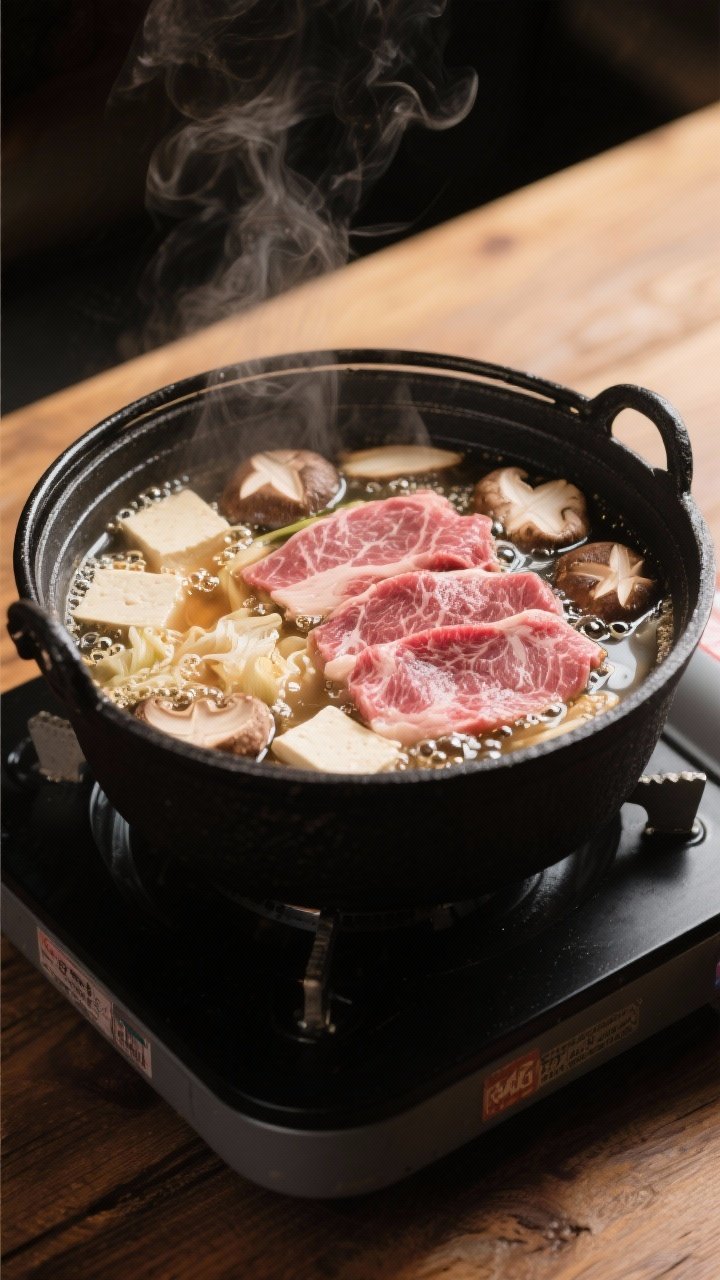
Why This is Good for You
- Balanced meal: Protein from beef and tofu, fiber and vitamins from vegetables, and satisfying carbs from noodles.
- Lighter than takeout: You control the sugar and sodium.
Use less sauce or more veggies for a lighter bowl.
- Hydrating and warming: The broth keeps you full and cozy without heavy cream or butter.
- Customizable nutrition: Add more greens, swap in leaner beef, or use extra tofu for plant-forward protein.
Pitfalls to Watch Out For
- Overcooking the beef: Thin slices cook in seconds. Add them in small batches and pull them as soon as the color changes.
- Too-salty broth: Warishita is concentrated. Keep some water or dashi handy to dilute as the sauce reduces.
- Watery flavors: Rinse shirataki well and drain.
Too much water in the pot can dull the sauce.
- Overcrowding: If the pot is jam-packed, ingredients steam instead of simmering in the sauce. Cook in waves if needed.
- Egg safety: If you’re not comfortable with raw eggs, skip the dip or use pasteurized eggs.
Recipe Variations
- Vegetarian sukiyaki: Skip beef. Use extra-firm tofu, tempeh, or seared mushrooms for a meaty bite.
Use a kombu-based dashi instead of water.
- Chicken or pork swap: Use thinly sliced pork shoulder or chicken thigh. Cook slightly longer until fully done.
- Low-sugar version: Reduce sugar to 1 tablespoon and add a little extra mirin or a splash of apple juice for gentle sweetness.
- Gluten-free: Use tamari instead of soy sauce and check that your mirin is gluten-free. Shirataki and rice noodles work well.
- Extra umami: Add a small piece of kombu to the water or dashi while heating, then remove before simmering.
- Hearty winter version: Add daikon, chrysanthemum greens (shungiku), or small mochi pieces for a richer pot.
FAQ
Do I need a special hot pot or can I use a regular pan?
You can use any wide, shallow pot or a large skillet.
A Dutch oven or deep sauté pan works well. If serving at the table, a portable burner is helpful but not required.
What cut of beef works best?
Thinly sliced ribeye is ideal for tenderness and flavor. Sirloin or chuck roll also work, as long as the slices are paper-thin.
Ask the butcher to slice for hot pot if you don’t see it packaged.
Can I make the sauce ahead of time?
Yes. Mix the warishita up to 5 days in advance and store it in the fridge. Shake or stir before using to redistribute any settled sugar.
Is the raw egg dip safe?
Use very fresh, high-quality eggs, preferably pasteurized, and keep them chilled until serving.
If you’re not comfortable, skip it—sukiyaki is still delicious without it.
What can I use instead of mirin and sake?
Use 1/2 cup apple juice plus 1 teaspoon rice vinegar in place of mirin, and chicken broth or water in place of sake. The flavor changes slightly but stays balanced.
How do I avoid mushy tofu?
Use firm or medium-firm tofu, drain well, and add it early so it has time to firm up in the sauce. Avoid stirring too aggressively.
Can I meal prep this?
Chop veggies, mix the sauce, and slice tofu ahead of time.
Cook fresh for the best texture, then reheat leftovers gently for easy lunches.
What if I don’t have shirataki noodles?
Glass noodles (bean thread) or cooked udon are great alternatives. Add udon near the end so they don’t soak up too much sauce early on.
Wrapping Up
Sukiyaki brings big comfort with minimal effort. With a simple sauce, thinly sliced beef, and a handful of vegetables, you get a balanced, flavorful hot pot that feels special any night of the week.
Keep the heat low, cook the beef in small batches, and adjust the sauce as you go. Set the pot in the center of the table and enjoy a warm, relaxed dinner that everyone can share.
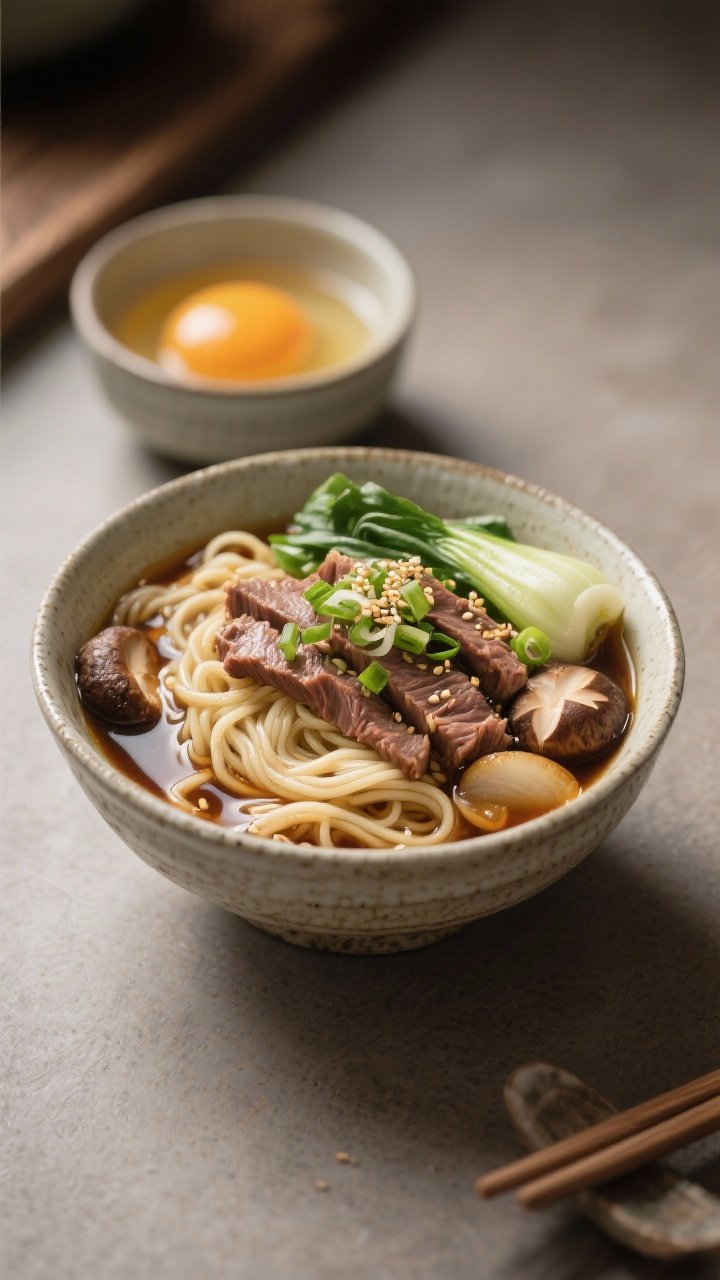
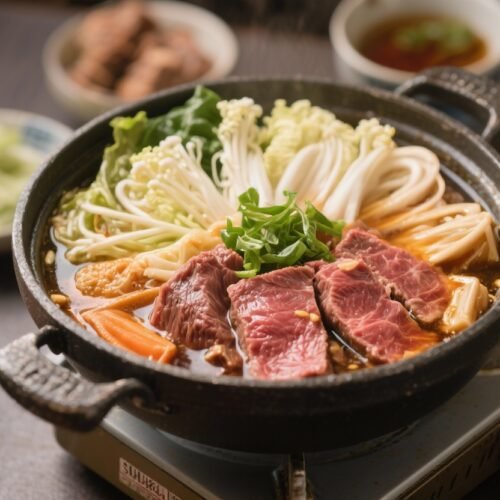
Easy Sukiyaki Recipe | Simple Japanese Beef Hot Pot Dinner
Ingredients
- Beef: 12–16 oz paper-thin sliced ribeye or sirloin (shabu-shabu or hot pot cut)
- Tofu: 1 block firm or medium-firm tofu, cut into cubes
- Mushrooms: 1–2 cups shiitake, enoki, or shimeji (mix if you like)
- Greens: 1 small bunch napa cabbage or bok choy, chopped
- Alliums: 1 onion (or 2–3 scallions), sliced; optional 1 small leek, bias-cut
- Noodles: 1 pack shirataki or yam noodles, rinsed and drained (or glass noodles)
- Konnyaku (optional): If not using shirataki noodles
- Carrot (optional): 1 small, thinly sliced
- Sukiyaki sauce (warishita): 1/2 cup soy sauce
- ½ cup mirin
- ⅓ cup sake
- 2–3 tablespoons sugar (adjust to taste)
- ½ cup water or light dashi (optional but nice)
- Neutral oil or beef tallow: 1 tablespoon for searing
- Eggs for dipping (optional): 1 per person, very fresh, lightly beaten
Instructions
- Prep the ingredients: Slice the onion, chop the cabbage into bite-size pieces, cut tofu into cubes, trim mushrooms, and rinse shirataki. Lay everything on a tray so it’s ready to go.
- Make the warishita sauce: In a bowl, combine soy sauce, mirin, sake, sugar, and water or dashi.Stir until the sugar dissolves. Taste and adjust sweetness or saltiness.
- Heat the pot: Set a wide, shallow pot or skillet over medium heat. Add oil or a small piece of beef fat if you have it.
- Quick-sear some beef: Add a few slices of beef and sear just until the color changes.This adds flavor to the pot. Don’t cook all the beef yet.
- Add the sauce base: Pour in about half of the warishita. Bring to a gentle simmer.
- Arrange the veggies: Add tofu, onion, cabbage, mushrooms, and noodles in separate sections of the pot.Keep a spot open for adding beef as you go.
- Simmer gently: Cook 5–7 minutes until the vegetables soften and soak up the flavors. Add more warishita as needed so the ingredients are partially submerged.
- Cook the beef to order: Add several slices of beef, swishing them in the simmering sauce until just pink (30–60 seconds). Eat as you go and keep adding more beef and sauce throughout the meal.
- Optional egg dip: If using, crack fresh eggs into small bowls and whisk lightly.Dip cooked beef and hot veggies into the egg for a silky finish.
- Adjust and finish: Taste the broth. Add a splash of water if it gets too salty, or a pinch of sugar if you want it sweeter. Keep the pot at a gentle simmer as everyone eats.