Homemade Beetroot Powder Recipe | Nutritious Healthy Drink and Snack Boost
If you love sneaking extra nutrition into everyday meals, homemade beetroot powder will become your new pantry MVP. It adds a gorgeous ruby hue and a subtle earthy sweetness to smoothies, yogurt bowls, baked goods, and even savory rubs. Making it at home keeps the flavor bright and costs a fraction of store-bought versions.
You only need fresh beets, a little time, and a low-and-slow drying method. I’ll walk you through slicing, drying, and grinding beets into a fine powder that stores well for months. You’ll also get tips to keep the color vibrant, the flavor clean, and the texture silky-smooth.
Why This Homemade Beetroot Powder Recipe Works
- Fresh beets mean fresh flavor: You control quality, so the powder tastes naturally sweet and earthy without bitterness.
- Low-temperature drying protects nutrients: Gentle heat helps retain color and beneficial compounds like nitrates and antioxidants.
- Fine grind equals easy mixing: A smooth powder blends better into drinks, batters, and dips.
- Budget-friendly and zero-waste: Use whole beets, and even roast or pickle the scraps. One batch lasts a long time.
- Versatile use: Stir into smoothies, lattes, energy bites, frostings, pancakes, and homemade pasta.
Ingredients
- 2–3 pounds fresh beets (about 6–8 medium beets; red for classic color, golden for milder flavor)
- Optional: lemon juice (1 tablespoon) to rinse slices for brighter color
- Optional: pinch of sea salt for savory uses
That’s it. No additives, no preservatives—just pure, vibrant beet.
How to Make Homemade Beetroot Powder
1) Prep the beets
- Scrub beets thoroughly to remove dirt. Trim greens and stems (save greens for sautéing if you like).
- Peel for a cleaner, less earthy flavor. Keep peels on if you prefer maximum fiber and color—both work.
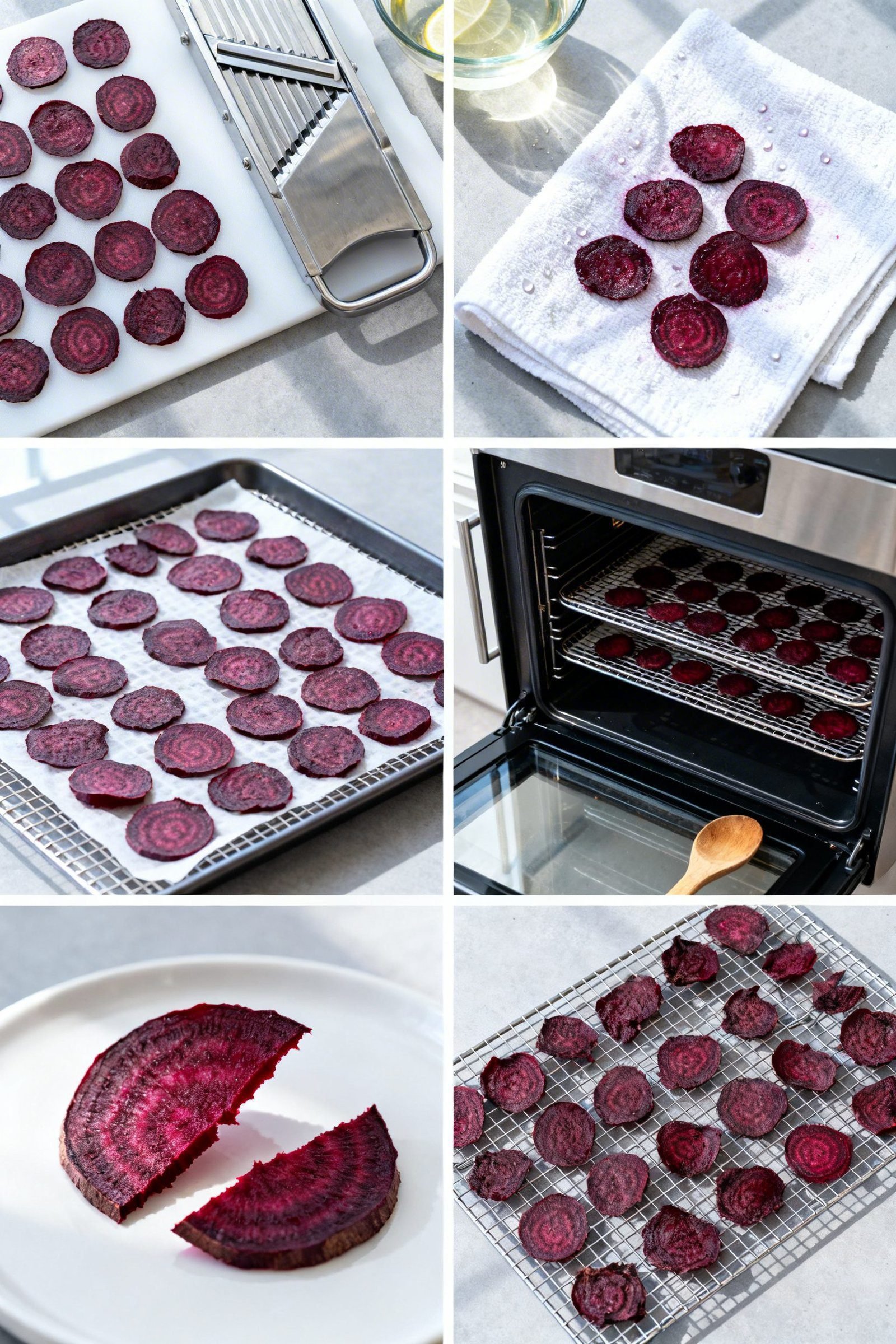
- Slice beets into very thin rounds (1–2 mm) using a mandoline or a sharp knife for even drying.
- Optional color boost: Briefly rinse slices in cold water with a splash of lemon juice, then pat very dry.
2) Dry the beet slices
- Dehydrator method (best): Arrange slices in a single layer on dehydrator trays. Dry at 125–135°F (52–57°C) for 6–10 hours, until snapping crisp, not bendy.
- Oven method (easy): Line baking sheets with parchment. Lay out slices without overlap. Set oven to lowest temp (usually 170–200°F / 77–93°C). Prop door slightly open with a wooden spoon for airflow. Dry for 3–5 hours, flipping halfway, until brittle.
- Air-dry option (takes days): In a very dry climate, place slices on racks with good airflow. Rotate daily until fully crisp.
Test doneness: A properly dried slice snaps cleanly with no flexibility or moisture spots. If in doubt, keep drying.
3) Grind into powder
- Cool dried slices completely to avoid steam in the grinder.
- Grind in batches using a high-speed blender, spice grinder, or coffee grinder until very fine.
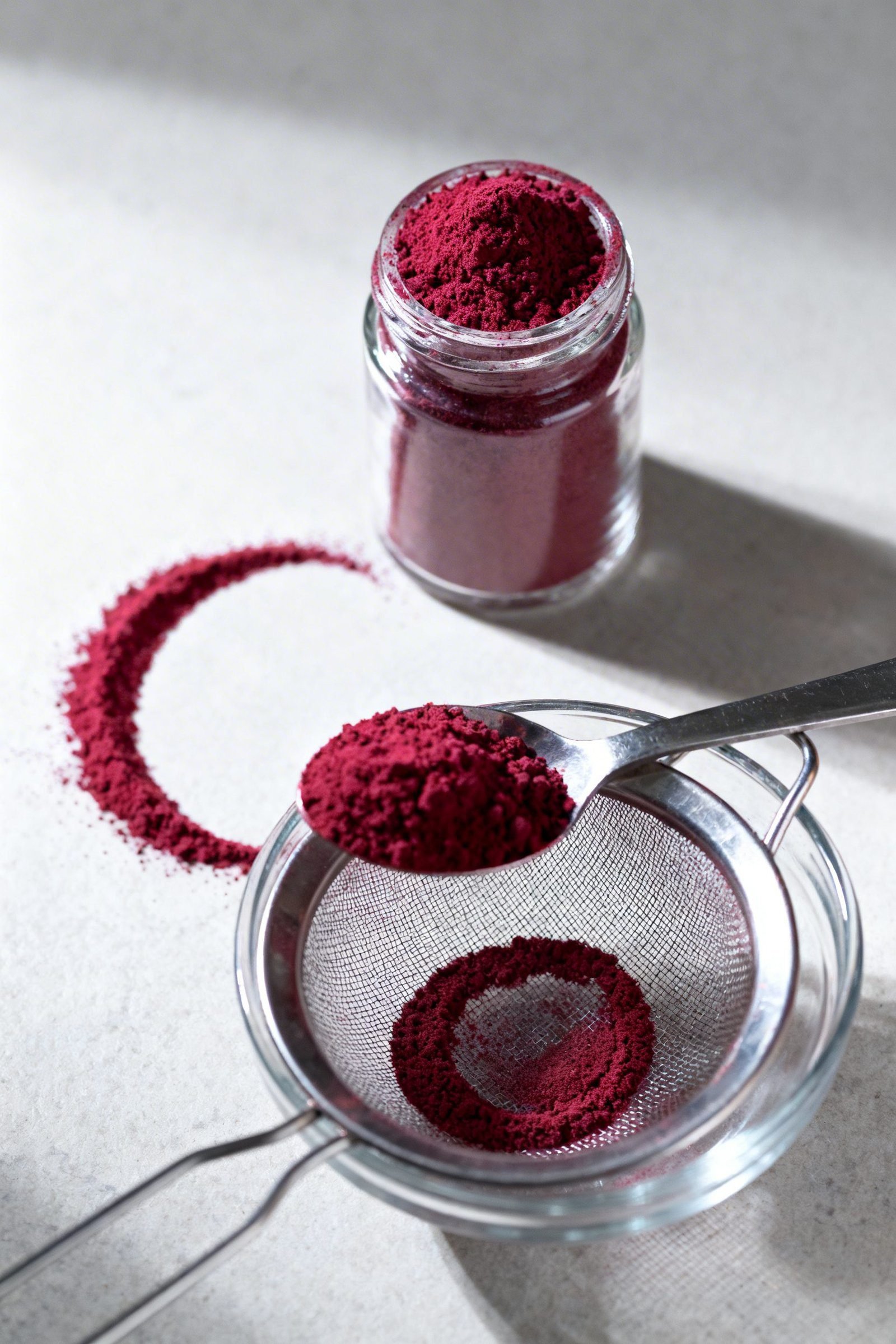
- Sift through a fine-mesh sieve. Return larger bits to the grinder and repeat for a silky texture.
4) Final dry (optional but helpful)
- Spread the powder on a parchment-lined sheet.
- Warm in a 200°F (93°C) oven for 10–15 minutes to remove trace moisture.
- Cool completely before storing to prevent clumping.
Quick usage guide
- Smoothies: 1–2 teaspoons per serving
- Lattes: 1 teaspoon with warm milk and honey
- Baked goods: 1–2 tablespoons in cakes, pancakes, or muffins
- Energy bites: 1 tablespoon per cup of nut butter/oats mix
- Savory rubs: 1–2 teaspoons with salt, pepper, garlic, and cumin
How to Store Your Beetroot Powder
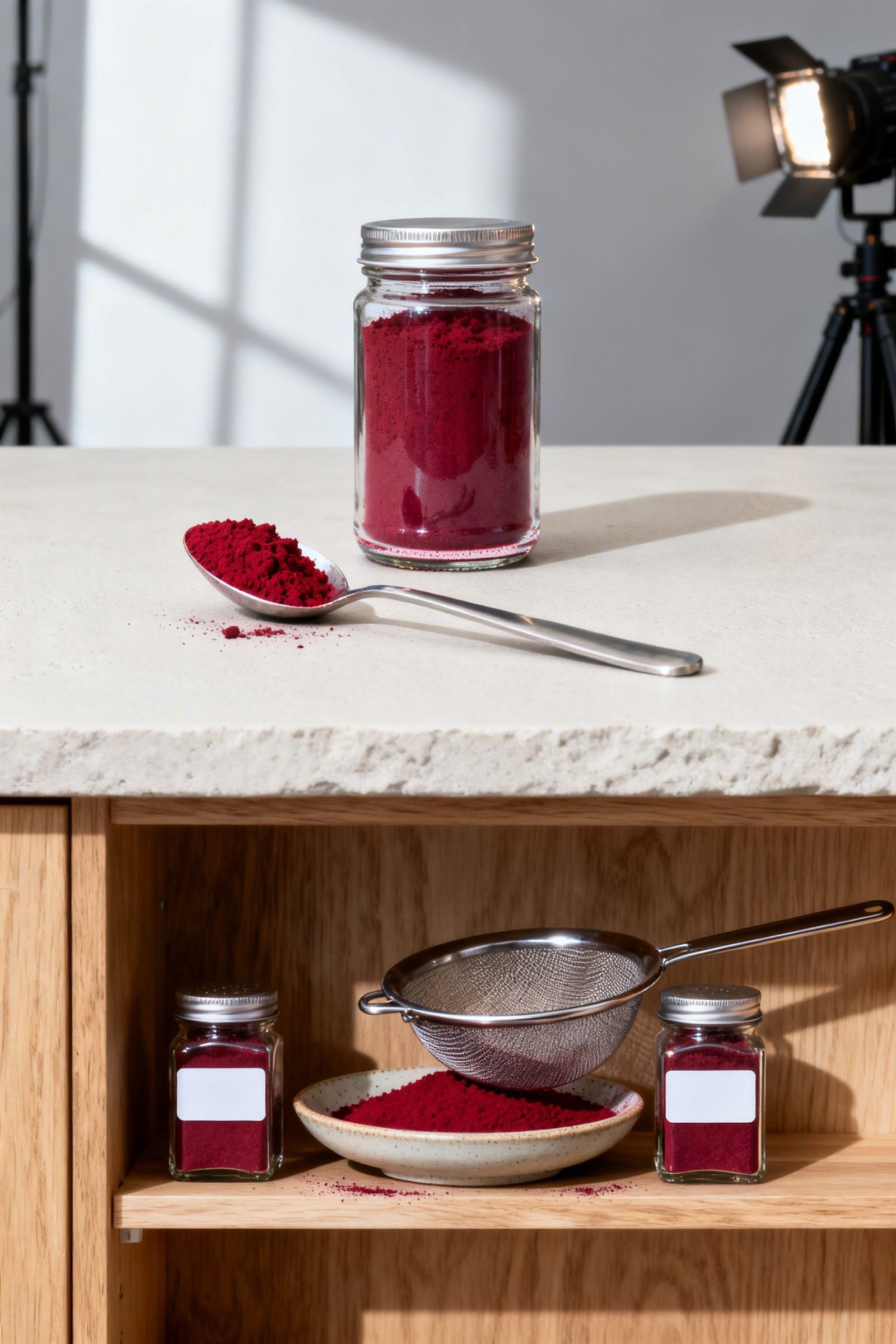
- Use an airtight jar with a tight lid.
- Add a food-safe desiccant packet if you live in a humid area.
- Keep it in a cool, dark cupboard, away from heat and sunlight to protect color and flavor.
- Label with the date. For best quality, use within 6 months. It often lasts longer if kept dry.
- For ultra-long storage, freeze in a sealed container; warm to room temp before opening to avoid condensation.
Benefits of Using Homemade Beetroot Powder
- Nutrient-dense: Beets contain folate, manganese, potassium, and antioxidants like betalains.
- Convenient boost: A teaspoon adds color and nutrition without peeling or cooking beets.
- Supports active lifestyles: Naturally occurring nitrates may support circulation and workout performance.
- No additives: You skip anti-caking agents, dyes, and mystery ingredients.
- Culinary versatility: Works in both sweet and savory recipes, from frostings to hummus.
What Not to Do
- Don’t rush the drying: If slices bend, they still hold moisture, which leads to clumping and spoilage.
- Don’t skip cooling: Grinding warm slices creates steam and sticky powder.
- Don’t store while warm: Condensation ruins texture and color.
- Don’t slice thick: Thick pieces dry unevenly and can taste muddy.
- Don’t use damp tools: Any moisture turns powder into paste—keep grinders and jars bone-dry.
Variations You Can Try
- Golden beet powder: Milder flavor and sunshine color—great for lattes and pancakes.
- Spiced beet blend: Mix 3 parts beet powder with 1 part cinnamon and a pinch of ginger for smoothies and oatmeal.
- Berry-beet smoothie dust: Combine equal parts beet powder and freeze-dried strawberry powder for tangy pink smoothies.
- Savory beet seasoning: Blend beet powder with smoked paprika, garlic powder, cumin, and sea salt for veggie or protein rubs.
- Baking booster: Stir 1 tablespoon beet powder into cocoa-based cakes for deeper color and a subtle sweet-earthy note.
FAQ
How much powder does 2–3 pounds of beets make?
Expect roughly 1 to 1.5 cups of powder, depending on beet size, water content, and how fine you grind.
Does beetroot powder taste earthy?
Yes, but gently so. Roasting the slices first at 300°F (150°C) for 20–25 minutes before dehydrating gives a sweeter, caramelized flavor if you prefer.
Can I use pre-cooked beets?
You can, but you’ll get less vibrant color and sometimes a softer flavor. Fresh raw beets yield the brightest powder.
How do I avoid clumps?
Dry until slices snap, grind in short bursts, sift the powder, and store with a desiccant in an airtight jar.
Will this stain my tools?
Beet pigment can tint plastic. Use glass jars and clean tools promptly with hot soapy water and a little baking soda if needed.
Is beetroot powder safe for kids?
Generally yes in small amounts, but check with your pediatrician if your child has dietary restrictions or kidney issues.
How do I use it in frosting?
Whisk 1–3 teaspoons into vanilla or cream cheese frosting for a natural pink color. Sift first for a smooth finish.
Can I make it without peeling?
Yes. Unpeeled slices deliver more fiber and a slightly earthier profile. Scrub well before slicing.
Conclusion
Homemade beetroot powder turns humble beets into a vibrant, long-lasting pantry staple. With thin slices, low heat, and a fine grind, you’ll get a smooth, colorful powder that slips into drinks, snacks, and bakes with ease. Make a jar this weekend, and you’ll find yourself sprinkling a little nutrition and a lot of color into everything from morning smoothies to afternoon energy bites.
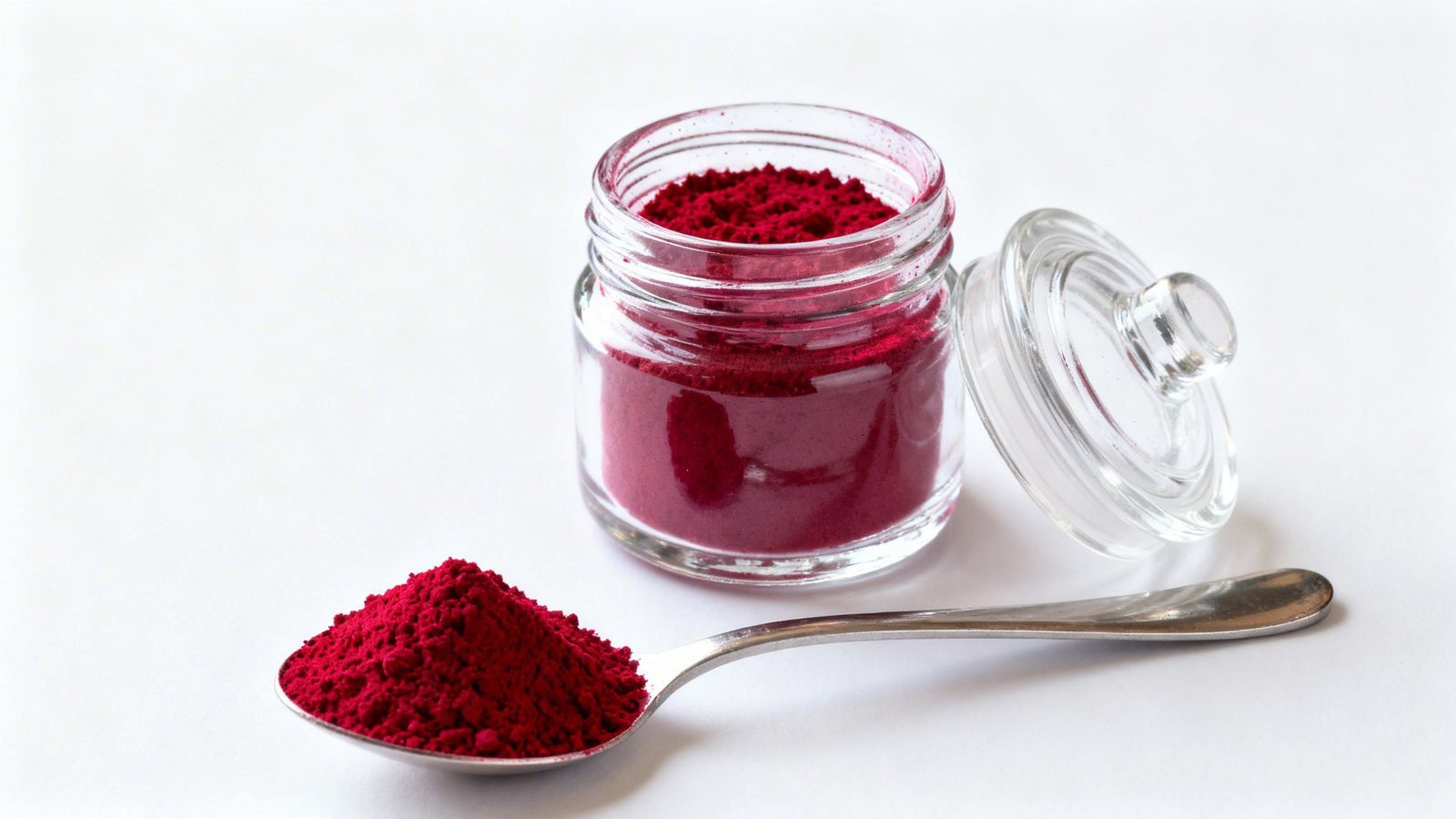
Homemade Beetroot Powder
Thinly slice, dry, and grind fresh beets into a vibrant, fine powder for boosting drinks, snacks, and baked goods.
Ingredients
- 2–3 pounds fresh beets (about 6–8 medium; red or golden)
- Optional: 1 tablespoon lemon juice (for rinsing slices to brighten color)
- Optional: pinch of sea salt (for savory uses)
Instructions
- Scrub beets thoroughly; trim greens and stems.
- Peel for a cleaner flavor (optional; leaving peels on adds fiber).
- Slice beets into very thin rounds (1–2 mm) with a mandoline or sharp knife.
- Optional: Rinse slices briefly in cold water with a splash of lemon juice; pat very dry.
- Dry the slices: Dehydrator at 125–135°F (52–57°C) for 6–10 hours until snapping crisp; OR oven at lowest temp (170–200°F / 77–93°C) with door propped open for 3–5 hours, flipping halfway, until brittle; OR air-dry on racks for several days until fully crisp.
- Cool dried slices completely.
- Grind in batches using a high-speed blender, spice grinder, or coffee grinder until very fine.
- Sift through a fine-mesh sieve; regrind larger bits and repeat for a silky texture.
- Optional final dry: Spread powder on a parchment-lined sheet and warm at 200°F (93°C) for 10–15 minutes to remove trace moisture.
- Cool completely and store in an airtight jar; add a desiccant if humid.