Easy French Bread Recipe | Crusty Homemade Bakery-Style Loaf
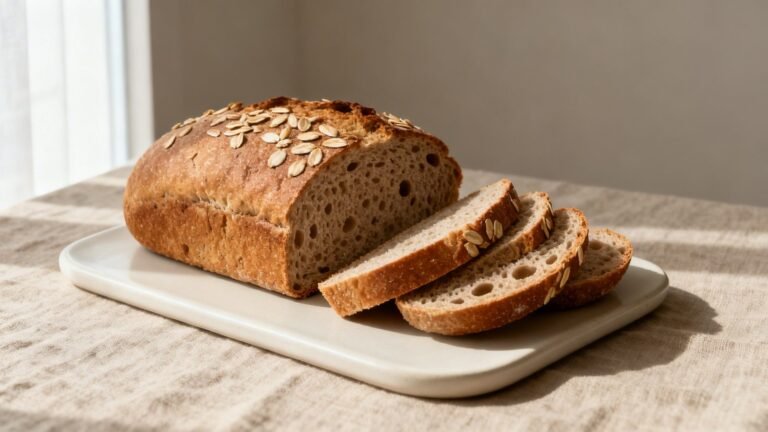
Meet your new go-to loaf: a simple, crusty French bread that tastes like it came straight from a bakery. You’ll get a golden, crackly crust and a tender, open crumb inside—perfect for sandwiches, soups, or tearing and dipping in olive oil. No special equipment required, just a little time and a few pantry staples.
I’ve baked this loaf more times than I can count, and it never disappoints. The method is straightforward, the rise is dependable, and the result feels special every single time. If you’ve wanted to bake bread but felt intimidated, this is the recipe that will make you feel like a pro.
Why This Simple French Bread Recipe Works
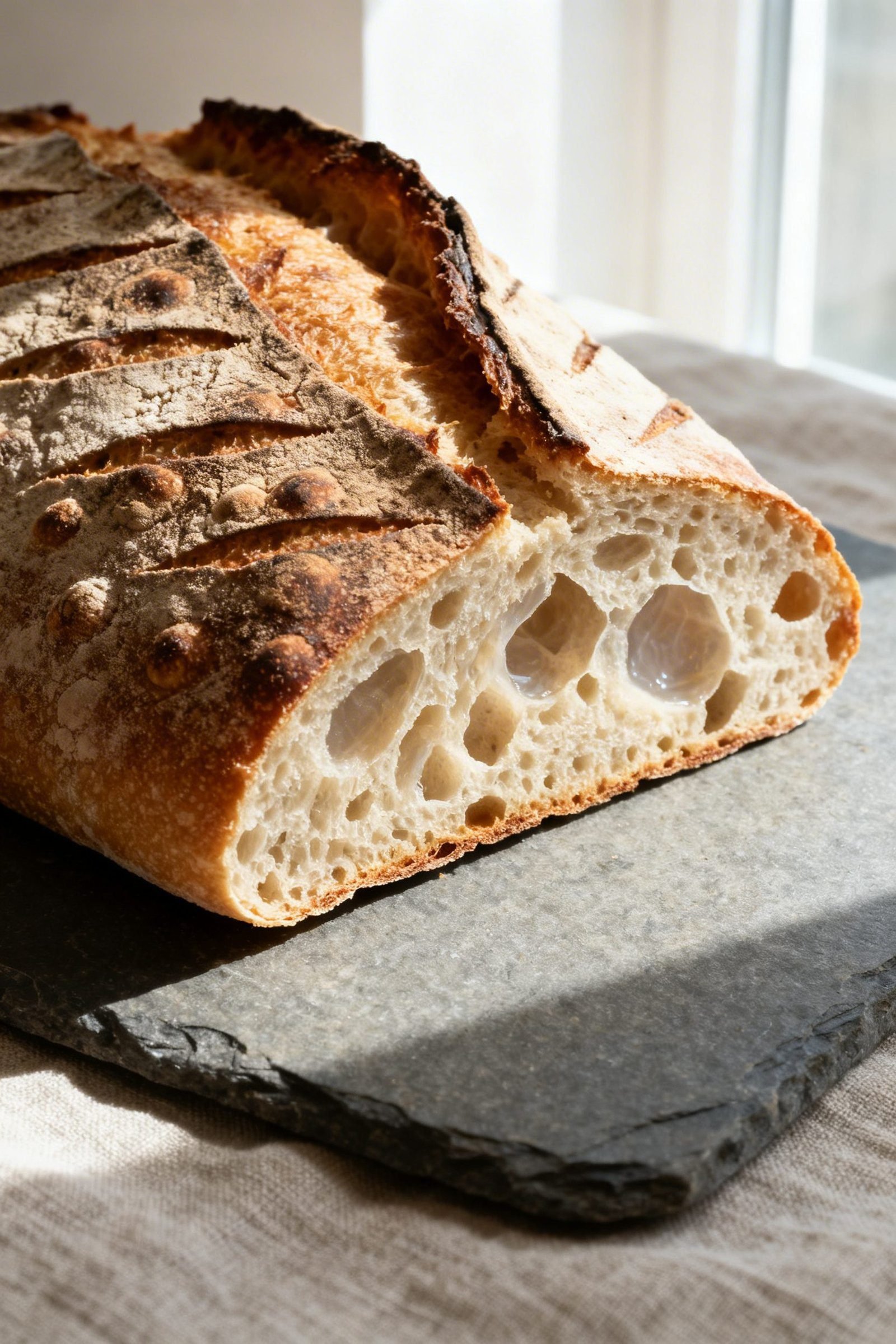
- High hydration for an airy crumb: A slightly wetter dough creates those lovely, irregular holes inside.
- Two rises for better flavor: A bulk rise and a shaped rise give the dough time to develop taste and structure.
- Steam for a shattering crust: Moist heat during the first part of baking helps the loaf rise tall and crisp up beautifully.
- Minimal ingredients, maximum payoff: Flour, water, yeast, and salt—each does its job to build flavor and texture.
- Beginner-friendly shaping: A simple bâtard or baguette shape keeps the process low-stress with professional results.
Ingredients
- 4 cups (500 g) bread flour – Higher protein gives better chew and structure. You can sub all-purpose in a pinch.
- 1 3/4 cups (400 g) warm water – Aim for 100–110°F so the yeast wakes up without overheating.
- 2 1/4 tsp (7 g) instant or active dry yeast – Instant can go straight into the flour; active dry should be dissolved first.
- 2 tsp (10 g) fine sea salt – Balances flavor and strengthens the gluten network.
- 1 tsp sugar or honey (optional) – Gives the yeast a little boost and helps browning.
- 1 tbsp olive oil (optional) – For an easier-to-handle dough and a slightly softer crust.
- Cornmeal or parchment – For lining the baking surface.
How to Make Crusty Homemade French Bread
1) Mix and Rest
- Combine flour, yeast, and salt in a large bowl. If using sugar, add it now. Stir to blend.
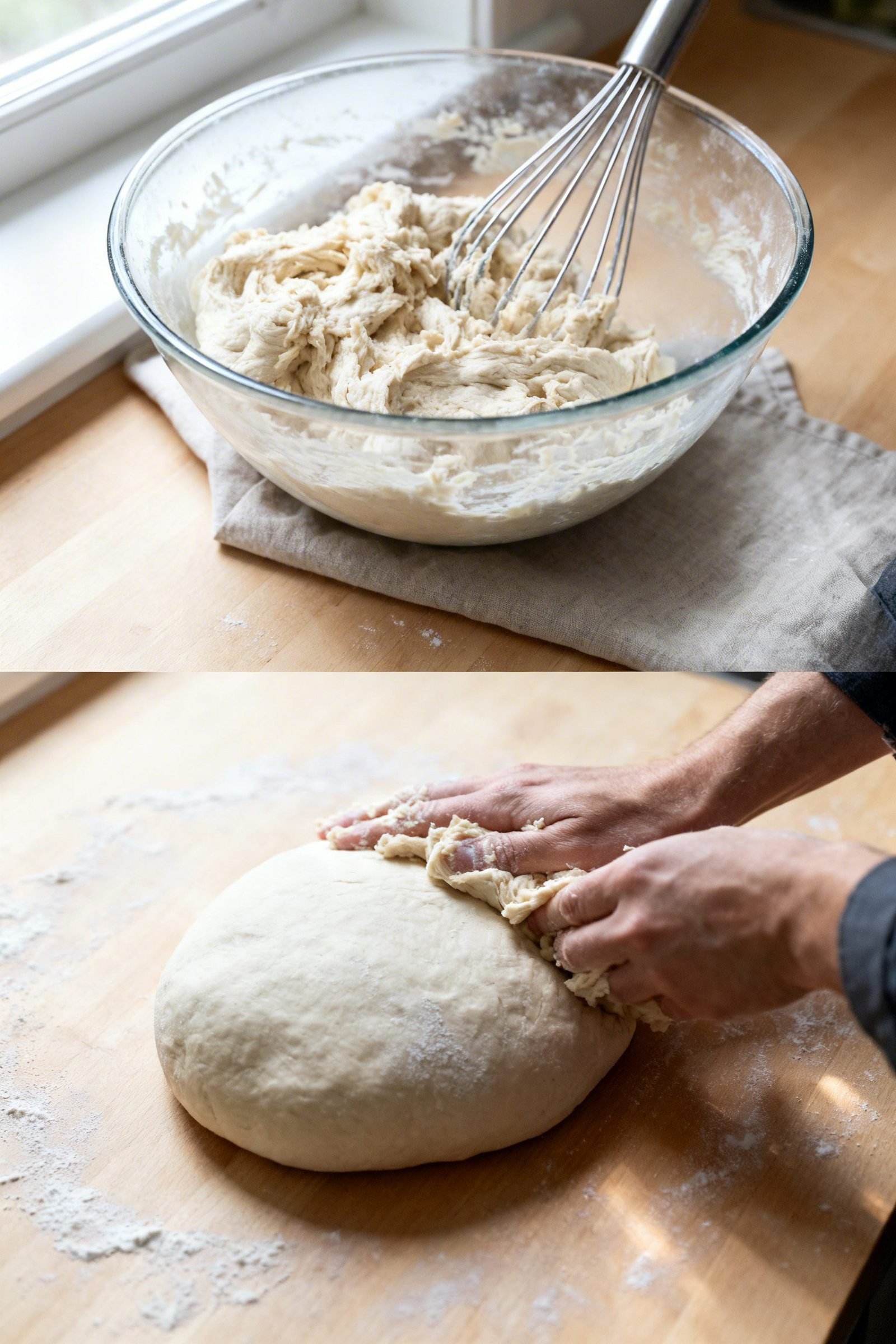
- Pour in warm water (and olive oil if using). Mix with a spoon or dough whisk until no dry flour remains. The dough will look shaggy and sticky—that’s good.
- Let the dough rest for 15 minutes. This short rest hydrates the flour and makes kneading easier.
2) Knead and First Rise
- Knead by hand on a lightly floured surface for 8–10 minutes, or use a stand mixer with a dough hook for 5–6 minutes on medium-low. Aim for a smooth, elastic dough that still feels slightly tacky.
- Place the dough in a lightly oiled bowl, cover tightly, and let it rise in a warm spot until doubled, about 60–90 minutes.
3) Shape the Loaf
- Turn the dough onto a lightly floured surface. Gently press into a rectangle to release large air pockets without deflating completely.
- For a bâtard: Fold the top third down and the bottom third up like a letter. Turn 90 degrees, then roll and tuck to form a tight, oval loaf with surface tension.
- For a long baguette-style loaf: Roll the dough into a log about 14–16 inches, tapering the ends slightly.
- Place on a parchment-lined baking sheet or a cornmeal-dusted peel if using a stone.
4) Second Rise and Scoring
- Cover loosely and let the shaped loaf rise until puffy and nearly doubled, 35–50 minutes, depending on room temperature.
- Meanwhile, preheat your oven to 475°F (245°C). Place a baking stone or inverted sheet pan on the middle rack and an empty metal pan on the lower rack for steam.
- Right before baking, use a sharp lame or serrated knife to score 3–4 diagonal slashes about 1/4 inch deep. Clean, confident cuts allow controlled expansion and a prettier crust.
5) Bake with Steam
- Slide the loaf onto the hot stone or keep it on the heated sheet pan. Quickly pour 1 cup of hot water into the empty pan below to create steam, then close the oven door.
- Bake 10 minutes with steam, then carefully remove the steam pan. Reduce heat to 450°F (232°C) and bake another 15–20 minutes until deeply golden.
- Check doneness: The loaf should register 205–210°F (96–99°C) internally and sound hollow when tapped.
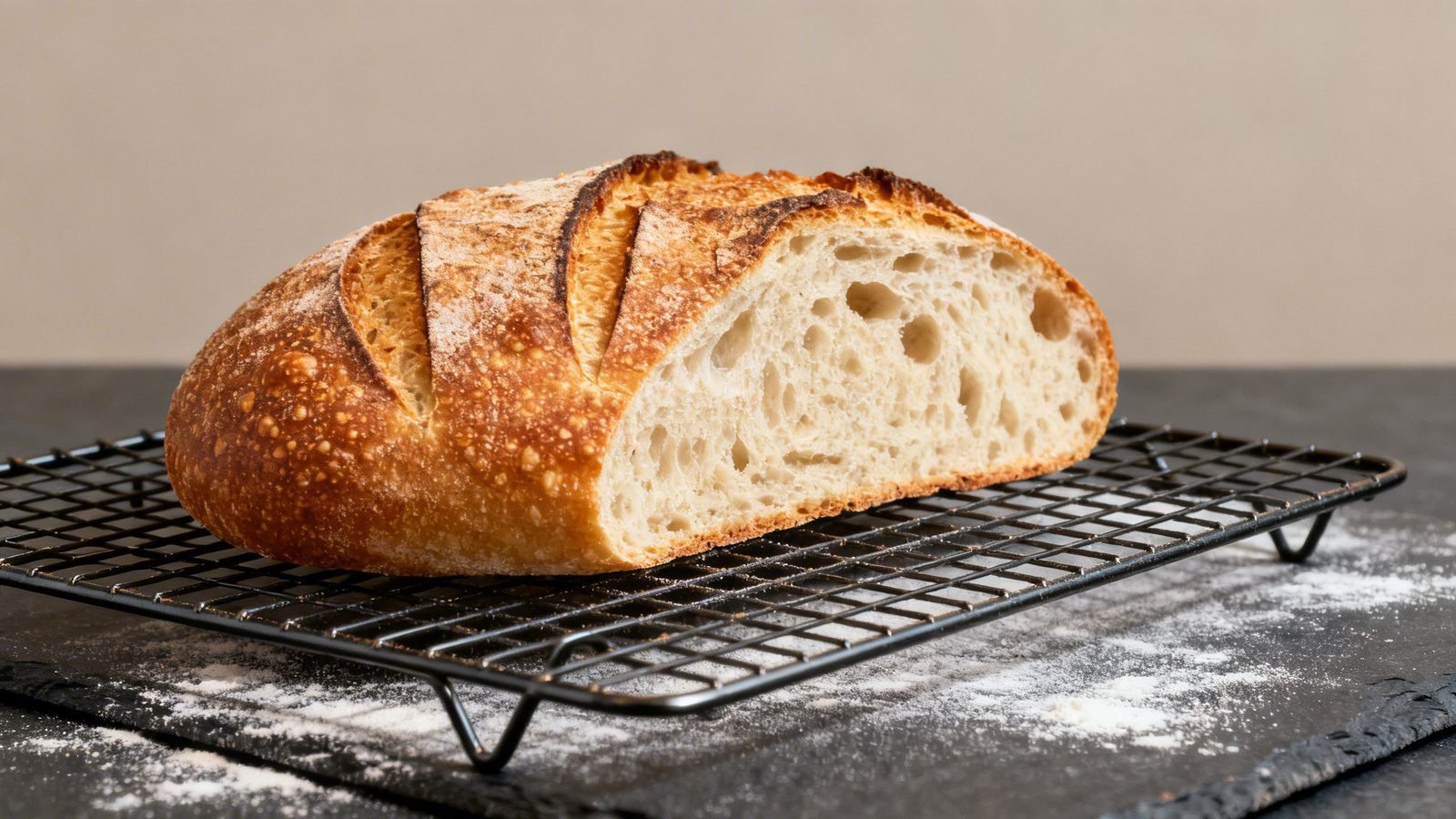
- Cool on a rack at least 30–45 minutes before slicing. Cooling sets the crumb and keeps it from turning gummy.
How to Store Your Fresh French Bread
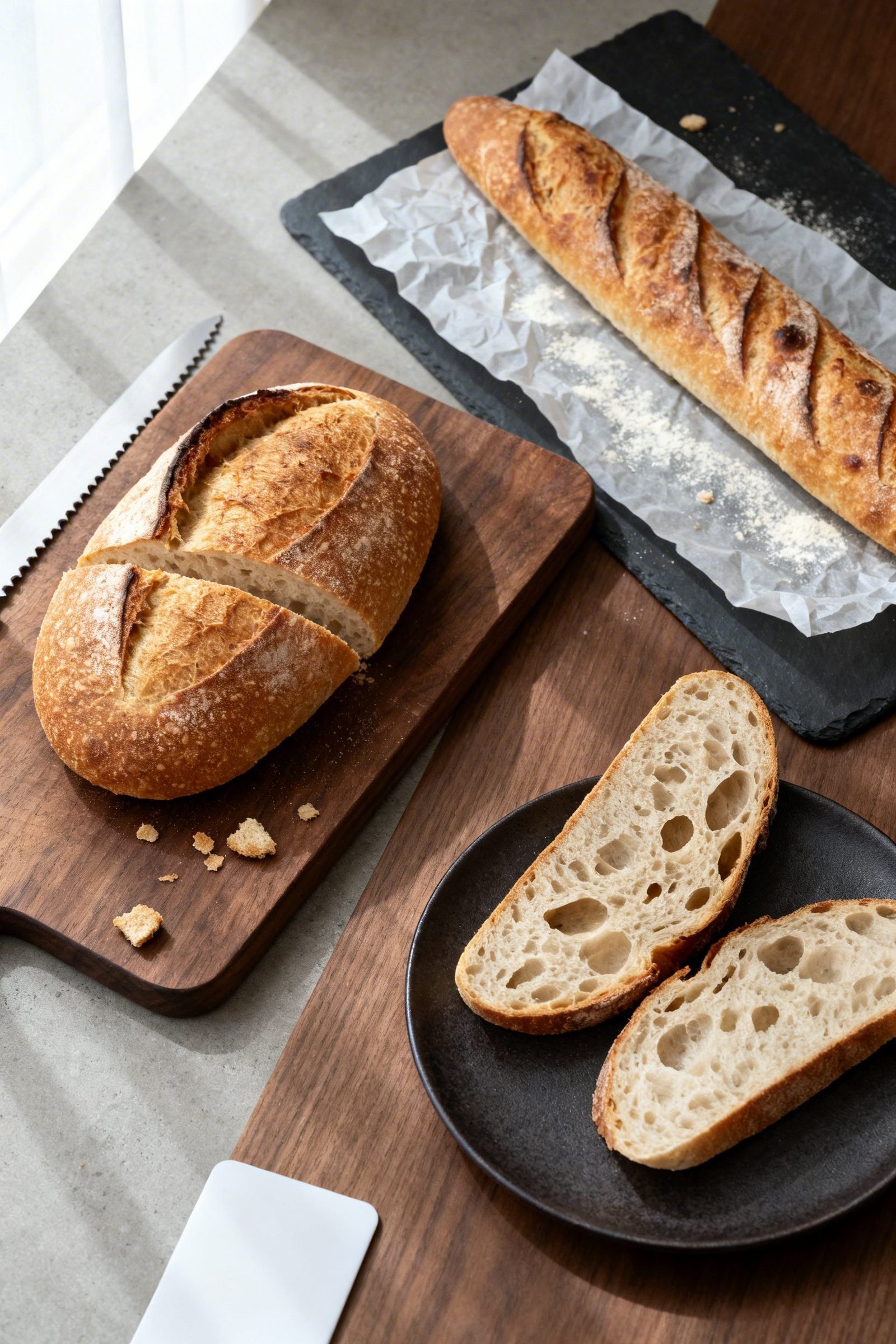
- Short term (1–2 days): Store cut-side down on a board, or wrap loosely in a paper bag. Avoid plastic—it softens the crust.
- Longer storage (freeze): Cool completely, wrap tightly in foil, then place in a freezer bag for up to 3 months.
- Recrisp the crust: Bake thawed or day-old loaf at 350°F (175°C) for 8–10 minutes directly on the rack.
- Sliced for convenience: Slice before freezing so you can toast pieces straight from the freezer.
Benefits of Baking This French Bread at Home
- Better flavor, fewer ingredients: No conditioners or preservatives—just classic, clean taste.
- Custom crust and crumb: Control hydration, bake time, and scoring to match your ideal texture.
- Cost-effective and impressive: Flour and water turn into a bakery-quality centerpiece.
- Confidence boost: A reliable method that builds your bread-baking skills quickly.
What to Avoid for Best Results
- Don’t rush the rises: Underrisen dough bakes dense and splits oddly.
- Don’t skip steam: Dry ovens yield dull, thick crusts and poor oven spring.
- Don’t slice hot bread: You’ll squash the crumb and release precious moisture.
- Don’t drown the dough in flour: Stickiness is normal. Too much flour makes a tight, dry loaf.
- Don’t kill the yeast: Water hotter than 120°F can sabotage the rise.
Tasty Variations You Can Try
- Sesame-crusted: Brush the shaped loaf lightly with water and roll in sesame seeds before scoring.
- Herb and garlic: Add 1–2 tsp dried herbs (thyme, rosemary) and 1–2 minced garlic cloves to the dough.
- Olive loaf: Fold in 3/4 cup chopped, well-drained olives during shaping.
- Poolish pre-ferment: Mix 1 cup flour, 1 cup water, and a pinch of yeast the night before; let sit, then add to the dough for deeper flavor.
- Mini baguettes: Divide into 2–3 smaller loaves and shorten bake time by 5–8 minutes.
FAQ
Can I use all-purpose flour?
Yes. The loaf will still rise nicely, though bread flour gives a chewier texture and slightly better structure.
Do I need a baking stone?
No. A preheated sheet pan works. A stone or steel boosts oven spring and browning, but you can still get a great crust without it.
How do I make more holes in the crumb?
Use slightly wetter dough, handle it gently after the first rise, and give it a strong preheated oven with steam.
My crust softened as it cooled. What happened?
Humidity can soften crust. Reheat at 350°F for a few minutes to recrisp. Next time, cool on a rack in a dry spot.
Can I make the dough ahead?
Yes. After kneading, refrigerate up to 24 hours. Let it warm and finish rising before shaping and baking for better flavor.
Conclusion
With a handful of ingredients and a clear game plan, you can bake bakery-style French bread at home any day of the week. Embrace the sticky dough, give it time to rise, and let the oven’s steam work its magic. You’ll pull a bronzed, crackling loaf from the oven and wonder why you ever bought bread in a bag.
Warm butter, good olive oil, or a pot of soup—this crusty loaf makes everything taste better. Tie on an apron and start mixing. Your kitchen is about to smell incredible.
Easy French Bread (Crusty Homemade Bakery-Style Loaf)
A simple, high-hydration French bread with a golden, crackly crust and tender, open crumb, baked with steam for bakery-quality results.
Ingredients
- 4 cups (500 g) bread flour (or all-purpose in a pinch)
- 1 ¾ cups (400 g) warm water (100–110°F)
- 2 ¼ tsp (7 g) instant or active dry yeast
- 2 tsp (10 g) fine sea salt
- 1 tsp sugar or honey (optional)
- 1 tbsp olive oil (optional)
- Cornmeal or parchment for lining
- 1 cup hot water for steam (for baking)
Instructions
- Mix flour, yeast, salt, and optional sugar in a large bowl.
- Add warm water and optional olive oil; stir until no dry flour remains. Dough will be shaggy and sticky.
- Rest the dough for 15 minutes to hydrate.
- Knead 8–10 minutes by hand (lightly floured surface) or 5–6 minutes with a stand mixer on medium-low until smooth, elastic, and slightly tacky.
- Place in a lightly oiled bowl, cover, and let rise in a warm spot until doubled, about 60–90 minutes.
- Turn dough onto a lightly floured surface and gently press into a rectangle to release large air pockets.
- Shape into a bâtard (letter fold, turn, roll and tuck) or a 14–16 inch baguette-style loaf with tapered ends.
- Place shaped loaf on parchment-lined sheet or cornmeal-dusted peel.
- Cover loosely and let rise until puffy and nearly doubled, 35–50 minutes.
- Preheat oven to 475°F (245°C) with a baking stone or inverted sheet pan on the middle rack and an empty metal pan on the lower rack.
- Score 3–4 diagonal slashes about ¼ inch deep just before baking.
- Load the loaf onto the hot stone or pan. Pour 1 cup hot water into the empty pan to create steam; close the oven door.
- Bake 10 minutes with steam, then remove the steam pan, reduce oven to 450°F (232°C), and bake 15–20 minutes more until deeply golden.
- Check for doneness: internal temperature 205–210°F (96–99°C) and hollow sound when tapped.
- Cool on a rack for at least 30–45 minutes before slicing.