Easy Lemon Buttercream Frosting Recipe | Best Lemon Cake Frosting
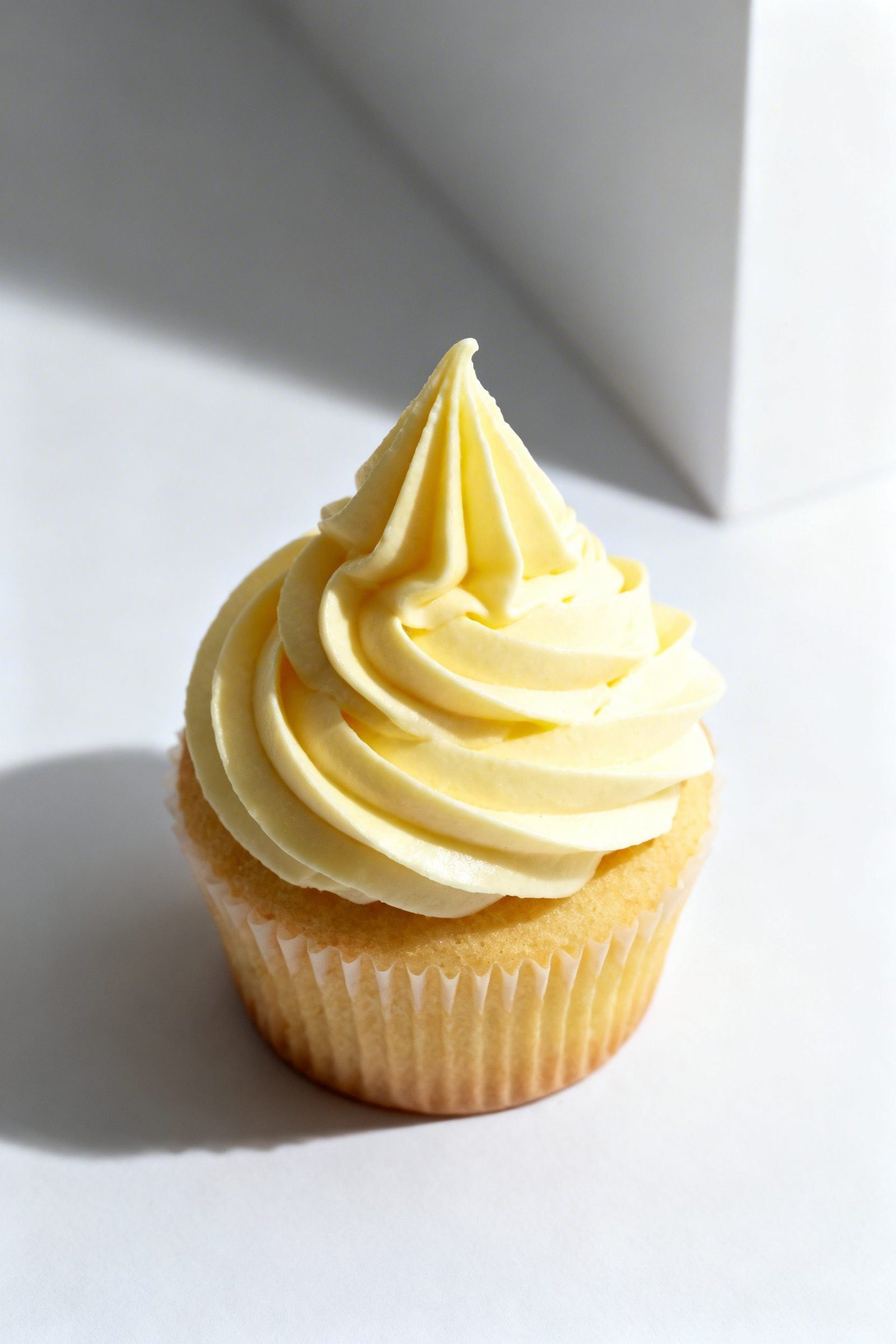
This easy lemon buttercream frosting tastes bright, creamy, and luxuriously smooth—like sunshine whipped into a bowl. It comes together in minutes, spreads like a dream, and pipes beautifully on cupcakes or between cake layers. If you love bakery-style frosting that isn’t cloyingly sweet, this one hits the perfect tart-sweet balance.
I’ll walk you through the ingredients, exact steps, and the little tricks that guarantee fluffy, stable lemon buttercream every time. Whether you frost a classic lemon cake, vanilla cupcakes, or sugar cookies, this recipe brings that fresh citrus pop you crave.
Why This Lemon Buttercream Frosting Delivers Great Results
- Balanced flavor: Fresh lemon zest and juice add real citrus brightness without overpowering sweetness.
- Ultra-creamy texture: Properly softened butter and gradual sugar additions create a silky, fluffy finish.
- Reliable structure: The right fat-to-sugar ratio ensures the frosting spreads easily and holds piped shapes.
- Quick to make: You need about 10 minutes and one bowl—perfect for last-minute bakes.
- Versatile: Adjust tartness, sweetness, and consistency with simple tweaks.
Ingredients
- Unsalted butter – 1 cup (2 sticks), softened to cool room temperature
- Powdered sugar – 3 to 4 cups, sifted for the smoothest texture
- Fresh lemon zest – from 2 large lemons
- Fresh lemon juice – 3 to 4 tablespoons, to taste
- Heavy cream or milk – 1 to 3 tablespoons, for loosening and fluff
- Pure vanilla extract – 1 teaspoon, for roundness
- Fine sea salt – a small pinch to balance sweetness
- Optional: 1–2 drops lemon extract for extra punch, or a tiny dab of yellow gel coloring for a soft hue
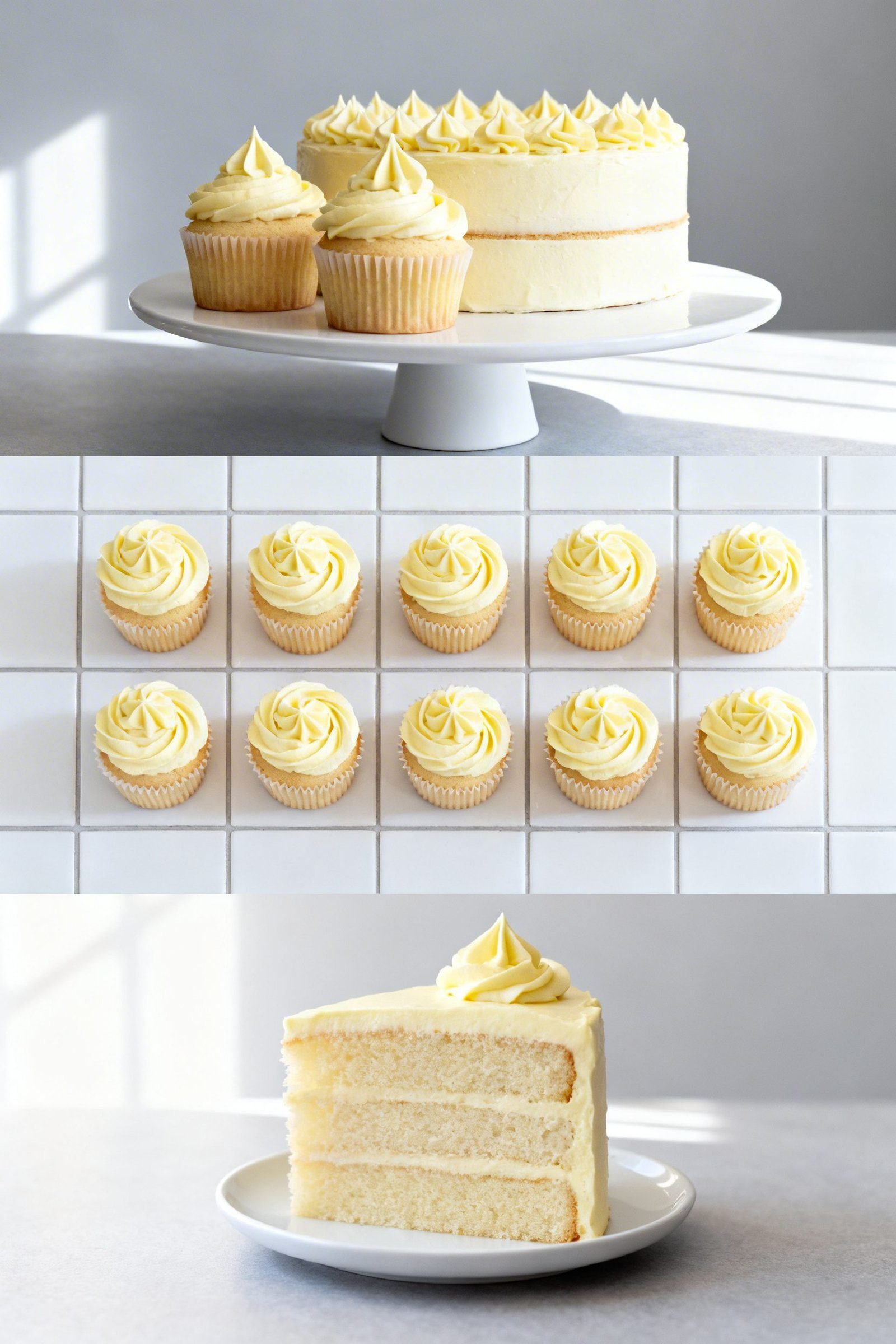
Yield: Enough to generously frost 12–16 cupcakes or a 2-layer 8-inch cake. Double for tall or heavily piped designs.
How to Make Lemon Buttercream Frosting
Prep Your Ingredients
- Soften the butter: Press with a finger. It should dent easily but still feel slightly cool—not greasy or melty.
- Sift the sugar: Remove lumps so the frosting turns out satiny-smooth.
- Finely zest lemons: Avoid the white pith; it tastes bitter. Zest first, then juice.
Beat for Fluff and Smoothness
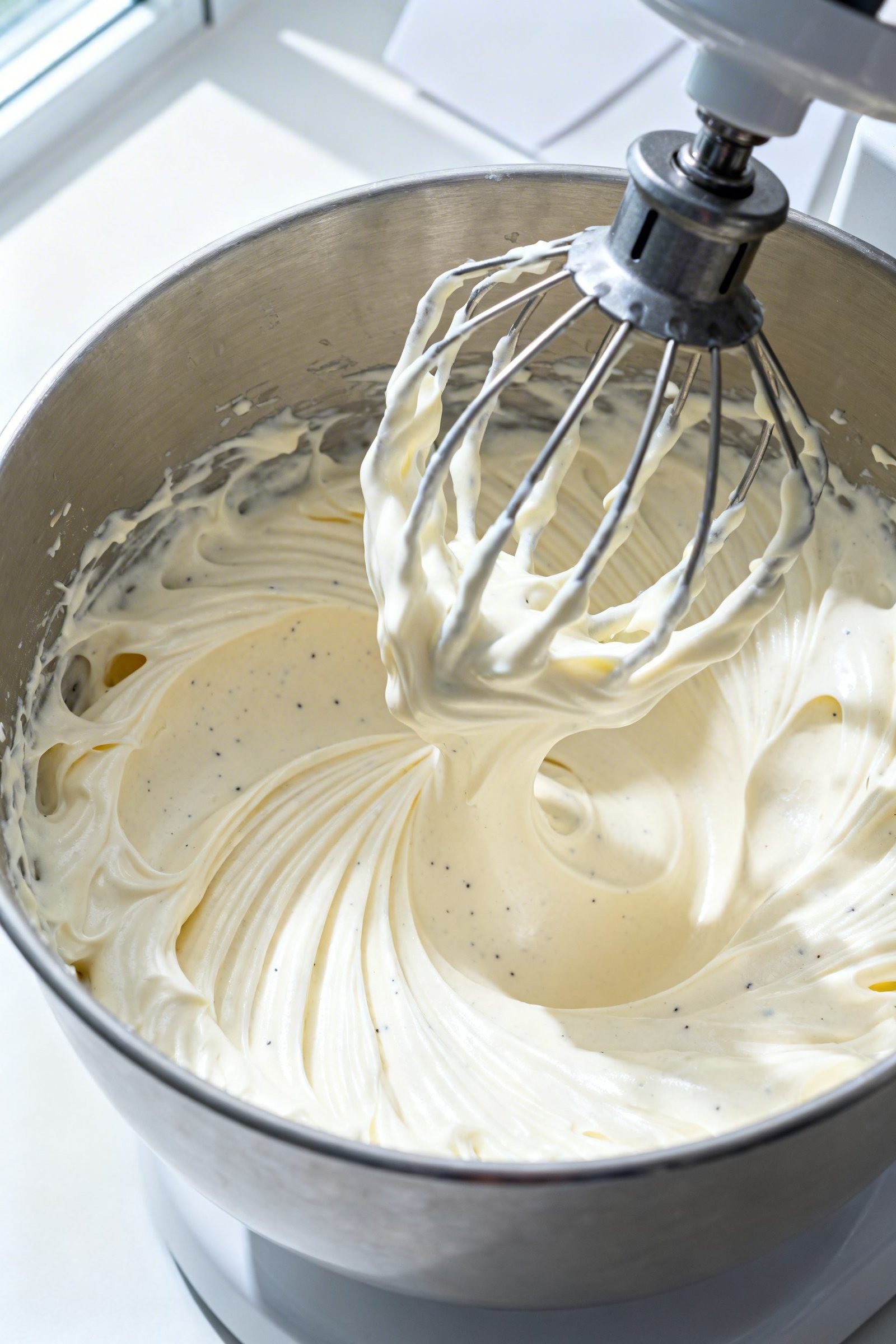
- Cream the butter: In a stand mixer with the paddle (or hand mixer), beat butter on medium speed for 2–3 minutes until pale and fluffy.
- Add zest and vanilla: Mix 30 seconds to release lemon oils into the butter.
- Gradually add sugar: Add 1 cup at a time on low until incorporated, then bump to medium and beat 30–45 seconds. Scrape the bowl often.
- Adjust with lemon juice and cream: Add 1 tablespoon lemon juice and 1 tablespoon cream at a time. Beat 30 seconds after each addition.
- Season with salt: Add a small pinch, taste, and adjust sweetness or tartness as you like.
- Whip for finish: Beat 1–2 minutes on medium-high until airy and spreadable. Stop when silky peaks form; do not overwhip.
Consistency Guide
- For spreading on cakes: Soft peaks that hold a swoop. Add a splash of cream if thick.
- For piping: Slightly stiffer. Add more powdered sugar by the tablespoon to firm it up.
- For extra lemon punch: Add 1–2 drops lemon extract rather than more juice to avoid thinning.
How to Store Lemon Buttercream
- Room temperature: Up to 1 day, covered and cool (65–70°F). Keep away from heat and sun.
- Refrigerator: 1 week in an airtight container. Let it sit at room temp 20–30 minutes, then rewhip briefly before using.
- Freezer: Up to 2 months. Thaw overnight in the fridge, then bring to room temp and rewhip with a splash of cream if needed.
- On a cake: Frosted cakes keep well, covered, for 2–3 days refrigerated. Bring to room temp before serving for best texture.
Benefits of This Lemon Frosting
- Fresh citrus flavor: Real zest and juice make the frosting taste vibrant and clean.
- Foolproof texture: The step-by-step method prevents graininess and melting.
- Customizable sweetness: Start with 3 cups sugar and add more to taste and texture.
- Pairs with many bakes: Lemon, vanilla, strawberry, blueberry, coconut, and poppy seed cakes love this frosting.
- Beautiful for piping: Holds roses, shells, and swirls without drooping.
What Not to Do
- Don’t add too much lemon juice: It thins the frosting and can cause separation. Use extract for extra zing.
- Don’t use cold or melted butter: Cold butter won’t whip; melted butter turns greasy and heavy.
- Don’t skip sifting: Lumps of sugar ruin the silky finish.
- Don’t overwhip at the end: Trapped air creates bubbles and a spongy texture.
- Don’t frost warm cakes: Heat makes buttercream slide and melt. Cool layers completely.
Variations You Can Try
- Lemon Cream Cheese Buttercream: Swap 4 ounces of butter with 4 ounces softened cream cheese. Beat smooth before adding sugar. Slightly tangier and softer—great for layer cakes.
- Lemon Elderflower: Add 1–2 teaspoons elderflower liqueur or cordial for a floral twist. Lovely on spring cakes.
- Lavender Lemon: Infuse cream with culinary lavender (steep 10 minutes warm, strain, cool). Sub in for plain cream—fragrant and delicate.
- Triple Citrus: Mix lemon, a bit of lime, and a touch of orange zest for a rounded citrus profile.
- Super Tangy: Add 1–2 teaspoons lemon extract plus zest. Keep juice minimal to maintain structure.
- Lemon Coconut: Use coconut milk instead of cream and add fine unsweetened coconut on the sides of the cake.
FAQ
Can I make this frosting less sweet?
Yes. Start with 3 cups powdered sugar, then add more only if you need a firmer texture. Balance with extra zest and a drop or two of lemon extract for flavor without extra liquid.
My frosting looks curdled—what happened?
Too much liquid or butter that’s too cold can cause a broken look. Beat on medium and add more sifted powdered sugar 1–2 tablespoons at a time until it comes together. If it still looks separated, rest it in the fridge for 10 minutes, then rewhip.
How do I fix frosting that’s too stiff?
Add cream or milk 1 teaspoon at a time and beat briefly. Stop as soon as it smooths out so you keep structure.
Is bottled lemon juice okay?
Fresh tastes brighter and cleaner. In a pinch, use bottled, but pair it with extra lemon zest or a little lemon extract to boost flavor.
Can I color this frosting yellow?
Yes. Use a tiny amount of gel food coloring. Add with a toothpick, mix, and build slowly to avoid an artificial look.
Will this hold up under fondant?
Yes. Chill the frosted cake until the buttercream firms, then cover with fondant. The frosting provides a smooth base.
What piping tips work best?
Large open star tips (1M, 2D) make gorgeous swirls. For borders, use a French star or small round tip for pearls.
Conclusion
You can whip up this lemon buttercream frosting with pantry basics and a couple of fresh lemons, and the payoff tastes bakery-level. It’s bright, creamy, and easy to customize for any cake or cupcake you love. Keep these simple ratios and tips handy, and you’ll nail that smooth, zesty finish every single time.
Easy Lemon Buttercream Frosting
Bright, creamy, and smooth lemon buttercream that whips up in minutes and pipes beautifully.

Ingredients
- Unsalted butter – 1 cup (2 sticks), softened to cool room temperature
- Powdered sugar – 3 to 4 cups, sifted
- Fresh lemon zest – from 2 large lemons
- Fresh lemon juice – 3 to 4 tablespoons, to taste
- Heavy cream or milk – 1 to 3 tablespoons
- Pure vanilla extract – 1 teaspoon
- Fine sea salt – a small pinch
- Optional: 1–2 drops lemon extract or a tiny dab yellow gel coloring
Instructions
- Soften the butter until it dents easily when pressed but is still slightly cool.
- Sift the powdered sugar; finely zest lemons (avoiding pith), then juice them.
- In a stand mixer with paddle (or hand mixer), beat butter on medium 2–3 minutes until pale and fluffy.
- Add lemon zest and vanilla; mix 30 seconds to release lemon oils.
- Gradually add powdered sugar 1 cup at a time on low until incorporated; increase to medium and beat 30–45 seconds, scraping the bowl often.
- Add lemon juice and cream 1 tablespoon at a time, beating 30 seconds after each addition until desired flavor and consistency.
- Add a small pinch of salt; taste and adjust sweetness or tartness.
- Beat 1–2 minutes on medium-high until airy and spreadable; stop when silky peaks form. For piping, add a bit more powdered sugar to stiffen if needed; for spreading, add a splash of cream to loosen.