Irresistible Oatmeal Cookie Recipe | Soft Homemade Oat Cookies
When I crave something cozy and nostalgic, I bake a batch of soft oatmeal cookies. They smell like warmth, taste like comfort, and come together with pantry staples. These oatmeal cookies bake up tender in the middle with lightly crisp edges, the kind you sneak off the cooling rack before they’ve even cooled.
This recipe focuses on big oat flavor, the right amount of chew, and a dough that holds together without spreading too thin. If you want bakery-style, soft homemade oat cookies you can rely on every time, you’re in the right place.
Why These Soft Oatmeal Cookies Turn Out So Good
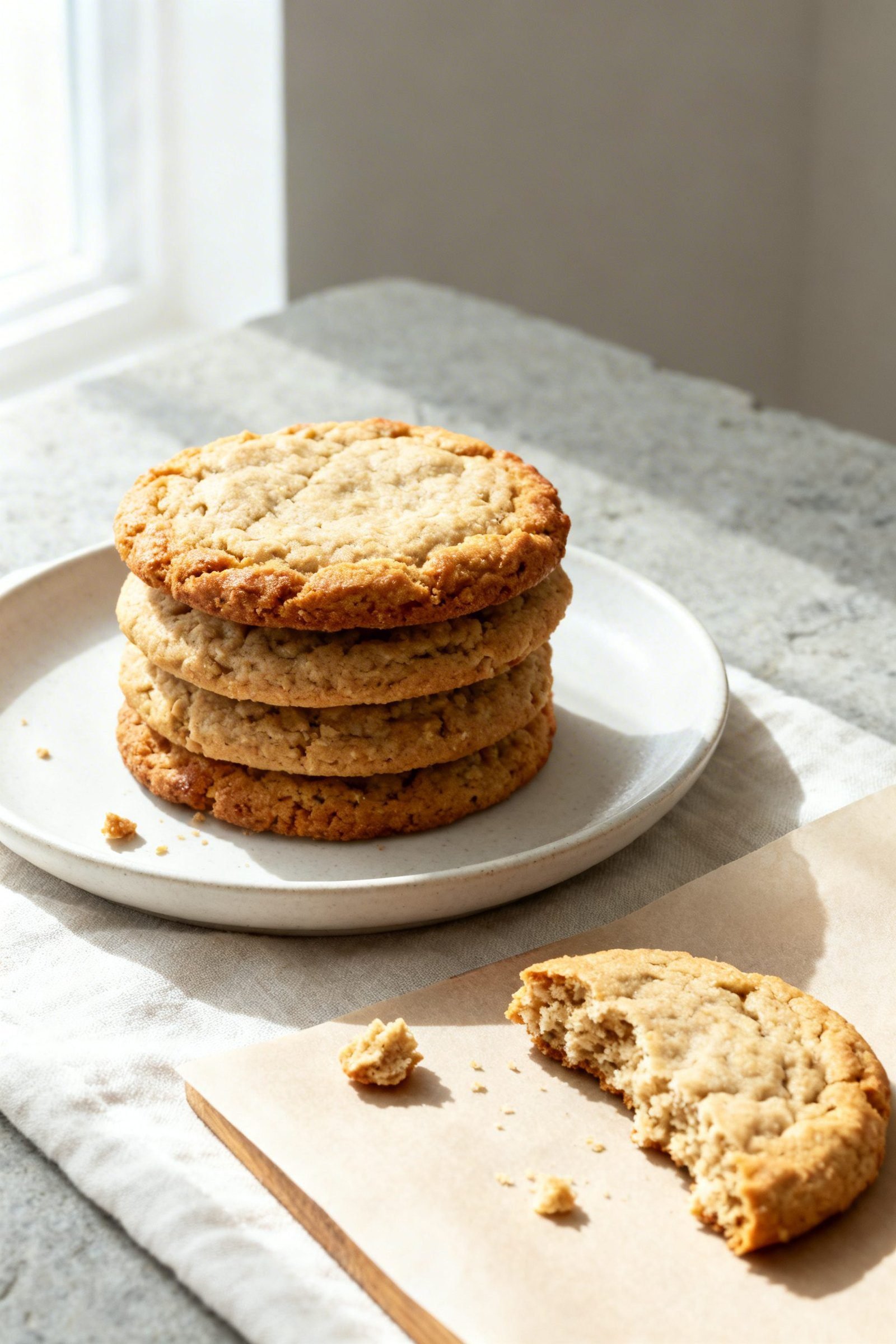
- Perfect texture balance: a soft, chewy center with lightly crisp, golden edges.
- Bold oat flavor: a mix of old-fashioned rolled oats and a touch of brown sugar builds depth.
- No guesswork: clear ratios, a simple mixing method, and reliable bake times.
- Just-sweet-enough: you taste the oats first, not a sugar overload.
- Great for make-ahead: chill the dough or freeze it for fresh-baked cookies anytime.
Ingredients You’ll Need
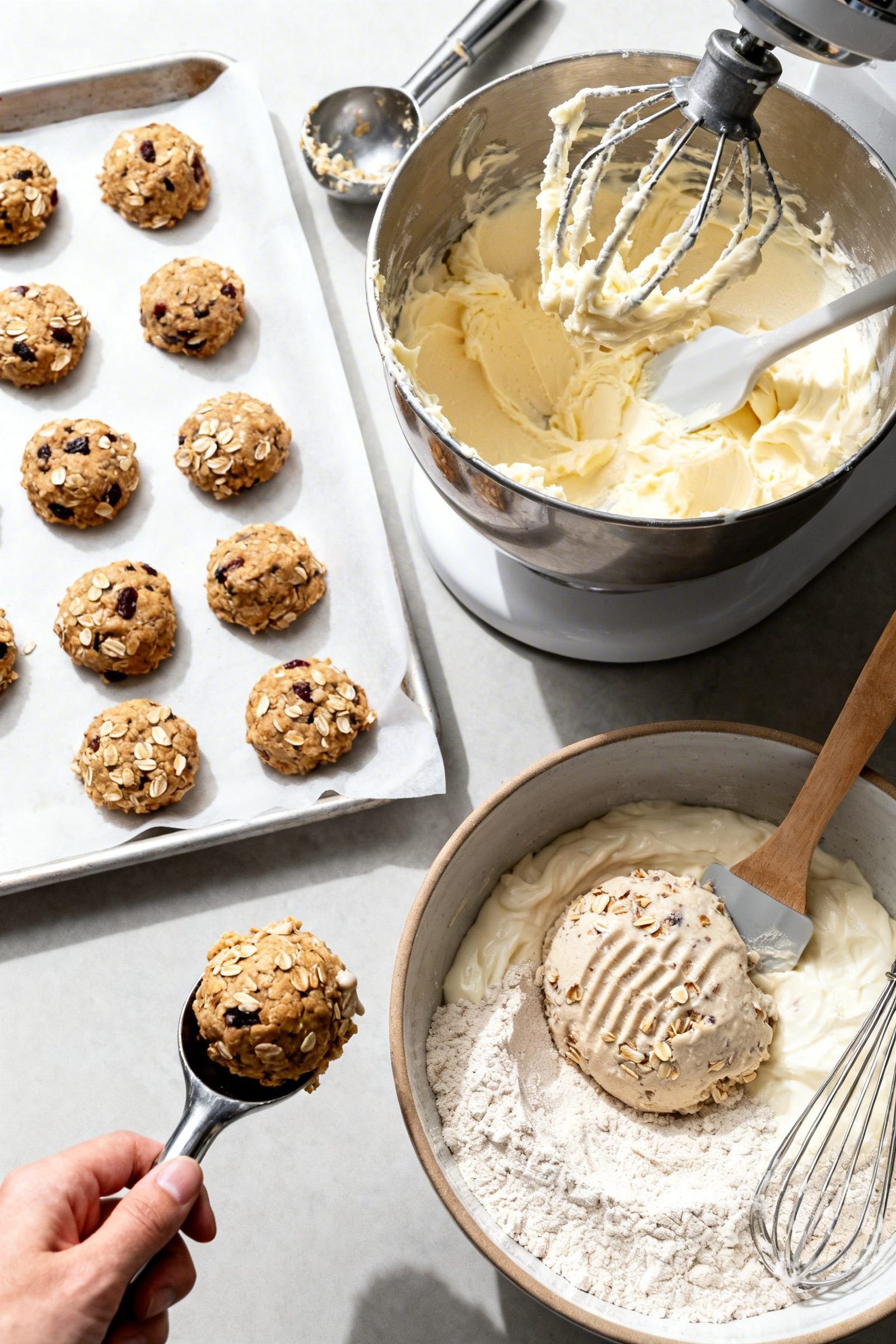
- Unsalted butter (room temperature): gives rich flavor and tender texture.
- Brown sugar: adds moisture and caramel notes; light or dark both work.
- Granulated sugar: balances sweetness and helps edges crisp.
- Large eggs: bind the dough and add chew.
- Vanilla extract: rounds out the flavor.
- All-purpose flour: provides structure without making cookies cakey.
- Baking soda: lifts the cookies for a soft center.
- Fine sea salt: sharpens every flavor note.
- Ground cinnamon (optional): a warm, cozy accent.
- Old-fashioned rolled oats: the star for hearty chew and oaty flavor.
- Mix-ins (optional): raisins, chocolate chips, chopped nuts, or dried cranberries.
Pro tip: Use old-fashioned rolled oats, not quick oats. Quick oats absorb differently and change the texture.
How to Make Soft Homemade Oat Cookies
1) Prep and measure
- Heat the oven to 350°F (175°C) and line two baking sheets with parchment.
- Measure everything accurately. Spoon and level the flour so you don’t pack it.
- Make sure butter sits at cool room temp; it should press softly but not look greasy.
2) Cream butter and sugars
- Beat unsalted butter, brown sugar, and granulated sugar together until light and fluffy, 2–3 minutes.
- Scrape the bowl so everything whips evenly.
3) Add eggs and vanilla
- Mix in the eggs one at a time, then add vanilla extract.
- Beat just until smooth and creamy.
4) Whisk dry ingredients
- In a separate bowl, whisk all-purpose flour, baking soda, fine sea salt, and cinnamon (if using).
5) Combine wet and dry
- Add the dry mixture to the wet mixture and mix on low until just combined. Do not overmix.
6) Fold in oats and mix-ins
- Stir in the rolled oats with a spatula.
- Add your favorite mix-ins if you like: 1 to 1½ cups total works well.
7) Chill the dough (optional but recommended)
- Chill the bowl for 20–30 minutes to help the cookies hold their shape and bake thicker.
8) Scoop and bake
- Use a 1½-tablespoon cookie scoop for standard size or 3 tablespoons for bakery-size.
- Space scoops 2 inches apart and bake until edges set and centers look soft:
- Standard size: 9–11 minutes
- Larger size: 11–13 minutes
- Pull them when the edges look golden and the centers still look slightly underdone. They finish on the sheet.
9) Cool and enjoy
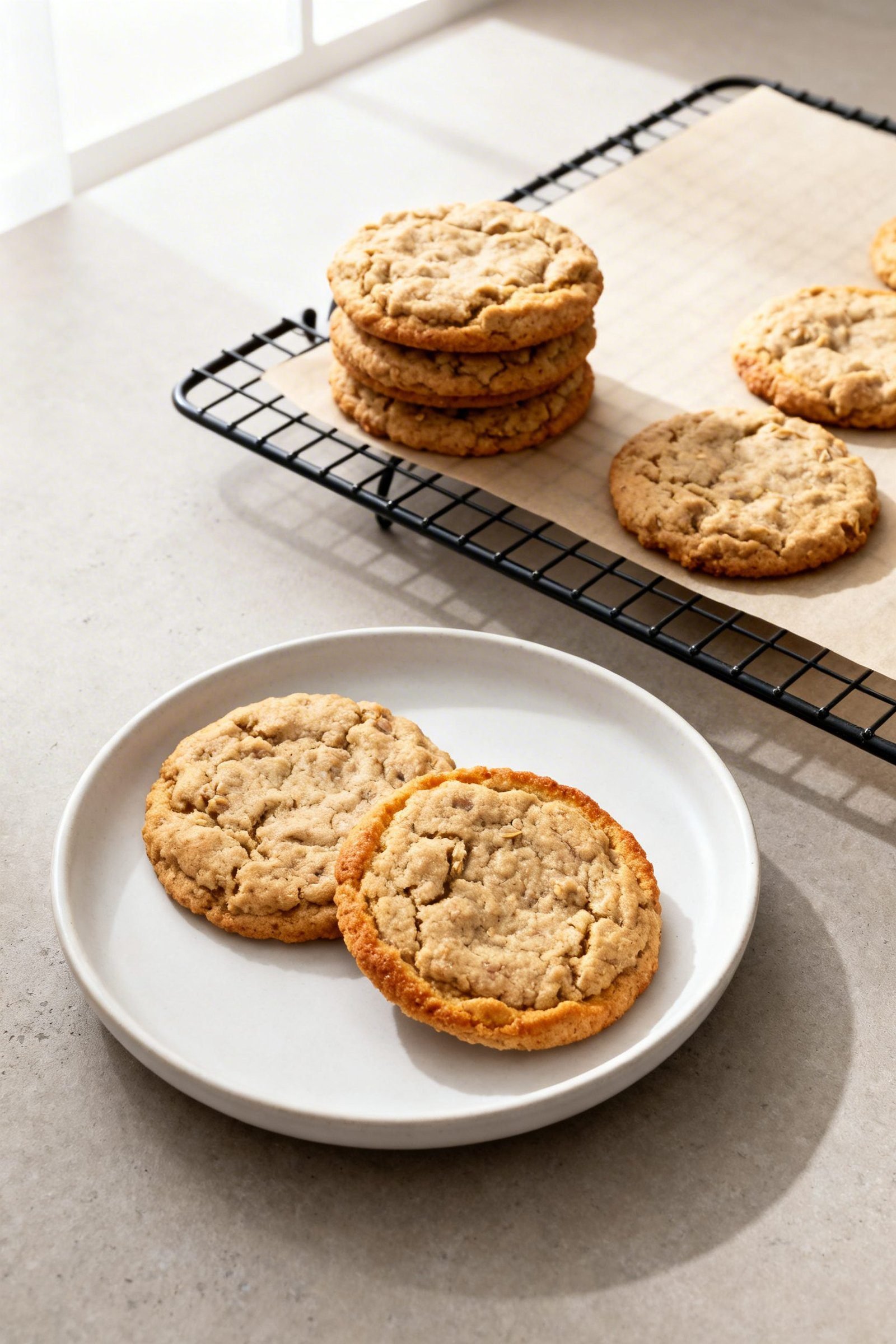
- Let cookies sit on the sheet for 5 minutes, then move to a rack to cool.
- Sprinkle a tiny pinch of flaky salt on warm cookies if you love a sweet-salty finish.
How to Store Soft Oatmeal Cookies
- Room temperature: Store in an airtight container for 4–5 days. Add a slice of bread to keep them soft.
- Freeze baked cookies: Cool completely, then freeze in a zip-top bag for up to 2 months. Thaw at room temp.
- Freeze dough balls: Scoop and freeze on a tray, then bag them. Bake from frozen, adding 1–2 minutes.
Why You’ll Love Baking These
- Foolproof method: straightforward steps, consistent results.
- Customizable: raisins for classic, chocolate chips for indulgent, cranberries for tang.
- Great texture even next day: they stay soft and chewy.
- Pantry-friendly: you likely have everything right now.
Mistakes to Avoid
- Overbaking: pull while centers look slightly soft; carryover heat finishes the job.
- Using quick oats: they change absorption and make cookies dry or mealy.
- Packing flour: spoon and level to prevent dense, cakey cookies.
- Skipping the chill: warm dough spreads too thin; a short chill keeps cookies thick.
- Overmixing after flour: it develops gluten and toughens the cookie.
- Hot baking sheets: a warm pan starts melting the dough early and leads to overspreading.
Fun Variations to Try
- Classic raisin: add 1 cup raisins and a big pinch of cinnamon.
- Chocolate chip: stir in 1 to 1½ cups semisweet or dark chocolate chips.
- Cranberry–white chocolate: ¾ cup dried cranberries + ¾ cup white chocolate chips.
- Maple walnut: swap 2 tablespoons sugar for pure maple syrup and add ¾ cup toasted walnuts.
- Spice lover’s: boost with ½ teaspoon extra cinnamon and a pinch of nutmeg.
- Salted espresso: mix in 1 teaspoon instant espresso and finish with flaky salt.
- Gluten-free: use a 1:1 gluten-free flour blend and certified gluten-free oats.
FAQ
How do I keep oatmeal cookies soft?
Use more brown sugar than white, avoid overbaking, and store with a slice of bread in an airtight container.
Can I use quick oats?
You can, but the texture changes. For the best chew and structure, stick with old-fashioned rolled oats.
Why did my cookies spread too much?
Warm dough or hot pans usually cause it. Chill the dough and use a cool, lined baking sheet.
Can I reduce the sugar?
Yes, trim total sugar by up to 20%. Expect a little less spread and a slightly drier texture.
Do I need to chill the dough?
No, but 20–30 minutes helps achieve thicker, softer cookies with better shape.
How do I make them larger and bakery-style?
Use a 3-tablespoon scoop and bake 11–13 minutes. Let them finish setting on the sheet.
What if I want them crispier?
Flatten scooped dough slightly and bake 1–2 extra minutes until edges deepen in color.
Final Thoughts
These soft homemade oat cookies deliver everything you love about a classic: cozy flavor, tender chew, and simple steps. Mix a batch, stash a few dough balls in the freezer, and treat yourself to warm cookies whenever the craving strikes. Nothing beats that first bite of a just-baked oatmeal cookie.
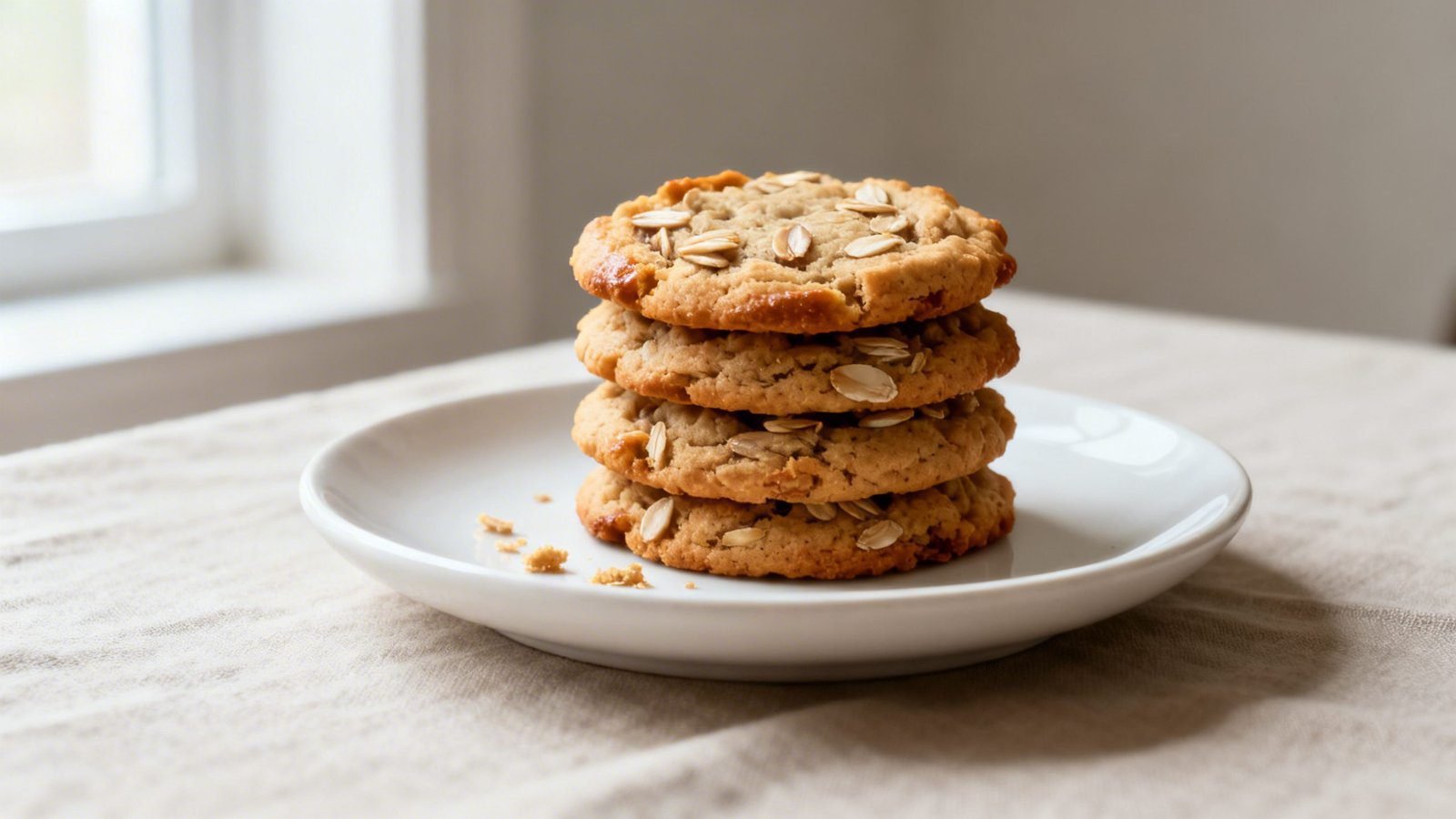
Soft Homemade Oatmeal Cookies
Tender, chewy oatmeal cookies with crisp edges and bold oat flavor, made from simple pantry staples.
Ingredients
- Unsalted butter, room temperature
- Brown sugar (light or dark)
- Granulated sugar
- Large eggs
- Vanilla extract
- All-purpose flour
- Baking soda
- Fine sea salt
- Ground cinnamon (optional)
- Old-fashioned rolled oats
- Mix-ins (optional): raisins, chocolate chips, chopped nuts, or dried cranberries
Instructions
- Heat oven to 350°F (175°C) and line two baking sheets with parchment; measure ingredients accurately and ensure butter is cool room temperature.
- Beat unsalted butter, brown sugar, and granulated sugar until light and fluffy, 2–3 minutes; scrape bowl.
- Mix in eggs one at a time, then add vanilla; beat until smooth.
- In a separate bowl, whisk flour, baking soda, salt, and cinnamon (if using).
- Add dry ingredients to wet and mix on low just until combined; do not overmix.
- Fold in rolled oats and optional mix-ins (1 to 1½ cups total).
- Chill dough 20–30 minutes (optional but recommended).
- Scoop 1½ tablespoons for standard or 3 tablespoons for large; space 2 inches apart.
- Bake until edges are set and centers look soft: 9–11 minutes (standard) or 11–13 minutes (large).
- Cool on sheet 5 minutes, then transfer to a rack; optionally finish with a tiny pinch of flaky salt.