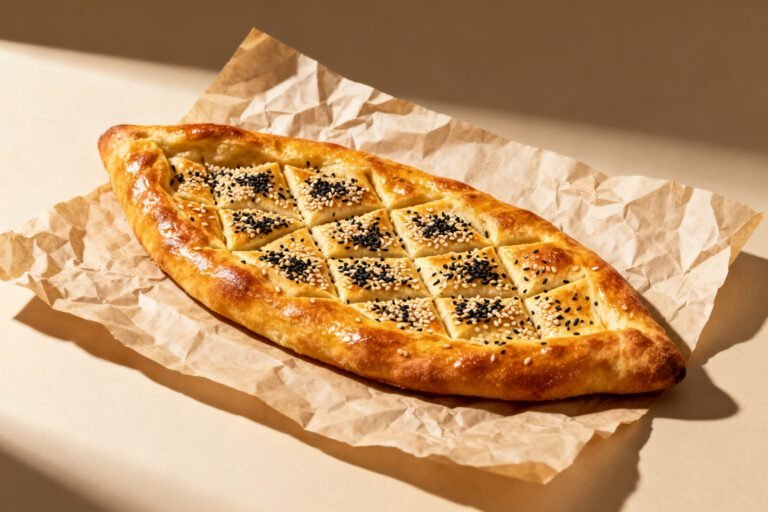
The Best Sourdough Focaccia Bread | Easy Starter and Discard Recipe
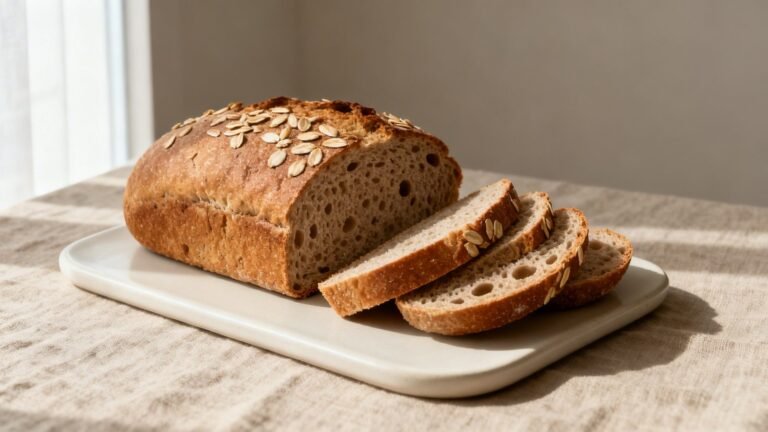
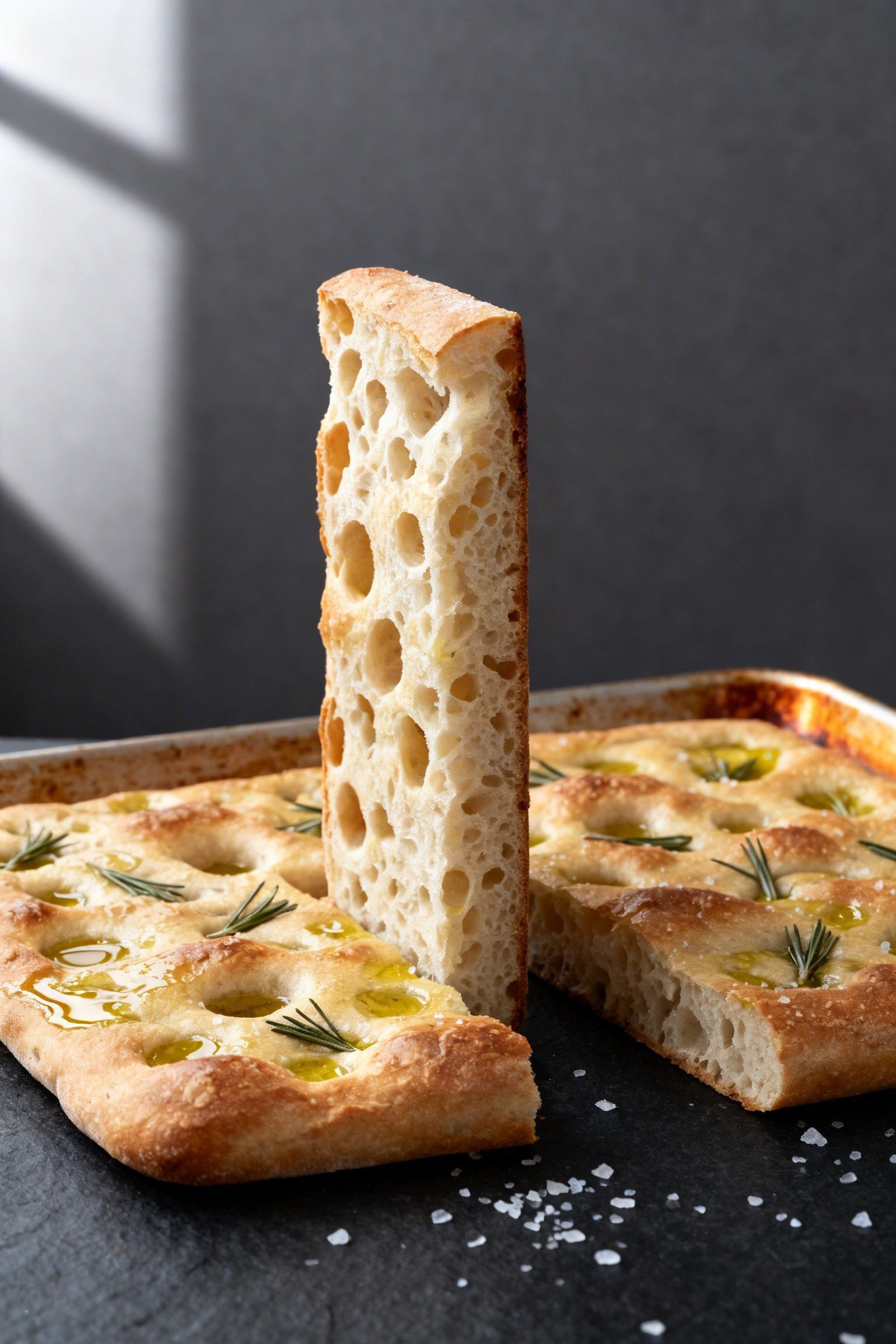
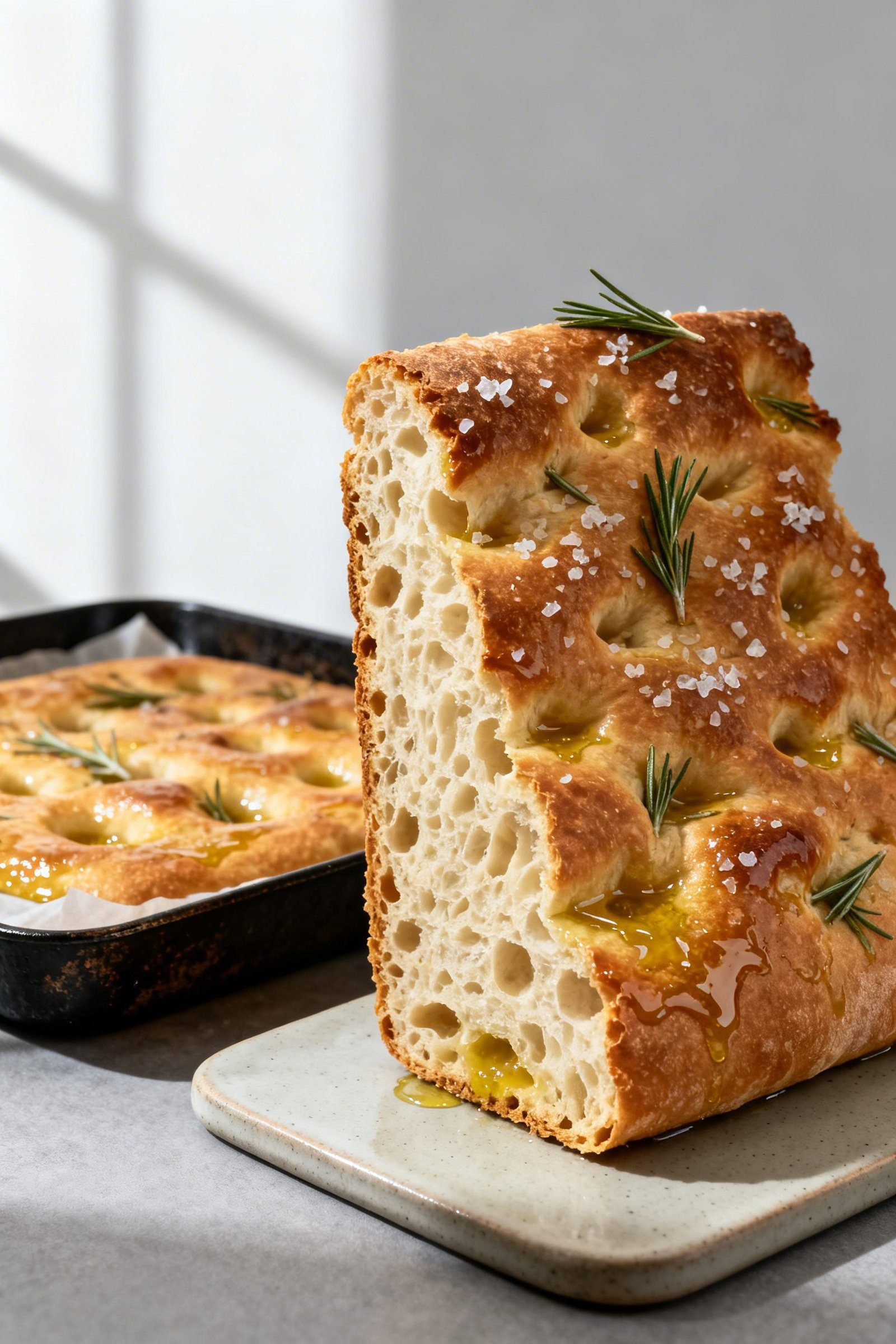
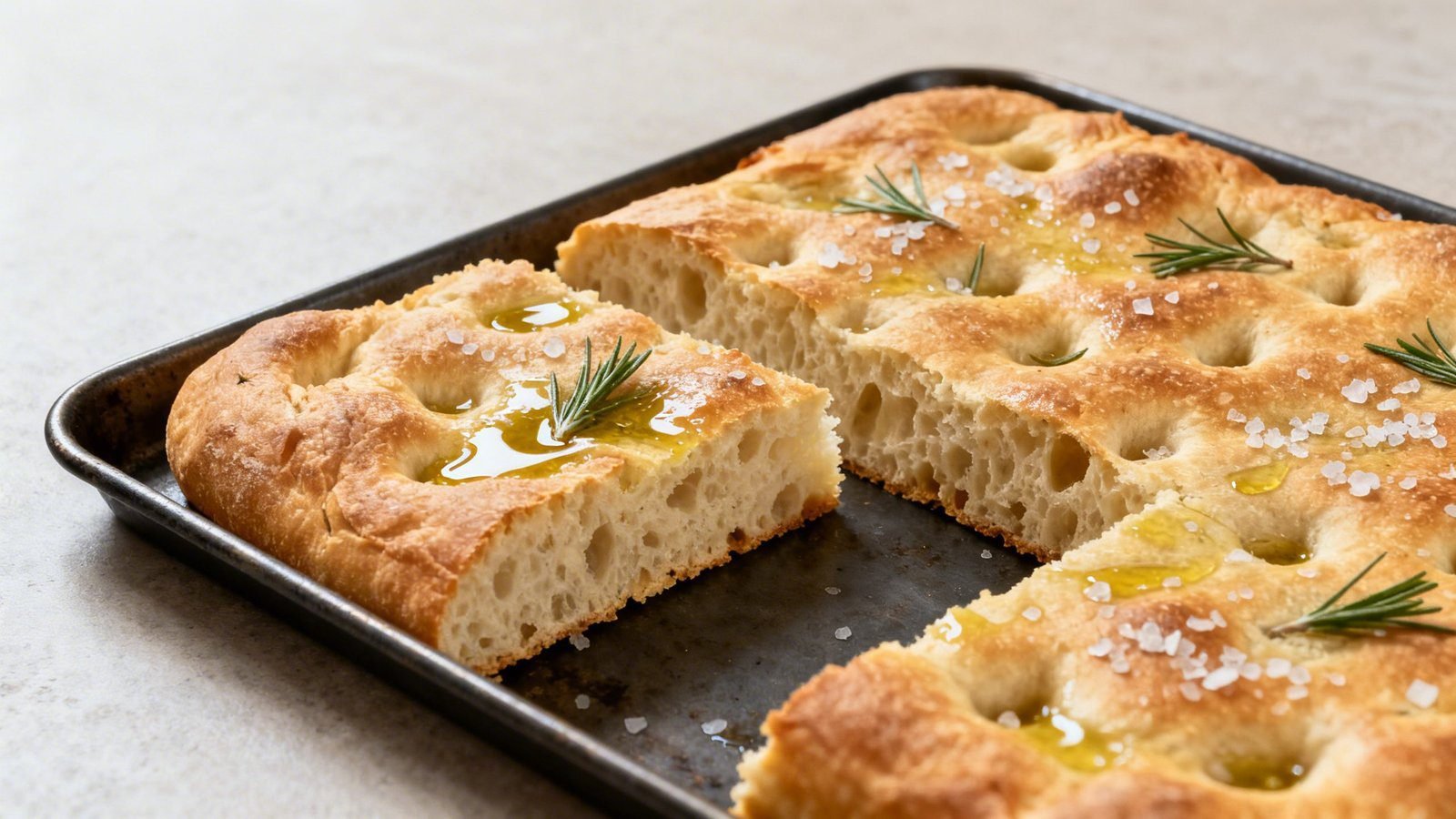
Meet your new go-to bread: golden, craggy-edged sourdough focaccia with a springy, open crumb and that signature olive oil sheen. It bakes up tall and airy, sings with tangy flavor, and takes beautifully to toppings. Whether you keep it classic with flaky salt and rosemary or load it with tomatoes and garlic, this focaccia delivers bakery-quality results at home.
Here’s the best part: you can make it with either active sourdough starter or leftover discard. The method stays simple, the timing stays flexible, and the texture stays glorious. I’ll walk you through a friendly, fuss-free process that works in a regular kitchen, no specialty tools required.
Why This Sourdough Focaccia Recipe Works
This recipe balances ease, flavor, and reliability. It leans on time and hydration to build structure, not kneading marathons or complicated gear.
- Use active starter or discard: Get great bread without wasting a drop. Active starter gives extra rise; discard still brings tang and tenderness.
- High hydration equals open crumb: A wetter dough creates those beautiful bubbles and a custardy interior.
- Olive oil for texture and flavor: It crisps the bottom, perfumes the crumb, and keeps the crust tender.
- Cold fermentation for flavor: An overnight chill builds deep sourdough complexity and makes the dough easier to handle.
- Flexible timing: You can mix in the morning and bake at night, or chill the dough up to 48 hours.
Ingredients
Nothing fancy here—just pantry staples. For best results, weigh your ingredients.
- 500 g (about 4 cups) bread flour – higher protein creates better chew and structure
- 100 g ripe sourdough starter (or 150 g unfed discard; see notes) – for rise and flavor
- 375–400 g warm water (80–85°F) – start with 375 g; add more if dough feels stiff
- 12 g fine sea salt (2 tsp) – essential for flavor and gluten strength
- 40 g extra-virgin olive oil – some goes in the dough, more for the pan and topping
- Flaky salt – for finishing
- Optional toppings: fresh rosemary, thin-sliced garlic, halved cherry tomatoes, olives, caramelized onions
Notes on Starter vs. Discard
- Active starter: Use 100 g and plan on a slightly faster rise.
- Discard: Use 150 g and reduce water by 15–25 g to maintain similar dough feel. Expect a slower rise and a touch more tang.
How to Make Sourdough Focaccia
1) Mix and Rest (Autolyse)
- In a large bowl, whisk 350 g water with starter (or discard) until mostly dissolved.
- Add flour and 20 g olive oil. Mix with a dough whisk or your hand until no dry spots remain. The dough will look shaggy.
- Cover and rest 30 minutes. This rest hydrates flour and makes gluten development easier.
2) Add Salt and Adjust Hydration
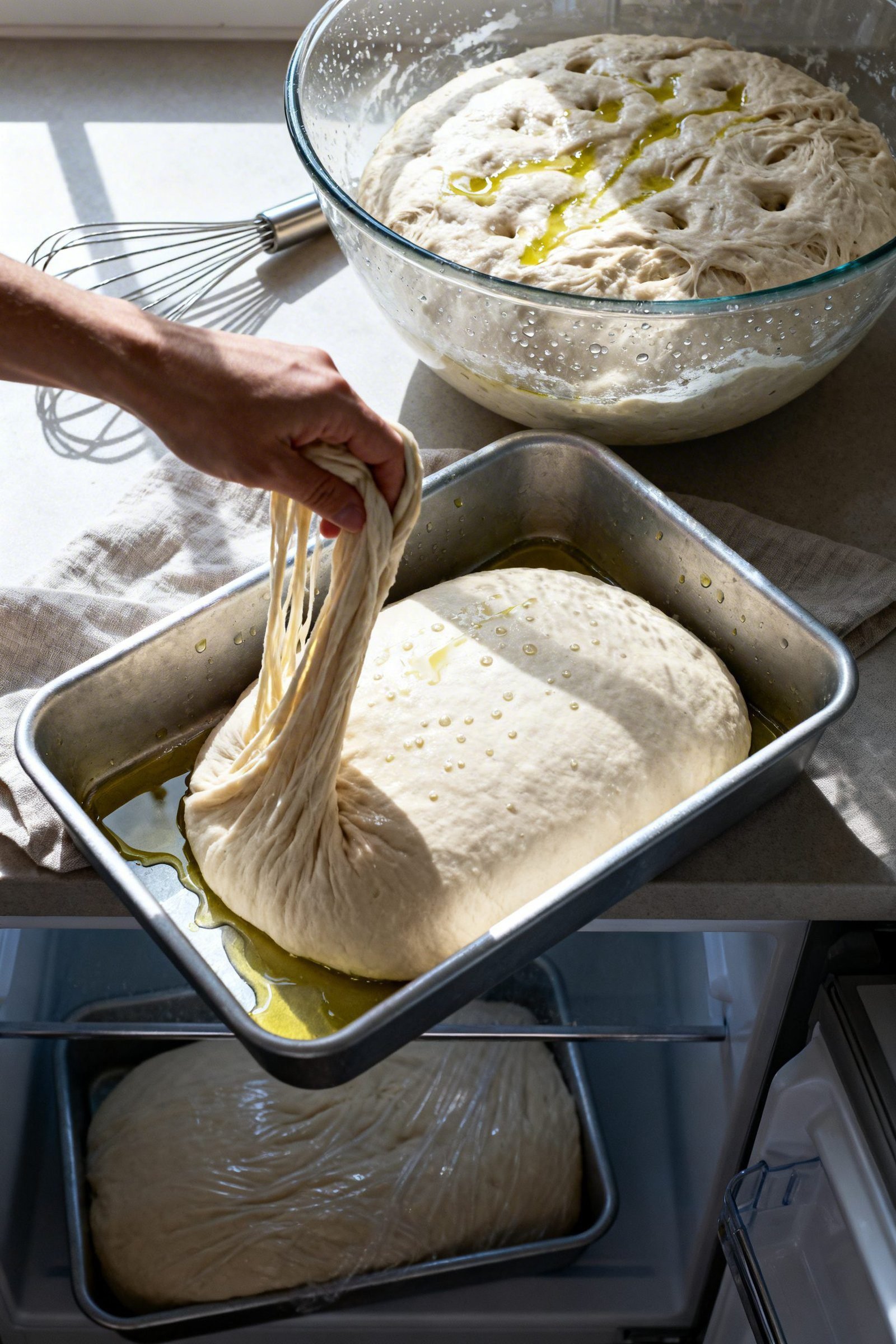
- Sprinkle in the salt with 25–50 g more water, a little at a time, folding the dough to incorporate. Aim for a soft, sticky dough that still holds together.
- Wet your hand and perform 20–30 gentle folds in the bowl to distribute salt evenly.
3) Strengthen with Folds
- Over 1.5–2 hours at warm room temp (75–78°F), do 3–4 rounds of stretch-and-folds every 30 minutes:
- With damp hands, grab an edge, stretch up, and fold over. Rotate the bowl and repeat 4 times each round.
- Goal: The dough should feel smoother, more elastic, and slightly domed by the final round.
4) First Rise or Cold Ferment
- Room-temp option: Let the dough rise until puffed by 50–75% (about 2–4 hours, longer if using discard).
- Best flavor option: Cover and chill 12–24 hours (up to 48). The dough will relax, develop flavor, and become easier to spread.
5) Pan Prep and Second Rise
- Coat a 9×13-inch pan (or two 8–9 inch pans) with 2–3 tbsp olive oil. Generous oil prevents sticking and creates a crisp, golden bottom.
- Gently turn the dough into the pan. Oil your fingertips and coax it toward the corners without deflating.
- Rest 15 minutes, then stretch again to fill the pan. If it resists, rest another 10–15 minutes and try again.
- Cover and let rise until very puffy and wobbly, 1–2.5 hours depending on temperature and starter strength.
6) Dimple and Top
- Heat oven to 450°F (232°C). If you have a baking steel or preheated sheet on the lower rack, use it for extra bottom crisp.
- Drizzle 1–2 tbsp olive oil over the dough. With oiled fingertips, press straight down to create deep dimples all over.
- Scatter flaky salt and your chosen toppings. Keep it light so the dough can spring in the oven.
7) Bake
- Bake 20–25 minutes until edges turn deeply golden and the top browns in spots.
- For extra color, move the pan to the top rack for the last 3–5 minutes.
- Cool in the pan 5 minutes, then transfer to a rack. Let it rest 15–20 minutes before cutting to set the crumb.
How to Store Sourdough Focaccia
- Room temperature: Wrap in parchment, then loosely in foil. Enjoy within 2–3 days.
- Freezer: Slice, wrap tightly, and freeze up to 2 months. Reheat straight from frozen at 350°F for 10–12 minutes.
- Re-crisp: Warm leftovers at 375°F for 6–8 minutes to revive the crust.
- Avoid the fridge: It dries bread and dulls the texture.
Benefits of Making Sourdough Focaccia This Way
- Waste-free baking: Put discard to work instead of tossing it.
- Better digestibility: Long fermentation can make gluten easier on some people and boosts flavor.
- Meal prep friendly: The dough holds in the fridge and bakes fast when you need it.
- Versatile base: Serve with soups, salads, sandwiches, or as a pizza-style canvas.
- Bakery texture at home: High hydration and olive oil create an airy crumb and crisp crust.
What Not to Do
- Don’t rush the rise: Underproofed dough won’t dimple well and bakes dense.
- Don’t skimp on oil: You’ll lose that signature crust and risk sticking.
- Don’t overload toppings: Too much weight prevents oven spring.
- Don’t fight cold dough: If it resists stretching, give it 10–15 minutes to relax and try again.
- Don’t slice hot: Steam needs time to set the crumb, or you’ll compress it.
Variations You Can Try
- Rosemary + Sea Salt: Classic and perfect. Add lemon zest for brightness.
- Tomato Confit: Dot with slow-cooked cherry tomatoes and drizzle their oil.
- Garlic + Herb: Toss thin-sliced garlic, thyme, and parsley in olive oil; scatter lightly.
- Olive + Chili: Kalamata halves, red pepper flakes, and orange zest.
- Everything Seasoning: Sprinkle after dimpling; finish with a honey drizzle.
- Caramelized Onion + Gruyère: Add onions before baking; shower with cheese at the 15-minute mark.
- Breakfast Slab: After 12 minutes, press in a few wells, crack eggs, and bake until set.
- Sweet Twist: Brush with vanilla bean olive oil, sprinkle with sugar, and finish with sliced figs after baking.
FAQ
Can I make this gluten-free?
You can use a 1:1 gluten-free bread flour blend and add 1–2 tsp psyllium husk powder for structure. Expect a denser crumb and reduce hydration slightly.
What if my starter looks sluggish?
Use the discard version and add a small pinch (1–2 g) of instant yeast for insurance. Flavor still shines from the long ferment.
How do I know when the dough is proofed?
It should look jiggly and domed with visible bubbles. A lightly oiled fingertip should leave a dimple that slowly springs back but not fully.
Why is my focaccia gummy?
You likely underbaked or sliced too soon. Bake to deep golden and rest at least 15–20 minutes before cutting.
Can I bake on a sheet pan?
Yes. Use a well-oiled half sheet pan for a thinner focaccia. Start checking at 18 minutes.
Do I need sugar or honey?
No. Sourdough microbes and time do the work. A touch of honey adds browning if you prefer, but it’s optional.
Conclusion
If you want big flavor with minimal fuss, this sourdough focaccia hits every note—crisp edges, airy crumb, and a buttery olive oil finish. Use active starter when you plan ahead or grab your discard when you don’t. Give the dough time, be generous with oil, and let the oven do the heavy lifting. You’ll pull a golden slab from the pan and wonder why you ever bought bread in the first place.
Sourdough Focaccia Bread (Starter or Discard)
Tall, airy sourdough focaccia with crisp, olive‑oil crust and flexible timing, made with active starter or discard.
Ingredients
- 500 g (about 4 cups) bread flour
- 100 g ripe sourdough starter (or 150 g unfed discard; reduce water by 15–25 g if using discard)
- 375–400 g warm water (80–85°F)
- 12 g fine sea salt (2 tsp)
- 40 g extra-virgin olive oil (plus more for pan and topping, about 2–3 tbsp for pan and 1–2 tbsp for topping)
- Flaky salt, for finishing
- Optional toppings: fresh rosemary, thin-sliced garlic, halved cherry tomatoes, olives, caramelized onions
Instructions
- Mix 350 g warm water with the starter or discard until mostly dissolved.
- Add flour and 20 g olive oil; mix until no dry spots remain. Cover and rest 30 minutes (autolyse).
- Sprinkle in salt and 25–50 g additional water gradually, folding to incorporate until the dough is soft and sticky but cohesive. Do 20–30 gentle folds to distribute salt.
- Over 1.5–2 hours at 75–78°F, perform 3–4 rounds of stretch-and-folds every 30 minutes until smoother and more elastic.
- First rise: Let dough rise at room temperature until puffed by 50–75% (about 2–4 hours; longer with discard), or refrigerate covered 12–24 hours (up to 48) for best flavor.
- Generously oil a 9×13-inch pan (or two 8–9 inch pans) with 2–3 tbsp olive oil. Gently transfer dough to the pan, oil fingertips, and nudge toward corners without deflating.
- Rest 15 minutes, then stretch again to fill the pan. If resistant, rest another 10–15 minutes and repeat. Cover and proof until very puffy and wobbly, 1–2.5 hours.
- Preheat oven to 450°F (232°C). Optionally preheat a baking steel or sheet on the lower rack.
- Drizzle 1–2 tbsp olive oil over dough. With oiled fingertips, dimple all over. Sprinkle flaky salt and add light toppings.
- Bake 20–25 minutes until edges are deeply golden and top is browned in spots; move to top rack for last 3–5 minutes if needed.
- Cool in pan 5 minutes, transfer to a rack, and rest 15–20 minutes before slicing.