Homemade Italian Seasoning Recipe | Savory All Purpose Spice Blend
If you keep a few dried herbs in the pantry, you can whip up a jar of homemade Italian seasoning in minutes. This savory all-purpose blend tastes brighter than store-bought, costs less, and lets you tweak the flavors to match your cooking style. I make a batch once a month and sprinkle it on everything from roasted veggies to skillet chicken and even garlicky bread.
You don’t need special equipment or fancy ingredients. Just gather classic Mediterranean herbs, mix them evenly, and you’re set. I’ll show you the exact ratios, how to scale it, and smart ways to store it for fresh flavor every time.
Why This Easy Italian Seasoning Blend Works
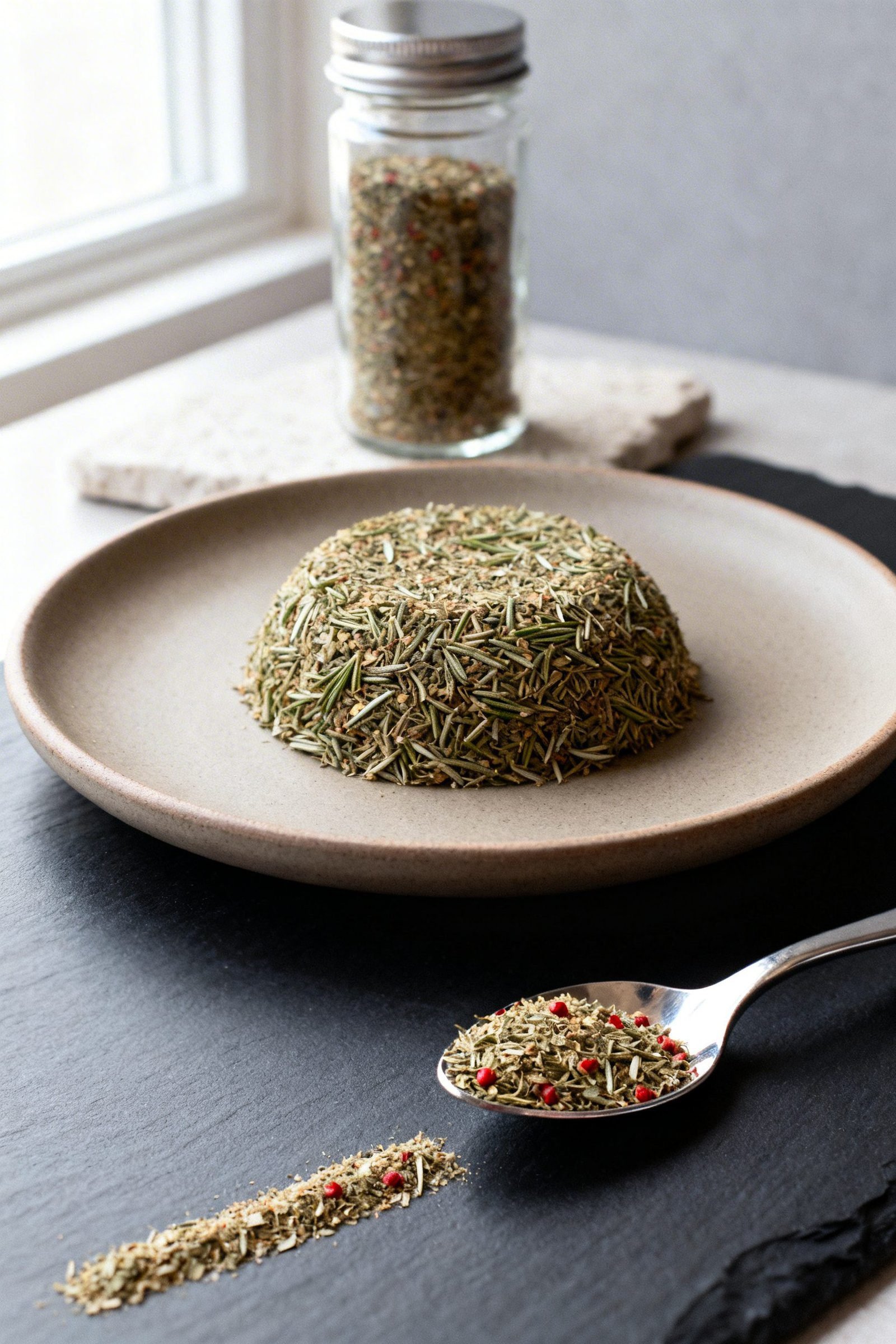
- Balanced flavors: Oregano brings bold, savory depth; basil adds sweetness; thyme delivers woodsy notes; and rosemary gives a piney lift. Marjoram and sage round it out with warm, peppery aroma.
- Versatile on everything: This blend loves roasted vegetables, grilled meats, soups, salads, eggs, pizza, and marinades.
- Consistent results: Pre-mixing a jar means your food tastes the same delicious way every time—no guessing at the stove.
- Budget-friendly: Bulk dried herbs cost less than small bottles of premixed seasoning and taste fresher when you build the blend yourself.
- Customizable: Prefer more oregano for a pizzeria vibe? Want a gentler, herby finish? Adjust the ratios to your taste.
Ingredients
Use high-quality dried herbs. Avoid dusty, faded spices—they taste flat. If possible, buy from a shop with good turnover or in small amounts from bulk bins.
- 2 tablespoons dried oregano
- 2 tablespoons dried basil
- 1 tablespoon dried thyme
- 1 tablespoon dried rosemary, lightly crushed
- 1 tablespoon dried marjoram
- 1 teaspoon dried sage
- 1 teaspoon garlic powder (optional but tasty)
- 1 teaspoon onion powder (optional for roundness)
- 1/2 teaspoon red pepper flakes (optional for a gentle kick)
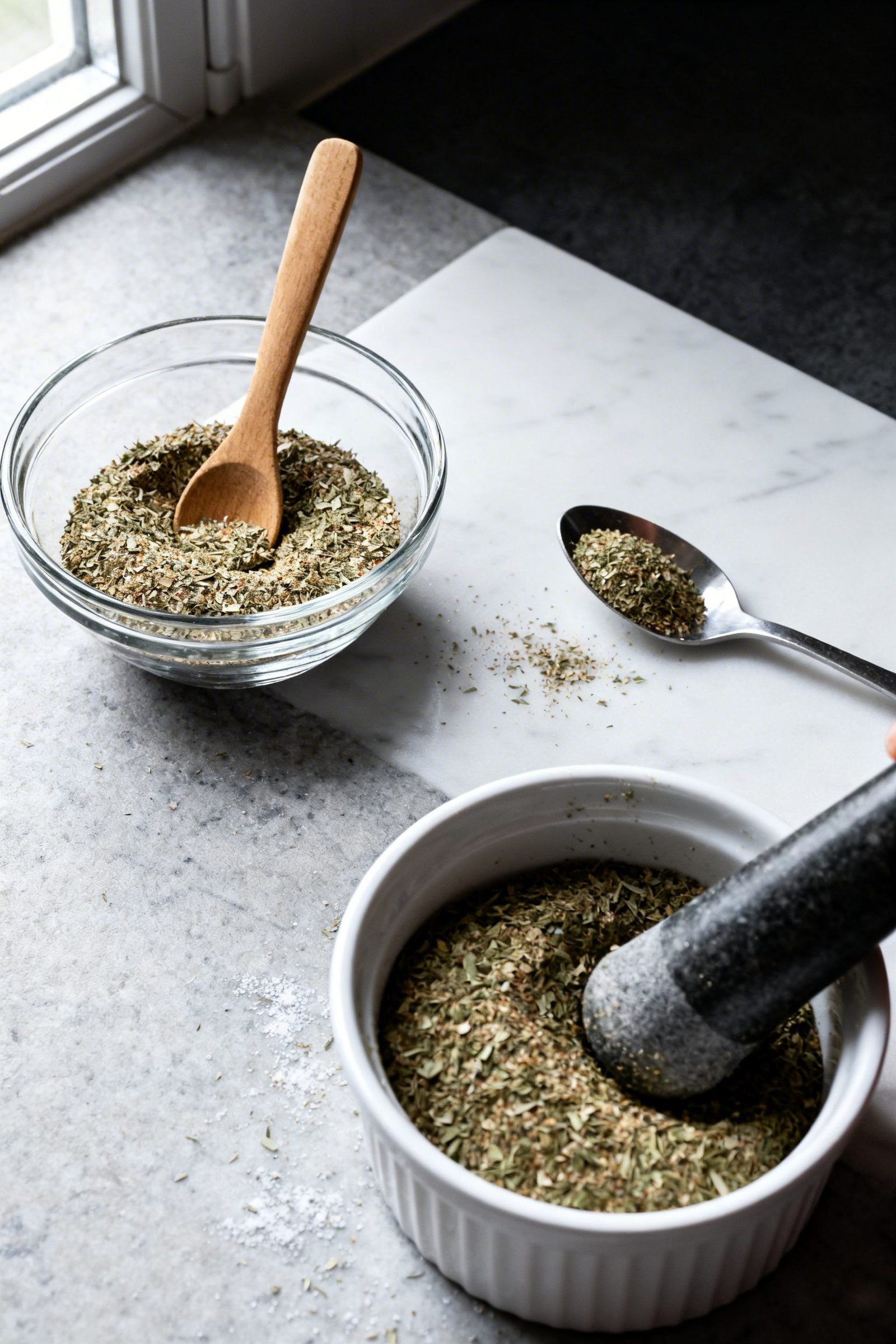
About the rosemary: if the leaves look large or pokey, crush them between your fingers or with a mortar and pestle for a more even texture.
How to Make This All-Purpose Italian Herb Mix
- Measure accurately: Level each herb with a straight edge to keep the blend balanced.
- Crush the tough herbs: Rub rosemary and thyme between your palms to release oils and create a finer texture.
- Combine in a bowl: Add all herbs and any optional spices, then stir until the color looks uniform.
- Taste and tweak: Pinch a little and taste. Add extra oregano for bolder flavor, basil for sweetness, or thyme for earthiness.
- Transfer to a jar: Use a clean, dry, airtight glass jar. Label with the name and date.
Yield: About 2/3 cup, enough for dozens of meals.
Use 1–2 teaspoons per pound of protein or pan of vegetables, and 1 teaspoon per quart of soup or sauce. Start small; add more after tasting.
How to Store Your Homemade Seasoning
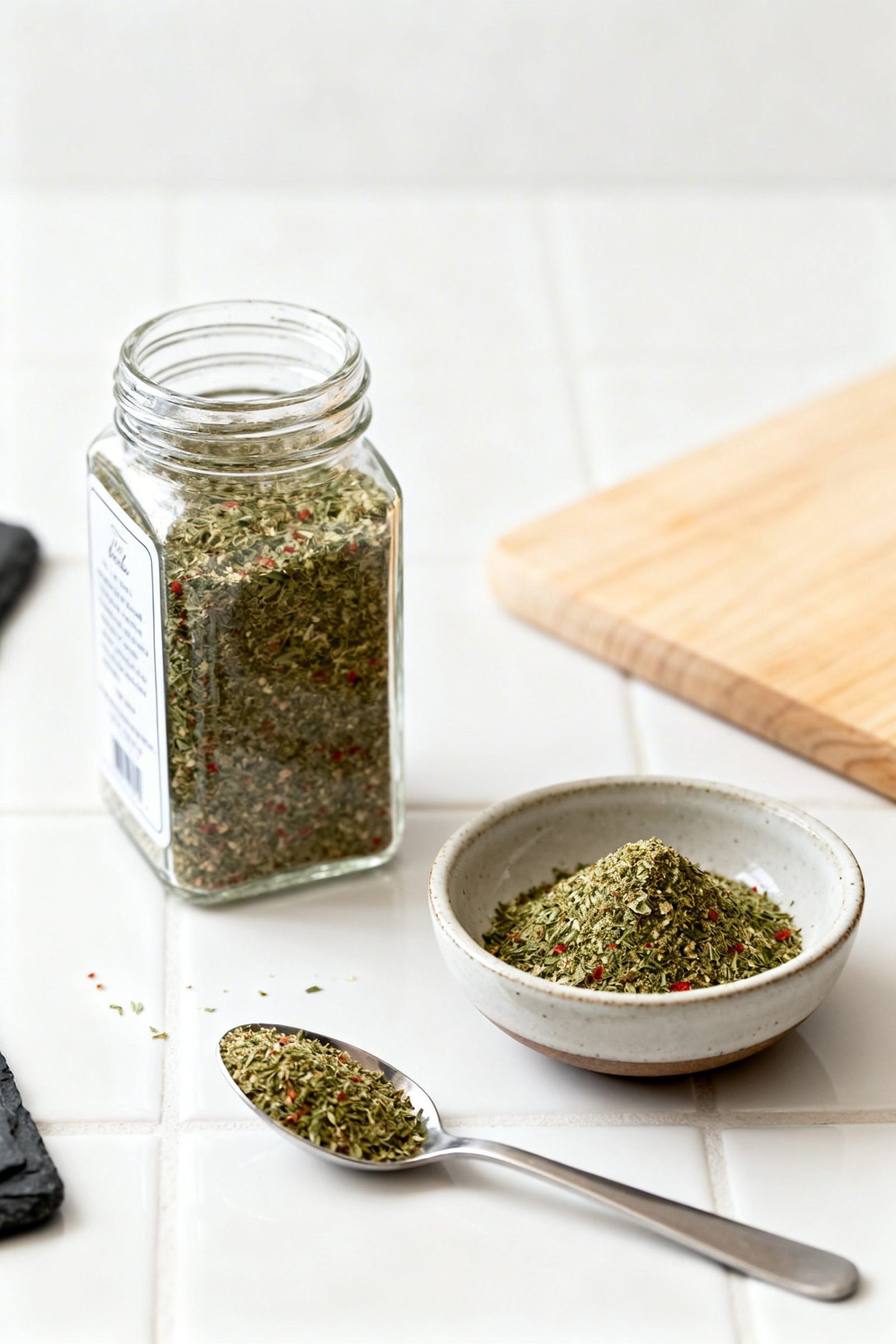
- Airtight container: Glass with a tight lid keeps herbs fragrant.
- Cool, dark place: A cabinet away from heat and light protects delicate flavors.
- No moisture: Always use a dry spoon. Water invites clumping and dulls flavor.
- Best by 6 months: It stays safe longer, but peak flavor shines in the first 3–6 months.
Pro tip: If your kitchen runs humid, add a small food-safe desiccant packet or a few grains of uncooked rice inside a breathable sachet to absorb moisture.
Benefits of Making Your Own Italian Seasoning
- Fresher taste: You control herb quality and refresh your jar often.
- Cleaner label: Skip anti-caking agents and excess salt. This blend contains no added salt, so you can season precisely.
- One-and-done flavor: Instead of opening six bottles every night, grab one jar and cook.
- Diet-friendly: Naturally vegan, gluten-free, and low-FODMAP if you omit garlic/onion powders.
- Scales easily: Double or triple for gifts or meal prep.
What to Avoid When Mixing and Using It
- Don’t use stale herbs: If they look gray or smell weak, replace them.
- Don’t skip crushing rosemary: Large needles taste tough and overpower bites.
- Don’t store above the stove: Heat and steam quickly drain aroma.
- Don’t overseason: Dried herbs pack intensity. Start with less, then add.
- Don’t add salt to the jar: Salt pulls moisture and reduces flexibility. Salt the dish separately.
Fun Variations to Try
- Lemony Italian: Add 1 tablespoon dried lemon peel or 1 teaspoon citric acid for bright, zesty notes—great on fish and roasted asparagus.
- Smoky Tuscan: Stir in 1 teaspoon smoked paprika and a pinch of black pepper for grilled chicken and potatoes.
- Garlic Lover’s Blend: Increase garlic powder to 2 teaspoons and add 1 teaspoon granulated onion for full-bodied pasta sauces.
- Calabrian Kick: Boost red pepper flakes to 1–2 teaspoons and add a pinch of crushed fennel seed for heat with sweet-anise complexity.
- Herb-forward, low-oregano: Reduce oregano by half and add more marjoram and basil for a softer, greener profile.
FAQ
Can I substitute fresh herbs?
Use dried for this pantry blend. For fresh-cooking, swap 1 teaspoon dried with 1 tablespoon fresh. Add fresh near the end of cooking to preserve aroma.
Is this the same as Italian seasoning from the store?
Yes, but yours tastes brighter and you control the mix. Many store blends skip marjoram or add fillers. This version keeps it pure and balanced.
Do I need a spice grinder?
No. Rubbing herbs between your fingers releases oils and evens the texture. If you love a fine blend, pulse a few times in a spice grinder—don’t overdo it.
How much should I use?
Start with 1 teaspoon per pound for proteins and veggies. Taste and add up to 2 teaspoons. For sauces and soups, begin with 1 teaspoon per quart.
Can I add Parmesan or salt to the mix?
Skip both in the jar. Add salt while cooking and finish with fresh Parmesan as needed to keep the blend shelf-stable and flexible.
What if I’m missing marjoram?
Use more oregano and a pinch of basil. The flavor shifts slightly but still tastes great.
Conclusion
With a handful of dried herbs and five minutes, you can stock your kitchen with a reliable, savory Italian seasoning that lifts everyday meals. Mix a jar today, label it, and keep it near the stove. You’ll reach for it constantly—and dinner will taste better for it.
Homemade Italian Seasoning
A bright, customizable all-purpose Italian herb blend you can mix in minutes and use on vegetables, meats, soups, and more.
Ingredients
- 2 tablespoons dried oregano
- 2 tablespoons dried basil
- 1 tablespoon dried thyme
- 1 tablespoon dried rosemary, lightly crushed
- 1 tablespoon dried marjoram
- 1 teaspoon dried sage
- 1 teaspoon garlic powder (optional)
- 1 teaspoon onion powder (optional)
- ½ teaspoon red pepper flakes (optional)
Instructions
- Measure all dried herbs and optional spices accurately.
- Lightly crush rosemary and rub thyme between your palms to release oils and create a finer texture.
- Combine all ingredients in a bowl and stir until evenly mixed.
- Taste a pinch and adjust to preference (more oregano for boldness, basil for sweetness, thyme for earthiness).
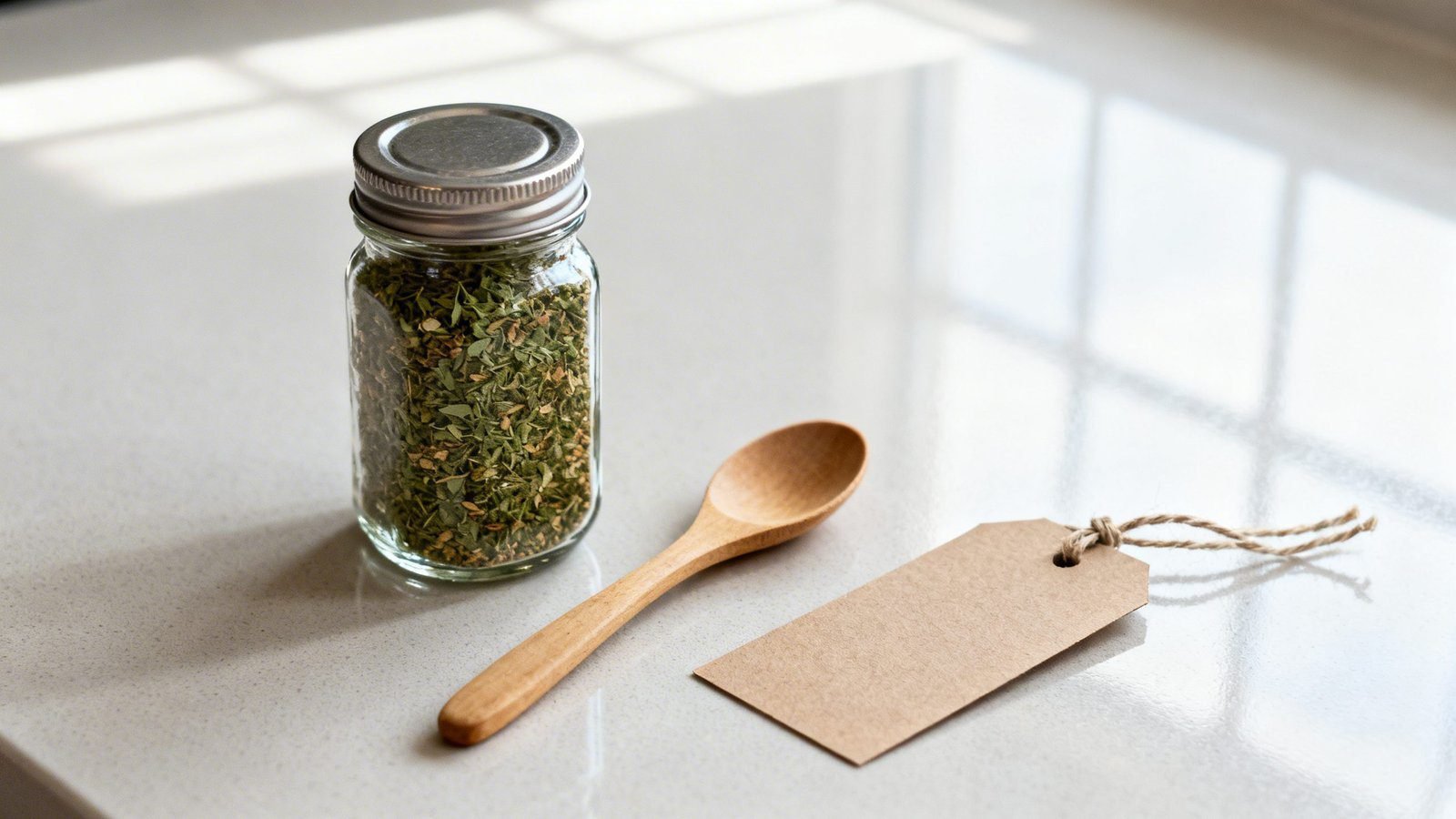
- Transfer to a clean, dry, airtight glass jar and label with name and date.
- Use 1–2 teaspoons per pound of protein or pan of vegetables, or 1 teaspoon per quart of soup or sauce.