Savory Pancit Recipe Filipino | Classic Pork Pancit with Rich Sauce
You crave a plate of pancit that tastes like home: tender pork, springy noodles, crisp-tender veggies, and a rich, savory sauce that clings to every strand. This classic pork pancit delivers all of that comfort with straightforward steps and seriously big flavor.
I’ll walk you through the exact ingredients, timing, and techniques so your noodles never turn soggy and your pork lands juicy and deeply seasoned. You’ll also get storage tips, easy swaps, and answers to the most common pancit questions so you can cook with confidence tonight.
Why This Classic Pork Pancit Tastes So Good
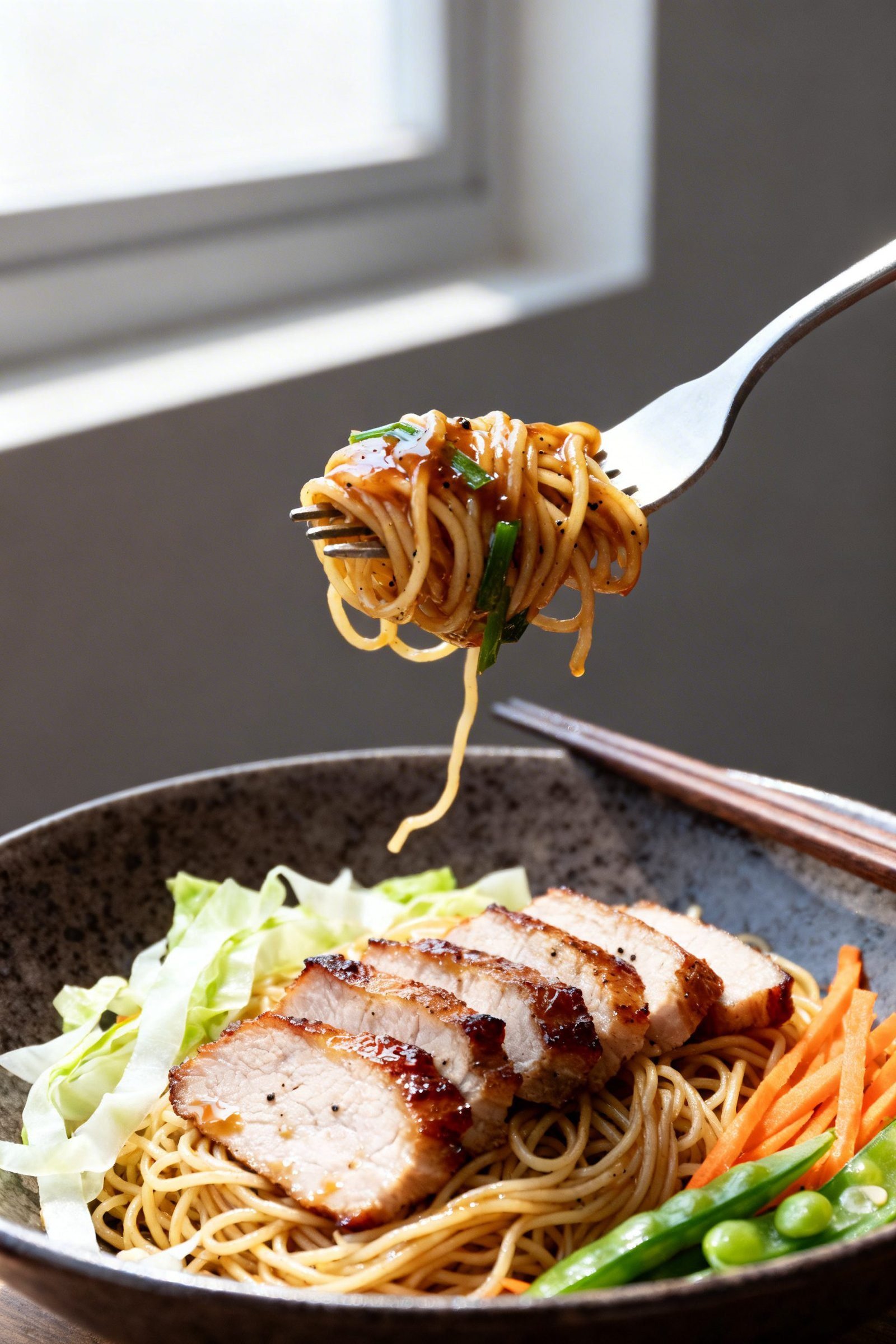
- Layered savory base: Garlic, onion, and ginger build a fragrant foundation that makes the sauce taste restaurant-level.
- Umami-rich sauce: A mix of soy sauce, oyster sauce, and a touch of fish sauce gives the noodles depth without overpowering them.
- Balanced textures: Tender pork, bouncy egg and rice noodles, and crisp vegetables create that signature pancit bite.
- Smart noodle technique: Hydrating noodles first, then finishing in the pan with broth, ensures they soak up flavor and stay springy.
- Fresh acidity: Calamansi or lemon added at the end brightens the dish and keeps each bite lively.
Ingredients
Pork and Aromatics
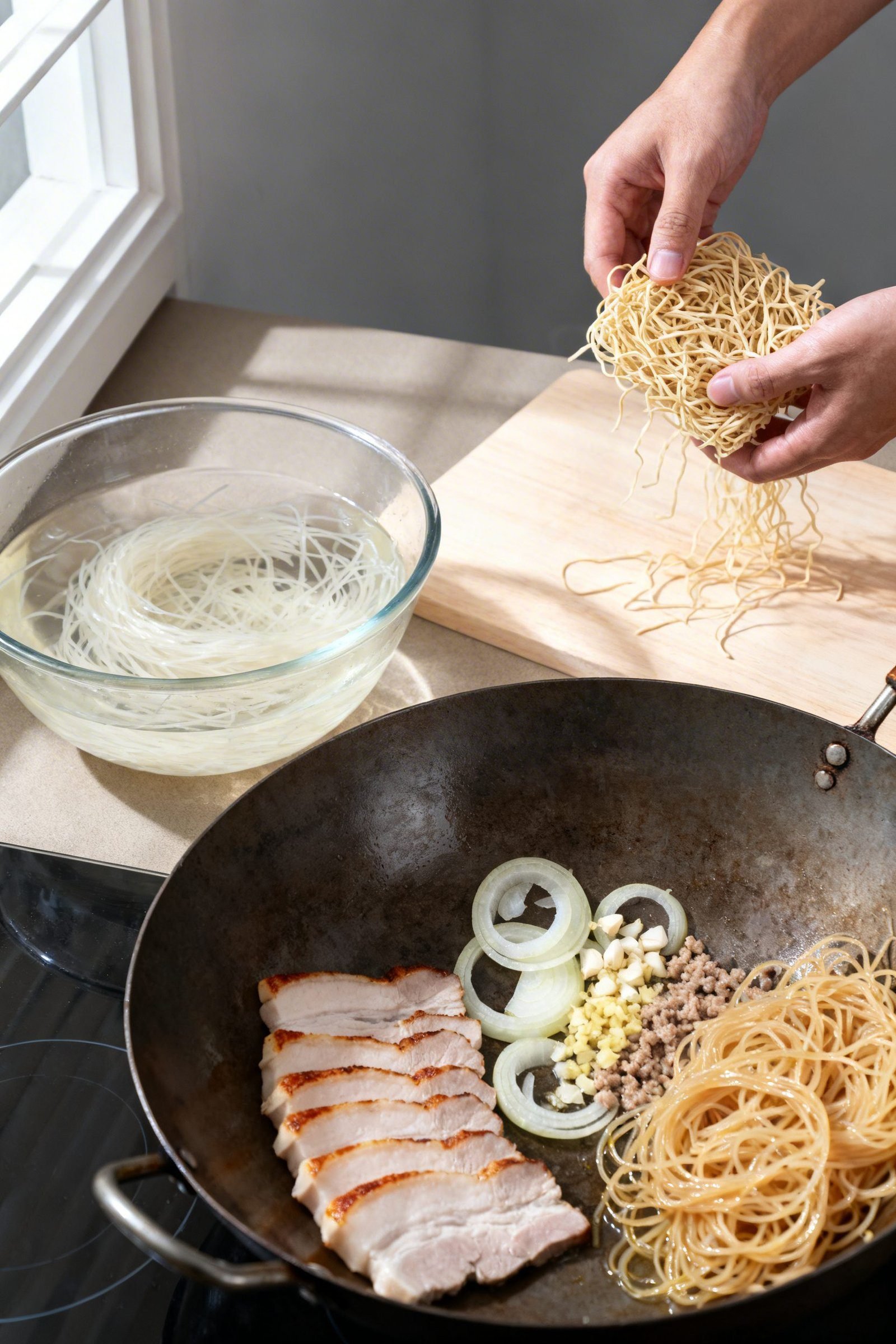
- 1 pound pork shoulder or pork belly, thinly sliced (choose shoulder for leaner, belly for richer)
- 1 tablespoon neutral oil (canola or vegetable)
- 1 medium onion, thinly sliced
- 5 cloves garlic, minced
- 1-inch piece ginger, minced
Vegetables
- 2 cups green cabbage, thinly sliced
- 1 large carrot, julienned
- 1 red bell pepper, thinly sliced
- 1 cup snow peas or green beans, trimmed
- 3 scallions, sliced (white and green parts divided)
Noodles
- 6 ounces pancit canton (dried wheat egg noodles)
- 6 ounces bihon (rice stick noodles)
Savory Sauce
- 2 1/2 cups low-sodium chicken broth
- 3 tablespoons soy sauce
- 2 tablespoons oyster sauce
- 1 teaspoon fish sauce (adjust to taste)
- 1 teaspoon sugar (balances the saltiness)
- 1/2 teaspoon freshly ground black pepper
- 1 teaspoon toasted sesame oil (optional for aroma)
For Serving
- Calamansi halves or lemon wedges
- Chopped cilantro or extra scallion greens (optional)
- Crispy fried garlic or crushed chicharrón (optional crunch)
How to Make Pork Pancit with Rich Savory Sauce
1) Prep the Noodles
- Soak the bihon in warm water for 8–10 minutes until pliable. Drain well.
- Loosen the pancit canton by gently shaking out the nests. No soaking needed.
2) Mix the Sauce
- In a large measuring cup, whisk chicken broth, soy sauce, oyster sauce, fish sauce, sugar, pepper, and sesame oil. Set aside.
3) Sear the Pork
- Heat a wok or wide skillet over medium-high. Add oil.
- Spread pork in a single layer and sear 2–3 minutes undisturbed. Stir and cook until just cooked through and slightly browned. Transfer to a plate, leaving drippings in the pan.
4) Build the Flavor Base
- Add onion to the pan and cook 1–2 minutes until translucent.
- Stir in garlic and ginger and cook 30–45 seconds until fragrant.
- Add carrots and bell pepper; stir-fry 1 minute.
- Add snow peas and cabbage; cook 1–2 minutes until crisp-tender. Season lightly with a splash of soy if desired. Transfer veggies to the pork plate.
5) Cook the Noodles in Sauce
- Pour in the sauce mixture and bring to a simmer.
- Add pancit canton first and cook 2 minutes, tossing so the noodles absorb liquid evenly.
- Add soaked bihon and continue tossing 2–3 minutes, adding splashes of hot water if needed until both noodles turn tender with a slight chew.
6) Combine and Finish
- Return pork and vegetables to the pan with the noodles.
- Toss thoroughly over medium heat for 1–2 minutes until everything looks glossy and coated. Taste and adjust salt, pepper, or fish sauce.
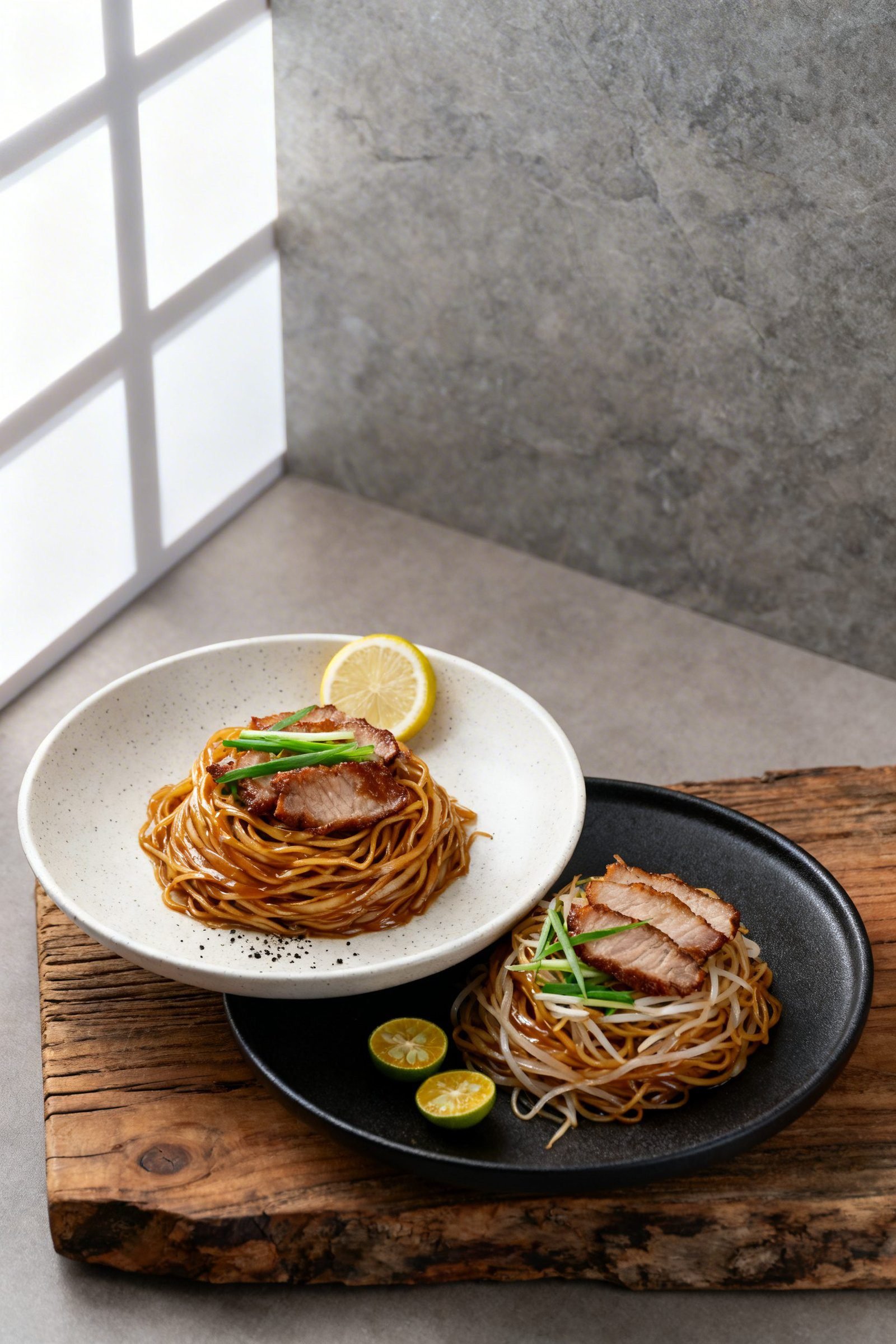
- Turn off heat and squeeze calamansi or lemon over the noodles. Top with scallion greens, cilantro, and fried garlic if using. Serve hot.
How to Store Leftover Pork Pancit
- Cool quickly: Spread leftovers in a shallow container and cool within 1 hour.
- Refrigerate: Store in an airtight container up to 4 days.
- Freeze: Portion into freezer-safe bags for up to 2 months. The texture stays best with canton noodles; bihon softens slightly after thawing.
- Reheat: Warm in a skillet with a splash of broth or water over medium heat, tossing until steamy. Add a fresh squeeze of citrus to revive flavor.
Why You’ll Love Making This Pancit at Home
- Weeknight-friendly: One pan, under an hour, and pantry sauces you likely have already.
- Budget-conscious: Pork shoulder, simple vegetables, and dried noodles feed a crowd without stress.
- Customizable: Adjust veggies, heat, and citrus to fit your taste or what’s in the crisper.
- Great for gatherings: Pancit holds well on a buffet and tastes even better after flavors settle.
Common Mistakes to Avoid
- Over-soaking bihon: Keep it pliable, not fully soft. It will finish cooking in the sauce.
- Crowding the pork: Sear in a single layer to get color and flavor. Pale pork tastes flat.
- Skipping the citrus: The final squeeze brightens the rich sauce and balances the salt.
- Overcooking vegetables: Keep them crisp-tender so they hold texture in the noodles.
- Not tasting as you go: Sauces and broths vary; adjust salt, fish sauce, and pepper at the end.
Tasty Variations You Can Try
- Seafood pancit: Swap pork for shrimp and squid; cook seafood quickly and add back at the end.
- Pancit with chicken: Use boneless thighs, sliced thin; sear like pork and proceed.
- All-veg pancit: Double the vegetables and use mushroom umami (shiitake + a splash of vegetarian oyster sauce).
- Spicy kick: Add chili garlic sauce or sliced bird’s eye chilies with the aromatics.
- Saucier style: Add an extra 1/2–1 cup broth for a looser, glossy finish.
- Holiday pancit: Garnish with hard-boiled eggs, Chinese sausage (lap cheong), and toasted peanuts.
FAQ
What noodles work best for pancit?
A mix of pancit canton and bihon gives the best texture contrast. If you prefer only one, choose canton for chewier noodles or bihon for a lighter, silky bite.
Can I use pre-shredded coleslaw mix?
Yes. Bagged coleslaw saves time and tastes great. Add it at the end so it stays crisp.
What can I replace oyster sauce with?
Use more soy sauce plus a pinch of sugar, or vegetarian oyster sauce made from mushrooms for a similar depth.
How do I prevent soggy noodles?
Soak, don’t boil, the bihon; then cook both noodles in the sauce only until just tender. Keep tossing to distribute liquid evenly and stop once they turn springy.
Is fish sauce necessary?
No, but a small splash boosts umami. If you skip it, add a little more soy and a squeeze of citrus.
Can I make this ahead?
Yes. Cook and cool, then reheat with a splash of broth. Add fresh citrus and herbs right before serving.
Conclusion
Pork pancit deserves a spot in your regular dinner rotation. With a bold, savory sauce, juicy seared pork, and bright, crisp vegetables, it checks every comfort-food box without complicated steps. Keep these noodle tips handy, finish with a zippy squeeze of calamansi or lemon, and you’ll have a pan of pancit that disappears fast—every single time.
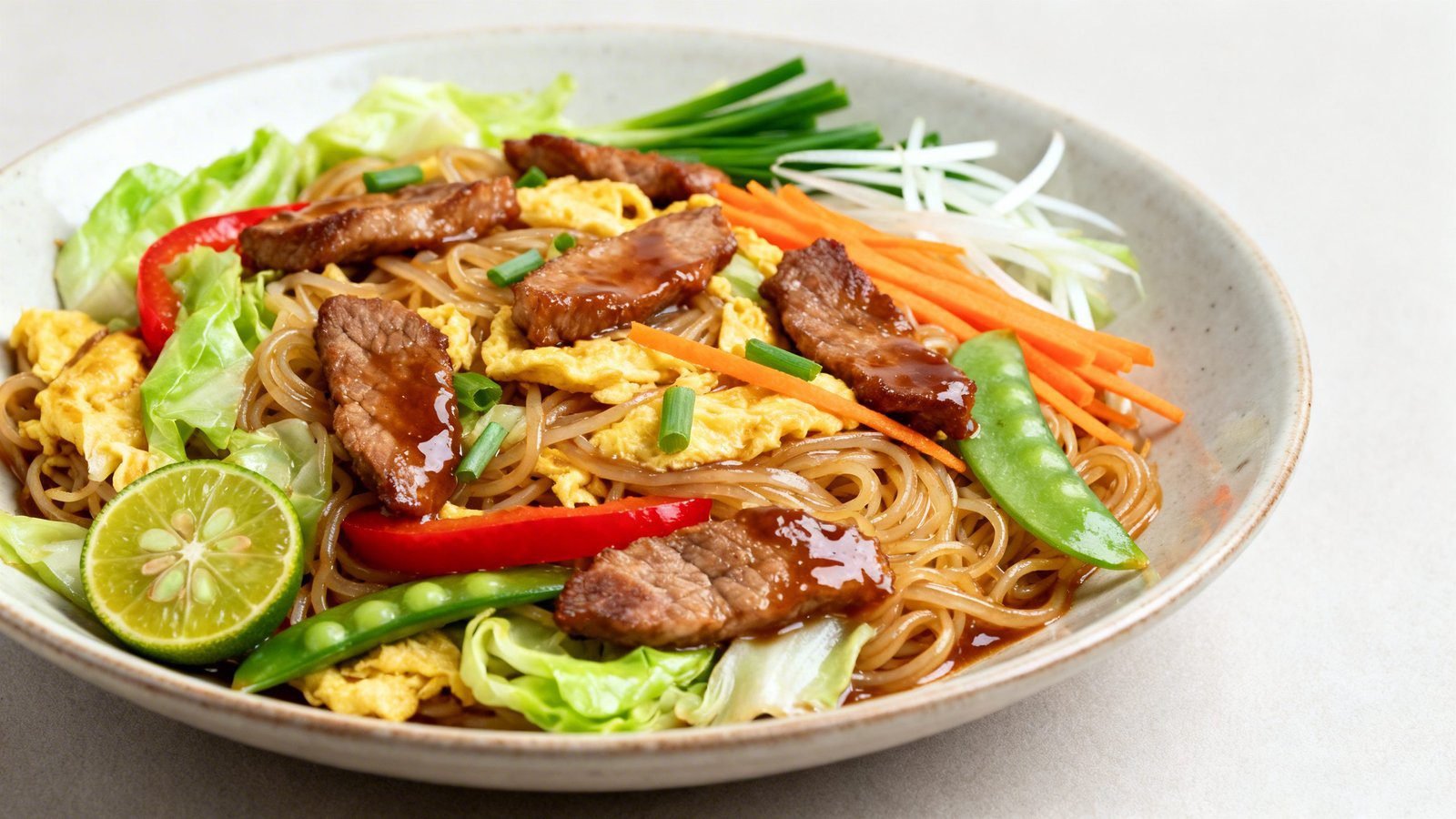
Classic Pork Pancit with Rich Savory Sauce
Tender seared pork, mixed pancit noodles, and crisp vegetables tossed in an umami-rich sauce finished with a bright squeeze of citrus.
Ingredients
- 1 pound pork shoulder or pork belly, thinly sliced
- 1 tablespoon neutral oil (canola or vegetable)
- 1 medium onion, thinly sliced
- 5 cloves garlic, minced
- 1-inch piece ginger, minced
- 2 cups green cabbage, thinly sliced
- 1 large carrot, julienned
- 1 red bell pepper, thinly sliced
- 1 cup snow peas or green beans, trimmed
- 3 scallions, sliced (white and green parts divided)
- 6 ounces pancit canton (dried wheat egg noodles)
- 6 ounces bihon (rice stick noodles)
- 2 ½ cups low-sodium chicken broth
- 3 tablespoons soy sauce
- 2 tablespoons oyster sauce
- 1 teaspoon fish sauce (adjust to taste)
- 1 teaspoon sugar
- ½ teaspoon freshly ground black pepper
- 1 teaspoon toasted sesame oil (optional)
- Calamansi halves or lemon wedges, for serving
- Chopped cilantro or extra scallion greens (optional)
- Crispy fried garlic or crushed chicharrón (optional)
Instructions
- Soak bihon in warm water for 8–10 minutes until pliable; drain well. Loosen pancit canton; no soaking needed.
- Whisk chicken broth, soy sauce, oyster sauce, fish sauce, sugar, pepper, and sesame oil; set aside.
- Heat a wok or wide skillet over medium-high with oil. Spread pork in a single layer and sear 2–3 minutes undisturbed; stir and cook until just cooked through and lightly browned. Transfer pork to a plate, leaving drippings.
- Add onion to the pan; cook 1–2 minutes until translucent. Stir in garlic and ginger; cook 30–45 seconds until fragrant.
- Add carrots and bell pepper; stir-fry 1 minute. Add snow peas and cabbage; cook 1–2 minutes until crisp-tender. Season lightly with a splash of soy if desired. Transfer vegetables to the pork plate.
- Pour in the sauce mixture; bring to a simmer. Add pancit canton and cook 2 minutes, tossing to absorb liquid.
- Add soaked bihon; toss 2–3 minutes, adding splashes of hot water as needed until both noodles are tender with slight chew.
- Return pork and vegetables to the pan; toss over medium heat 1–2 minutes until glossy and coated. Taste and adjust salt, pepper, or fish sauce.
- Turn off heat; squeeze calamansi or lemon over noodles. Garnish with scallion greens, cilantro, and fried garlic if using. Serve hot.