Traditional Alfredo Sauce Recipe | Silky Authentic Italian Pasta Sauce
You can make a silky, restaurant-quality Alfredo sauce at home with just a handful of ingredients and a little technique. This classic Roman-style sauce tastes rich, coats pasta beautifully, and comes together in minutes on the stovetop.
I’ll show you how to build deep dairy flavor, avoid grainy or broken sauce, and get that glossy, clinging texture everyone loves. Grab real butter, good Parmesan, and a sturdy whisk—we’re making Alfredo that tastes like Italy, not a jar.
Why This Classic Alfredo Sauce Works
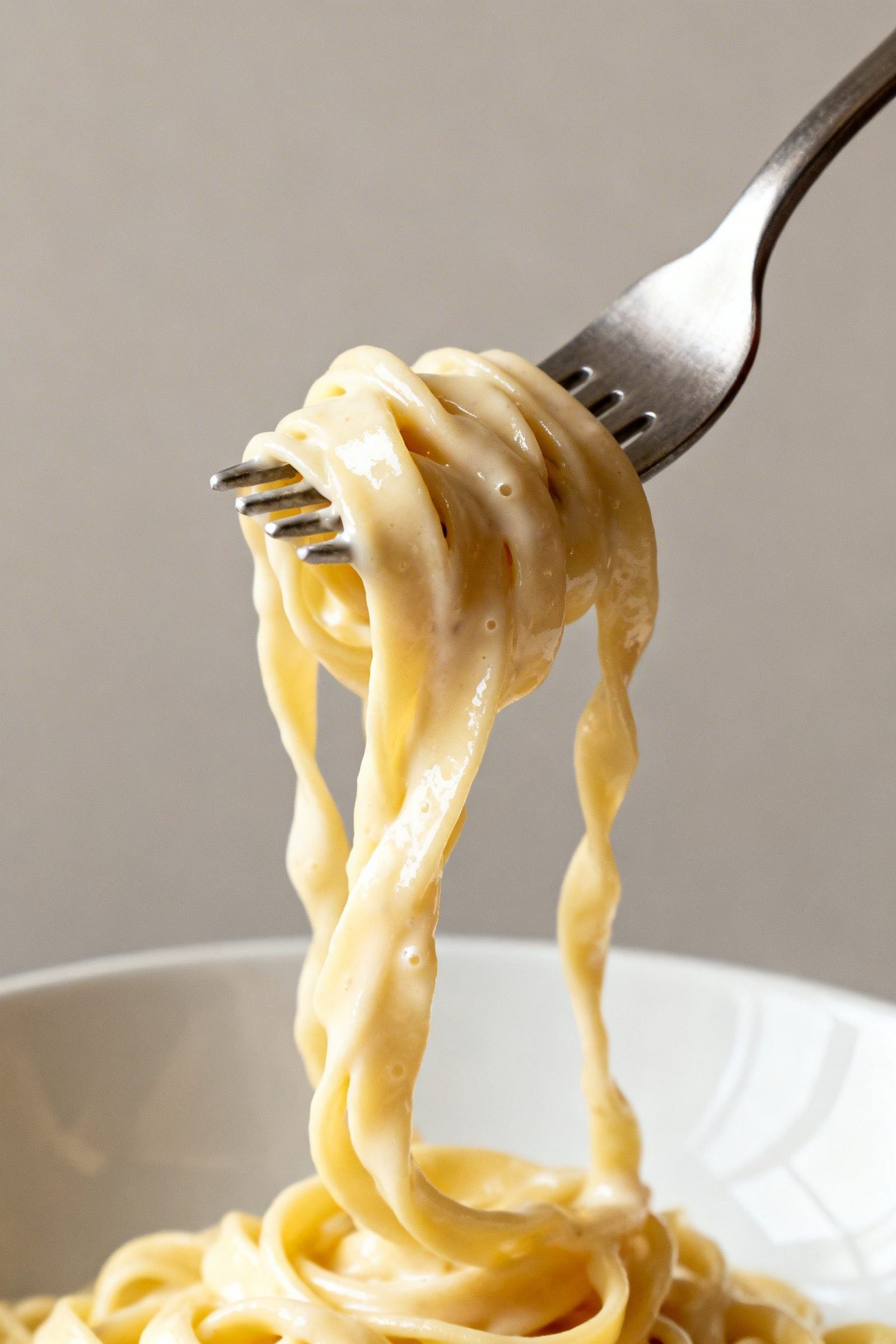
This recipe relies on balance, timing, and quality. Here’s why it delivers every time:
- Real ingredients shine: European-style butter and freshly grated Parmigiano Reggiano create intense flavor without fillers or thickeners.
- Gentle heat protects texture: Low, steady heat melts cheese smoothly and keeps the sauce glossy instead of greasy.
- Starchy pasta water emulsifies: A splash of hot pasta water marries butter and cheese into a silky, clingy sauce.
- Simple technique, big payoff: We whisk gradually and season with intention for consistent results.
Ingredients
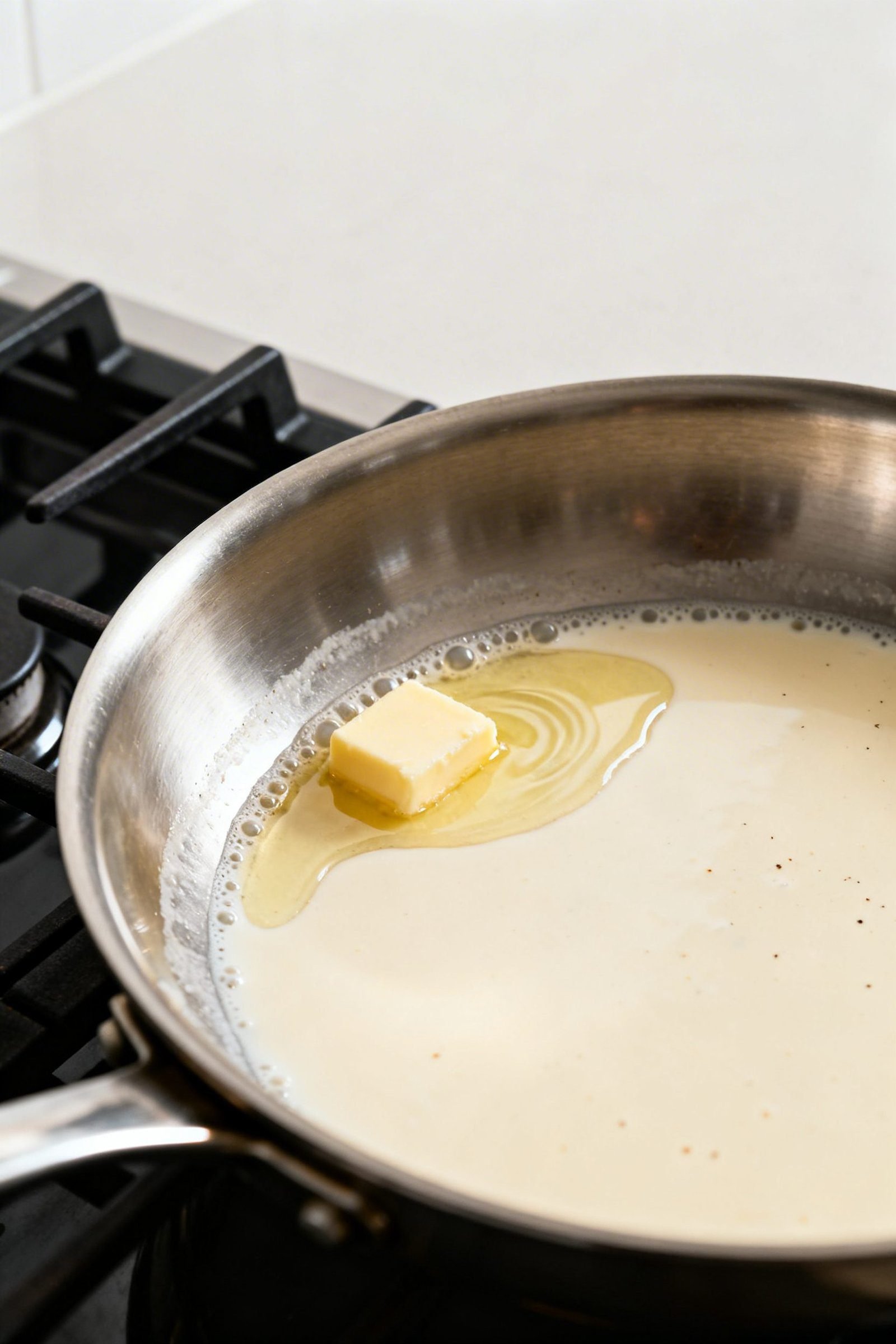
Use the best you can find. With a short list like this, quality matters a lot.
- Butter: 6 tablespoons unsalted, preferably European-style for higher butterfat and richer flavor.
- Heavy cream: 1 cup. Choose 36–40% milkfat for the most velvety texture.
- Parmigiano Reggiano: 1 cup, very finely grated (microplane or powdery grate). Freshly grated melts best.
- Garlic: 1 small clove, minced or grated. Optional but lovely for aroma.
- Nutmeg: A small pinch, freshly grated for warmth and depth.
- Salt: Fine sea salt, to taste. Parmesan adds salinity, so season at the end.
- Black pepper: Freshly ground, to taste. Traditionalists skip it; I love a little.
- Pasta cooking water: 1/3–1/2 cup reserved hot and starchy for emulsifying.
For serving:
- Pasta: Fettuccine, tagliatelle, or your favorite long noodle. Cook just to al dente.
How to Make This Silky Alfredo Sauce
Before you start
- Grate the cheese ultra-fine. Powdery shreds melt faster and prevent clumping.
- Warm your serving bowls. A warm bowl keeps sauce glossy and fluid.
- Boil pasta in well-salted water. Taste the water; it should taste like the sea.
Step-by-step method
- Melt the butter: Set a wide skillet over low heat. Add butter and let it melt gently without browning.
- Sweat the garlic (optional): Stir in garlic and cook 20–30 seconds until fragrant. Do not let it color.
- Add the cream: Pour in heavy cream. Whisk and bring to a gentle simmer—little bubbles around the edges only.
- Season lightly: Add a tiny pinch of nutmeg and a crack of black pepper. Hold off on salt for now.
- Reduce slightly: Simmer 2–3 minutes, whisking, until the cream thickens enough to lightly coat a spoon.
- Off the heat, add cheese: Remove the pan from heat. Sprinkle in Parmigiano a handful at a time, whisking until smooth before adding more. Keep it gentle so the cheese emulsifies, not clumps.
- Adjust consistency: Whisk in splashes of hot pasta water until the sauce turns glossy and flows like warm custard. It should coat the back of a spoon.
- Taste and finish: Now add salt if needed. Parmesan is salty, so you might need very little.
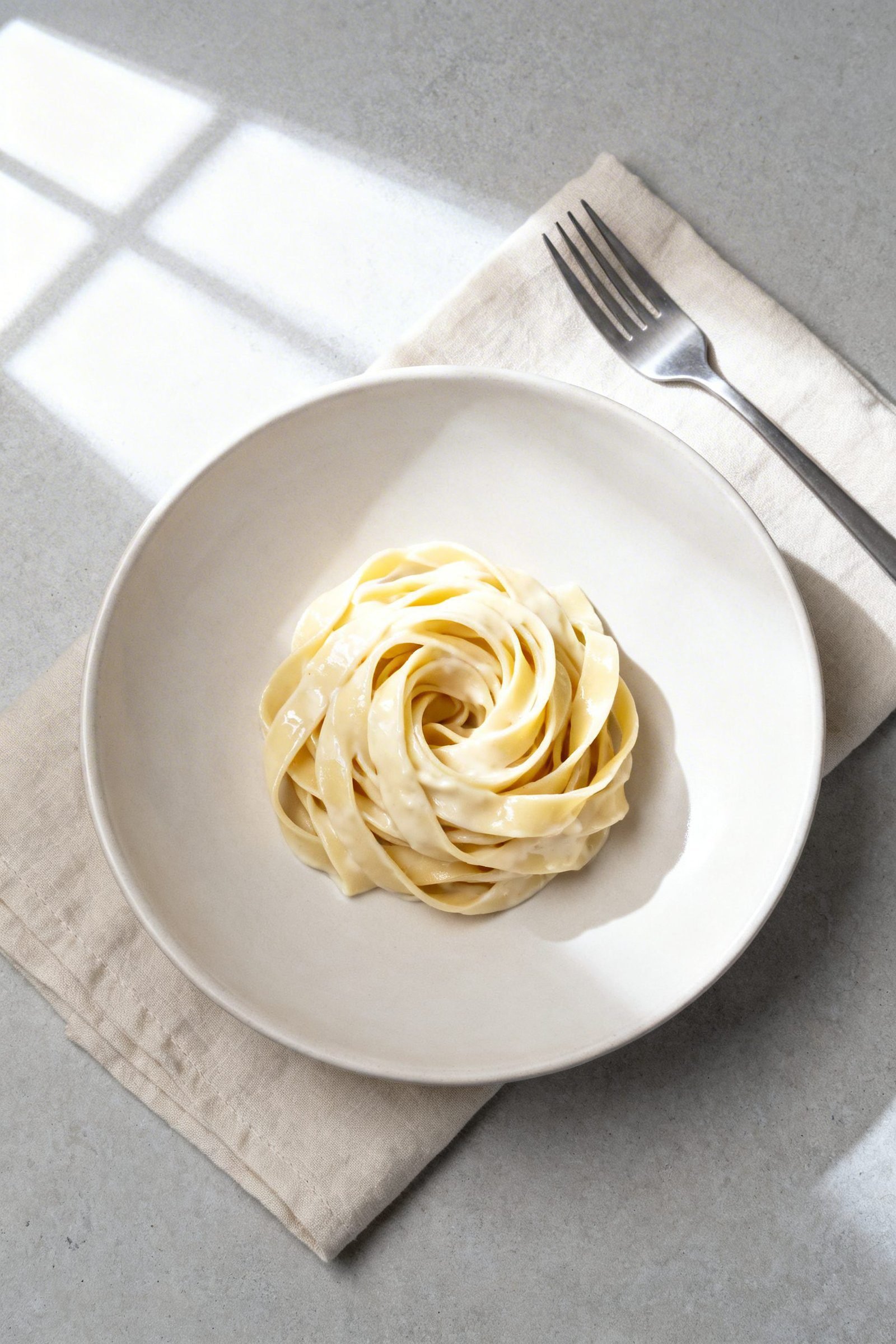
- Toss with pasta: Add drained al dente pasta straight to the skillet. Toss vigorously for 30–60 seconds so the sauce clings to every strand. Add another splash of pasta water if the sauce tightens up.
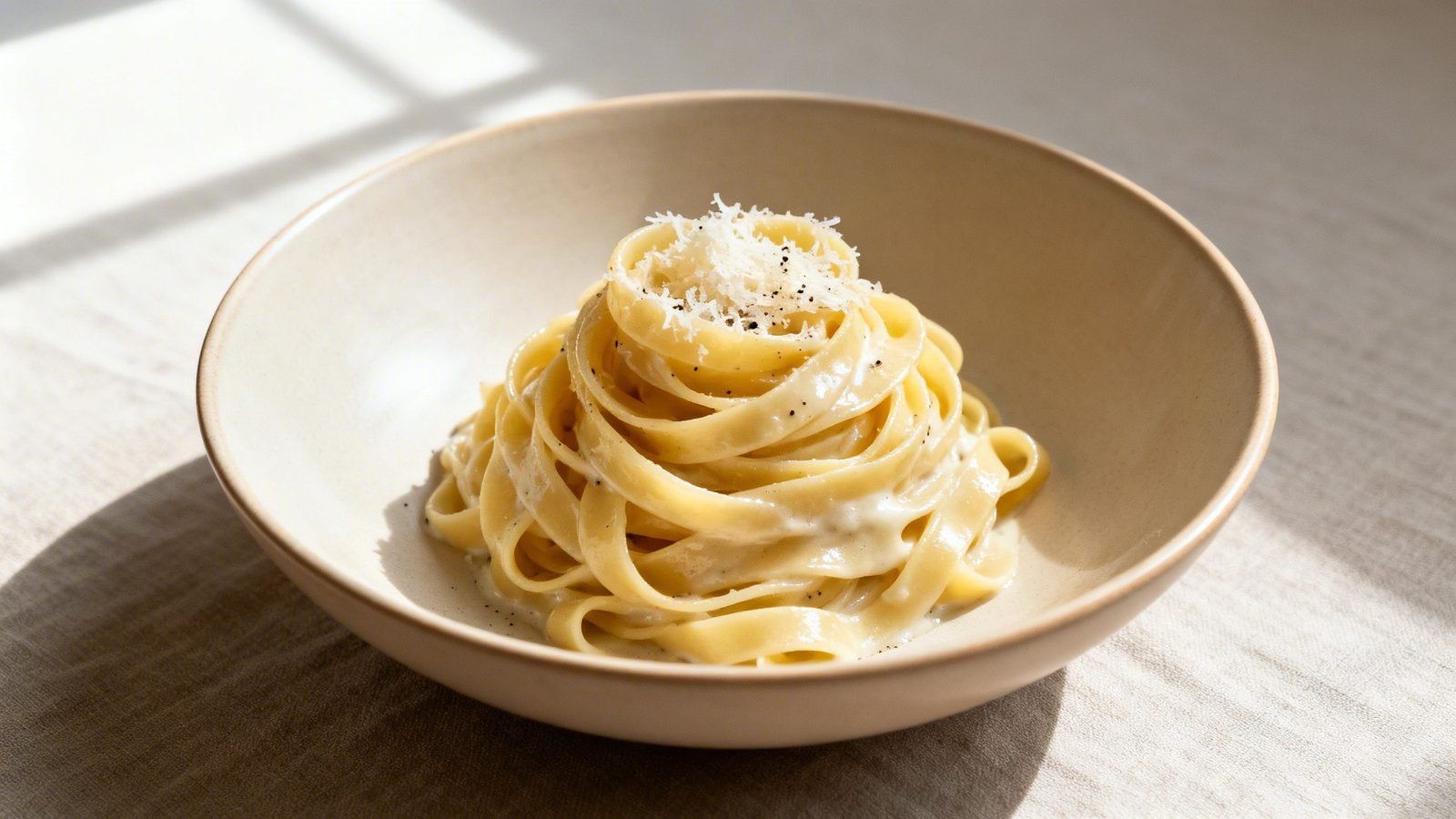
- Serve immediately: Plate in warm bowls and shower with a bit more cheese if you like.
Pro tips for perfect texture
- Keep the heat low: High heat separates dairy and turns sauce oily.
- Go slow with cheese: Add gradually and whisk constantly for velvety results.
- Use starchy water: Reserve it before draining pasta; it’s your emulsifying secret.
- Serve right away: Alfredo thickens as it sits. The freshest minute tastes the best.
How to Store Leftover Alfredo Sauce
- Cool quickly: Transfer sauce to a shallow container and cool within 1 hour.
- Refrigerate: Store up to 3 days in an airtight container.
- Reheat gently: Warm over low heat with a splash of milk or cream, whisking to re-emulsify. Do not boil.
- Freeze with caution: Cream sauces can separate after freezing. If you must, freeze up to 1 month and reheat very gently with added cream and whisking.
- Leftover pasta with sauce: Rewarm in a skillet with a bit of water or cream, tossing until silky again.
Benefits of Making Alfredo from Scratch
- Clean ingredients: No thickeners, gums, or preservatives—just dairy and cheese.
- Superior flavor: Freshly grated Parmigiano and good butter beat any jar, every time.
- Customizable texture: Adjust thickness with pasta water to suit your preference.
- Fast weeknight win: From pan to plate in under 15 minutes.
- Restaurant finish: That glossy, clingy sauce elevates simple pasta to something special.
Mistakes to Avoid
- Overheating the sauce: High heat breaks the emulsion and makes cheese gritty.
- Using pre-shredded cheese: Anti-caking agents block melting. Grate your own.
- Skipping pasta water: You lose the silky cling that defines good Alfredo.
- Salting too early: Taste after adding cheese; you might not need much salt.
- Letting pasta overcook: Al dente pasta stands up to rich sauce and stays pleasant.
- Neglecting heat control when reheating: Always reheat low and slow with a splash of liquid.
Easy Variations to Try
- Lemon Alfredo: Add 1 teaspoon lemon zest and a squeeze of juice at the end for brightness.
- Garlic-forward: Gently simmer 2–3 cloves thinly sliced in the butter for a more pronounced aroma.
- White wine twist: Deglaze the pan with 2 tablespoons dry white wine before adding cream; reduce by half.
- Peppery Cacio e Pepe nod: Toast 1 teaspoon freshly cracked pepper in butter before the cream.
- Herb finish: Stir in 1–2 tablespoons finely chopped parsley or chives right before serving.
- Lighter feel: Swap half the heavy cream for whole milk and simmer a minute longer to thicken.
- Ultra-rich: Add an extra tablespoon of butter and another 1/4 cup Parmesan for a denser, cheesier sauce.
FAQ
Can I make Alfredo without cream?
You can. The original Roman approach uses butter, pasta water, and Parmigiano only. You’ll whisk vigorously off heat and add cheese gradually with plenty of starchy water for a creamy emulsion. It tastes lighter and very cheese-forward.
Why did my Alfredo sauce turn grainy?
Cheese likely hit heat that ran too high or you used coarsely grated or pre-shredded cheese. Keep the pan off heat when you add Parmesan, grate it ultra-fine, and whisk in small increments.
How do I thin Alfredo that’s too thick?
Whisk in hot pasta water a tablespoon at a time until the sauce flows smoothly and coats noodles without clumping.
What cheese works best?
Use freshly grated Parmigiano Reggiano for classic flavor. Grana Padano or Pecorino Romano work too, but Pecorino tastes saltier and sharper, so season carefully.
Can I make it ahead?
You can make the sauce a few hours ahead and reheat very gently. For best texture, cook pasta fresh and toss right before serving.
Which pasta pairs best?
Fettuccine stands as the classic, but tagliatelle, pappardelle, or even short shapes like rigatoni work if you prefer. Aim for sturdy noodles with some bite.
Conclusion
With good butter, real Parmigiano, and patient whisking, you can turn a few simple ingredients into a luxurious Alfredo sauce that hugs every noodle. Keep the heat low, add cheese gradually, lean on starchy pasta water, and serve right away. Once you taste this silky, authentic sauce, you’ll retire the jar for good.
Traditional Alfredo Sauce
A silky, restaurant-quality Alfredo sauce made with butter, cream, and Parmigiano Reggiano that coats pasta beautifully in minutes.
Ingredients
- 6 tablespoons unsalted butter (preferably European-style)
- 1 cup heavy cream (36–40% milkfat)
- 1 cup very finely grated Parmigiano Reggiano
- 1 small garlic clove, minced or grated (optional)
- Pinch of freshly grated nutmeg
- Fine sea salt, to taste
- Freshly ground black pepper, to taste
- ⅓–½ cup hot starchy pasta cooking water
- 12–16 ounces pasta (fettuccine, tagliatelle, or similar), cooked al dente
Instructions
- Grate Parmesan very finely and warm serving bowls. Boil pasta in well-salted water until al dente; reserve ½ cup pasta water.
- Set a wide skillet over low heat and melt the butter without browning.
- If using, add garlic and cook 20–30 seconds until fragrant without coloring.
- Pour in heavy cream and whisk; bring to a gentle simmer with small bubbles at the edges.
- Season lightly with a small pinch of nutmeg and a little black pepper; hold salt for later.
- Simmer 2–3 minutes, whisking, until the cream lightly coats a spoon.
- Remove pan from heat. Add Parmigiano a handful at a time, whisking until smooth before adding more.
- Whisk in splashes of hot pasta water until the sauce is glossy and flows like warm custard, coating the back of a spoon.
- Taste and add salt only if needed.
- Add drained al dente pasta to the skillet and toss vigorously 30–60 seconds so the sauce clings, adding more pasta water if it tightens.
- Serve immediately in warm bowls with extra Parmigiano if desired.