Dal Makhani Recipe | Rich Restaurant Style Makhani Dal for Dinner
Meet your new weeknight favorite: dal makhani that tastes like it came straight from your favorite restaurant. It’s rich, buttery, and beautifully creamy, with slow-simmered black lentils and kidney beans infused with tomato, spices, and a final swirl of cream. This version delivers deep flavor without fuss, and it holds up perfectly for dinner, meal prep, or guests.
I’ll walk you through soaking, pressure-cooking, tempering, and the low-and-slow simmer that builds that signature “makhani” finish. You’ll get pro tips to nail the texture, easy swaps if you’re missing an ingredient, and exactly how to reheat leftovers so the dal tastes even better the next day.
Why This Restaurant-Style Dal Makhani Works
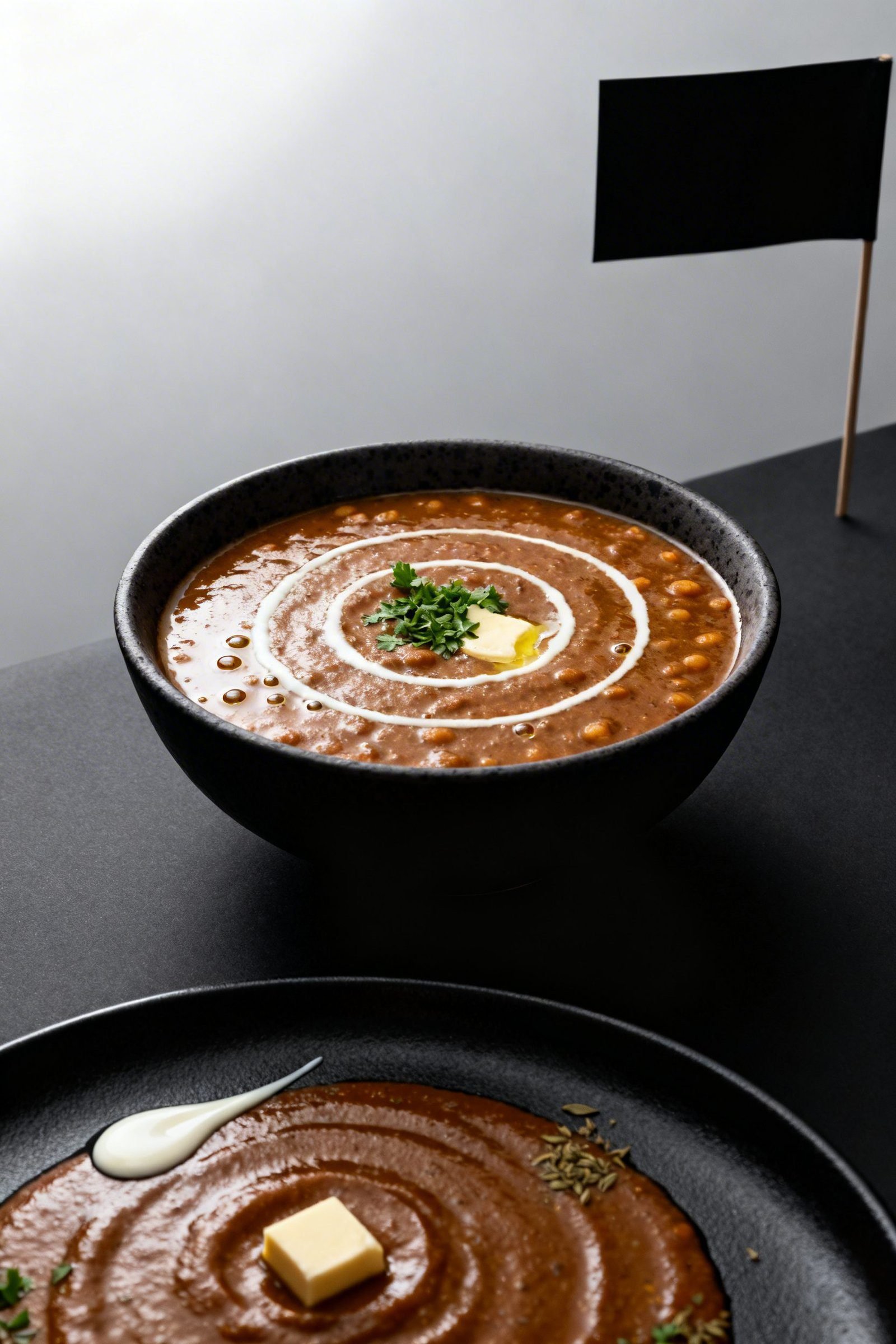
- Slow simmer builds body: Long, gentle cooking breaks down the lentils for that velvety finish you expect from a great makhani dal.
- Two types of legumes: Whole black urad (sabut urad) brings creaminess, while kidney beans (rajma) add bite and earthy depth.
- Balanced spice profile: Aromatics, kasuri methi, and garam masala create warmth without overpowering the dal’s natural flavor.
- Butter and cream at the end: Finishing with butter and cream rounds the edges and locks in a glossy, restaurant-like texture.
- Pressure cooker friendly: You get tender lentils quickly, then finish on the stovetop to concentrate flavor.
Ingredients
Main Ingredients
- 3/4 cup whole black urad (sabut urad), dry
- 1/4 cup kidney beans (rajma), dry
- 3 cups water for pressure cooking, plus more for soaking
- 2 tablespoons ghee (or neutral oil), divided
- 2 tablespoons unsalted butter, plus more to finish
- 1 medium onion, finely chopped
- 1 tablespoon ginger-garlic paste
- 2 green chilies, slit (adjust to taste)
- 2 medium tomatoes, pureed (or 1 cup canned tomato puree)
- 1/2 cup heavy cream (or 1/3 cup cream + 2 tablespoons milk)
Spices and Seasoning
- 1 bay leaf
- 1/2 teaspoon cumin seeds
- 1/2 teaspoon turmeric powder
- 1 teaspoon Kashmiri red chili powder (for color and mild heat)
- 1 teaspoon coriander powder
- 1/2 to 3/4 teaspoon garam masala
- 1 teaspoon kasuri methi (crushed)
- Salt to taste
- Optional: 1–2 tablespoons tomato paste for extra body and color
For Finishing and Garnish
- 1 tablespoon butter for the final swirl
- 2 tablespoons cream for garnish
- Fresh cilantro, finely chopped
- Lemon wedges (optional)
How to Make Creamy Dal Makhani at Home
1) Soak and Cook the Lentils
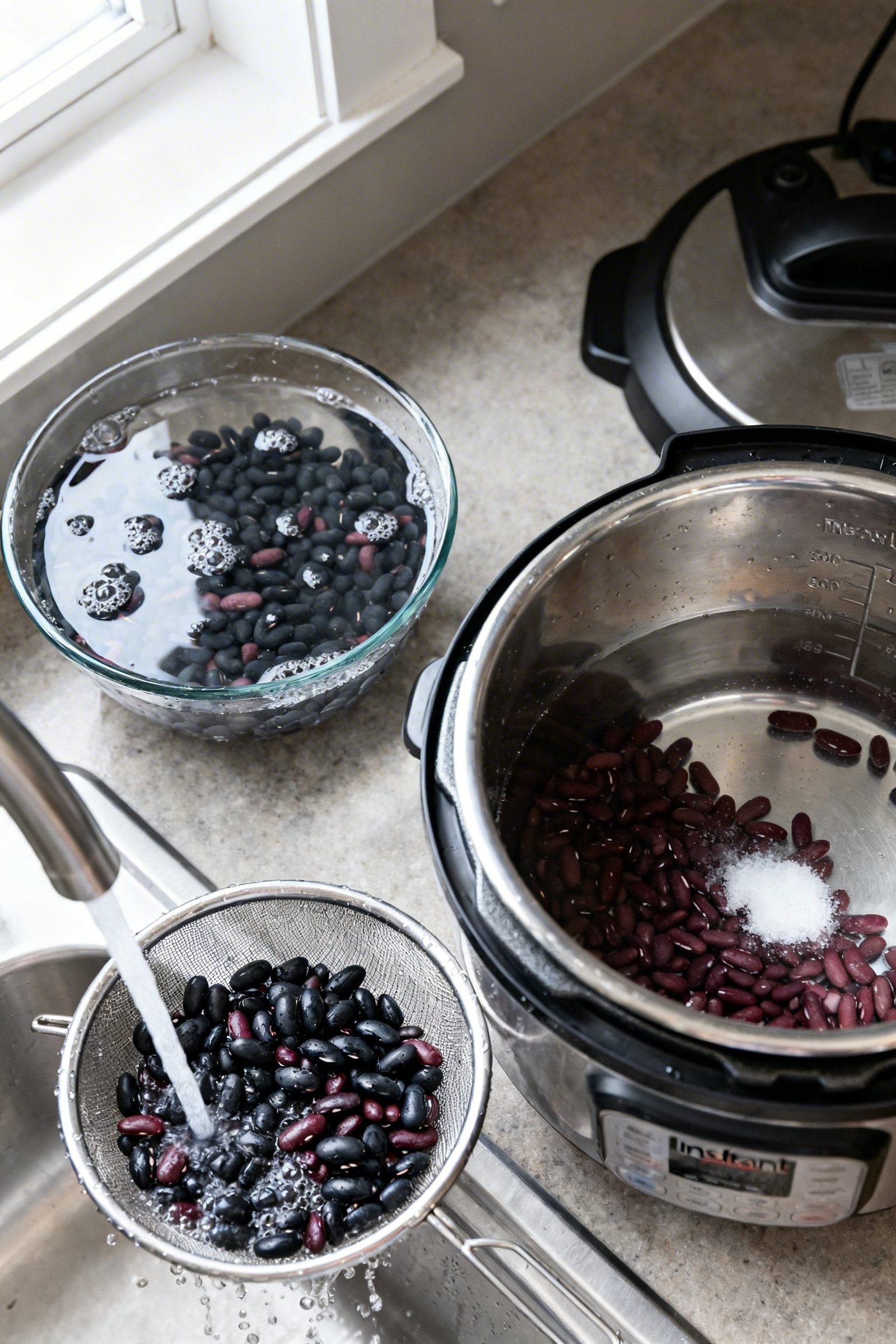
- Rinse and soak: Rinse black urad and rajma until water runs clear. Soak in plenty of water for at least 8 hours or overnight for even cooking and creamy texture.
- Pressure cook: Drain and add to a pressure cooker with 3 cups fresh water and 1/2 teaspoon salt. Cook for 20–25 minutes on high pressure (Instant Pot: Manual/Pressure Cook 25 minutes; stovetop cooker: about 8–10 whistles). Let pressure release naturally.
- Check doneness: Lentils should mash easily between fingers; rajma should be fully tender. If still firm, add 1/2 cup water and cook 5–10 minutes more.
2) Build the Masala Base
- Heat 1 tablespoon ghee + 1 tablespoon butter in a heavy pot. Add cumin seeds and bay leaf. Let them sizzle for 30 seconds.
- Add onions with a pinch of salt. Sauté until deep golden, 7–9 minutes, stirring often.
- Stir in ginger-garlic paste and green chilies. Cook until the raw smell fades, about 1–2 minutes.
- Add tomato puree (and tomato paste if using). Cook until the mixture thickens, the color deepens, and fat starts to separate, about 6–8 minutes.
- Sprinkle turmeric, Kashmiri chili, and coriander powder. Cook 1 minute to bloom the spices.
3) Simmer Low and Slow
- Pour the cooked lentils with their cooking liquid into the masala. Stir well. If too thick, add 1/2–1 cup hot water to loosen.
- Reduce heat to low. Partially cover and simmer 30–45 minutes, stirring every 5–7 minutes so it doesn’t catch at the bottom. The dal should turn silky and glossy.
- Use a ladle to lightly mash some lentils against the pot. This step gives that classic creamy body.
4) Finish with Makhani Goodness
- Stir in 1 tablespoon ghee, 1 tablespoon butter, and crushed kasuri methi.
- Add cream and simmer another 3–5 minutes on very low heat. Adjust salt and heat with more chili powder if needed.
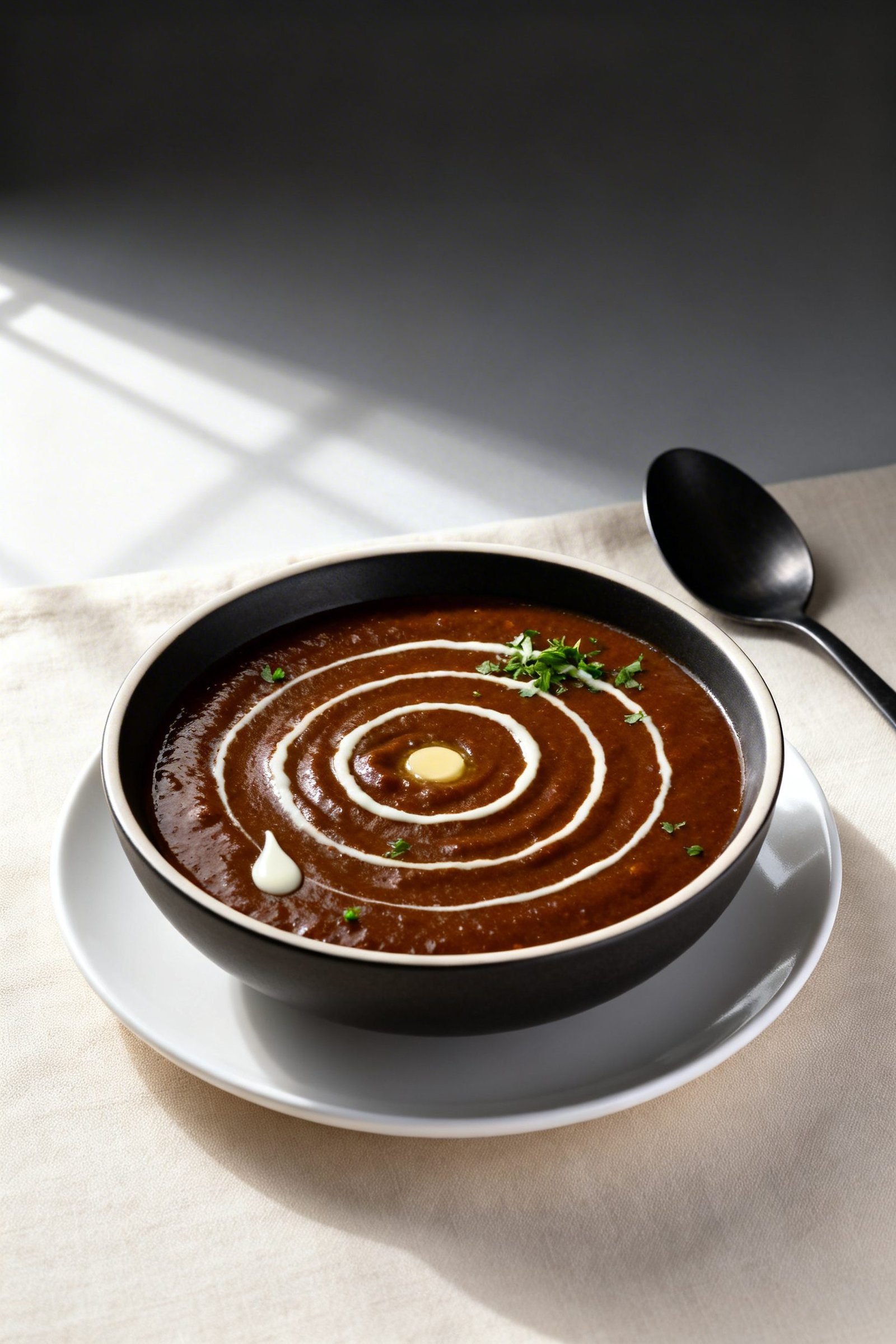
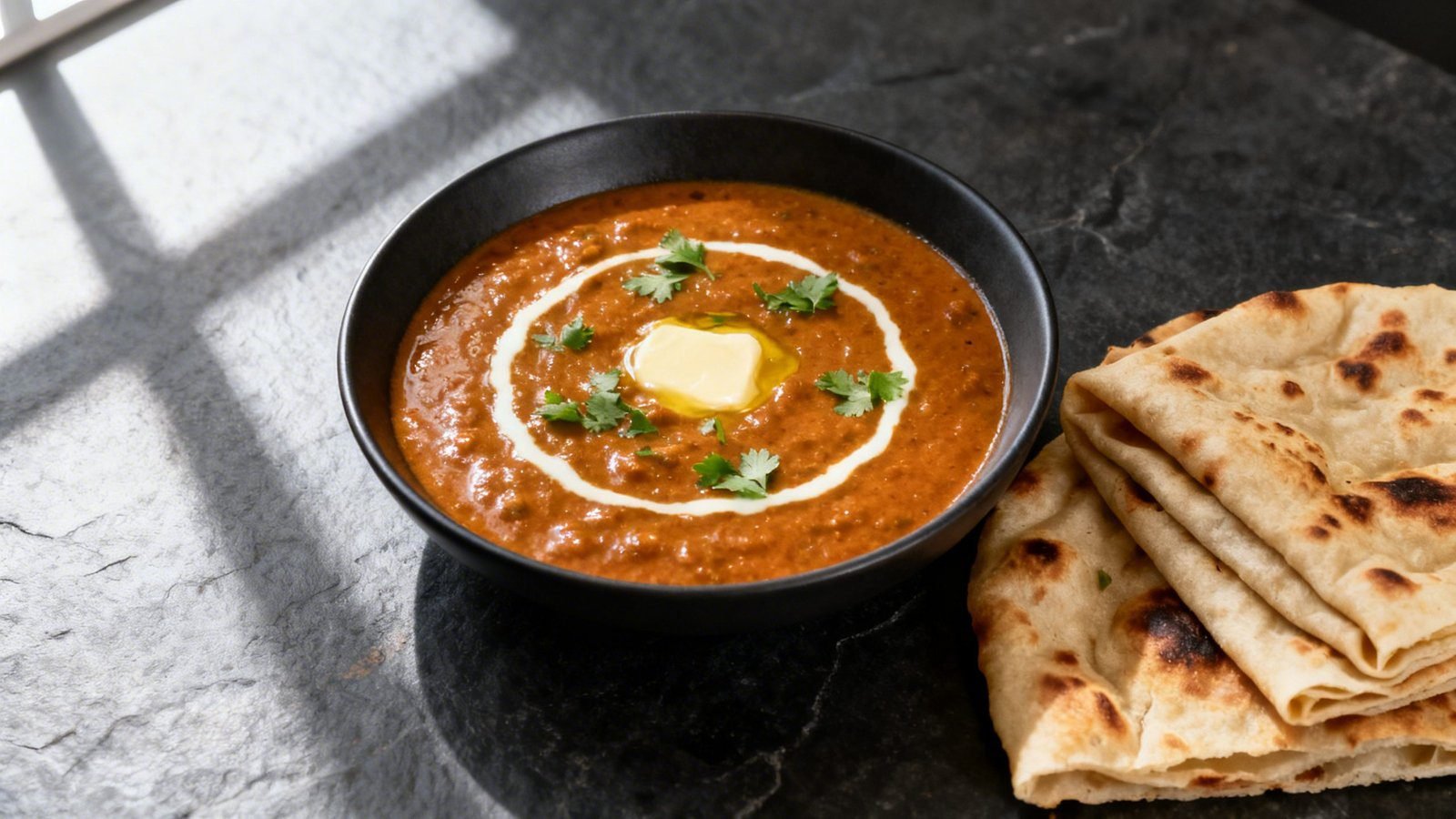
- Finish with a small knob of butter and a swirl of cream. Top with chopped cilantro.
Serving Tips
- Serve hot with naan, tandoori roti, jeera rice, or basmati rice.
- Squeeze a little lemon at the table to brighten the richness.
- For that smoky restaurant vibe, add a quick dhungar: heat a small piece of charcoal, place it in a heatproof bowl over the dal, add a drop of ghee, cover for 2 minutes, then remove.
How to Store Leftover Dal Makhani
- Fridge: Cool fully, then store in an airtight container for up to 4 days.
- Freezer: Portion into containers and freeze for up to 2 months. Leave out the final cream if you plan to freeze; stir cream in after reheating.
- Reheat: Warm gently on the stove with a splash of water or milk to loosen. Finish with a touch of butter and cream to refresh the gloss.
Benefits of Making Dal Makhani at Home
- Better control: You choose the salt, spice, and richness. Make it lighter or extra indulgent.
- Protein-packed comfort: Lentils and beans deliver plant-based protein and fiber that keep you full and satisfied.
- Budget-friendly luxury: Simple pantry ingredients turn into a restaurant-level dinner without the price tag.
- Make-ahead friendly: Flavor deepens overnight, so leftovers taste even better.
Common Mistakes to Avoid
- Skipping the soak: Unsoaked beans cook unevenly and never reach that creamy texture.
- Rushing the simmer: The slow bubble is where the magic happens. Give it time.
- Under-salting early on: Season at multiple stages so the dal tastes seasoned through, not just salty at the end.
- Too much heat after adding cream: Boiling can split dairy. Keep it low once cream goes in.
- Thin consistency: If it looks watery, keep simmering uncovered and mash a bit more to thicken.
Variations You Can Try
- Smoky tandoor style: Do the dhungar step for a deep charcoal aroma.
- Lighter makhani: Swap half the cream for milk or cashew cream; reduce butter by 1 tablespoon.
- Spicier version: Add 1/2 teaspoon hot red chili powder or 1 teaspoon finely chopped green chilies.
- Garlic lover’s: Temper 3–4 sliced garlic cloves in ghee and pour over as a finishing tadka.
- No-rajma option: Use all black urad if you don’t have kidney beans. Add 1–2 tablespoons extra cream to keep it lush.
- Vegan dal makhani: Use oil or vegan butter and finish with cashew cream or unsweetened oat cream.
FAQ
Can I make dal makhani without a pressure cooker?
Yes. Soak well and simmer in a heavy pot with enough water. It can take 1.5–2 hours. Keep topping up hot water and stir occasionally until lentils turn very tender.
What if my dal tastes too tangy?
Cook it longer to mellow the tomato, add a knob of butter, and stir in more cream. A pinch of sugar can balance acidity too.
How do I get the deep color without too much chili heat?
Use Kashmiri chili powder for color and mild spice. Tomato paste and a longer sauté on the masala also deepen color.
Can I use split urad dal?
You can, but whole black urad gives the signature texture. If using split, reduce pressure cooking time and watch the simmer so it doesn’t turn mushy.
How thick should dal makhani be?
It should coat the spoon and slowly fall off. If too thick, add a splash of hot water. If too thin, simmer uncovered and mash a bit more.
Does dal makhani really taste better the next day?
Absolutely. Resting lets the spices bloom and the starches hydrate, which makes the texture silkier and flavor rounder.
Conclusion
When you crave a cozy, restaurant-style dinner, this dal makhani delivers every time. You soak, pressure-cook, simmer low and slow, then finish with butter, cream, and kasuri methi. The result tastes luxurious yet uses humble pantry staples. Make a big pot, serve it with warm naan or fluffy basmati, and enjoy how the flavors deepen with every bowl.
Dal Makhani
Rich, creamy restaurant-style dal makhani made with slow-simmered black urad and kidney beans finished with butter, cream, and kasuri methi.
Ingredients
- ¾ cup whole black urad (sabut urad), dry
- ¼ cup kidney beans (rajma), dry
- Water for soaking
- 3 cups water for pressure cooking (plus ½–1 cup hot water as needed)
- 2 tablespoons ghee (or neutral oil), divided
- 2 tablespoons unsalted butter, plus more to finish
- 1 medium onion, finely chopped
- 1 tablespoon ginger-garlic paste
- 2 green chilies, slit (adjust to taste)
- 2 medium tomatoes, pureed (or 1 cup canned tomato puree)
- ½ cup heavy cream (or ⅓ cup cream + 2 tablespoons milk)
- 1 bay leaf
- ½ teaspoon cumin seeds
- ½ teaspoon turmeric powder
- 1 teaspoon Kashmiri red chili powder
- 1 teaspoon coriander powder
- ½ to ¾ teaspoon garam masala
- 1 teaspoon kasuri methi, crushed
- Salt to taste
- Optional: 1–2 tablespoons tomato paste for extra body and color
- For finishing: 1 tablespoon butter for final swirl, 2 tablespoons cream for garnish, fresh cilantro, lemon wedges (optional)
Instructions
- Rinse black urad and rajma until water runs clear; soak in plenty of water for at least 8 hours or overnight.
- Drain soaked legumes and add to a pressure cooker with 3 cups fresh water and ½ teaspoon salt; cook on high pressure for 20–25 minutes (Instant Pot: Manual 25 minutes; stovetop: ~8–10 whistles). Let pressure release naturally.
- Check doneness; lentils should mash easily and rajma should be tender. If firm, add ½ cup water and pressure cook 5–10 minutes more.
- Heat 1 tablespoon ghee and 1 tablespoon butter in a heavy pot; add cumin seeds and bay leaf and let sizzle 30 seconds.
- Add onions with a pinch of salt; sauté until deep golden, 7–9 minutes, stirring often.
- Stir in ginger-garlic paste and green chilies; cook 1–2 minutes until raw smell fades.
- Add tomato puree (and tomato paste if using); cook 6–8 minutes until thick, deepened in color, and fat separates.
- Sprinkle turmeric, Kashmiri chili, and coriander powder; cook 1 minute to bloom spices.
- Add cooked lentils with their cooking liquid; stir well. If too thick, add ½–1 cup hot water to loosen.
- Reduce heat to low; partially cover and simmer 30–45 minutes, stirring every 5–7 minutes so it doesn’t stick. Lightly mash some lentils to build creaminess.
- Stir in 1 tablespoon ghee, 1 tablespoon butter, and crushed kasuri methi; add garam masala and salt to taste.
- Pour in cream and simmer on very low for 3–5 minutes; adjust seasoning and heat as needed.
- Finish with a knob of butter and a swirl of cream; garnish with chopped cilantro. Serve hot with naan, roti, or basmati/jeera rice.