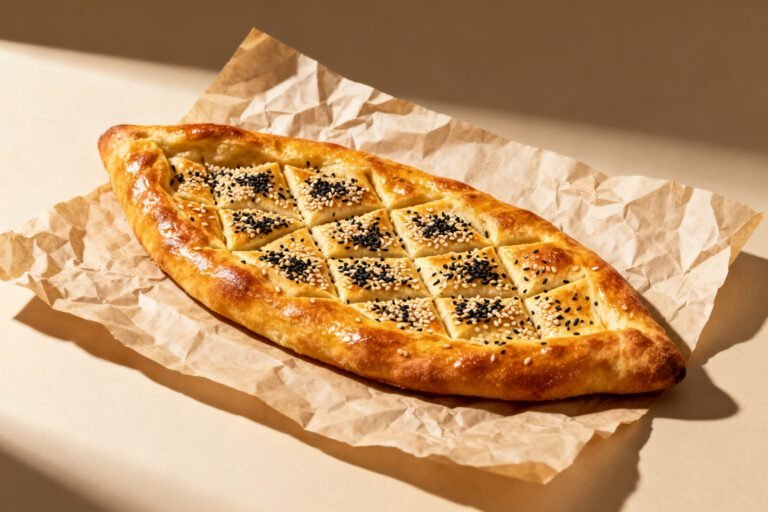
Wholesome Spelt Bread Recipe | Healthy Low Glycemic Homemade Loaf
You can bake a hearty, sliceable loaf that tastes rustic, feels nourishing, and stays gentle on blood sugar. This wholesome spelt bread leans on the natural sweetness and nuttiness of spelt flour, with a tender crumb that toasts like a dream. I make it on weekends, then enjoy it all week with eggs, soups, and sandwiches.
We’ll mix a simple dough, let it rise, then bake it into a golden loaf with a crisp crust. No advanced techniques, no special gear. If you can stir, knead, and wait patiently, you can pull a beautiful, healthy bread from your oven.
Why This Spelt Bread Recipe Works
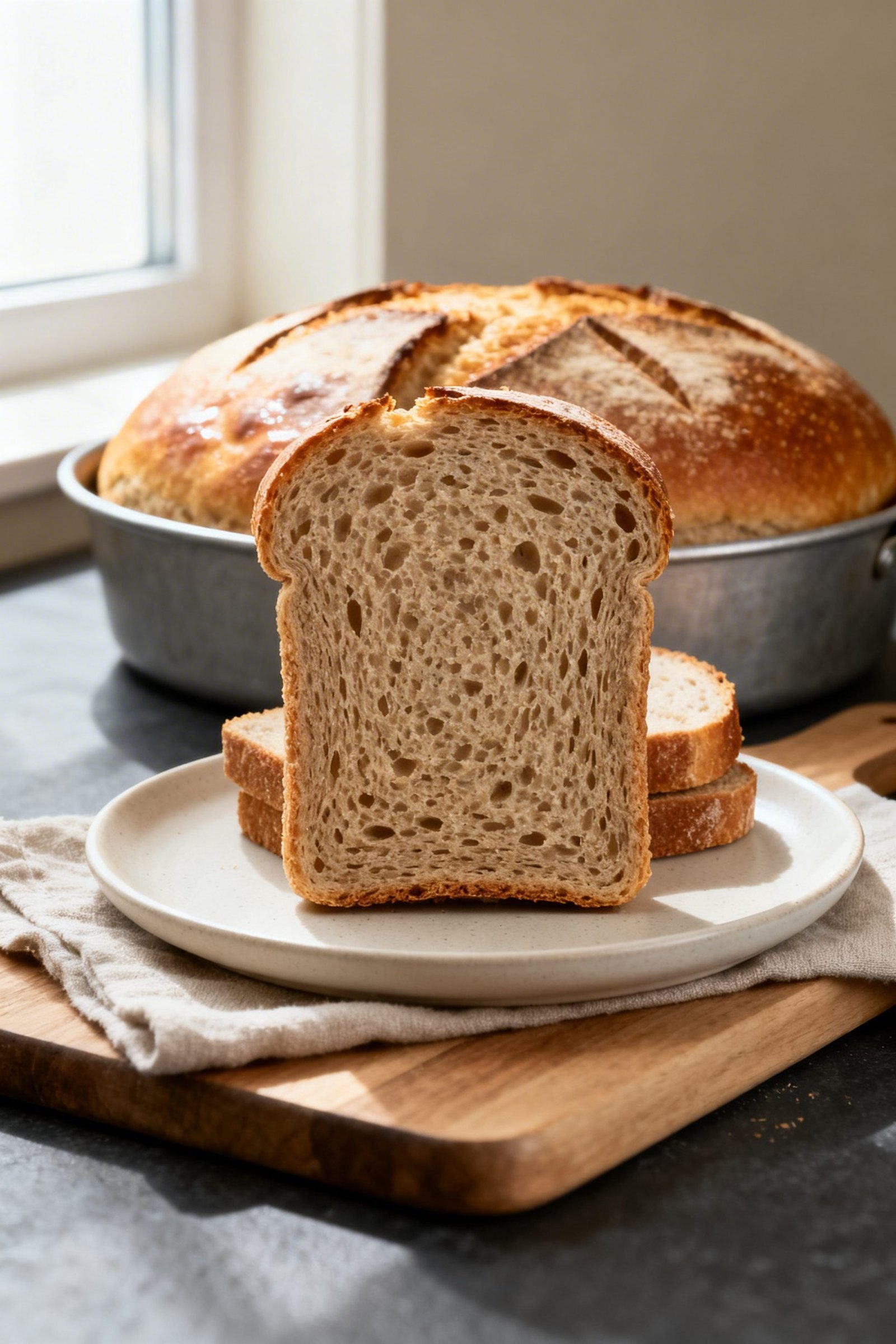
- Lower glycemic impact: Spelt’s whole-grain structure, fiber, and protein help slow digestion compared to refined wheat loaves.
- Balanced hydration: Spelt absorbs water differently. This recipe dials in hydration so the dough stays soft and manageable without turning sticky.
- Gentle gluten network: Spelt forms gluten more quickly than modern wheat. Shorter kneading and careful handling keep the crumb tender, not dense.
- Flavor first: A touch of honey and olive oil amplify spelt’s nutty notes and depth without making the loaf sweet.
- Reliable rise: Instant yeast and a warm proof build steady lift for a well-domed top and even slices.
Ingredients
- 3 1/2 cups (455 g) whole spelt flour – freshly milled or store-bought; avoid white spelt for best nutrition and flavor
- 1 1/4 cups (295 ml) warm water – about 105–110°F (40–43°C)
- 2 teaspoons instant yeast – also labeled rapid-rise or bread machine yeast
- 1 1/4 teaspoons fine sea salt
- 1 tablespoon mild honey or maple syrup – optional but recommended for flavor and fermentation
- 1 1/2 tablespoons extra-virgin olive oil – keeps the crumb soft and the crust tender
- Optional add-ins: 2 tablespoons sunflower seeds, pumpkin seeds, or flaxseeds; 1 tablespoon rolled oats for topping
How to Make This Healthy Spelt Loaf
1) Mix the dough
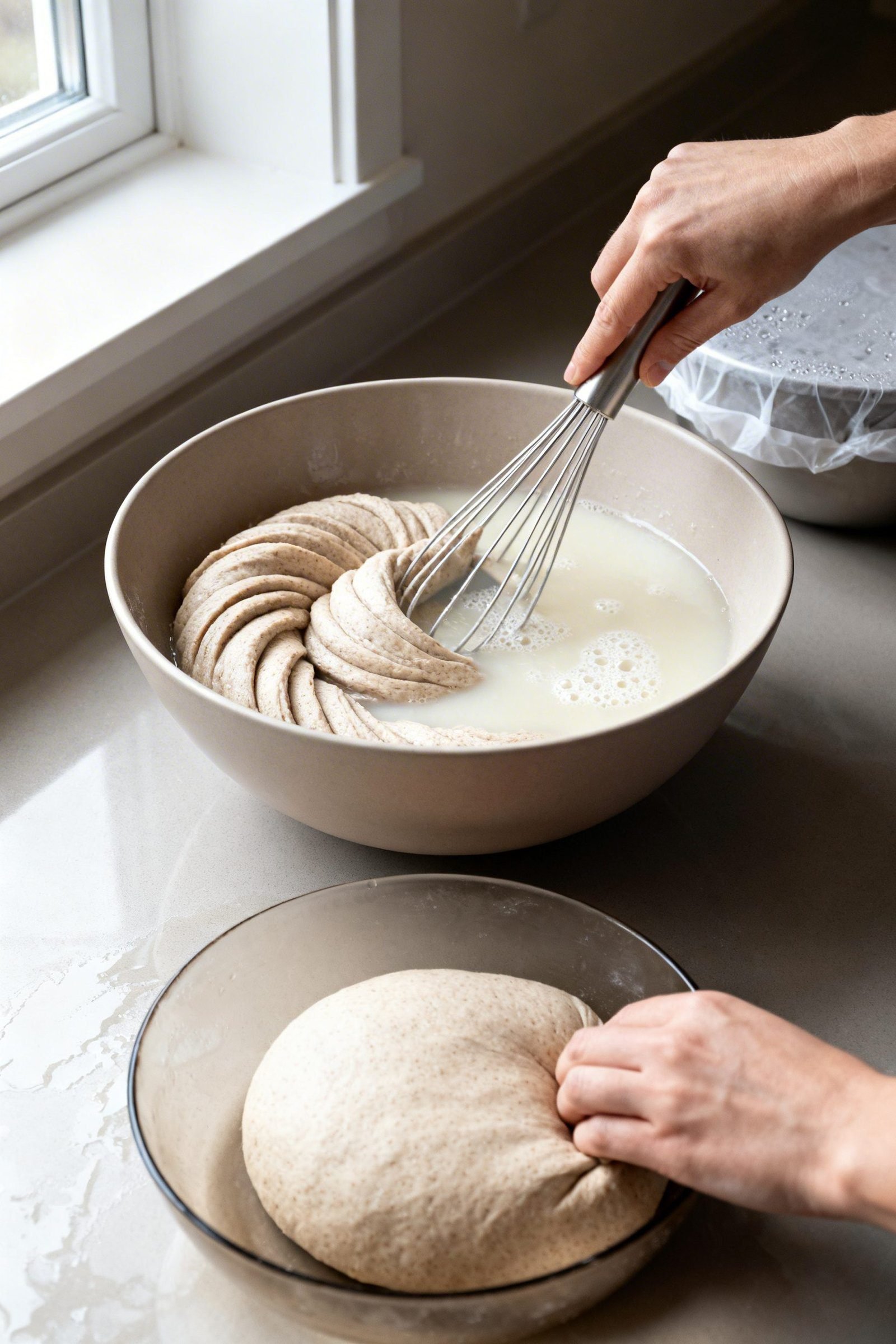
- Whisk warm water, honey, and yeast in a large bowl. Let it sit 3 minutes until foamy.
- Add olive oil and salt. Stir in spelt flour with a spatula until no dry spots remain. The dough will look soft and a bit tacky.
2) Rest, then knead gently
- Cover and let the dough rest 10 minutes. This brief pause hydrates the flour so you knead less.
- Turn dough onto a lightly oiled surface. Knead with gentle folds for 2–3 minutes until smooth. Avoid aggressive kneading; spelt tightens quickly.
- If using seeds, sprinkle them in during the last 30 seconds and fold to distribute.
3) First rise
- Place dough in a lightly oiled bowl, seam side down. Cover tightly.
- Let rise in a warm spot until puffy and almost doubled, 45–75 minutes depending on room temp. Look for volume and softness, not the clock.
4) Shape the loaf
- Gently deflate the dough. Pat into an 8×10-inch rectangle.
- Roll up from the short side into a tight log, pinch the seam, and tuck the ends under.
- Place seam side down in a greased 8.5×4.5-inch loaf pan (or line with parchment). For a rustic boule, place on a parchment-lined sheet.
5) Second rise
- Cover lightly and proof until the dough crowns about 1 inch over the pan rim, 35–55 minutes. For a free-form loaf, it should look visibly puffed and jiggly when nudged.
- Optional topping: Brush with a little water and sprinkle oats or seeds.
6) Bake
- Preheat oven to 400°F (200°C) while the dough proofs.
- Bake 30–36 minutes until the crust turns deep golden brown and the internal temp hits 200–205°F (93–96°C).
- If the top browns fast, tent loosely with foil for the last 10 minutes.
7) Cool completely
- Remove from the pan and cool on a rack for at least 90 minutes before slicing. This sets the crumb and prevents gumminess.
How to Store Your Spelt Bread
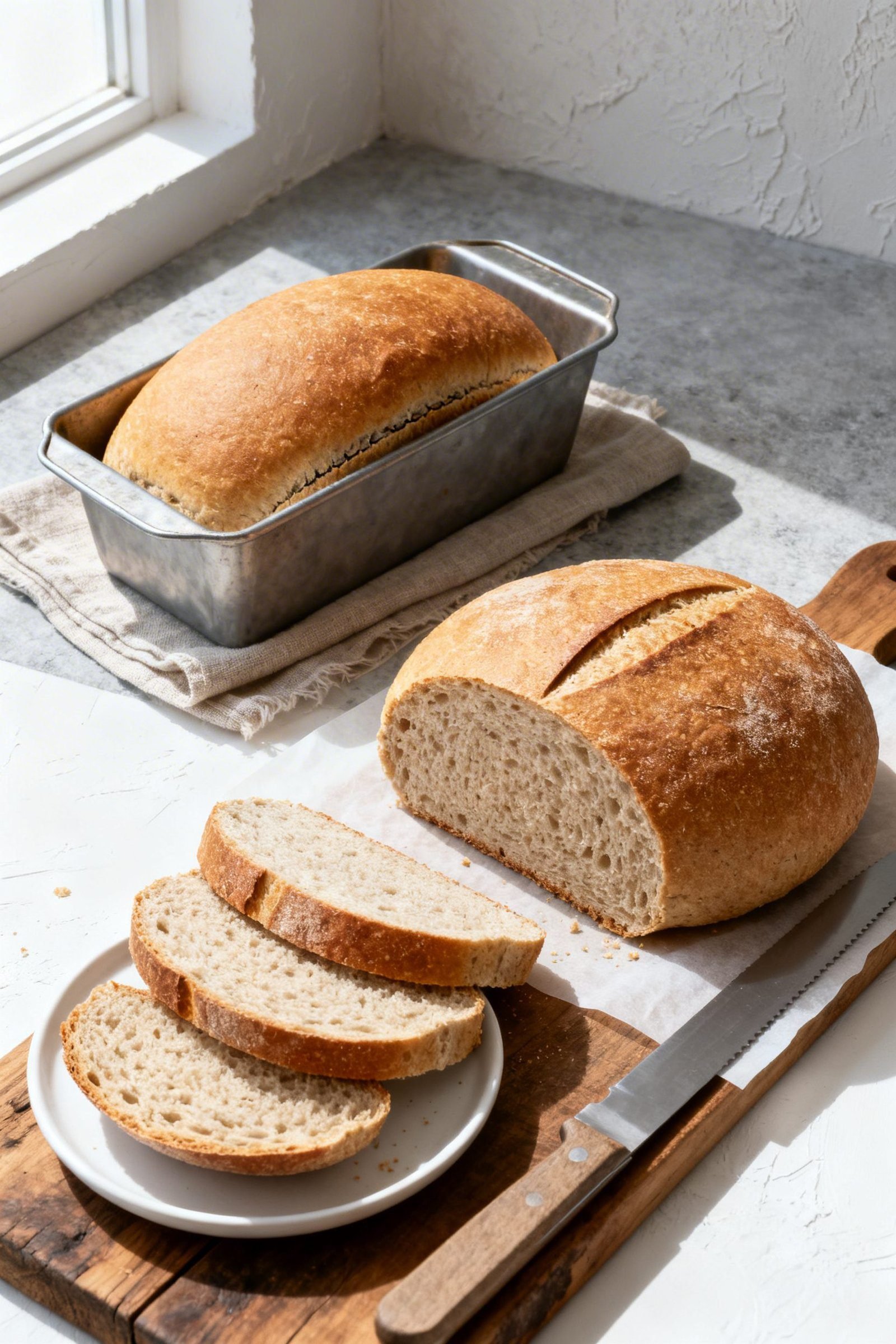
- Room temperature: Wrap the fully cooled loaf in a clean tea towel or keep in a bread box for 2–3 days. Avoid plastic at room temp to keep the crust from softening too much.
- Freeze for later: Slice the loaf, place parchment between slices, and freeze in a zipper bag for up to 2 months. Toast straight from frozen.
- Revive the crust: If the crust softens, warm the loaf at 325°F (165°C) for 8–10 minutes to crisp it back up.
Benefits of Choosing Spelt for Homemade Bread
- Better-for-you carbs: Whole spelt offers fiber and micronutrients that support steady energy.
- Lower glycemic swing: Slower digestion means fewer spikes and crashes than refined white bread.
- Digestible texture: Many people find spelt’s gluten easier to handle than modern wheat. (Note: it still contains gluten.)
- Big flavor payoff: Nutty, slightly sweet notes deliver character without extra sugar.
- Kitchen-friendly: Simple ingredients, short knead, quick proof—great for busy cooks.
What to Avoid for Best Results
- Do not over-knead: Spelt gets tight and crumbly with too much work. Stop as soon as it turns smooth.
- Do not over-flour: Add only a sprinkle if the dough sticks. A slightly tacky dough bakes lighter.
- Do not over-proof: If the dough rises too high, it can collapse and taste yeasty. Bake when it crowns 1 inch above the pan.
- Do not slice hot: Warm bread compresses and turns gummy. Let it cool fully for neat slices.
- Do not skip salt: Salt strengthens gluten and balances flavor; the loaf tastes flat without it.
Easy Variations to Try
- Seeded spelt: Fold in 2–3 tablespoons mixed seeds (sunflower, pumpkin, sesame) for crunch and healthy fats.
- Oat-crusted top: Brush the shaped loaf with water and press rolled oats on the surface before proofing.
- Cinnamon-raisin breakfast loaf: Add 1 teaspoon cinnamon and 2/3 cup raisins; reduce honey to 1 teaspoon.
- Olive and herb: Mix in 1/2 cup chopped olives and 1 tablespoon minced rosemary; cut honey in half.
- Sourdough hybrid: Replace 1/2 cup water with 1/2 cup active spelt starter and cut yeast to 1 teaspoon. Expect a slightly longer rise and deeper flavor.
FAQ
Can I use white spelt flour?
Yes, but whole spelt gives better nutrition and a nuttier taste. If using white spelt, reduce water by 1–2 tablespoons and expect a lighter crumb.
Can I knead in a stand mixer?
Yes. Mix on low speed for 1–2 minutes, rest 10 minutes, then mix on low for 2 minutes more. Spelt needs less mixing than wheat; watch for a smooth, supple dough.
Is this bread gluten-free?
No. Spelt contains gluten. If you need gluten-free, use a dedicated gluten-free recipe.
How do I know the dough proofed enough?
Press a floured fingertip into the dough. If the dent springs back slowly and not fully, bake it. If it pops back fast, proof longer. If it collapses, it went too far.
Can I bake it without a loaf pan?
Absolutely. Shape into a round, proof on parchment, slash the top, and bake on a preheated sheet or stone. Start checking at 28 minutes.
What if my kitchen runs cold?
Use a warm spot: inside an off oven with the light on, near (not on) a warm appliance, or over a bowl of warm water. Expect the rise to take longer.
How can I boost the protein and fiber?
Swap 2 tablespoons of spelt with ground flaxseed or hemp hearts, and fold in seeds. Add 1 tablespoon vital wheat gluten only if you want a chewier, higher-rising loaf.
Conclusion
You can bake this wholesome spelt bread with simple pantry staples and a little patience. The result: a golden, nourishing loaf with a soft crumb, sturdy slices, and flavors that shine at breakfast, lunch, and everything between. Prep it today, slice it tomorrow, and enjoy better bread all week.
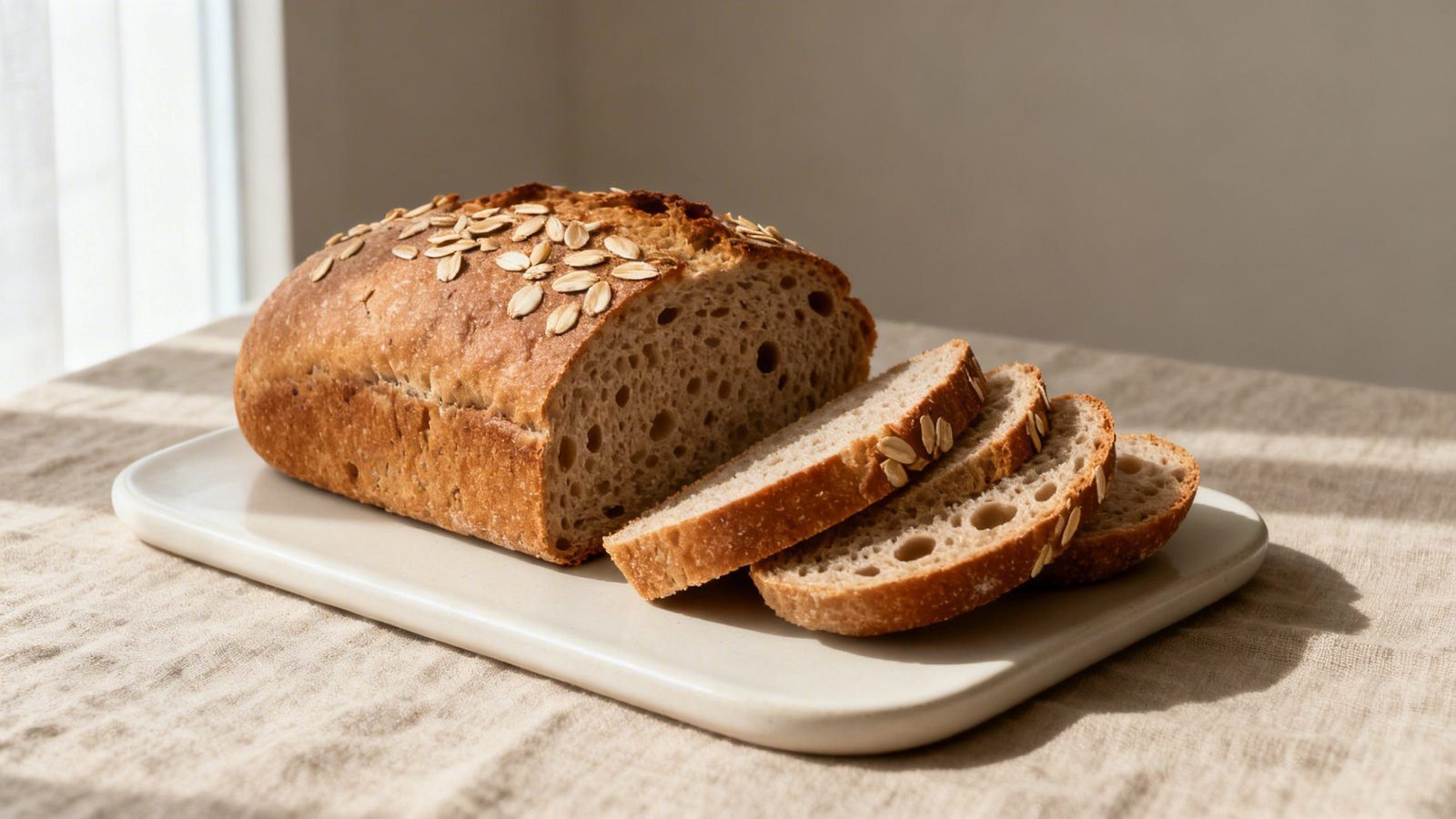
Wholesome Spelt Bread
A hearty, lower-glycemic whole spelt loaf with a tender crumb and nutty flavor.
Ingredients
- 3 ½ cups (455 g) whole spelt flour
- 1 ¼ cups (295 ml) warm water (105–110°F / 40–43°C)
- 2 teaspoons instant yeast
- 1 ¼ teaspoons fine sea salt
- 1 tablespoon mild honey or maple syrup (optional but recommended)
- 1 ½ tablespoons extra-virgin olive oil
- Optional: 2 tablespoons sunflower seeds, pumpkin seeds, or flaxseeds
- Optional topping: 1 tablespoon rolled oats or seeds
Instructions
- Whisk warm water, honey, and yeast in a large bowl; let sit 3 minutes until foamy.
- Add olive oil and salt. Stir in spelt flour until no dry spots remain; dough will be soft and slightly tacky.
- Cover and rest 10 minutes to hydrate the flour.
- Turn dough onto a lightly oiled surface and knead gently with folds for 2–3 minutes until smooth. If using seeds, fold them in during the last 30 seconds.
- Place dough in a lightly oiled bowl, seam side down; cover tightly and let rise in a warm spot until puffy and almost doubled, 45–75 minutes.
- Gently deflate, pat into an 8×10-inch rectangle, roll up from the short side into a tight log, pinch seam, and tuck ends.
- Place seam side down in a greased 8.5×4.5-inch loaf pan (or on parchment for a free-form loaf).
- Cover lightly and proof until the dough crowns about 1 inch over the pan rim (or looks puffed and jiggly for free-form), 35–55 minutes. Optional: brush with water and sprinkle oats or seeds.
- Preheat oven to 400°F (200°C).
- Bake 30–36 minutes until deep golden and internal temperature is 200–205°F (93–96°C); tent with foil if browning too fast.
- Remove from pan and cool on a rack for at least 90 minutes before slicing.