Simple Buttery Scones Recipe with Glaze | Easy Breakfast Pastry
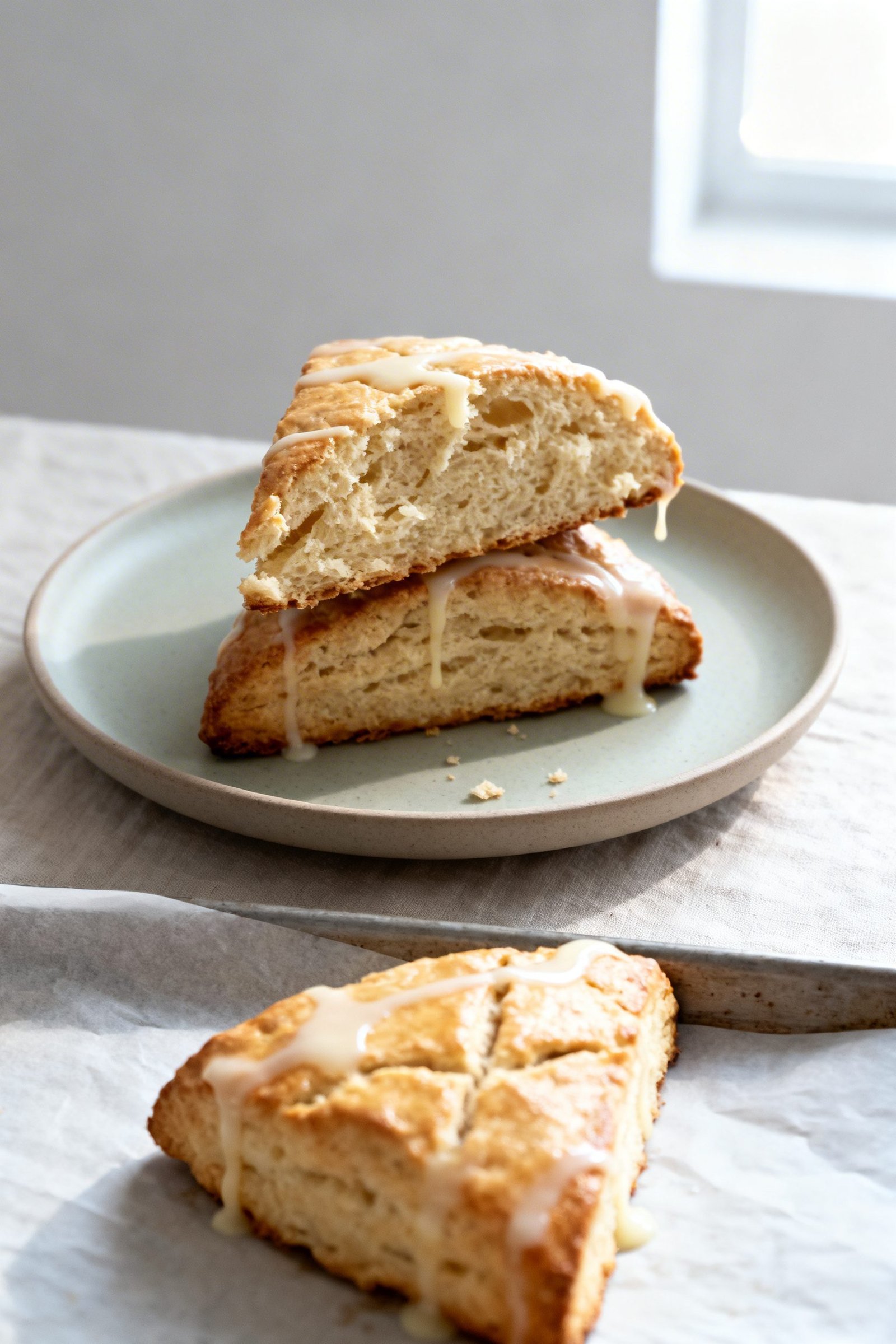
These buttery scones bake up tall, tender, and golden—everything you want in a cozy breakfast pastry. The dough comes together in minutes, and the simple vanilla glaze adds a sweet finish that sets as the scones cool. You’ll get bakery-style results without any fuss.
I’ll walk you through exactly how to get flaky layers, how to avoid tough scones, and how to tweak the recipe for your taste. Grab cold butter, a bowl, and a pastry cutter (or your fingertips). You’ve got this!
Why This Simple Buttery Scones with Glaze Recipe Works
We use a few smart techniques that guarantee tender, lofty scones every time.
- Cold butter equals flaky layers: Small, cold butter pieces create steam pockets that lift the dough as it bakes.
- Just enough liquid: Cream adds richness and moisture without making the dough sticky, so the scones hold their shape.
- Minimal mixing: Gentle handling prevents gluten from developing, which keeps the crumb soft instead of tough.
- Chill before baking: A quick chill firms the butter again and helps the scones rise taller and spread less.
- Balanced sweetness: Modest sugar in the dough lets the buttery flavor shine, while the glaze provides a delicate finish.
Ingredients
For the scones
- 2 cups (250 g) all-purpose flour
- 1/3 cup (65 g) granulated sugar
- 1 tablespoon baking powder
- 1/2 teaspoon fine salt
- 1/2 cup (113 g) cold unsalted butter, cubed
- 1/2 cup (120 ml) cold heavy cream (plus 1–2 tablespoons more as needed)
- 1 large egg, cold
- 1 1/2 teaspoons vanilla extract
- Optional: 1 teaspoon lemon zest for brightness
- For topping before baking: 1 tablespoon heavy cream and coarse sugar
For the vanilla glaze
- 1 cup (120 g) powdered sugar, sifted
- 2–3 tablespoons milk or cream
- 1 teaspoon vanilla extract
- Pinch of salt to balance sweetness
Tool check: Mixing bowl, whisk, pastry cutter or forks, spatula, bench scraper, baking sheet, parchment, and a pastry brush.
How to Make These Buttery Glazed Scones
1) Prep and mix dry ingredients
- Line a baking sheet with parchment and place it in the fridge to chill.
- In a large bowl, whisk together flour, sugar, baking powder, and salt until well combined.
2) Cut in the cold butter
- Add the cold cubed butter to the bowl.
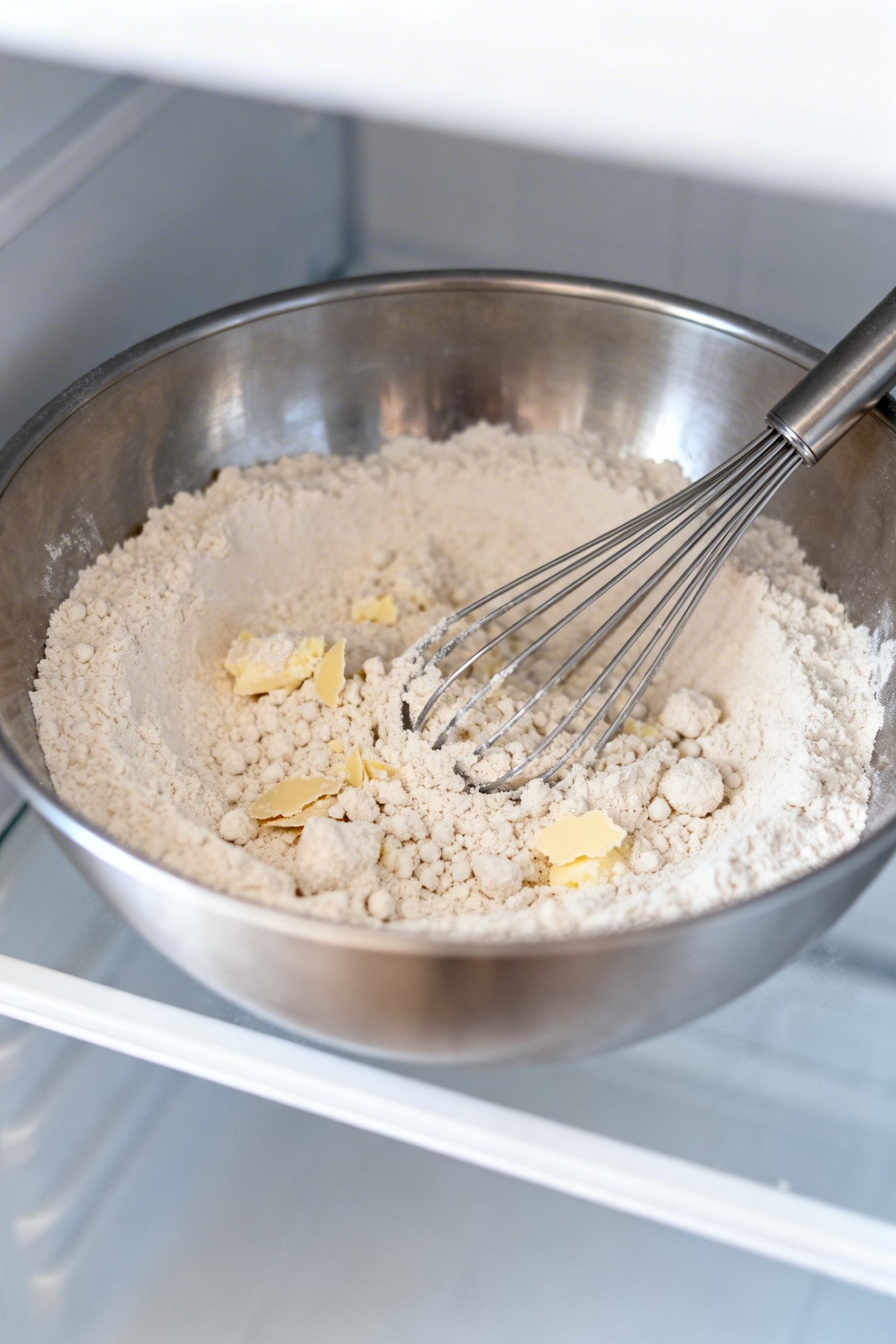
- Use a pastry cutter or your fingertips to work the butter into the flour until you see pea-sized pieces and a sandy texture. Keep some larger flakes for better layers.
3) Add wet ingredients
- In a small bowl, whisk the egg, cream, and vanilla (add lemon zest if using).
- Pour the mixture over the flour-butter blend. Toss with a fork until the dough begins to clump. If it looks dry, sprinkle in 1–2 extra tablespoons cream just until the dough holds together when pressed.
4) Shape the dough
- Turn the shaggy dough onto a lightly floured surface.
- Gently pat and press it into a 1-inch thick round, about 7–8 inches across. Fold the dough in half, then pat back into a round to build more layers. Do this fold twice, handling it as little as possible.
- Use a bench scraper or sharp knife to cut into 8 wedges.
5) Chill and bake
- Transfer the wedges to the chilled baking sheet, spacing them out.
- Brush tops with a little cream and sprinkle with coarse sugar.
- Refrigerate for 15–20 minutes while you heat the oven to 400°F (200°C).
- Bake for 18–22 minutes, until the tops look golden at the edges and a toothpick comes out clean or with a few moist crumbs.
- Cool on the sheet for 5 minutes, then move to a rack.
6) Glaze
- Whisk the powdered sugar, milk/cream, vanilla, and a pinch of salt until smooth and pourable. Adjust with more liquid or sugar as needed.
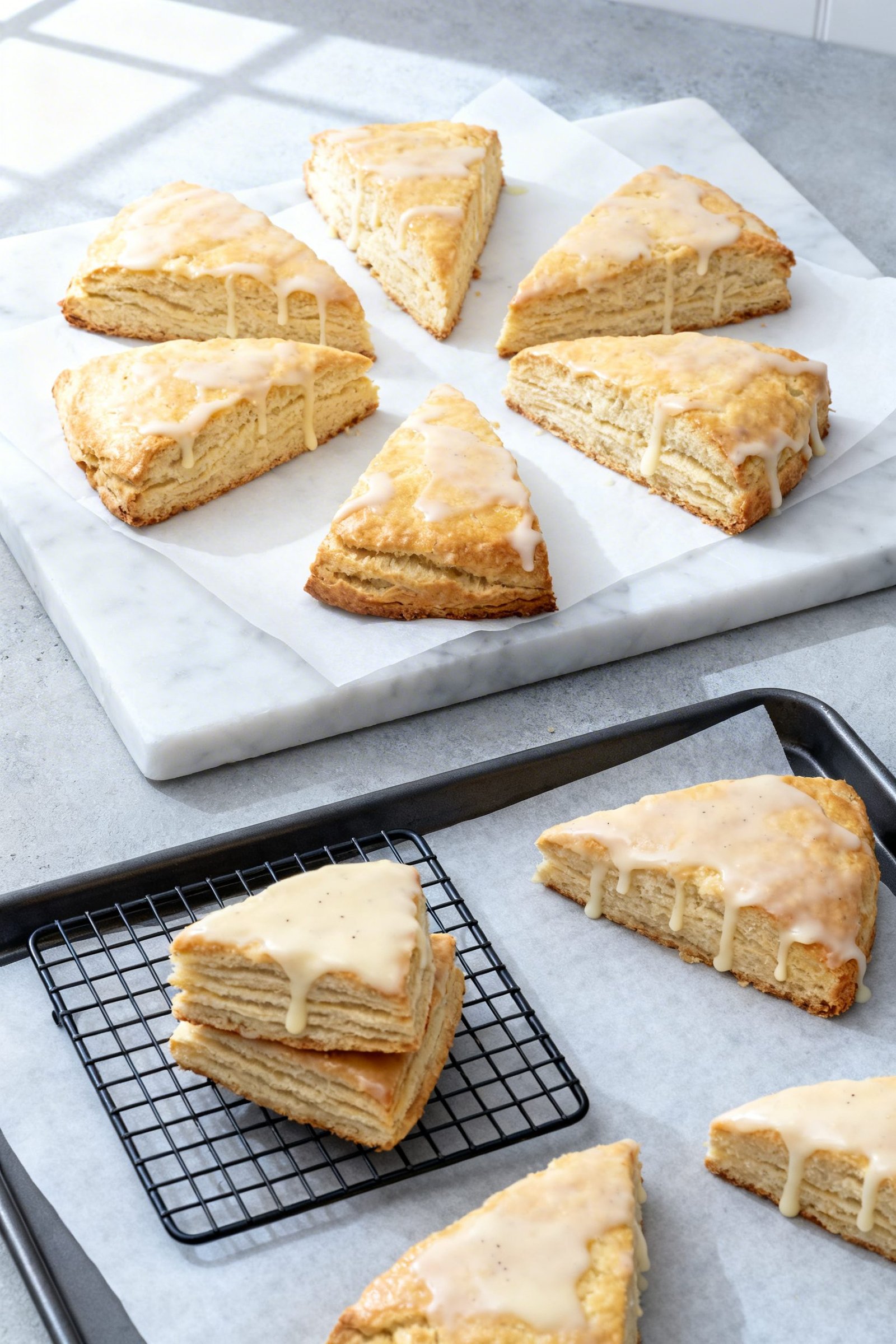
- Drizzle over warm scones and let it set for 10–15 minutes before serving.
Visual cues: Properly mixed dough looks shaggy but cohesive; you should still see visible butter bits. Baked scones feel light and look slightly cracked on top.
How to Store Your Buttery Glazed Scones
- Room temperature: Keep unglazed scones in an airtight container up to 2 days. If already glazed, store for 1 day uncovered for a crisp top or covered for softness.
- Refrigerate: Store glazed scones in a sealed container up to 3 days. Warm briefly in a low oven to refresh.
- Freeze unbaked: Freeze cut wedges on a sheet pan until firm, then bag for up to 2 months. Bake from frozen at 400°F (200°C), adding 2–4 minutes.
- Freeze baked: Cool completely, wrap individually, and freeze up to 2 months. Thaw at room temp and rewarm at 325°F (165°C) for 8–10 minutes. Glaze after reheating for best texture.
Benefits of Making These Easy Breakfast Scones
- Fast and doable: From mixing bowl to oven in about 15 minutes.
- Minimal equipment: No stand mixer needed; a bowl and pastry cutter handle the job.
- Reliable texture: Cold butter and a short mix deliver consistent flakiness.
- Customizable base: Add-ins and flavors slide right into this dough.
- Make-ahead friendly: Freeze the dough and bake scones fresh when you want them.
What Not to Do
- Don’t melt the butter: Melted butter won’t create layers; keep it cold and in small pieces.
- Don’t overmix: Stir just until the dough comes together. Overworking leads to tough, flat scones.
- Don’t skip chilling: A short chill sets the butter and keeps edges sharp.
- Don’t add too much liquid: The dough should feel slightly dry; it should cling when pressed but not feel sticky.
- Don’t crowd the pan: Give each wedge space so heat can circulate and lift the layers.
Variations You Can Try
- Lemon Poppy: Add 1 tablespoon lemon zest and 1 tablespoon poppy seeds; glaze with lemon juice in place of milk.
- Classic Cream: Skip the egg and increase cream to about 3/4 cup total for extra tender scones.
- Blueberry: Fold in 3/4 cup frozen blueberries (tossed in flour). Handle gently to avoid streaking.
- Cinnamon Sugar: Add 1 teaspoon cinnamon to the dry mix and sprinkle cinnamon sugar on top before baking.
- Maple Glaze: Swap vanilla for 1/2 teaspoon maple extract and use maple syrup to thin the glaze.
- Chocolate Chip: Stir in 1/2 cup mini chocolate chips; finish with a vanilla or espresso glaze.
- Orange Cranberry: Use 1 tablespoon orange zest and fold in 1/2 cup dried cranberries; glaze with orange juice.
FAQ
Why did my scones spread too much?
Warm butter usually causes spreading. Chill the shaped wedges before baking and make sure your oven reads a true 400°F. Use parchment, not a greased pan.
Can I use milk instead of cream?
Yes, but cream gives richer, taller scones. If using milk, choose whole milk and reduce the amount slightly to keep the dough from getting sticky.
Do I need the egg?
No. You can skip it and add a splash more cream. With egg gives a slightly richer crumb; without keeps the texture extra tender and crumbly.
How do I get taller scones?
Start with very cold ingredients, don’t overwork the dough, and chill before baking. Cutting straight down (not sawing) also helps with rise.
Can I make mini scones?
Absolutely. Shape two smaller discs and cut each into 6–8 wedges. Bake 12–15 minutes, watching for golden edges.
How thick should I pat the dough?
About 1 inch thick. Thinner dough bakes faster but won’t rise as high.
Conclusion
You don’t need a bakery run to enjoy warm, buttery scones with a glossy vanilla glaze. Keep your butter cold, mix gently, and give the dough a quick chill. You’ll pull a tray of flaky, tender wedges from the oven in under half an hour—and your kitchen will smell amazing.
Try the classic version first, then play with zests, spices, and add-ins. Once you master this base dough, weekend breakfasts and brunches come together effortlessly.
Simple Buttery Scones with Vanilla Glaze
Tall, tender, buttery scones finished with a simple vanilla glaze for an easy bakery-style breakfast pastry.
Ingredients
- 2 cups (250 g) all-purpose flour
- ⅓ cup (65 g) granulated sugar
- 1 tablespoon baking powder
- ½ teaspoon fine salt
- ½ cup (113 g) cold unsalted butter, cubed
- ½ cup (120 ml) cold heavy cream, plus 1–2 tablespoons more as needed
- 1 large egg, cold
- 1 ½ teaspoons vanilla extract
- Optional: 1 teaspoon lemon zest
- For topping: 1 tablespoon heavy cream and coarse sugar
- Glaze: 1 cup (120 g) powdered sugar, sifted
- Glaze: 2–3 tablespoons milk or cream
- Glaze: 1 teaspoon vanilla extract
- Glaze: Pinch of salt
Instructions
- Line a baking sheet with parchment and place it in the fridge to chill.
- Whisk flour, sugar, baking powder, and salt in a large bowl.
- Add the cold cubed butter and cut it in with a pastry cutter or fingertips until pea-sized pieces remain with a sandy texture.
- Whisk egg, cream, and vanilla (and lemon zest if using) in a small bowl.
- Pour wet mixture over dry and toss with a fork until clumps form; add 1–2 tablespoons extra cream only if needed so the dough holds when pressed.
- Turn the shaggy dough onto a lightly floured surface and gently pat into a 1-inch thick round (7–8 inches). Fold in half and pat back into a round; repeat the fold once more.
- Cut into 8 wedges.
- Transfer wedges to the chilled baking sheet, brush tops with cream, and sprinkle with coarse sugar.
- Refrigerate 15–20 minutes while preheating the oven to 400°F (200°C).
- Bake 18–22 minutes until golden at the edges and a toothpick comes out clean or with a few moist crumbs. Cool 5 minutes on the sheet, then move to a rack.
- Whisk powdered sugar, milk/cream, vanilla, and a pinch of salt until smooth and pourable; adjust consistency as needed.
- Drizzle glaze over warm scones and let set 10–15 minutes before serving.