Crusting Buttercream Frosting Recipe | Bakery Style Cake Icing
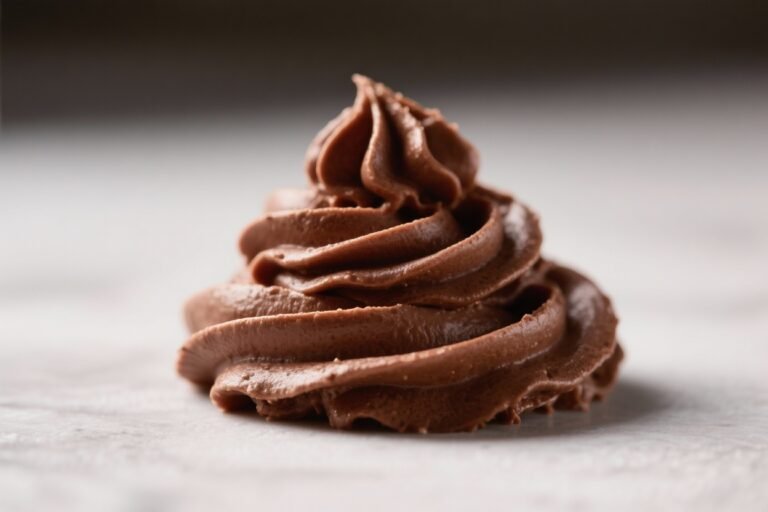
This crusting buttercream delivers that classic bakery finish: smooth, pipeable, and sturdy enough to hold beautiful edges. It sets with a delicate “crust” on the outside while staying soft and creamy inside, so your cake slices cleanly and your decorations stay crisp.
If you’ve fought with frosting that droops, bubbles, or never quite smooths, this recipe will change your cake game. It mixes fast, uses pantry staples, and works for layer cakes, cupcakes, and cookies. You’ll get consistent results, even on warm days, and it tastes like a real bakery made it.
Why This Crusting Buttercream Works
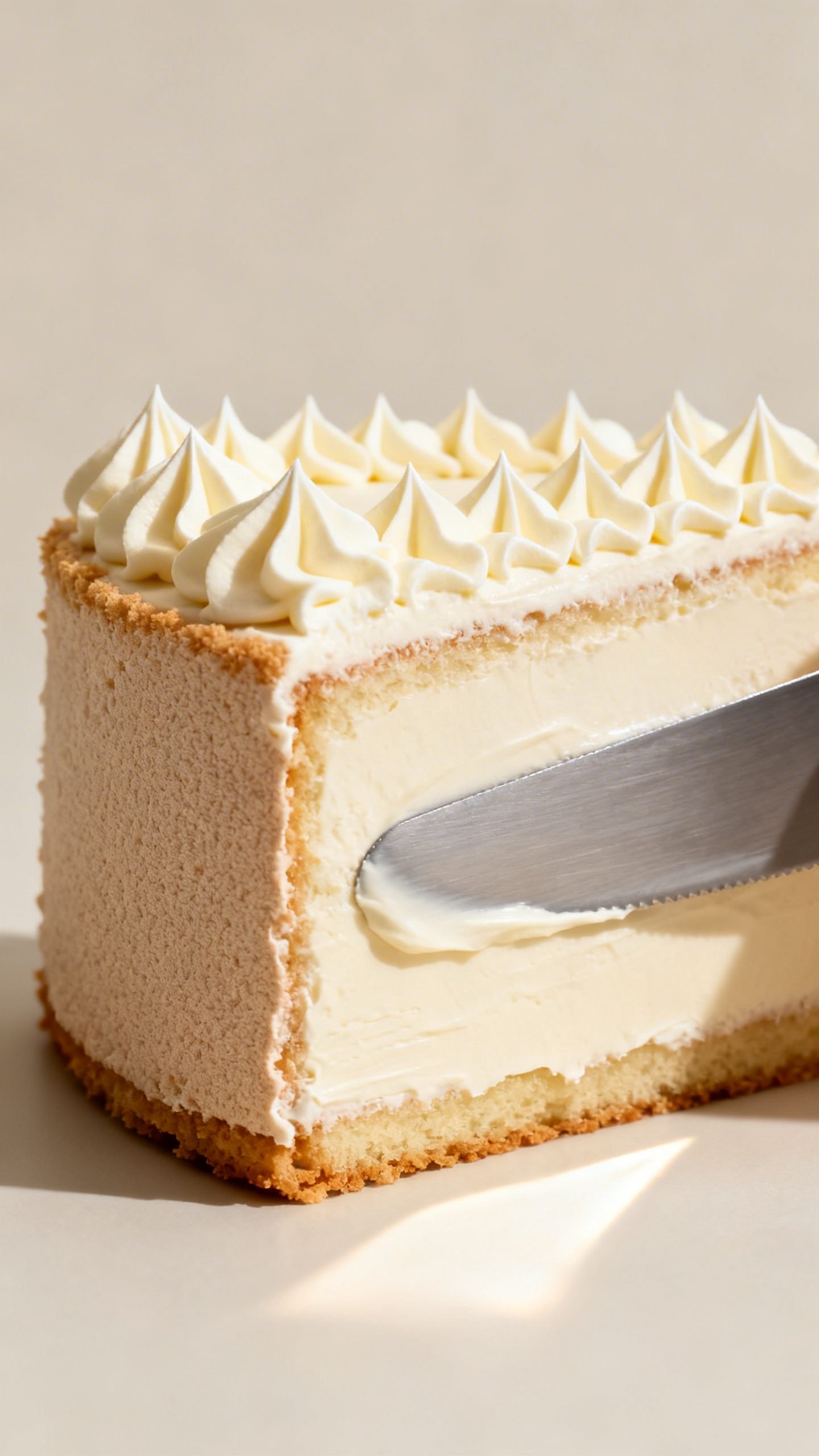
- Right fat-to-sugar ratio: Confectioners’ sugar binds to fat and forms a thin crust that protects the creamy center.
- Shortening plus butter: Butter gives flavor and color; high‑ratio or vegetable shortening adds stability and structure.
- Low liquid, controlled: Just enough milk or cream to make it spreadable keeps it from getting gloopy.
- Beating method matters: Proper mixing prevents air bubbles and creates a silky, pipeable texture.
- Optional meringue powder: A small amount improves crusting and helps decorations hold their shape.
Ingredients
- 1 cup (226 g) unsalted butter, room temperature – soft, not greasy
- 1/2 cup (96 g) high‑ratio shortening or vegetable shortening – for stability and cleaner edges
- 6–7 cups (720–840 g) confectioners’ sugar – sifted for a smoother finish
- 1/4 cup (60 ml) heavy cream or whole milk – add gradually
- 2–3 tsp pure vanilla extract – or a mix of vanilla and almond for bakery flavor
- 1/4 tsp fine sea salt – balances sweetness
- 1 tbsp meringue powder (optional) – boosts crusting and stability
Yield: Enough to generously frost and decorate a 2‑layer 8–9 inch cake or about 24 cupcakes.
How to Make Classic Crusting Buttercream
1) Prep and measure
- Soften the butter until it yields to a gentle press but doesn’t look shiny.
- Sift the confectioners’ sugar to remove lumps and prevent graininess.
- Have cream and extracts ready so you can control consistency as you mix.
2) Cream the fats
- Add the butter and shortening to a stand mixer with the paddle attachment.
- Beat on medium speed for 3–4 minutes until light, smooth, and unified. Scrape the bowl often.
3) Add dry ingredients
- Mix the salt and meringue powder (if using) into the sifted sugar.
- Add sugar in 3–4 additions, beating on low after each to minimize air pockets and mess.
- Drizzle in half the cream when the mixture looks sandy.
4) Flavor and adjust
- Add vanilla (and almond extract if you like a true bakery vibe).
- Beat on medium for 2 minutes until smooth. Add more cream, a teaspoon at a time, until it spreads easily but holds soft peaks.
- Finish with a 30–60 second mix on low to knock out big air bubbles.
5) Rest and use
- Let the buttercream rest 10–15 minutes to relax bubbles.
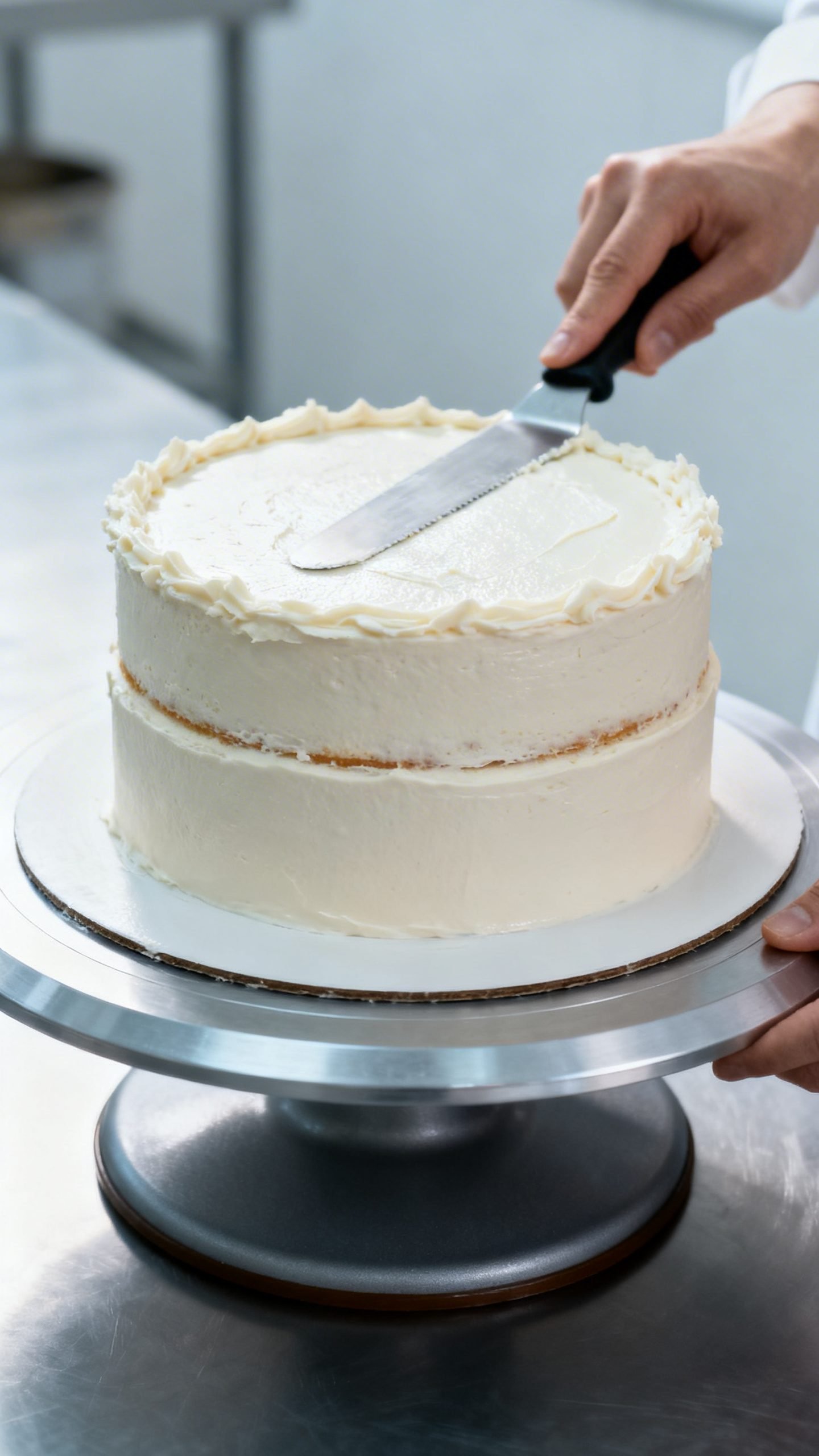
- Frost your cake, then let it sit 10–20 minutes to form a light crust before smoothing.
Pro tips for the smoothest finish
- Use the paddle, not the whisk: You’ll get fewer air bubbles and a denser, bakery-style texture.
- Work in cool conditions: Warm kitchens soften buttercream and blur edges.
- Practice the paper towel trick: After crusting, lightly press a clean, patterned‑free paper towel or parchment against the frosting and gently rub with an offset spatula for a glassy finish.
- Color wisely: Gel colors add intensity without thinning. Add at the end and mix on low.
How to Store Crusting Buttercream
- Room temperature: Up to 2 days in an airtight container. Stir before using.
- Refrigerator: 1–2 weeks. Bring to room temp and rebeat on low with a splash of cream.
- Freezer: Up to 3 months. Thaw overnight in the fridge, then bring to room temp and rebeat.
- On cakes: Once crusted, the outer layer protects the cake. Keep covered or boxed at cool room temp for 1–2 days.
Benefits of Using Crusting Buttercream
- Smoother finishes: The crust allows clean smoothing with parchment or a paper towel.
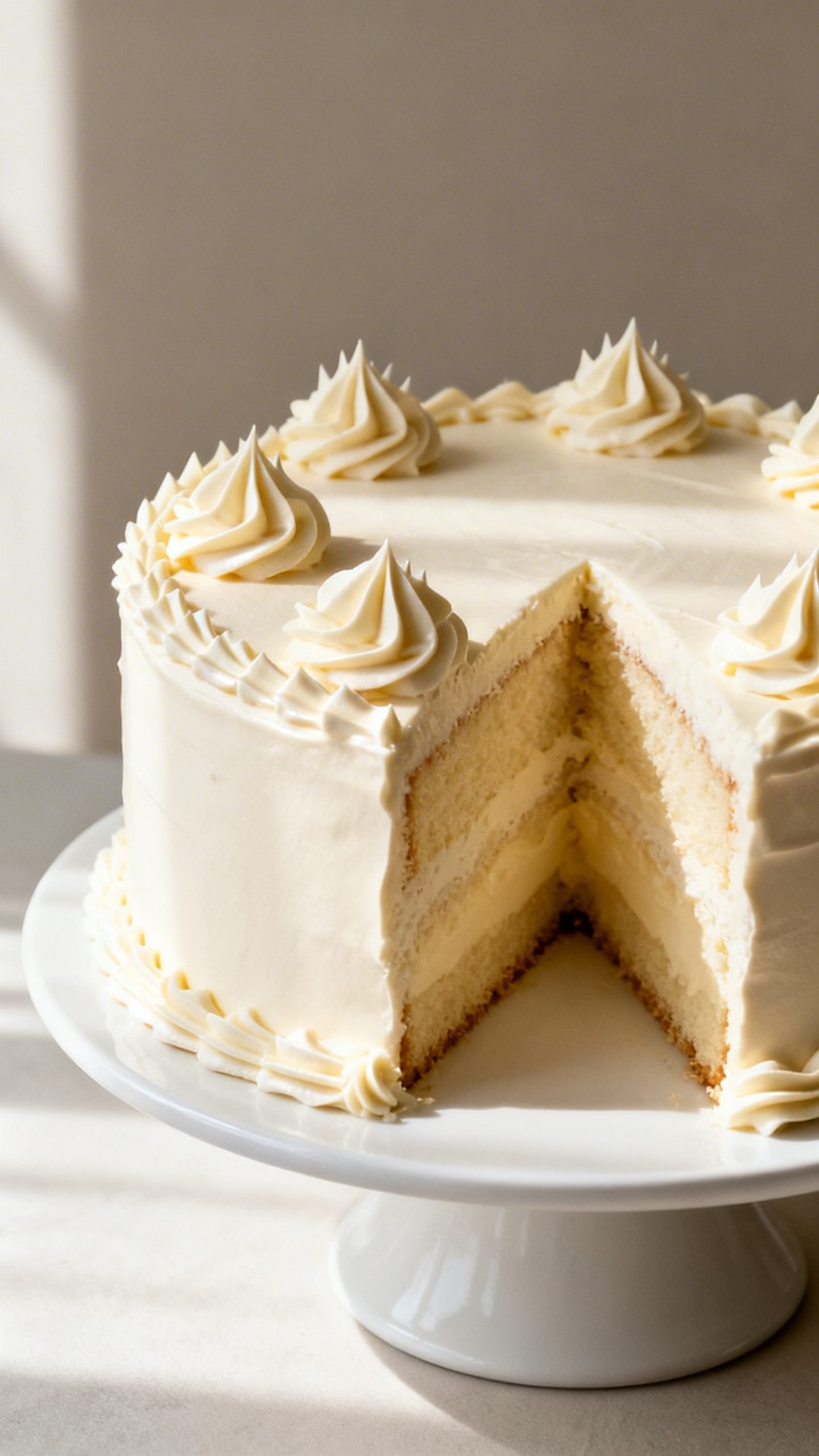
- Sturdier decorations: Ruffles, rosettes, and borders keep definition.
- Better transport: The slight crust resists smudges and light touches.
- Beginner-friendly: The texture forgives imperfections and fixes easily.
- Customizable flavor: Vanilla, almond, lemon, or cocoa all blend beautifully.
What to Avoid
- Overloading liquid: Too much milk or cream prevents crusting and causes slides.
- Skipping the sift: Lumpy sugar makes gritty frosting and clogged tips.
- Over‑whipping: The whisk attachment whips in air and creates bubbles and pockmarks.
- Warm butter: Greasy butter breaks structure and won’t hold clean edges.
- Salted butter without adjustments: It can taste overly salty. If you use salted butter, omit added salt.
Flavor and Texture Variations
- Bakery vanilla‑almond: Use 2 tsp vanilla + 1/2 tsp almond extract.
- Chocolate crusting buttercream: Replace 1 cup sugar with 3/4 cup Dutch‑process cocoa; add 1–2 tbsp extra cream as needed.
- Lemon: Add 1–2 tsp lemon extract and 1 tsp lemon zest; a touch of yellow gel brightens the look.
- Coffee mocha: Dissolve 2 tsp instant espresso in 1 tbsp hot cream; cool, then add with 1 tsp vanilla.
- Strawberry: Mix in 2–3 tbsp freeze‑dried strawberry powder; add a few drops of pink gel.
- Extra white “wedding” buttercream: Use clear vanilla and shortening; add a tiny touch of violet gel to neutralize yellow tones.
FAQ
Will this frosting hold up in heat?
Yes, with shortening it holds better than all‑butter buttercream. Keep cakes cool and shaded. For outdoor events, stash in a cooler until serving.
Why did my frosting get air bubbles?
Too much speed or a whisk attachment whips in air. Switch to a paddle, mix on low at the end, and let it rest 10 minutes before smoothing.
Can I make it all butter?
You can, but it softens faster and crusts less. Use at least 1/4 cup shortening for hot rooms or sharp piping.
How long does it take to crust?
About 10–20 minutes at room temp, depending on humidity and thickness of the layer.
What’s the best sugar?
10X confectioners’ sugar gives the finest texture. Always sift.
Can I use dairy‑free milk?
Yes. Unsweetened almond or oat milk works. Add slowly since thinner liquids loosen texture quickly.
How do I smooth the sides neatly?
Let it crust, then use a bench scraper warmed slightly under hot water, wiped dry, and run around the cake with the turntable spinning slowly.
Conclusion
With the right mix of butter, shortening, sugar, and a smart technique, you’ll nail that beloved bakery look and flavor at home. This crusting buttercream spreads like a dream, pipes like a pro, and sets just enough to smooth to perfection. Make a batch, let it crust, and watch your cakes transform from homemade to bakery‑quality in minutes.
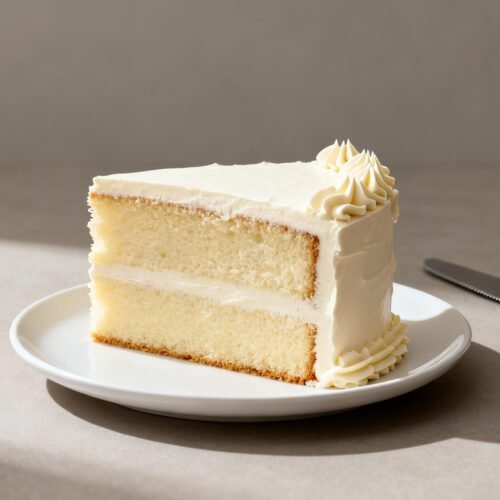
Crusting Buttercream Frosting Recipe | Bakery Style Cake Icing
Ingredients
Ingredients
- 1 cup (226 g) unsalted butter, room temperature
- 1/2 cup (96 g) high‑ratio shortening or vegetable shortening
- 6–7 cups (720–840 g) confectioners’ sugar, sifted
- 1/4 cup (60 ml) heavy cream or whole milk, plus more as needed
- 2–3 teaspoons pure vanilla extract (or a mix of vanilla and almond extract)
- 1/4 teaspoon fine sea salt
- 1 tablespoon meringue powder (optional)
Instructions
Instructions
- Soften the butter until it yields to a gentle press but is not shiny, and sift the confectioners’ sugar; have the cream and extracts ready.
- Add the butter and shortening to a stand mixer fitted with the paddle and beat on medium for 3–4 minutes until light and smooth, scraping the bowl.
- Stir the salt and optional meringue powder into the sifted sugar, then add the sugar in 3–4 additions on low speed, drizzling in about half of the cream when the mixture looks sandy.
- Add the vanilla (and almond extract if using) and beat on medium for about 2 minutes until smooth, adding more cream a teaspoon at a time until the frosting spreads easily but holds soft peaks.
- Mix on low for 30–60 seconds to reduce air bubbles, then let the buttercream rest 10–15 minutes before using.
- Frost the cake and allow it to sit 10–20 minutes to form a light crust before smoothing.